Deep Learning Techniques to Characterize the RPS28P7 Pseudogene and the Metazoa-SRP Gene as Drug Potential Targets in Pancreatic Cancer Patients
Iván Salgado, Ernesto Prado Montes de Oca, Isaac Chairez, Luis Figueroa-Yáñez, Alejandro Pereira-Santana, Andrés Rivera Chávez, Jesús Bernardino Velázquez-Fernandez, Teresa Alvarado Parra, Adriana Vallejo

TL;DR
This study uses deep learning to identify genes and pseudogenes that may help predict survival in pancreatic cancer patients and could serve as potential drug targets.
Contribution
The study introduces RPS28P7 pseudogene as a novel druggable target in pancreatic cancer through deep learning analysis.
Findings
Genes like EWSR1, FLT3, and GPC3 show higher amplification in deceased pancreatic cancer patients.
RPS28P7 pseudogene mRNA is up-regulated and may act as a ceRNA sponge for miRNA in dead patients.
Proposed RPS28P7 as a potential drug target modulatable via small molecules or RNA technology.
Abstract
The molecular explanation about why some pancreatic cancer (PaCa) patients die early and others die later is poorly understood. This study aimed to discover potential novel markers and drug targets that could be useful to stratify and extend expected survival in prospective early-death patients. We deployed a deep learning algorithm and analyzed the gene copy number, gene expression, and protein expression data of death versus alive PaCa patients from the GDC cohort. The genes with higher relative amplification (copy number >4 times in the dead compared with the alive group) were EWSR1, FLT3, GPC3, HIF1A, HLF, and MEN1. The most highly up-regulated genes (>8.5-fold change) in the death group were RPL30, RPL37, RPS28P7, RPS11, Metazoa_SRP, CAPNS1, FN1, H3−3B, LCN2, and OAZ1. None of their corresponding proteins were up or down-regulated in the death group. The mRNA of the RPS28P7…
Genes, proteins, chemicals, diseases, species, mutations and cell lines named across the full text — each resolved to its canonical identifier and authoritative record.
Click any figure to enlarge with its caption.
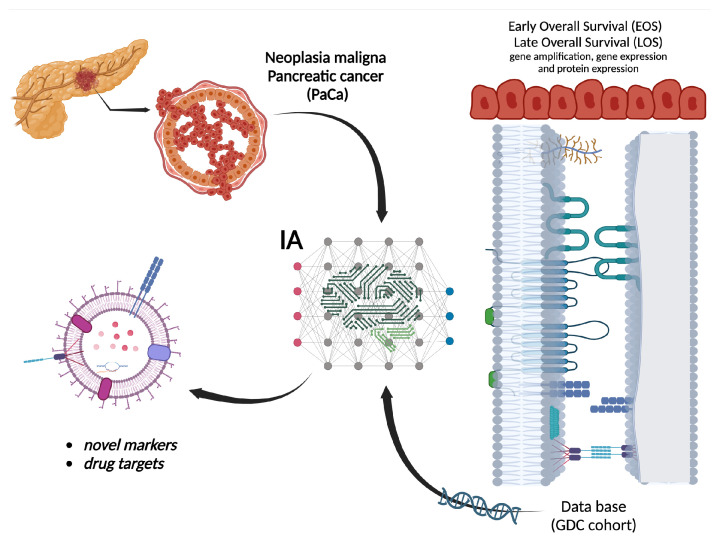 Figure 1
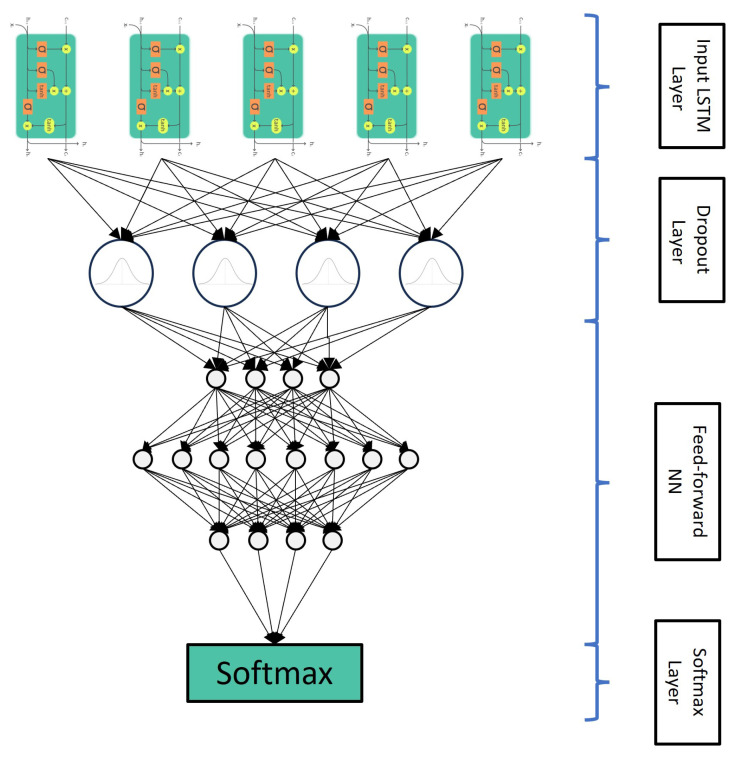 Figure 2
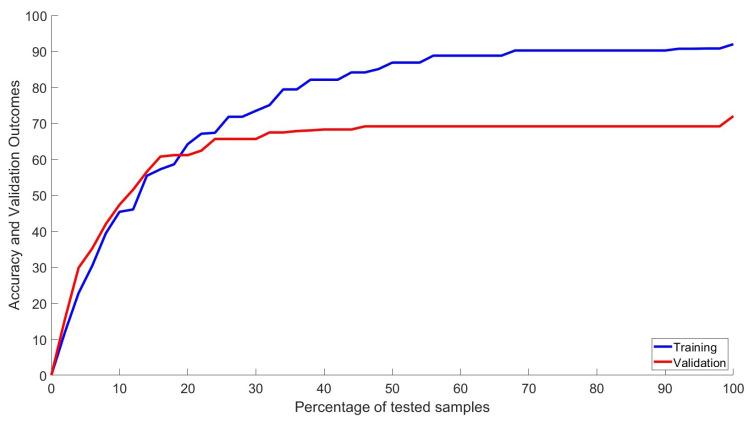 Figure 3
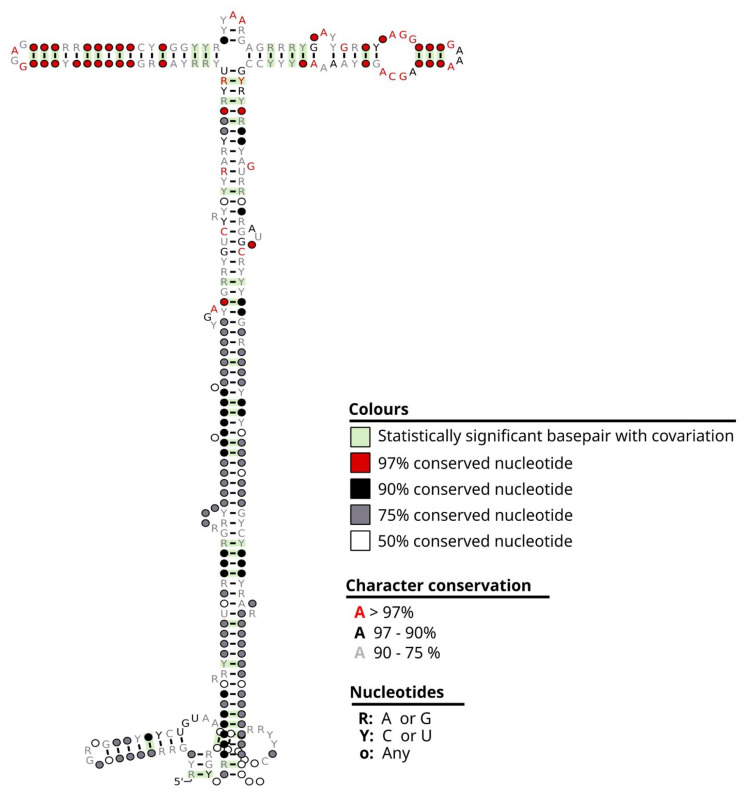 Figure 4
Peer Reviews
No public reviews on file for this paper yet. If you reviewed it on a platform where reviews are public (OpenReview, ICLR, NeurIPS, ICML), you can paste yours below so the community can read it here.
Videos
No videos yet. Explain this paper in a talk, walkthrough, or lecture? Add one.
Taxonomy
TopicsPancreatic and Hepatic Oncology Research · Cancer Genomics and Diagnostics · Epigenetics and DNA Methylation