Tuning Microelectrodes’ Impedance to Improve Fast Ripples Recording
Hajar Mousavi, Gautier Dauly, Gabriel Dieuset, Amira El Merhie, Esma Ismailova, Fabrice Wendling, Mariam Al Harrach

TL;DR
This study shows that coating microelectrodes with a conductive polymer improves the recording of fast ripples, which are important biomarkers for identifying seizure-causing brain areas in epilepsy.
Contribution
The novel use of a conductive polymer coating on microelectrodes significantly enhances fast ripple observability in epileptic mice.
Findings
PEDOT:PSS-coated electrodes had two orders of magnitude lower impedance than uncoated ones.
Coated electrodes showed higher transfer function amplitude and cut-off frequency.
FRs recorded with coated electrodes had significantly higher signal energy.
Abstract
Epilepsy is a chronic neurological disorder characterized by recurrent seizures resulting from abnormal neuronal hyperexcitability. In the case of pharmacoresistant epilepsy requiring resection surgery, the identification of the Epileptogenic Zone (EZ) is critical. Fast Ripples (FRs; 200–600 Hz) are one of the promising biomarkers that can aid in EZ delineation. However, recording FRs requires physically small electrodes. These microelectrodes suffer from high impedance, which significantly impacts FRs’ observability and detection. In this study, we investigated the potential of a conductive polymer coating to enhance FR observability. We employed biophysical modeling to compare two types of microelectrodes: Gold (Au) and Au coated with the conductive polymer poly(3,4-ethylenedioxythiophene)-poly(styrene sulfonate) (Au/PEDOT:PSS). These electrodes were then implanted into the CA1…
Genes, proteins, chemicals, diseases, species, mutations and cell lines named across the full text — each resolved to its canonical identifier and authoritative record.
Click any figure to enlarge with its caption.
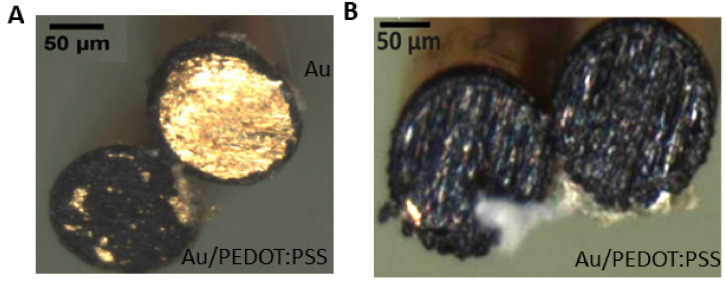 Figure 1
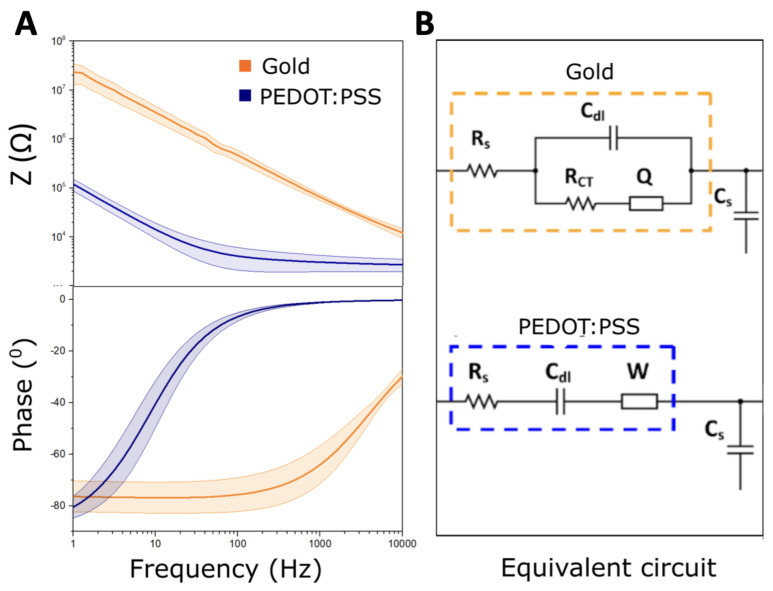 Figure 2
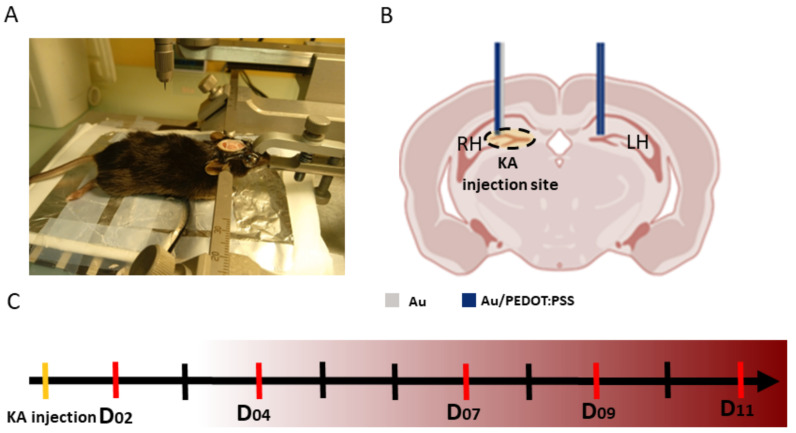 Figure 3
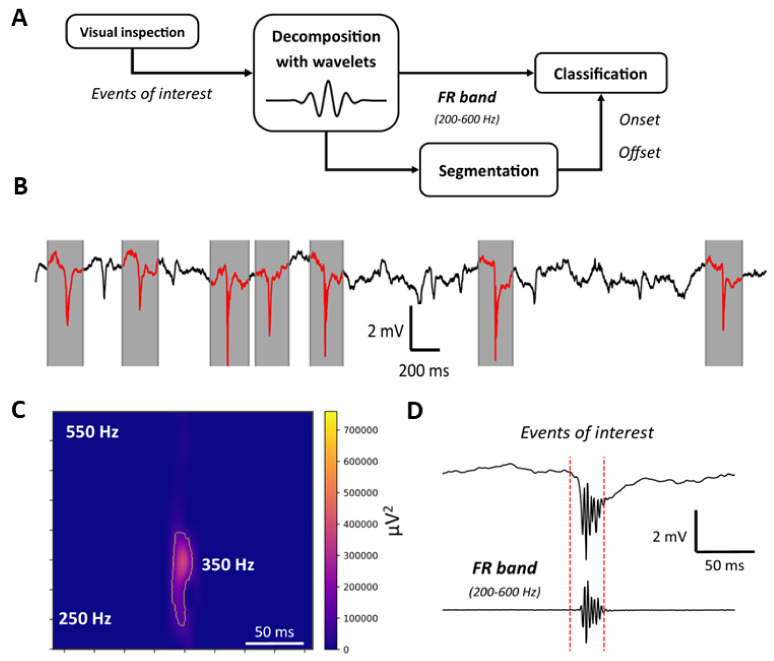 Figure 4
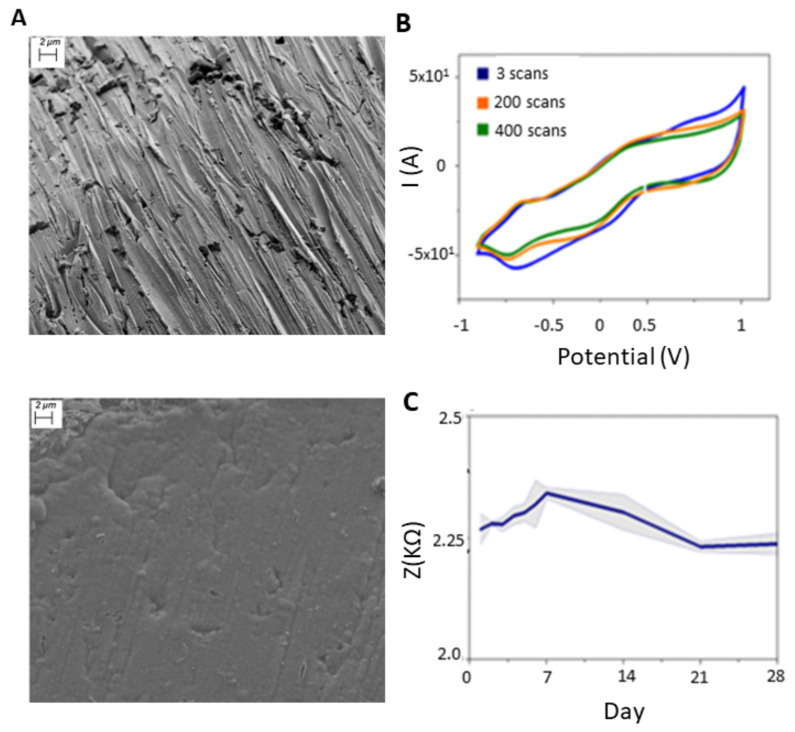 Figure 5
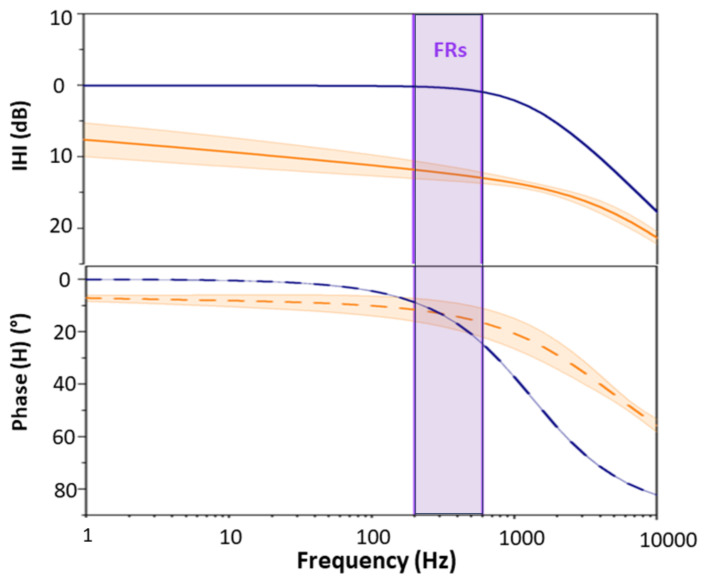 Figure 6
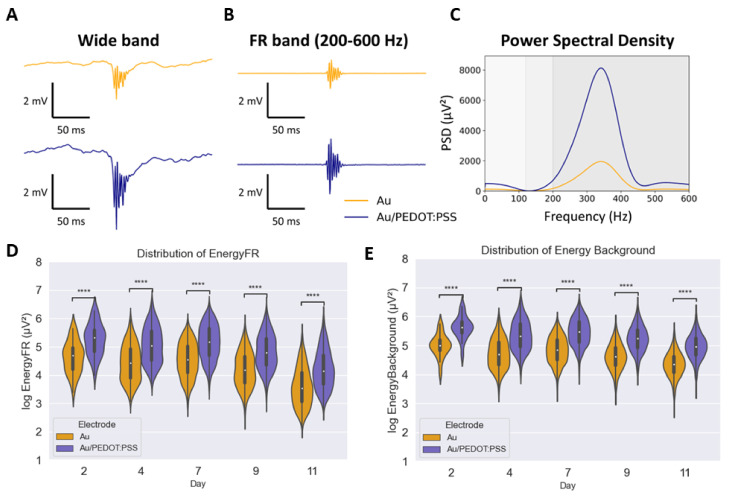 Figure 7
Peer Reviews
No public reviews on file for this paper yet. If you reviewed it on a platform where reviews are public (OpenReview, ICLR, NeurIPS, ICML), you can paste yours below so the community can read it here.
Videos
No videos yet. Explain this paper in a talk, walkthrough, or lecture? Add one.
Taxonomy
TopicsNeuroscience and Neural Engineering · Analytical Chemistry and Sensors · Advanced Sensor and Energy Harvesting Materials