Beyond the Norm: A Report of a Rare Case of Sodium Channel 8 Alpha (SCN8A) Gene-Related Epilepsy Unveiled in a Nine-Year-Old Child
Sri Sita Naga Sai Priya K, Keta Vagha, Ashish Varma, Chaitanya Kumar Javvaji, Krupa Bhanushali, Aashita Malik, Anuja Handargule

TL;DR
A nine-year-old child with SCN8A gene-related epilepsy showed persistent seizures despite multiple treatments, highlighting the need for genetic testing and personalized care.
Contribution
This paper presents a rare case of SCN8A-related epilepsy with a novel p.Phe210Ser mutation and response to topiramate.
Findings
The patient had a heterozygous SCN8A p.Phe210Ser mutation confirmed by whole exome sequencing.
Topiramate provided partial seizure relief after other antiepileptic drugs failed.
SCN8A mutations cause increased sodium channel activity and hyperexcitability, contributing to refractory epilepsy.
Abstract
Sodium channel 8 alpha (SCN8A) mutations encompass a spectrum of epilepsy phenotypes with diverse clinical manifestations, posing diagnostic challenges. We present a case of a nine-year-old male with SCN8A gene-associated developmental and epileptic encephalopathies (DEEs), characterized by generalized tonic-clonic seizures (GTCS) since infancy. Despite treatment with multiple antiepileptic drugs (AEDs), including phenytoin, valproate, levetiracetam, carbamazepine, and clobazam, seizure control remained elusive, prompting genetic testing. Whole exome sequencing confirmed a heterozygous mutation (p.Phe210Ser) in SCN8A exon 6, indicative of DEE-13. Functional studies revealed a gain-of-function mechanism in SCN8A variants, resulting in heightened ion channel activity and altered voltage dependence of activation. Despite treatment adjustments, the patient's seizures persisted until…
Genes, proteins, chemicals, diseases, species, mutations and cell lines named across the full text — each resolved to its canonical identifier and authoritative record.
Click any figure to enlarge with its caption.
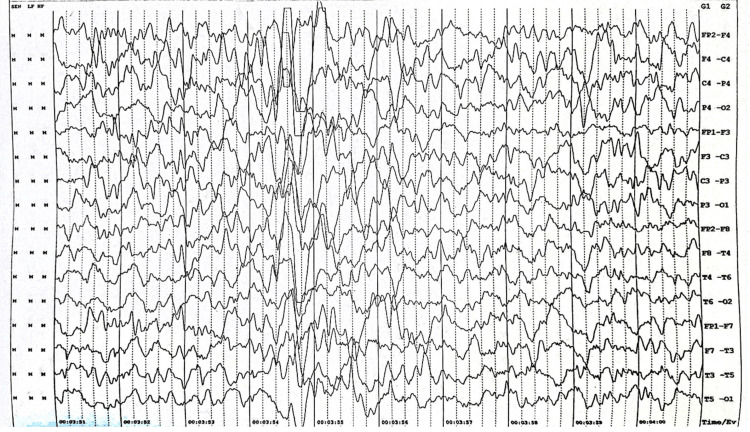 Figure 1
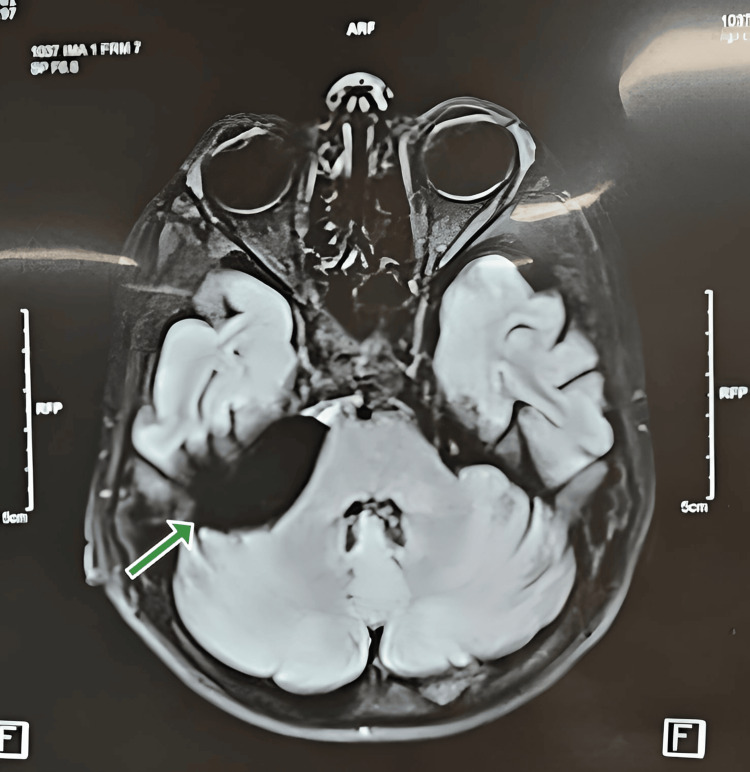 Figure 2
Peer Reviews
No public reviews on file for this paper yet. If you reviewed it on a platform where reviews are public (OpenReview, ICLR, NeurIPS, ICML), you can paste yours below so the community can read it here.
Videos
No videos yet. Explain this paper in a talk, walkthrough, or lecture? Add one.
Taxonomy
TopicsIon channel regulation and function · Cardiac electrophysiology and arrhythmias · Epilepsy research and treatment