Wide Complex Tachycardia as a Rare Pointer of Intra-aortic Balloon Pump Migration Into the Left Ventricle: A Case Report and Literature Review
Kyrillos Girgis, Desmond Aroke, Danielle Retcho, Grettel Gonzalez Garcia, Sammir S Dekowski, Rafail Beshai, Jessica Celenza-Salvatore, Fazal Ali

TL;DR
A rare case of a heart pump device migrating into the left ventricle caused dangerous heart rhythm issues in a patient with heart failure.
Contribution
This case report highlights a rare complication of axillary IABP use, specifically arrhythmia due to device migration into the left ventricle.
Findings
Axillary IABP allows ambulation in patients with cardiogenic shock.
IABP migration into the left ventricle can cause ventricular arrhythmia.
This case underscores the need for close monitoring during IABP use.
Abstract
Intra-aortic balloon pumps (IABPs) are used to assist with left ventricular (LV) unloading in patients with cardiogenic shock (CS). There are different mechanical devices that can be used in CS, of which the IABP represents the simplest, the easiest to insert and remove, and the most cost-effective. Compared to traditional femoral IABPs, axillary IABPs allow patients to remain ambulatory. This is especially beneficial in patients awaiting heart transplants. Our case presents a patient with CS, where axillary IABP was used to unload the LV. However, our patient developed ventricular arrhythmia secondary to IABP migration to the LV.
Genes, proteins, chemicals, diseases, species, mutations and cell lines named across the full text — each resolved to its canonical identifier and authoritative record.
Click any figure to enlarge with its caption.
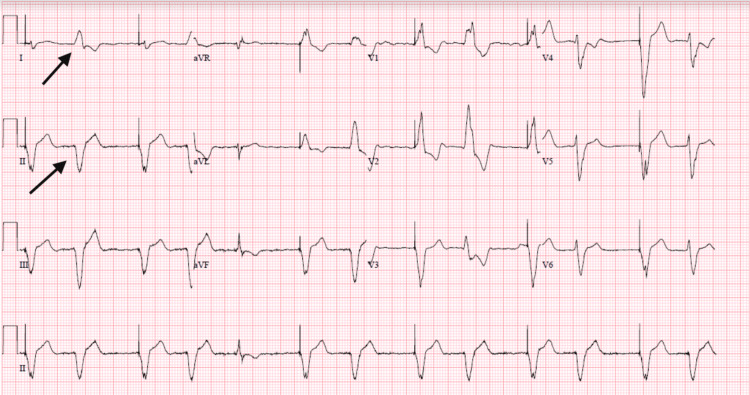 Figure 1
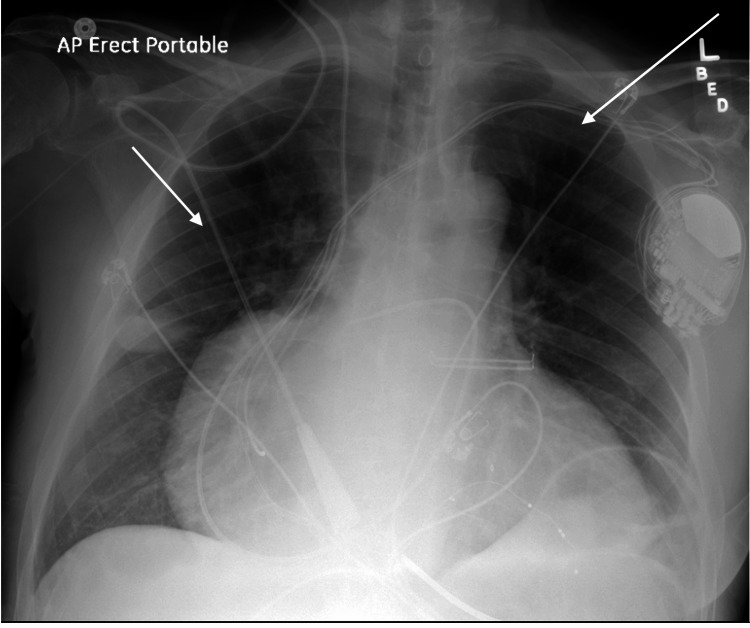 Figure 2
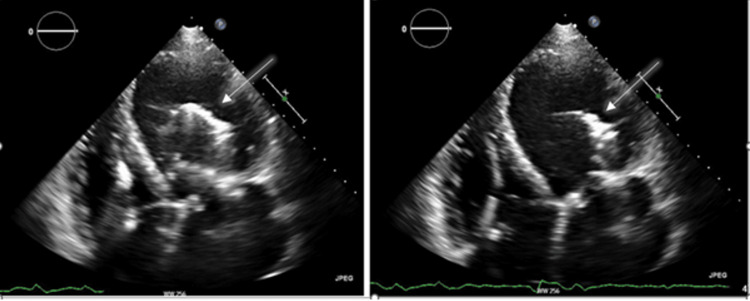 Figure 3
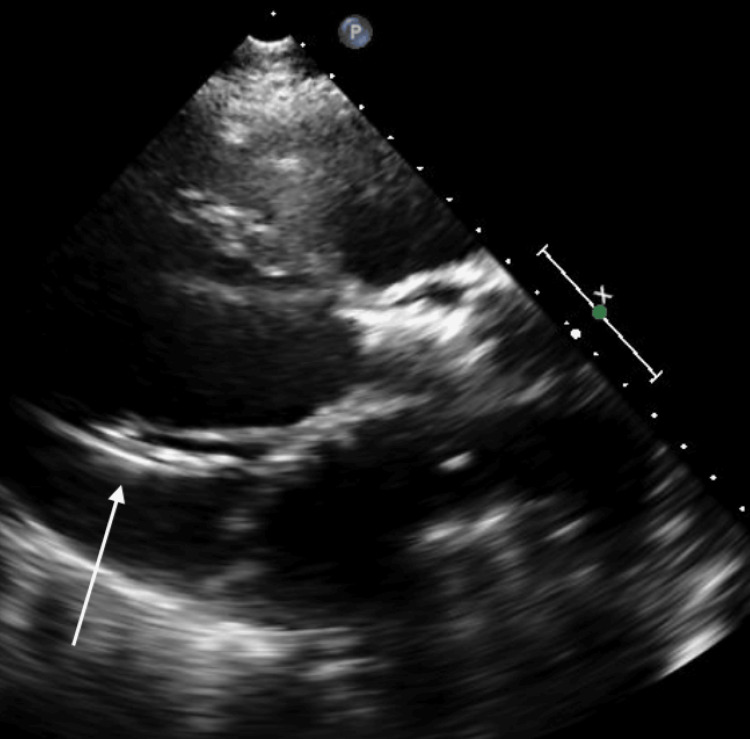 Figure 4
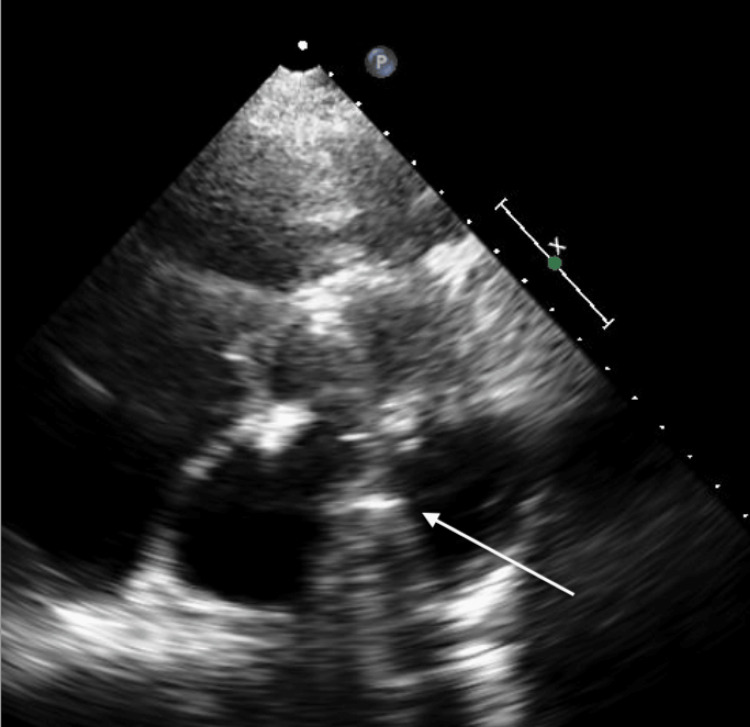 Figure 5
Peer Reviews
No public reviews on file for this paper yet. If you reviewed it on a platform where reviews are public (OpenReview, ICLR, NeurIPS, ICML), you can paste yours below so the community can read it here.
Videos
No videos yet. Explain this paper in a talk, walkthrough, or lecture? Add one.
Taxonomy
TopicsMechanical Circulatory Support Devices · Cardiac Arrhythmias and Treatments · Cardiac pacing and defibrillation studies