Computational analysis of value learning and value-driven detection of neutral faces by young and older adults
Shushi Namba, Akie Saito, Wataru Sato

TL;DR
This study explores how young and older adults learn and detect neutral faces with emotional value using computational models, revealing age-related differences in learning and perception.
Contribution
The paper introduces a novel application of hierarchical reinforcement learning and diffusion models to study age-related differences in value learning and detection of neutral faces.
Findings
Older adults showed decreased sensitivity to learning feedback compared to younger adults.
Younger adults accumulated information more efficiently and had shorter perceptual times in detection tasks.
Reward sensitivity during learning enhanced information accumulation in younger adults during visual searches.
Abstract
The rapid detection of neutral faces with emotional value plays an important role in social relationships for both young and older adults. Recent psychological studies have indicated that young adults show efficient value learning for neutral faces and the detection of “value-associated faces,” while older adults show slightly different patterns of value learning and value-based detection of neutral faces. However, the mechanisms underlying these processes remain unknown. To investigate this, we applied hierarchical reinforcement learning and diffusion models to a value learning task and value-driven detection task that involved neutral faces; the tasks were completed by young and older adults. The results for the learning task suggested that the sensitivity of learning feedback might decrease with age. In the detection task, the younger adults accumulated information more efficiently…
Genes, proteins, chemicals, diseases, species, mutations and cell lines named across the full text — each resolved to its canonical identifier and authoritative record.
Click any figure to enlarge with its caption.
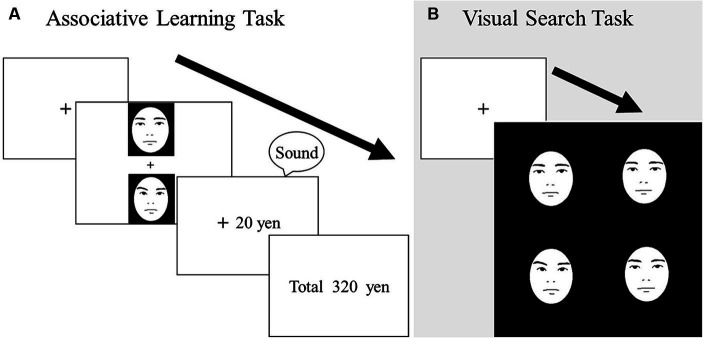 Figure 1
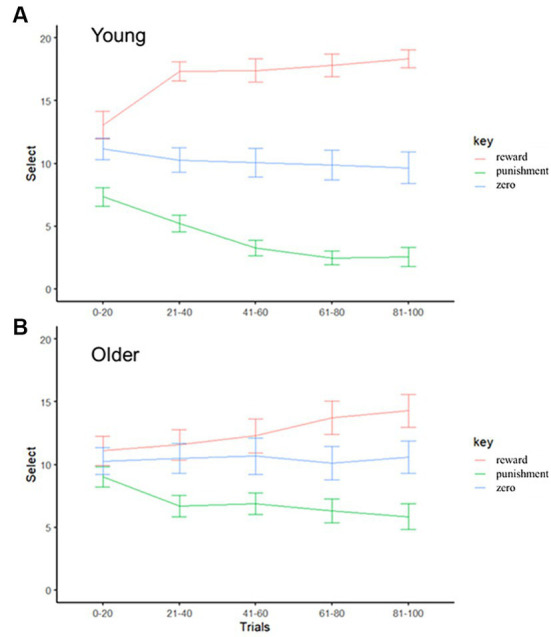 Figure 2
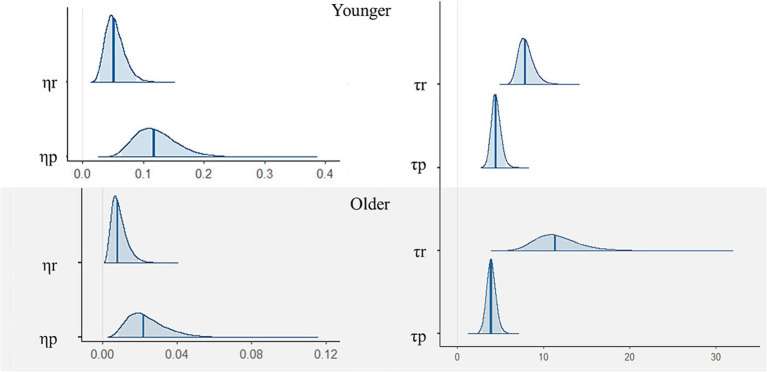 Figure 3
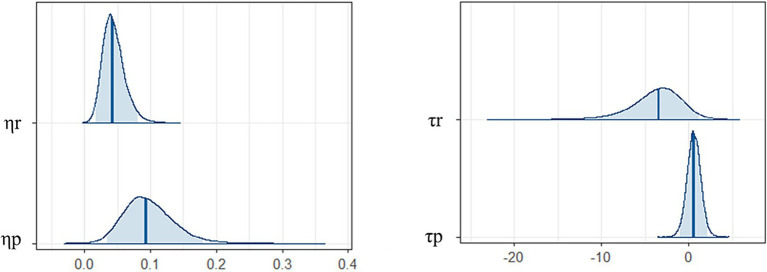 Figure 4
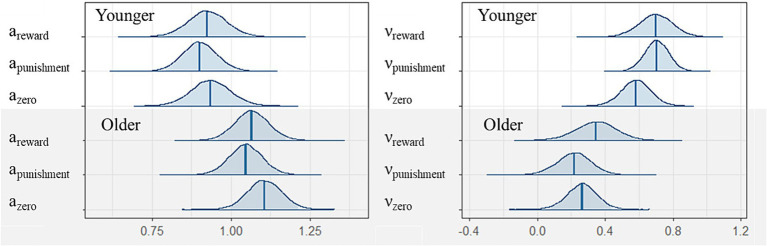 Figure 5
Peer Reviews
No public reviews on file for this paper yet. If you reviewed it on a platform where reviews are public (OpenReview, ICLR, NeurIPS, ICML), you can paste yours below so the community can read it here.
Videos
No videos yet. Explain this paper in a talk, walkthrough, or lecture? Add one.
Taxonomy
TopicsFace Recognition and Perception · Evolutionary Psychology and Human Behavior · Psychology of Moral and Emotional Judgment