Back to the future: the novel art of digital auscultation applied in a prospective observational study of critically ill Covid-19 patients
Evangelos Kaimakamis, Serafeim Kotoulas, Myrto Tzimou, Christos Karachristos, Chrysavgi Giannaki, Vassileios Kilintzis, Leandros Stefanopoulos, Evangelos Chatzis, Nikolaos Beredimas, Bruno Rocha, Diogo Pessoa, Rui Pedro Paiva, Nicos Maglaveras, Militsa Bitzani

TL;DR
This study shows that digital lung sounds can predict outcomes in critically ill Covid-19 patients, offering a new tool for ICU care.
Contribution
Digital auscultation is applied to predict ICU outcomes and survival in severe Covid-19 ARDS patients using AI and sound analytics.
Findings
Squawks in lung sounds correlate with ICU length of stay and 90-day mortality.
Minimum crackle entropy and other features significantly impact patient outcomes.
Digital auscultation data can serve as a prognostic tool for survival in ARDS patients.
Abstract
The Covid-19 pandemic has caused immense pressure on Intensive Care Units (ICU). In patients with severe ARDS due to Covid-19, respiratory mechanics are important for determining the severity of lung damage. Lung auscultation could not be used during the pandemic despite its merit. The main objective of this study was to investigate associations between lung auscultatory sound features and lung mechanical properties, length of stay (LOS) and survival, in adults with severe Covid-19 ARDS. Consecutive patients admitted to a large ICU between 2020 and 2021 (n = 173) were included. Digital stethoscopes obtained auscultatory sounds and stored them in an on-line database for replay and further processing using advanced AI techniques. Correlation and regression analysis explored relationships between digital auscultation findings and lung mechanics or the ICU outcome. The resulting annotated…
Genes, proteins, chemicals, diseases, species, mutations and cell lines named across the full text — each resolved to its canonical identifier and authoritative record.
Click any figure to enlarge with its caption.
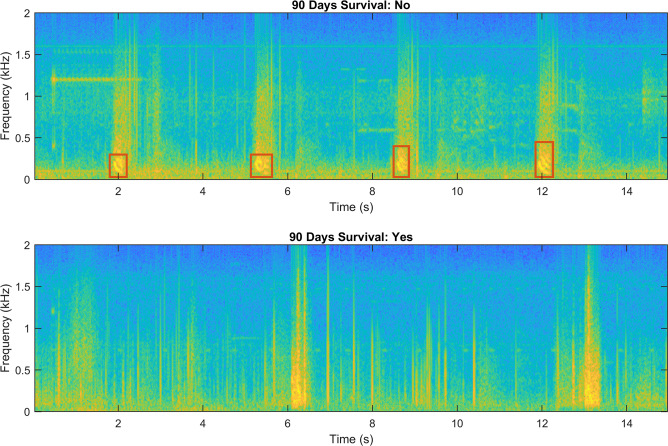 Figure 1
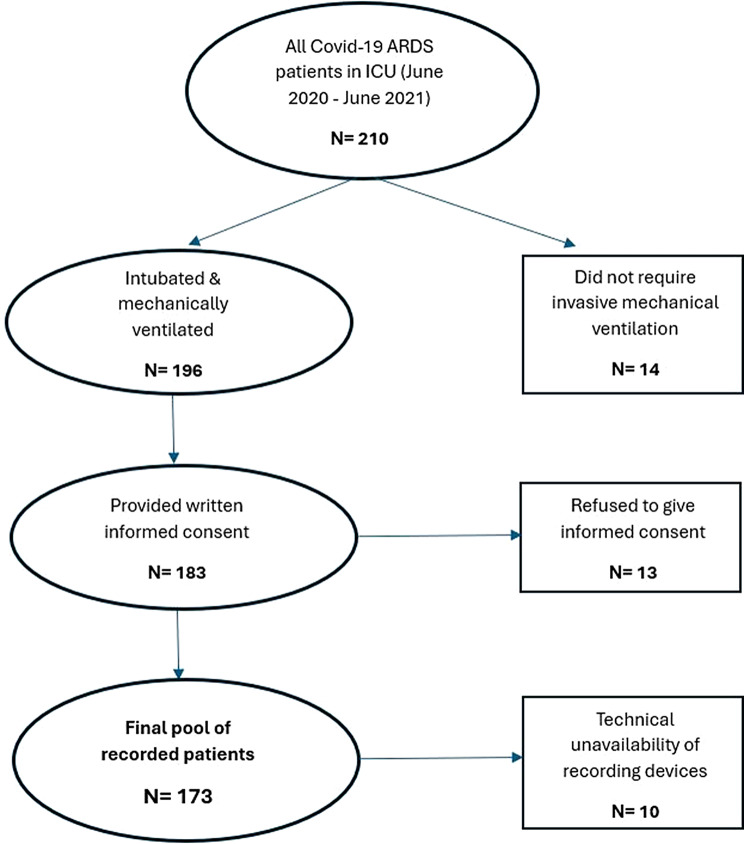 Figure 2
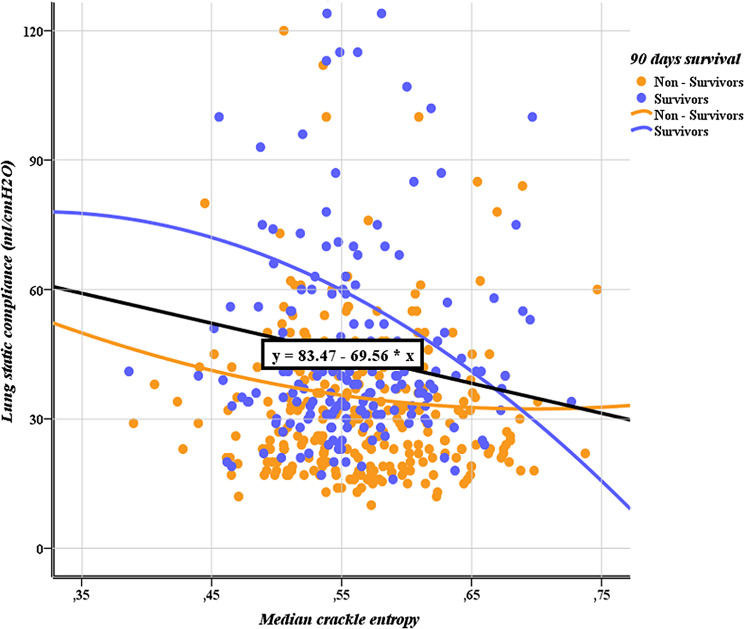 Figure 3
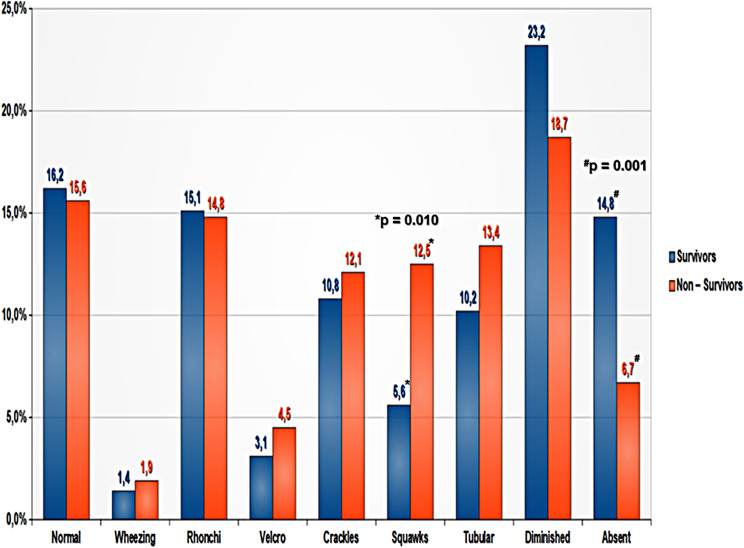 Figure 4
Peer Reviews
No public reviews on file for this paper yet. If you reviewed it on a platform where reviews are public (OpenReview, ICLR, NeurIPS, ICML), you can paste yours below so the community can read it here.
Videos
No videos yet. Explain this paper in a talk, walkthrough, or lecture? Add one.
Taxonomy
TopicsPhonocardiography and Auscultation Techniques · Music Therapy and Health · Intensive Care Unit Cognitive Disorders
Background
The Covid-19 pandemic caused by the SARS-CoV2 coronavirus has caused a major pressure on healthcare systems worldwide, with heavy burden especially for Intensive Care Units (ICU), where critically ill patients affected by the disease are hospitalized [1, 2]. These patients express the most severe forms of this multi-systematic disease, with prominent respiratory complications in the form of severe ARDS, dictating the use of invasive mechanical ventilation [3, 4]. Patients with severe ARDS due to Covid-19 seem to entertain a substantially increased risk of death compared to patients with similar symptoms due to H1N1 influenza, after adjusting for SOFA score and other risk factors [4]. This might occur because of the multi-organ insult associated with the disease. The respiratory mechanics of the affected patients play an important role in determining the severity of this insult in the lung parenchyma [5].
Numerous risk factors for adverse prognosis in severely ill patients with Covid-19 have been described in literature. Leoni et al [6] showed that age, obesity, PaO_2_/FiO_2_ ratio, SOFA score and Procalcitonin (PCT) are identifiers of higher ICU mortality. Research conducted by Gallo Marin et al. revealed that on top of the aforementioned parameters, multiple comorbidities, specific CT scan findings, end-organ dysfunction and diverse laboratory abnormalities (increased troponin, lactic dehydrogenase, d-dimer and C-reactive protein) are associated with higher mortality and disease severity [7]. Chen et al. have used metrics from respiratory mechanics as 60-day outcome predictors in ARDS patients utilizing artificial intelligence techniques [8]. Russian researchers have identified the systemic inflammatory response, coagulation disorders and arterial hypertension as risk factors for non-invasive mechanical ventilation or even tracheal intubation in Covid-19 patients [9], whereas, in a large Spanish study from 30 Intensive Care Units during the Covid-19 pandemic [10], the following risk factors led to poor outcomes: Older age, high APACHE II score, acute kidney injury (grades II and III) and presence of septic shock. Overall ICU mortality was reported at 31%. It is evident that ongoing efforts are needed to determine the most appropriate clinical parameters that predict the most adverse outcomes in this pool of patients.
On the other hand, a very practical and useful examination technique, lung auscultation, has not been used during the recent pandemic, due to concerns regarding the examiners’ safety and the burden of personal protective equipment. However, the bulk of information provided by thoracic auscultation is unique and cannot easily be compensated with other means of bedside examination methodologies. This applies for both the determination of the patient disease status and early detection of complications related to invasive mechanical ventilation [11]. Moreover, specific adventitious sounds like squawks, can be indicative of severe complicated pneumonitis or progression to interstitial fibrosis [12], both present in Covid-19 cases. Newer Artificial Intelligence – driven techniques for automatic detection and analysis of lung sounds seem able to provide a more holistic assessment of the respiratory system, enhancing the situational awareness in critically ill respiratory patients [13]. The accuracy of such algorithms is currently limited by the lack of reliable annotated, publicly available databases with auscultation recordings from Covid-19 patients in ICUs. The current databases mainly consist of cough recordings and not adventitious sounds acquisition, although the latter could lead to more robust assessment of the disease status [13], in the context of precision medicine [14, 15].
The aim of this study was to investigate whether there is an association between lung auscultatory sound features as extracted using advanced Machine Learning/ Artificial Intelligence techniques and lung mechanical properties, length of stay and survival, in adult ICU patients, hospitalized due to severe ARDS caused by SARS-CoV2. In addition, the large, unique, comprehensive and annotated lung sounds database from the recorded patients is being made freely available as supplementary material with this paper.
Methods
The protocol of this study was approved by the ethics committee of “G. Papanikolaou” General Hospital of Thessaloniki, Greece (Reference Number 42/20-05-2020), before the initiation of enrolment and a relative from each participant gave a written informed consent.
Participants were adult intubated ICU patients hospitalized due to SARS-CoV-2. Inclusion criteria were: (1) acute respiratory distress syndrome (ARDS) [3, 16, 17] and (2) positive PCR test for Covid-19 [18]. Exclusion criteria were: (1) age < 18 years and (2) non-requirement for invasive mechanical ventilation upon admission into the ICU. Since this was an original study, there were no previously published data to support a sample size calculation. Thus, all eligible patients who were admitted to the 1st ICU of the above hospital between June 2020 and June 2021 were included. All included patients suffered from severe ARDS according to the Berlin definition and were intubated prior to their entry in the ICU. At the time of the measurements all patients were still at the initial phase of critical illness, fully sedated and under controlled ventilation.
A novel, portable, ear-contact-free digital stethoscope was used to obtain the auscultatory sounds and store them in an on-line database for distant replay and further processing [19]. Respiratory sounds were obtained in auscultatory sessions. Each patient was subjected to an auscultatory session at admission and each time that the treating physician observed a significant alteration in the clinical status thereafter (significant changes in lung mechanical properties, arterial blood gases, ventilation mode, development of a new pulmonary or other infection or significant changes in the bronchial secretions, changes in pulmonary radiological findings, severe hemodynamic instability, multi-organ failure). Six auscultations, lasting 15 s each, were held in every session in pre-specified lung fields -three in each lung- namely the apex front, the base front and the base back [19]. The audio recordings were immediately sent to an Android based tablet PC via Bluetooth connectivity. The CoCross application was used in the Tablet to collect the data, assign them to a predefined patient and securely transmit them to the cloud. Additional clinical and ventilator data could be entered to the application. All input was available to the intensivists via web access in almost real time. Details about the CoCross application and its architecture are provided elsewhere [19].
Two respiratory medicine physicians separately listened to the recordings and characterized them as follows: (1) normal (supplementary audio-file 1), (2) wheezing (audio 2), (3) rhonchi (audio 3), (4) “Velcro” type fine crackles (audio 4), (5) coarse crackles (audio 5), (6) squawks (audio 6), (7) tubular (audio 7), (8) diminished (audio 8), (9) absent (audio 9), (10) pleural rub (audio 10), according to common consensus criteria for classification [12]. In cases of dissension in the original characterization (24.96% of the cases), it was solved by a third respiratory physician who was choosing the most suitable characterization -according to his opinion- between the original two. Since each recording lasted for 15 s, their characterization was done according to the dominant audible adventitious sound, as more than one such sounds could possibly be heard in this time frame. The physicians who characterized the respiratory sounds were blinded to the patients from whom those sounds originated. For each session, the percentage of the recordings which received the same characterization to the total available recordings of that session was calculated. The same calculation of the percentage of the similarly characterized recordings to the total available recordings was also done for each patient separately.
Furthermore, an audio analysis was performed. The sound analysis method used in this paper was based on the algorithm by Rocha et al [20]. Details on the feature extraction from the audio analysis are provided in a supplementary file. Figure 1 shows characteristic frequency spectrograms from a patient who survived and from one who perished 90 days after ICU admission.
Fig. 1. Frequency spectrograms from a patient who survived (below) and from one who perished (above) 90 days after ICU admission. The red squares highlight the presence of squawks as adventitious lung sounds
Another investigator, blinded to the sounds of the respiratory auscultations, recorded the characteristics of each patient (age, gender, distinct comorbidities and Charlson comorbidity index [21], acute physiology and chronic health evaluation II [APACHE II] score [22], number of auscultatory sessions per patient, number of distinct respiratory recordings per patient, total days of stay in the ICU, survival and 90-days survival). The conditions under which each auscultatory session took place, namely the patients’ day of stay in the ICU, their daily sequential organ failure assessment (SOFA) score [23], their morning values of hemoglobin, C-reactive protein (CRP) and procalcitonin, as well as the ventilation mode parameters and the arterial blood gas values of the patients at the time of the session, were also recorded, whenever available. From the ventilation mode parameters and the arterial blood gas values, the lung static compliance [5], the lung resistance [5], the oxygenation index [24] and a ventilation equilibrium as the ratio of the minute ventilation (VE) to the partial pressure of carbon dioxide in the arterial blood (PaCO_2_) in milliliters per millimeters of mercury (ml/mmHg) were also recorded or calculated.
Statistical analysis was performed using the SPSS version-20 (IBM-SPSS, Armonk, NY, USA) by a statistician blinded to the research. Continuous variables are presented as mean ± 1 standard deviation (SD) and categorical variables as number/total (%). To investigate correlations between lung mechanical properties (lung static compliance, lung resistance, oxygenation index and ventilation equilibrium) and the percentage of different breath sounds, the parameters of audio analysis, as well as the other quantitative variables of the study, per auscultatory session, a linear regression analysis was performed. The same analysis was performed in order to investigate factors that could correlate with the ICU length of stay for the patients that survived. Factors affecting survival and 90-days survival were also investigated. To perform that, chi-square was used for qualitative variables and independent-samples T-test or Mann Whitney-U test were used for parametric and non-parametric variables, respectively. Normality tests were performed using the Kolmogorov-Smirnov test. The x^2^ test was used for bivariate crosstab associations. Finally, a multivariate logistic regression analysis, using the backward likelihood ratio, was performed between survival and the variables that were statistically significant in the univariate binary logistic regression analysis. The same procedure was followed for 90-day survival. P < 0.05 was accepted as statistically significant.
Results
In a total of 173 patients, 579 auscultatory sessions were realized. Of the 3474 expected respiratory recordings (579 auscultatory sessions x 6 auscultations per session), 81 (2.33%) were unusable due to technical failures, resulting in 3393 distinct respiratory recordings. A flowchart for patient selection is shown in Fig. 2, whereas Table 1 shows the baseline characteristics of the patients’ cohort as well as the conditions under which auscultatory sessions took place. Supplementary Table 1 shows the characteristics of audio analysis for all the conducted recordings, as well as the mean value of each characteristic per patient.
Fig. 2. The flowchart for patient selection in the study
Table 1. Baseline characteristicsCharacteristicValueAge (years)65.41 ± 10.16 (Ν = 173)Genderfemale57/173 (32.9%)male116/173 (67.1%)Charlson comorbidity index3.26 ± 1.98 (Ν = 173)Comorbiditiescardiovascular^1^126/173 (72.8%)metabolic^2^78/173 (45.1%)respiratory^3^26/173 (15.0%)chronic kidney disease8/173 (4.6%)immunosuppression5/173 (2.9%)malignancy15/173 (8.7%)smoking47/173 (27.2%)obesity42/173 (24.3%)APACHE II score16.40 ± 6.39 (Ν = 173)Daily SOFA score6.01 ± 2.65 (N = 579)Hemoglobin (g/dl)10.86 ± 2.00 (N = 579)CRP (mg/dl)14.02 ± 11.42 (N = 413)PCT (ng/ml)0.80 ± 2.36 (N = 446)Number of auscultatory sessions per patient3.35 ± 3.73 (Ν = 173)Number of auscultations per patient19.61 ± 20.55 (Ν = 173)Auscultatory soundsnormal567/3393 (16.7%)wheezing86/3393 (2.5%)rhonchi481/3393 (14.2%)velcro161/3393 (4.7%)crackles417/3393 (12.3%)squawks352/3393 (10.4%)tubular367/3393 (10.8%)diminished652/3393 (19.2%)absence307/3393 (9.1%)pleural rub3/3393 (0.1%)Auscultatory sounds per patient (%)normal15.92 ± 13.69 (Ν = 173)wheezing1.61 ± 4.79 (Ν = 173)rhonchi14.93 ± 15.77 (Ν = 173)velcro3.74 ± 7.39 (Ν = 173)crackles11.35 ± 12.15 (Ν = 173)squawks8.84 ± 17.26 (Ν = 173)tubular11.69 ± 14.38 (Ν = 173)diminished21.11 ± 18.12 (Ν = 173)absence10.97 ± 16.85 (Ν = 173)pleural rub0.11 ± 1.05 (Ν = 173)Lung static compliance (ml/cmH_2_O)44.58 ± 44.99 (N = 474)Lung resistance (cmH_2_O/L/s)17.98 ± 8.00 (N = 215)Oxygenation index7.03 ± 4.10 (N = 523)Ventilation equilibrium (ml/mmHg)227.18 ± 68.01 (N = 471)SurvivalYes100/173 (57.8%)No73/173 (42.2%)Days in ICU21.09 ± 12.59 (N = 100)90-day survivalYes92/173 (53.2%)No81/173 (46.8%)N = number, APACHE II = acute physiology and chronic health evaluation II, SOFA: sequential organ failure assessment, g/dl = gram per deciliter, CRP = c reactive protein, mg/dl = milligram per deciliter, PCT = procalcitonin, ng/ml = nanogram per milliliter, ml/cmH_2_O = milliliter per centimeter of water, cmH_2_O/L/s = centimeter of water per liter per second, ml/mmHg = milliliter per millimeter of mercury, ICU = intensive care unit^1^Cardiovascular: hypertension, arrythmias, pulmonary emboli, coronary disease, valvular disease, heart failure, peripheral vascular disease^2^Metabolic: diabetes mellitus, hyperlipidemia, thyroid disease^3^Respiratory: asthma, chronic obstructive pulmonary disease, pulmonary fibrosis, obstructive sleep apnea hypopnea syndrome
Lung static compliance was positively correlated with the ICU entry day, the percentage of rhonchi sounds and the percentage of absence of breath sounds, while it was negatively correlated with the daily SOFA score and the percentage of squawks sounds. Lung resistance was positively correlated with the daily SOFA score, the day in ICU, the percentage of wheezing sounds and the squawks sounds, while it was negatively correlated with the percentage of the diminished breath sounds and the percentage of absence of breath sounds. Oxygenation index was positively correlated with the daily SOFA score, CRP, PCT, the percentage of squawks sounds and the percentage of tubular sounds, while it was negatively correlated with the percentage of rhonchi, the percentage of the diminished breath sounds and the percentage of absence of breath sounds. Finally, ventilation equilibrium was positively correlated with the ICU entry day and the percentage of rhonchi. Concerning the associations between the audio analysis parameters and the lung mechanics, static compliance was affected by median and mean crackle entropy, median spectral irregularity, maximum crackle centroid and maximum crackle harmonic ratio. A scatter plot showing the static compliance in relation to median crackle entropy for survivors and non-survivors in the ICU is depicted in Fig. 3. Oxygenation index showed associations with minimum crackle harmonic ratio, minimum spectral brightness ratio, median spectral entropy and irregularity, maximum crackle centroid and maximum crackle harmonic ratio. Resistance was associated with minimum crackle harmonic ratio, minimum spectral brightness ratio, median spectral irregularity, maximum crackle centroid and mean crackle frequency range. Finally, Ventilation Equilibrium was associated with mean crackle duration and median spectral irregularity (more details are shown at Table 2).
Fig. 3. Scatter plot showing the static compliance in relation to median crackle entropy for survivors and non-survivors in the ICU
Table 2. Factors that correlated with lung mechanic properties per auscultatory sessionFactorLung static complianceLung resistanceOxygenation indexVentilation equilibriumStandardized coefficients (r)P (Value)Standardized coefficients (r)P (Value)Standardized coefficients (r)P (Value)Standardized coefficients (r)P (Value)Daily SOFA score-0.170 < 0.001 0.370 < 0.001 0.377 < 0.001 -0.0600.19CRP (mg/dl)-0.0810.13-0.0270.730.297 < 0.001 -0.0500.35PCT (ng/ml)-0.0560.270.0230.760.101 0.042 0.0190.71Day in ICU0.117 0.011 0.319 < 0.001 -0.0230.600.223 < 0.001 Auscultatory sound: normal (%)-0.0020.97-0.1100.11-0.0370.40-0.0160.73Auscultatory sound: wheezing (%)-0.0740.110.178 0.009 0.0810.06-0.0590.20Auscultatory sound: rhonchi (%)0.137 0.003 -0.0830.22-0.111 0.011 0.107 0.020 Auscultatory sound: velcro (%)0.0400.390.1180.080.0800.07-0.0190.67Auscultatory sound: crackles (%)-0.0170.710.0170.800.0300.490.0090.85Auscultatory sound: squawks (%)-0.125 0.006 0.337 < 0.001 0.233 < 0.001 -0.0360.44Auscultatory sound: tubular (%)-0.0600.19-0.0660.340.094 0.032 0.0190.67Auscultatory sound: diminished (%)0.0540.24-0.198 0.004 -0.211 < 0.001 -0.0140.76Auscultatory sound: absence (%)0.108 0.018 -0.198 0.003 -0.143 0.001 -0.0140.76minimum crackle entropy-0.0340.470.0790.250.0180.680.0730.11minimum crackle harmonic ratio-0.0720.120.164 0.016 0.092 0.036 0.0060.89minimum spectral entropy0.0000.990.0650.350.0740.090.0160.73minimum spectral brightness 800 ratio0.0340.46-0.274 < 0.001 -0.104 0.017 0.0430.35median crackle duration (s)0.0650.160.0610.370.0260.560.124 0.007 median crackle zero-crossing rate-0.0180.70-0.1030.13-0.0490.27-0.0360.44median crackle entropy-0.107 0.021 0.0550.420.0790.07-0.0080.86median crackle harmonic ratio0.0090.850.0470.50-0.0160.72-0.0200.66median squawk zero-crossing rate-0.0260.57-0.0190.78-0.0270.55-0.0170.71median spectral entropy-0.0780.090.1190.080.100 0.023 0.0170.71median spectral irregularity0.200 < 0.001 -0.238 < 0.001 -0.222 < 0.001 0.126 0.006 maximum crackle centroid (Hz)0.095 0.039 -0.161 0.018 -0.201 < 0.001 0.0120.79maximum crackle harmonic ratio0.166 < 0.001 -0.0670.33-0.169 < 0.001 0.0150.75mean crackle frequency range (Hz)-0.0190.68-0.171 0.012 -0.0620.16-0.0460.32mean crackle entropy-0.092 0.046 0.0180.800.0570.190.0380.41mean crackle harmonic ratio0.0460.310.0350.61-0.0540.22-0.0040.92standard deviation spectral entropy-0.0530.25-0.0190.78-0.0200.65-0.0040.93CI = confidence intervals, SOFA: sequential organ failure assessment, CRP = c reactive protein, PCT = procalcitonin, ICU = intensive care unit. Bold numbers indicate statistically significant correlations
The length of stay in the ICU for the patients who survived was positively associated with the percentage of rhonchi (r = 0.225, p = 0.024) and the percentage of squawks (r = 0.275, p = 0.006), while they were negatively associated with the percentage of the diminished breath sounds (r= -0.258, p = 0.010) and the percentage of absence of breath sounds (r= -0.215, p = 0.032). In addition, further associations were revealed with median crackle duration (r= -0.24, p = 0.017) and mean crackle frequency rate (r= -0.257, p = 0.01) (Supplement Table 2).
Survival was negatively affected by the presence of chronic kidney disease, malignancy, age, Charlson comorbidity index, APACHE II score, baseline SOFA, baseline PCT, baseline oxygenation index and the percentage of squawks. It was also affected by minimum crackle entropy and median squawk zero-crossing rate (Table 3).
Table 3. Factors that affected survivalFactorNon-survivorsSurvivorsp (Value)Genderfemale21/73 (28.8%)36/100 (36.0%)0.32male52/73 (71.2%)64/100 (64.0%)Comorbiditiescardiovascular^1^56/73 (76.7%)70/100 (70.0%)0.33metabolic^2^30/73 (41.1%)48/100 (48.0%)0.37respiratory^3^11/73 (15.1%)15/100 (15.0%)0.99chronic kidney disease7/73 (9.6%)1/100 (1.0%) 0.010 immunosuppression4/73 (5.5%)1/100 (1.0%)0.16malignancy10/73 (13.7%)5/100 (5.0%) 0.045 smoking18/73 (24.7%)29/100 (29.0%)0.53obesity18/73 (24.7%)24/100 (24.0%)0.92Age (years)69.62 ± 8.6662.33 ± 10.10 < 0.001 Charlson comorbidity index4.07 ± 2.062.67 ± 1.70 < 0.001 APACHE II score18.93 ± 6.8414.55 ± 5.37 < 0.001 Baseline SOFA score6.80 ± 2.165.09 ± 2.03 < 0.001 Baseline hemoglobin (g/dl)12.03 ± 1.9011.85 ± 1.820.53Baseline CRP (mg/dl)13.63 ± 10.9413.07 ± 12.140.76Baseline PCT (ng/ml)1.02 ± 2.570.35 ± 1.15 0.043 Baseline lung static compliance (ml/cmH_2_O)35.12 ± 15.1947.23 ± 49.340.05Baseline lung resistance (cmH_2_O/L/s)15.33 ± 5.1715.65 ± 5.080.78Baseline oxygenation index7.72 ± 3.236.33 ± 3.53 0.011 Baseline ventilation equilibrium (ml/mmHg)222.04 ± 59.81217.37 ± 53.660.60Auscultatory sound: normal (%)15.89 ± 13.9615.94 ± 13.560.98Auscultatory sound: wheezing (%)1.82 ± 4.231.45 ± 5.180.63Auscultatory sound: rhonchi (%)15.15 ± 14.6514.77 ± 16.620.88Auscultatory sound: velcro (%)4.59 ± 7.733.13 ± 7.100.20Auscultatory sound: crackles (%)11.51 ± 10.4211.23 ± 10.330.88Auscultatory sound: squawks (%)12.39 ± 18.466.25 ± 15.93 0.023 Auscultatory sound: tubular (%)14.17 ± 15.169.88 ± 13.570.05Auscultatory sound: diminished (%)18.55 ± 17.9322.98 ± 18.130.11Auscultatory sound: absence (%)5.98 ± 11.6114.61 ± 19.06 0.001 minimum crackle entropy0.35 ± 0.120.31 ± 0.14 0.028 minimum crackle harmonic ratio0.13 ± 0.070.12 ± 0.090.20minimum spectral entropy0.74 ± 0.080.73 ± 0.140.49minimum spectral brightness 800 ratio0.20 ± 0.050.20 ± 0.050.42median crackle duration (s)0.03 ± 0.000.03 ± 0.010.59median crackle zero-crossing rate445.69 ± 108.17446.96 ± 138.540.95median crackle entropy0.57 ± 0.050.55 ± 0.100.09median crackle harmonic ratio0.36 ± 0.080.36 ± 0.090.81median squawk zero-crossing rate369.17 ± 121.52327.43 ± 118.50 0.025 median spectral entropy0.81 ± 0.030.79 ± 0.120.19median spectral irregularity0.24 ± 0.060.24 ± 0.060.31maximum crackle centroid (Hz)745.66 ± 158.30779.26 ± 194.380.23maximum crackle harmonic ratio0.62 ± 0.110.65 ± 0.140.14mean crackle frequency range (Hz)148.68 ± 60.32164.61 ± 68.220.11mean crackle entropy0.56 ± 0.040.54 ± 0.090.05mean crackle harmonic ratio0.36 ± 0.070.37 ± 0.090.66standard deviation spectral entropy0.04 ± 0.030.03 ± 0.030.41APACHE II = acute physiology and chronic health evaluation II, SOFA: sequential organ failure assessment, CRP = C-reactive protein, PCT = procalcitonin. Bold numbers indicate statistically significant correlations^1^Cardiovascular: hypertension, arrythmias, pulmonary emboli, coronary disease, valvular disease, heart failure, peripheral vascular disease^2^Metabolic: diabetes mellitus, hyperlipidemia, thyroid disease^3^Respiratory: asthma, chronic obstructive pulmonary disease, pulmonary fibrosis, obstructive sleep apnea hypopnea syndrome
Ninety-days survival was negatively affected by: the presence of chronic kidney disease, malignancy, age, Charlson comorbidity index, APACHE II score, baseline SOFA, baseline PCT, baseline oxygenation index and the percentage of squawks. Moreover, it was affected by median and mean crackle entropy, as well as median squawk zero-crossing rate (Table 4). Figure 4 shows a bar chart with the auscultatory sounds found in patients who survived and those who did not 90 days later (Fig. 3).
Table 4. Factors that affected 90-days survivalFactorNon-survivorsSurvivorsp (Value)Genderfemale24/81 (29.6%)33/92 (35.9%)0.38male57/81 (70.4%)59/92 (64.1%)Comorbiditiescardiovascular^1^62/81 (76.5%)64/92 (69.6%)0.30metabolic^2^38/81 (46.9%)40/92 (43.5%)0.65respiratory^3^14/81 (17.3%)12/92 (13.0%)0.44chronic kidney disease7/81 (8.6%)1/92 (1.1%) 0.026 immunosuppression4/81 (4.9%)1/92 (1.1%)0.19malignancy12/81 (14.8%)3/92 (3.3%) 0.007 smoking21/81 (25.9%)26/92 (28.3%)0.73obesity22/81 (27.2%)20/92 (21.7%)0.41Age (years)69.52 ± 8.3761.78 ± 10.25 < 0.001 Charlson comorbidity index4.16 ± 2.172.47 ± 1.39 < 0.001 APACHE II score19.12 ± 6.9014.00 ± 4.79 < 0.001 Baseline SOFA score6.78 ± 2.124.96 ± 2.01 < 0.001 Baseline hemoglobin (g/dl)12.02 ± 1.8911.85 ± 1.820.55Baseline CRP (mg/dl)13.29 ± 10.7413.32 ± 12.400.99Baseline PCT (ng/ml)1.10 ± 2.720.23 ± 0.34 0.006 Baseline lung static compliance (ml/cmH_2_O)35.70 ± 15.6747.72 ± 51.080.05Baseline lung resistance (cmH_2_O/L/s)15.32 ± 5.3615.67 ± 5.080.75Baseline oxygenation index7.56 ± 3.226.34 ± 3.59 0.025 Baseline ventilation equilibrium (ml/mmHg)221.30 ± 57.54217.67 ± 55.440.68Auscultatory sound: normal (%)15.60 ± 13.6516.20 ± 13.790.78Auscultatory sound: wheezing (%)1.86 ± 4.131.39 ± 5.320.52Auscultatory sound: rhonchi (%)14.81 ± 14.4115.04 ± 16.960.93Auscultatory sound: velcro (%)4.49 ± 7.463.08 ± 7.300.21Auscultatory sound: crackles (%)12.03 ± 10.6010.75 ± 13.400.49Auscultatory sound: squawks (%)12.49 ± 18.655.63 ± 15.34 0.010 Auscultatory sound: tubular (%)13.36 ± 14.7110.21 ± 13.990.15Auscultatory sound: diminished (%)18.74 ± 17.7423.19 ± 18.300.11Auscultatory sound: absence (%)6.65 ± 13.0414.76 ± 18.87 0.001 minimum crackle entropy0.35 ± 0.120.31 ± 0.140.06minimum crackle harmonic ratio0.13 ± 0.070.12 ± 0.090.24minimum spectral entropy0.74 ± 0.080.73 ± 0.140.46minimum spectral brightness 800 ratio0.20 ± 0.050.20 ± 0.050.59median crackle duration (s)0.03 ± 0.000.03 ± 0.010.76median crackle zero-crossing rate450.42 ± 111.81442.87 ± 138.280.70median crackle entropy0.57 ± 0.050.54 ± 0.10 0.046 median crackle harmonic ratio0.36 ± 0.070.36 ± 0.100.92median squawk zero-crossing rate372.17 ± 119.65321.10 ± 118.11 0.005 median spectral entropy0.81 ± 0.030.78 ± 0.130.09median spectral irregularity0.24 ± 0.060.24 ± 0.060.35maximum crackle centroid (Hz)754.39 ± 158.10774.44 ± 198.260.47maximum crackle harmonic ratio0.62 ± 0.110.65 ± 0.140.15mean crackle frequency range (Hz)149.67 ± 60.43165.13 ± 68.830.12mean crackle entropy0.56 ± 0.040.54 ± 0.10 0.038 mean crackle harmonic ratio0.36 ± 0.060.37 ± 0.090.70standard deviation spectral entropy0.04 ± 0.030.03 ± 0.030.19APACHE II = acute physiology and chronic health evaluation II, SOFA: sequential organ failure assessment, CRP = C-reactive protein, PCT = procalcitonin. Bold numbers indicate statistically significant correlations^1^Cardiovascular: hypertension, arrythmias, pulmonary emboli, coronary disease, valvular disease, heart failure, peripheral vascular disease^2^Metabolic: diabetes mellitus, hyperlipidemia, thyroid disease^3^Respiratory: asthma, chronic obstructive pulmonary disease, pulmonary fibrosis, obstructive sleep apnea hypopnea syndrome
Fig. 4. Bar chart with the auscultatory sounds found in patients who survived and those who did not, 90 days later
Bivariate analysis for associations between presence of certain adventitious sounds and the outcome were performed with the x^2^ test. They revealed that ICU survival was associated with the presence of squawks (x^2^ = 8.4, p = 0.004), whereas 90d survival was associated with both the presence of squawks (x^2^ = 10, p = 0.002) and “Velcro” crackles (x^2^ = 4.18, p = 0.048).
Multivariate logistic regression analysis showed that for every year of increase in age, the odds ratio of death was also increased by 1.077, p = 0.001. The same was applied for every unit of increase in the baseline SOFA score (OR = 1.328, p = 0.005) for every unit of increase in the baseline oxygenation index (OR = 1.140, p = 0.033) and for every unit of increase of minimum crackle entropy in the audio analysis (OR = 39.974, p = 0.024). Finally, for every unit of increase in the percentage of squawks breath sounds the odds ratio of death in 90 days was increased by 1.025, p = 0.034 (Table 5).
Table 5. Multivariate binary logistic regression analysis between survival and 90-days survival and the factors that were significant in the univariate analysisSurvivalFactorOR (95% CI)P (Value)Age (years)1.077 (1.032–1.124) 0.001 Heart failure (no vs. yes)2.813 (0.387–20.442)0.31Chronic kidney disease (no vs. yes)3.376 (0.335–34.045)0.30Malignancy (no vs. yes)1.355 (0.246–7.473)0.73Charlson comorbidity index1.104 (0.843–1.445)0.47APACHE II0.978 (0.891–1.074)0.65Baseline SOFA score1.328 (1.090–1.620) 0.005 Baseline PCT (ng/ml)1.066 (0.816–1.392)0.64Baseline oxygenation index1.140 (1.011–1.286) 0.033 Auscultatory sound: squawks (%)1.020 (1.000–1.040) 0.05 minimum crackle entropy39.974 (1.637–976.366) 0.024 median squawk zero-crossing rate1.001 (0.997–1.005)0.64 90-days survival
Factor
OR (95% CI)
P (Value) Age (years)1.053 (0.999–1.110) 0.05 Heart failure (no vs. yes)6.732 (0.556–81.509)0.13Chronic kidney disease (no vs. yes)0.782 (0.054–11.422)0.86Malignancy (no vs. yes)1.187 (0.177–7.943)0.86Charlson comorbidity index1.270 (0.940–1.717)0.12APACHE II0.989 (0.896–1.092)0.83Baseline SOFA score1.240 (0.996–1.544)0.06Baseline PCT (ng/ml)1.838 (0.849–3.976)0.12Baseline oxygenation index1.126 (0.995–1.274)0.06Auscultatory sound: squawks (%)1.025 (1.002–1.049) 0.034 median crackle entropy0.172 (0.000–1532353.917)0.83median squawk zero-crossing rate1.002 (0.998–1.006)0.25mean crackle entropy0.939 (44722.225–2,129,163,370) 0.05 OR = odds ratio, CI = confidence intervals, vs. = versus, APACHE II = acute physiology and chronic health evaluation II, SOFA: sequential organ failure assessment, PCT = procalcitonin
The database derived by this study with the obtained respiratory sound recordings and X-ray images can be found in the following link to a public repository https://figshare.com/s/e5af036d5ca46150eac4. The data is organized by subject.
Discussion
In this paper, a novel method of obtaining and analyzing auscultation sounds from critically ill Covid-19 patients was presented. The new methodology involves digital recording of lung sounds and proper utilization of auditory analysis algorithms in order to retrieve diagnostic indices from severely affected patients. In the study population, respiratory mechanics presented strong associations with various adventitious sounds, whereas the lung sound analytics and the presence of certain adventitious sounds were well associated with the ICU survival and the 90-days survival. To the best of our knowledge, this is the first effort correlating specific elements from lung auscultation with the outcome in critically ill Covid-19 patients. It is also accompanied by the first publicly available dataset with lung sounds from severely ill Covid-19 patients in an ICU environment. The value of such unique and new databases is profound, since they can help researchers to refine automated analysis of the condition of the lung mechanics and provide better support and educational material to the clinicians in complex situations. This concept is in alignment with the notion of personalized medicine, which is in turn considered crucial for better management of critically ill patients in many disease patterns and especially Covid-19 [14]. So far, researchers have delivered expert systems for diagnosis of Covid-19 based on remote breath and cough analysis [25, 26], but none of them was focused on critically ill patients under mechanical ventilation. Optimal computational analysis of lung sounds using tools like convolutional neural networks or support vector machines, may lead to more precise diagnoses and assessments of lung mechanics [12, 27]. In the near future, utilization of supplementary point-of-care tools like Electrical Impedance Tomography (EIT) and lung ultrasound, coupled with other assessments of macro-respiratory mechanics and regional lung expansion (like the ones provided by lung auscultation) can offer personalized management of severe ARDS [28, 29]. It is also mentioned that protective lung ventilation in severe ARDS can be achieved through closed-loop ventilator modes assisted by lung sounds [30], another proof that lung auscultation still plays an important role in clinical management of critically ill patients in the ICU.
Regarding other noteworthy findings, the presence of squawks was associated with the ICU length of stay, but also with the ICU and the 28-day mortality. This signifies the important role of lung auscultation in assessing the severity of the lung insult and necessitates the recognition of specific adventitious sounds that may indicate unfavorable progression of the disease. It seems that squawks are clear indicators of severe lung damage and/or initiation of the fibrotic state of severe ARDS, either as a process through the disease pathway [31] or as a consequence of mechanical ventilation [32]. Diminished or absent lung sounds were also helpful in determining the most severe cases of lung insult in our study. This is important, since early identification of respiratory complications is essential in order to modify the ventilation settings and avoid irreversible lung damage, in view of the fact that Covid-19 patients who had milder lung complications had better survival rates and satisfactory quality of life one year after discharge from the ICU [27]. In this context, proper identification of the key prognostic factors for better ICU outcome is paramount, as it will allow the design of interventions to improve outcomes and effectively allocate the scarce resources [7].
Apart from the presence of squawks, other features (namely age, the initial SOFA score, the oxygenation index upon ICU admission and the minimum crackle entropy) had a significant impact on ICU survival. The additional features that affected the 90-d survival were age and the mean crackle entropy, as revealed by the multivariate logistic regression. Interestingly, specific spectral features of the crackles adventitious sounds can serve as prognostic factors for survival, highlighting the importance of proper auscultation in these patients. Concerning the rest of the parameters that affected survival, our study is in agreement with other researchers who have revealed that age, SOFA, oxygenation index did play a role in predicting the ICU survival [6, 7]. These researchers have also shown that comorbid conditions and PCT affect survival, features that were also found to correlate with survival in our cohort, although they did not seem to reach adequate significance level in multivariate analysis.
It is worth noticing that 90-days survival was only affected by age and certain adventitious sounds, which deems necessary to further explore the association of such auscultation findings with the underlying respiratory mechanics in ARDS patients. In our study, spectral sound features were associated with respiratory mechanics, though the latter did not correlate well with survival, a finding which is in disagreement with some published studies [8]. Statistically significant associations were found between various spectral sound features and static respiratory compliance and resistance. These associations included both the oxygen and the carbon dioxide exchange, as depicted by correlations with oxygenation index and ventilation equilibrium. Despite the lack of direct link between conventionally measured respiratory dynamics and the outcome in severely ill patients, such connections are found between the outcome and various auscultation sounds and parameters. This is an indication of the importance of auscultatory findings for proper assessment of the respiratory system in critically ill patients and rings a bell for the tendency to refrain from this traditional form of clinical examination in favor of “contemporary” examination modalities. The art of precise auscultation can now be aided by technology to allow performing of this important intervention even in restricted environments and moreover, expand its potential by automated extraction of extra features from lung sounds, like spectral parameters and more. Also, alternative models of repetitive data interpretation, like General Linear Models (GLM) could facilitate deeper insight into the desired associations.
Among the weaknesses of the study is its monocentric nature and the fact that there was a small number of patients with only one sound recording conducted, a fact that may limit its capability to correctly associate all the sound features with the lung mechanics and the measured outcomes. In addition, due to the observational nature of the study, sample size calculation was not performed. This is considered an exploratory analysis; thus, its conclusions are of relatively limited power and require further experiments in larger sample sizes.
On the other hand, another aspect of chest sounds recording is the simultaneous recording of heart sounds and murmurs which could give valuable insight into the heart complications during the Covid-19 pandemic. The disease is known to affect the heart and occasionally lead to myocardial injury that may have various clinical presentations, it is overall associated with high rates of complications and mortality and possible long-term cardiac impairments in survivors. Both pathophysiological mechanisms and long-term evolution of survivors still deserve further investigations with solutions like CoCross [33]. Further analysis of the obtained heart sounds from our study is ongoing.
For the future, the CoCross application could be utilized to perform a clinical clustering of Covid-19 cases for optimal monitoring and management of Post-Acute Covid-19 Syndrome (PACS), which is very common in patients hospitalized in Intensive Care settings because of the disease. Ravaglia et al. have proposed three distinct clusters of such patients, namely chronic fibrosing, those with acute/subacute lung injury and those with vascular changes [34]. The description of these clusters implies that there will be unique auscultation findings in each of these groups, enabling applications like CoCross to effectively categorize the patients and provide targeted monitoring solutions. Other researchers have confirmed that more than one-third of patients present persistent interstitial lung abnormalities 2 years after Covid-19 infection, which are associated with respiratory symptoms [34]. These cases could benefit from remote monitoring applications utilizing lung auscultation and automated analysis techniques for more effective and meaningful clinical assessment.
Conclusion
The type and spectral features of adventitious lung sounds can serve as prognostic factors for survival in Covid-19 ARDS. Digital auscultation has proved to be feasible & beneficial in critically ill patients with ARDS, even in confined conditions with extra protective equipment. This study was the first effort which successfully associated specific traits from lung auscultation with the outcome in critically ill Covid-19 patients. It is also accompanied by the first publicly available dataset with lung sounds from severely ill Covid-19 patients in an ICU environment.
Electronic supplementary material
Below is the link to the electronic supplementary material.
Supplementary Material 1
Supplementary Material 2
Supplementary Material 3
Supplementary Material 4
Supplementary Material 5
Supplementary Material 6
Supplementary Material 7
Supplementary Material 8
Supplementary Material 9
Supplementary Material 10
Supplementary Material 11
Supplementary Material 12
The reference list from the paper itself. Each links out to its DOI / PubMed record.
- 1Armstrong RA Kane AD Kursumovic E Oglesby FC Cook TM Mortality in patients admitted to intensive care with COVID-19: an updated systematic review and meta-analysis of observational studies Anaesthesia 20217645374810.1111/anae.1542533525063 PMC 8013495 · doi ↗ · pubmed ↗
- 2Serafim RB Povoa P Souza-Dantas V Kalil AC Salluh JIF Clinical course and outcomes of critically ill patients with COVID-19 infection: a systematic review Clin Microbiol Infect 2021271475410.1016/j.cmi.2020.10.01733190794 PMC 7582054 · doi ↗ · pubmed ↗
- 3Bernard GR, Artigas A, Brigham KL, Carlet J, Falke K, Hudson L, Lamy M, Le Gall JR, Morris A, Spragg R. Report of the American-European consensus conference on ARDS: definitions, mechanisms, relevant outcomes and clinical trial coordination. The Consensus Committee. Intensive Care Med 1994, 20(3):225–232.10.1007/BF 017047078014293 · doi ↗ · pubmed ↗
- 4Hernandez-Cardenas C Lugo-Goytia G Hernandez-Garcia D Perez-Padilla R Comparison of the clinical characteristics and mortality in acute respiratory distress syndrome due to COVID-19 versus due to Influenza A-H 1N 1pdm 09Med Intensiva (Engl Ed)2022466345710.1016/j.medin.2021.05.01435688579 PMC 9172159 · doi ↗ · pubmed ↗
- 5Hess DR Respiratory mechanics in mechanically ventilated patients Respir Care 2014591117739410.4187/respcare.0341025336536 · doi ↗ · pubmed ↗
- 6Leoni MLG Lombardelli L Colombi D Bignami EG Pergolotti B Repetti F Villani M Bellini V Rossi T Halasz G Prediction of 28-day mortality in critically ill patients with COVID-19: development and internal validation of a clinical prediction model P Lo S ONE 2021167 e 025455010.1371/journal.pone.025455034255793 PMC 8277063 · doi ↗ · pubmed ↗
- 7Gallo Marin B Aghagoli G Lavine K Yang L Siff EJ Chiang SS Salazar-Mather TP Dumenco L Savaria MC Aung SN Predictors of COVID-19 severity: a literature review Rev Med Virol 202131111010.1002/rmv.214632845042 PMC 7855377 · doi ↗ · pubmed ↗
- 8Chen L Grieco DL Beloncle F Chen GQ Tiribelli N Madotto F Fredes S Lu C Antonelli M Mercat A Partition of respiratory mechanics in patients with acute respiratory distress syndrome and association with outcome: a multicentre clinical study Intensive Care Med 20224878889810.1007/s 00134-022-06724-y 35670818 PMC 9171739 · doi ↗ · pubmed ↗