The omega-3 postbiotic trans-10-cis-15-octadecadienoic acid attenuates contact hypersensitivity in mice through downregulation of vascular endothelial growth factor A
Azusa Saika, Takahiro Nagatake, Shigenobu Kishino, Nahoko Kitamura, Tetsuya Honda, Koji Hosomi, Prabha Tiwari, Eri Node, Soichiro Kawai, Saki Kondo, Kei Ishida, Kenji Kabashima, Jun Ogawa, Jun Kunisawa

TL;DR
A postbiotic from omega-3 fatty acids reduces skin inflammation in mice by lowering a key blood vessel growth factor.
Contribution
Identified t10,c15-18:2 as a novel postbiotic that reduces contact hypersensitivity via VEGF-A suppression.
Findings
t10,c15-18:2 reduced ear swelling and edema in mice with contact hypersensitivity.
t10,c15-18:2 suppresses VEGF-A release from keratinocytes, reducing vascular permeability.
Retinoid X receptor mediates the anti-inflammatory effects of t10,c15-18:2.
Abstract
Intestinal bacteria metabolize dietary substances to produce bioactive postbiotics, among which some are recognized for their role in promoting host health. We here explored the postbiotic potential of two omega-3 α-linolenic acid–derived metabolites: trans-10-cis-15-octadecadienoic acid (t10,c15-18:2) and cis-9-cis-15-octadecadienoic acid (c9,c15-18:2). Dietary intake of lipids rich in omega-3 α-linolenic acid elevated levels of t10,c15-18:2 and c9,c15-18:2 in the serum and feces of mice, an effect dependent on the presence of intestinal bacteria. Notably, t10,c15-18:2 mitigated skin inflammation in mice that became hypersensitive after exposure to 2,4-dinitrofluorobenzene, an experimental model for allergic contact dermatitis. In particular, t10,c15-18:2—but not c9,c15-18:2—attenuated ear swelling and edema, characteristic symptoms of contact hypersensitivity. The anti-inflammatory…
Genes, proteins, chemicals, diseases, species, mutations and cell lines named across the full text — each resolved to its canonical identifier and authoritative record.
Click any figure to enlarge with its caption.
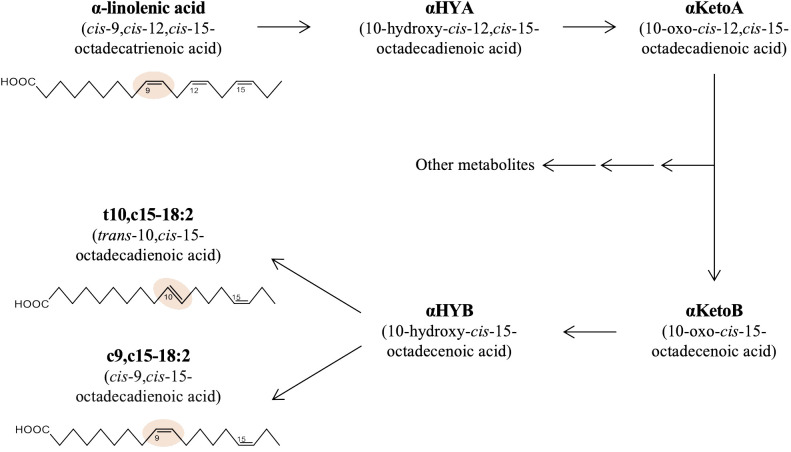 Figure 1
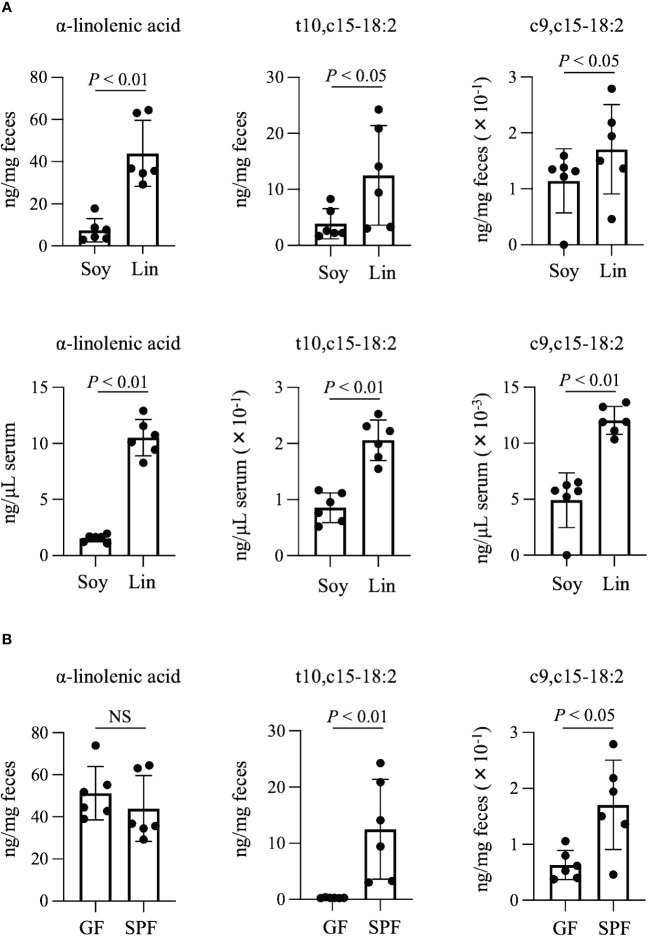 Figure 2
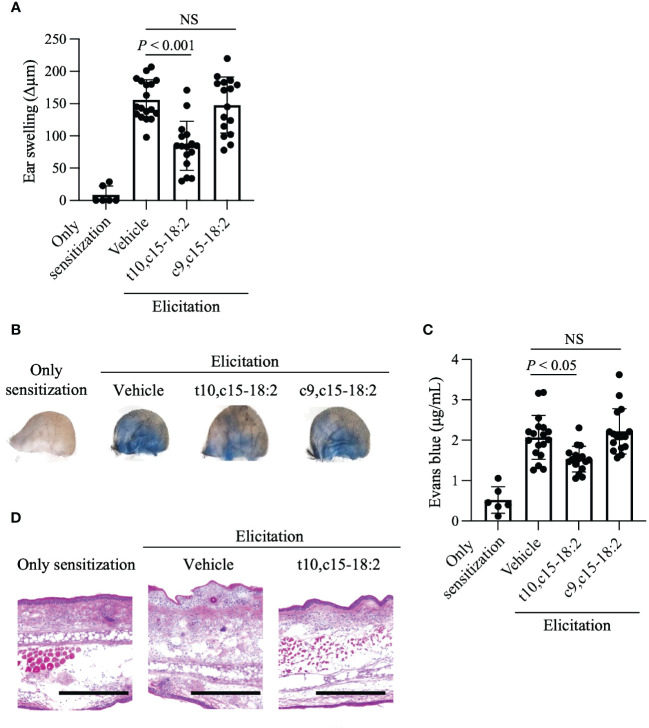 Figure 3
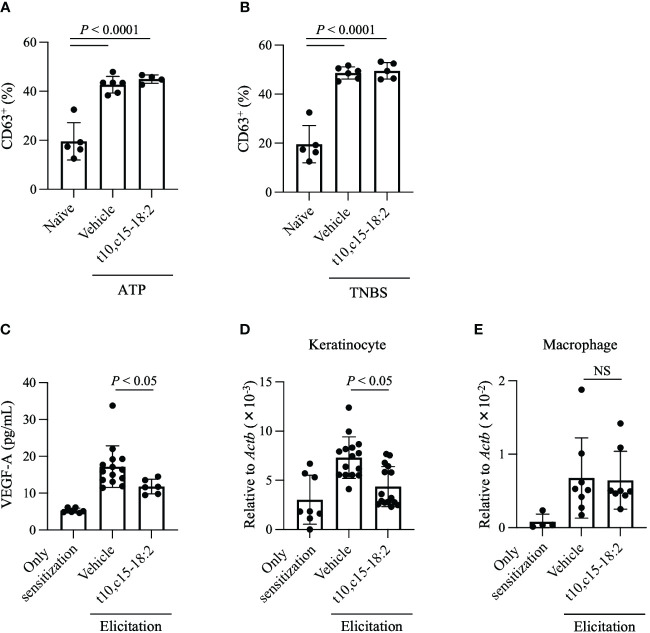 Figure 4
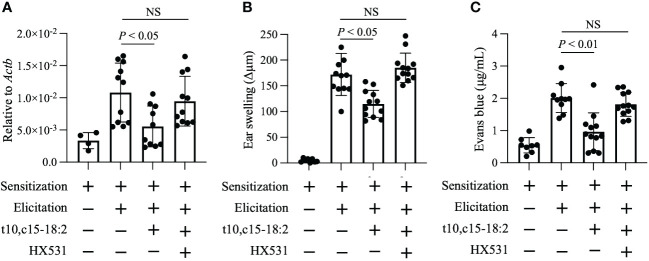 Figure 5
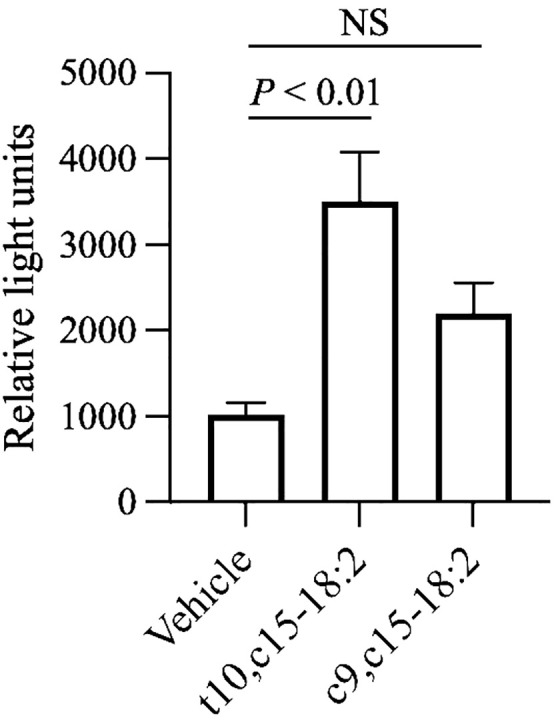 Figure 6
Peer Reviews
No public reviews on file for this paper yet. If you reviewed it on a platform where reviews are public (OpenReview, ICLR, NeurIPS, ICML), you can paste yours below so the community can read it here.
Videos
No videos yet. Explain this paper in a talk, walkthrough, or lecture? Add one.
Taxonomy
TopicsDermatology and Skin Diseases · Asthma and respiratory diseases · Skin Protection and Aging