Effect of transportation distance and lairage time on selected behaviors and carcass parameters in zebu cattle—a study using the animal focal sampling method
Welligton Conceição da Silva, Amauri Gouveia Júnior, Manoel Soares Damasceno Neto, Luciano Fernandes Sousa, Antônio Vinícius Correa Barbosa, Éder Bruno Rebelo da Silva, Maria Roseane Pereira dos Santos, José de Brito Lourenço-Júnior, Raimundo Nonato Colares Camargo Júnior

TL;DR
This study found that zebu cattle transported short distances show more aggressive behaviors and meat quality issues compared to those transported longer distances.
Contribution
The study introduces behavioral analysis using the focal animal technique to assess transport effects on zebu cattle welfare and meat quality.
Findings
Short-distance transported cattle showed more aggressive behaviors like headbutting and chasing.
Long-distance transport was associated with fewer carcass injuries and less drastic pH changes in meat.
Lairage time reduced aggressive behaviors over time, especially in short-distance transported cattle.
Abstract
The objective of this study was to evaluate the effect of the transport distance and lairage time on behavioral indicators of zebu beef cattle in the resting pen of a slaughterhouse using the focal animal technique. Eight lots of male zebu cattle, Nelore, aged approximately 4 years old, weighing on average 500 ± 28.5 kg-1, from different municipalities, transported by land, were evaluated. The lots were grouped into two categories: short distance (> 500 km) and long distance (> 500 km). Five focal animals per evaluated lot were used in each cycle of behavior observation, randomly chosen, and visually identified. The animal focal sampling method was used, with instantaneous recording, every 5 min per animal/h. A video camera was used and placed at a fixed point in the corral. After slaughtering, bruises and carcass pH were evaluated. The respiratory rate (RR) was measured in two moments,…
Genes, proteins, chemicals, diseases, species, mutations and cell lines named across the full text — each resolved to its canonical identifier and authoritative record.
Click any figure to enlarge with its caption.
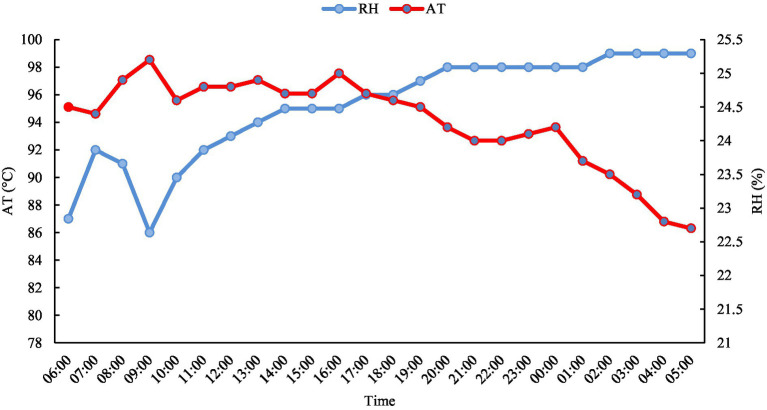 Figure 1
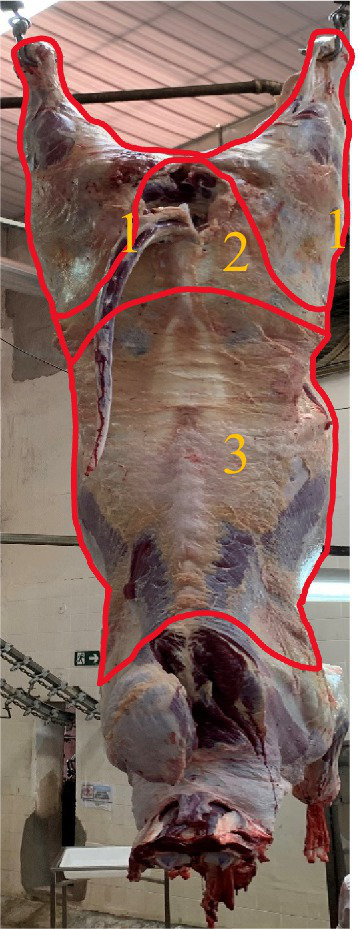 Figure 2
Peer Reviews
No public reviews on file for this paper yet. If you reviewed it on a platform where reviews are public (OpenReview, ICLR, NeurIPS, ICML), you can paste yours below so the community can read it here.
Videos
No videos yet. Explain this paper in a talk, walkthrough, or lecture? Add one.
Taxonomy
TopicsBuilding Energy and Comfort Optimization