Multiple subcutaneous abscesses by Corynebacterium amycolatum in a patient with severe idiopathic aplastic anaemia
Yuka Shintani, Ayano Fukushima‐Nomura, Takeru Funakoshi, Masatoshi Sakurai, Jun Kato, Masahiro Fukuyama, Toyoko Inazumi, Kiyofumi Ohkusu, Hayato Takahashi

TL;DR
A patient with a weakened immune system developed severe skin abscesses caused by Corynebacterium amycolatum, a bacterium often overlooked in infections.
Contribution
The study reports a rare case highlighting C. amycolatum as a significant pathogen in immunocompromised individuals.
Findings
Corynebacterium amycolatum was identified as the causative agent of multiple subcutaneous abscesses in a patient with severe neutropenia.
The case emphasizes the importance of genotyping for accurate identification of C. amycolatum in clinical settings.
Abstract
Corynebacterium amycolatum is a part of the normal skin flora and has been underestimated as a pathogen. However, in recent years, the species has gained recognition as an important pathogen causing severe infections, particularly in immunocompromised patients. Nevertheless, identifying these organisms at the species level is difficult in routine clinical microbiology, leading to limited knowledge of their clinical manifestations in infectious diseases. In this study, we report a rare case of multiple subcutaneous abscesses in a patient with severe neutropenia, wherein C.amycolatum was identified as the causative organism through genotyping tests. This case highlights the importance of this organism as an aetiological agent of severe skin infections in patients with compromised immune systems. This manuscript presents a rare case report of a patient with severe idiopathic aplastic…
Genes, proteins, chemicals, diseases, species, mutations and cell lines named across the full text — each resolved to its canonical identifier and authoritative record.
Click any figure to enlarge with its caption.
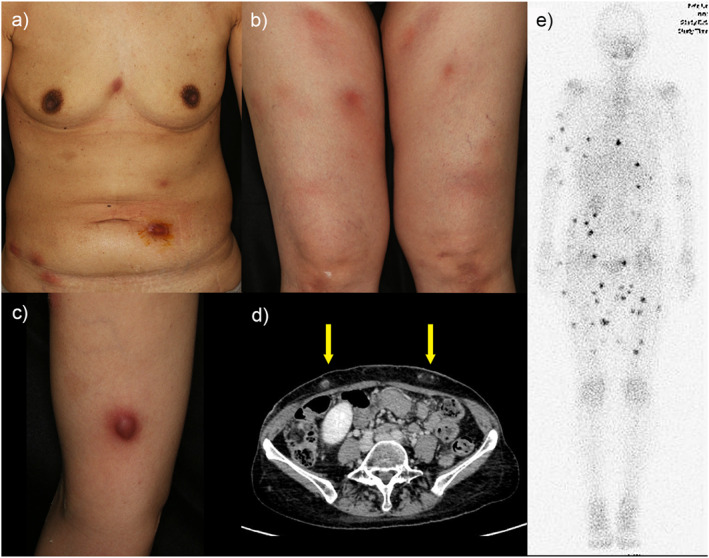 Figure 1
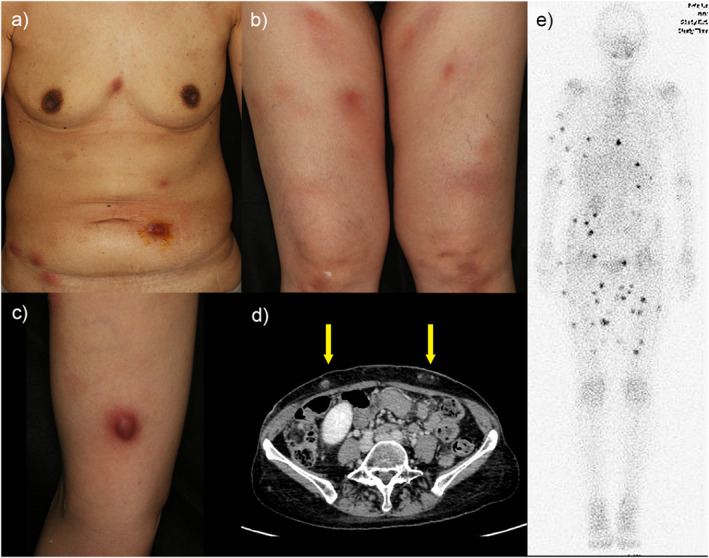 Figure 2
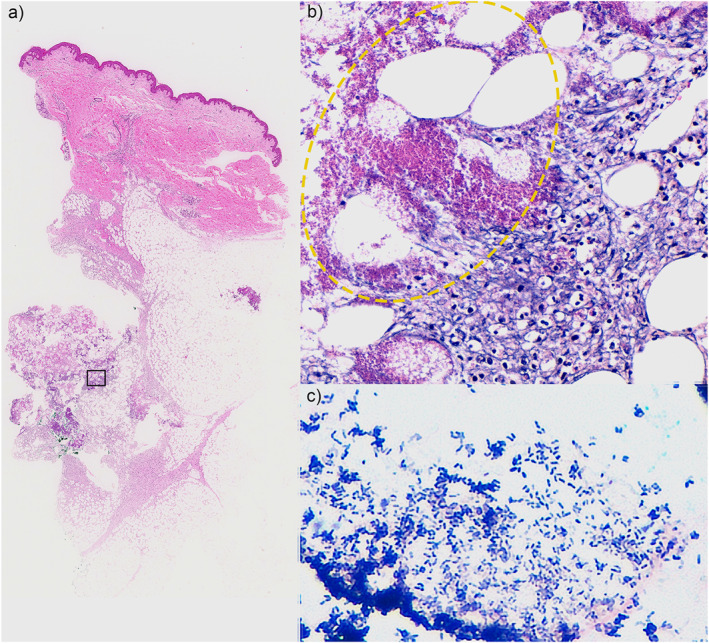 Figure 3
Peer Reviews
No public reviews on file for this paper yet. If you reviewed it on a platform where reviews are public (OpenReview, ICLR, NeurIPS, ICML), you can paste yours below so the community can read it here.
Videos
No videos yet. Explain this paper in a talk, walkthrough, or lecture? Add one.
Taxonomy
TopicsDiphtheria, Corynebacterium, and Tetanus · Streptococcal Infections and Treatments · Mycobacterium research and diagnosis