Wood's light as a noval diagnostic tool in aquagenic keratoderma
Fares A. Alkhayal, Abdullah M. AlMuqrin

TL;DR
This paper introduces Wood's light as a new tool for diagnosing aquagenic keratoderma, a skin condition that causes excessive wrinkling and papules after water exposure.
Contribution
The paper presents the first reported use of Wood's light as a diagnostic tool for aquagenic keratoderma.
Findings
Wood's light can be used as a bedside tool to aid in diagnosing aquagenic keratoderma.
This is the first documented case of using Wood's light for this specific skin condition.
Abstract
Aquagenic keratoderma, also known as aquagenic wrinkling of the palms, transient reactive papulotranslucent acrokeratoderma, or transient aquagenic hyper‐wrinkling, is an uncommon disorder that affects the palms and occasionally the soles. It presents with translucent whitish to yellowish papules and increased wrinkling upon water exposure. The frequency of this condition is yet to be determined among the general population. However, it is frequently observed in patients among patients with cystic fibrosis or carriers of the cystic fibrosis gene, with frequency estimated to be up to 41%. In this paper, we report the utility and novelty of Wood's light as a bedside adjunct tool to aid in diagnosing aquagenic keratoderma. To our knowledge, this is the first case reporting the use of Wood's light in diagnosing aquagenic keratoderma. In this paper, we report the utility and novelty of…
Genes, proteins, chemicals, diseases, species, mutations and cell lines named across the full text — each resolved to its canonical identifier and authoritative record.
Click any figure to enlarge with its caption.
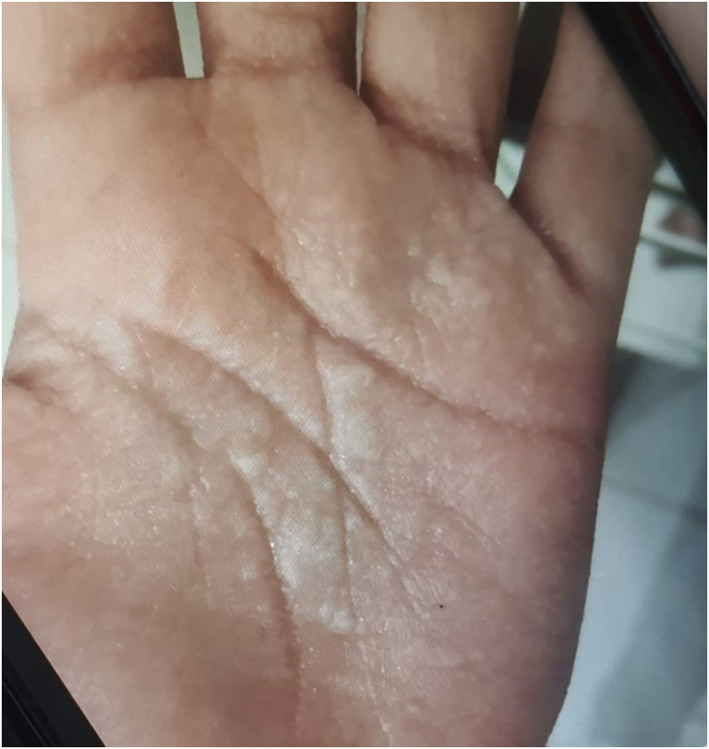 Figure 1
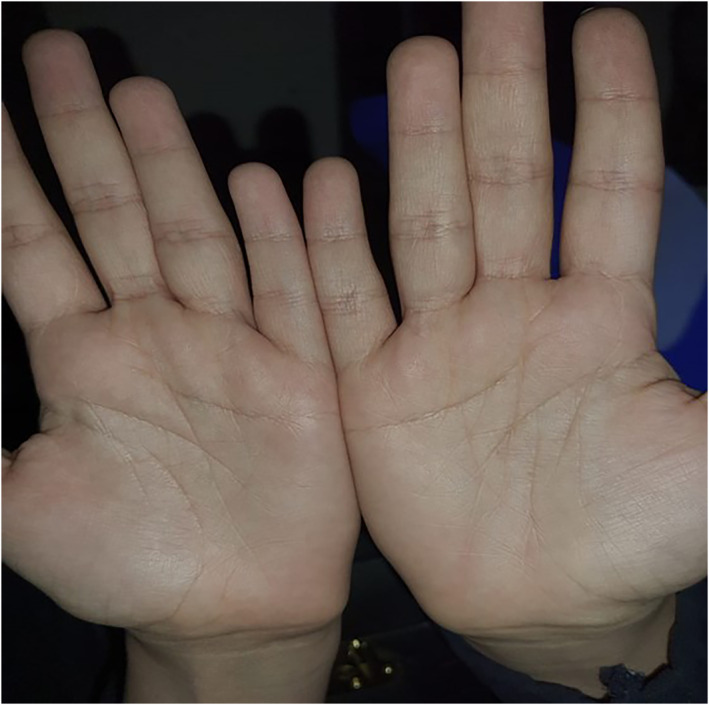 Figure 2
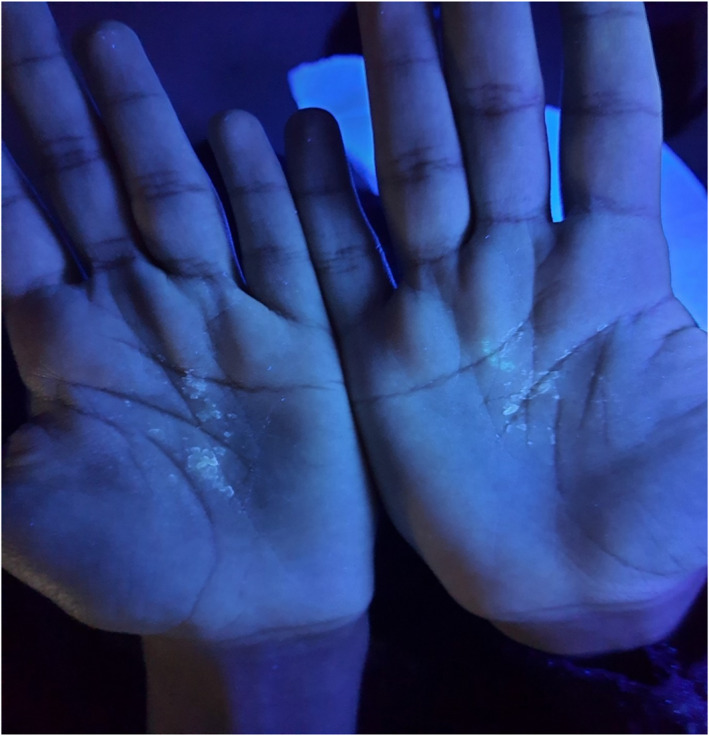 Figure 3
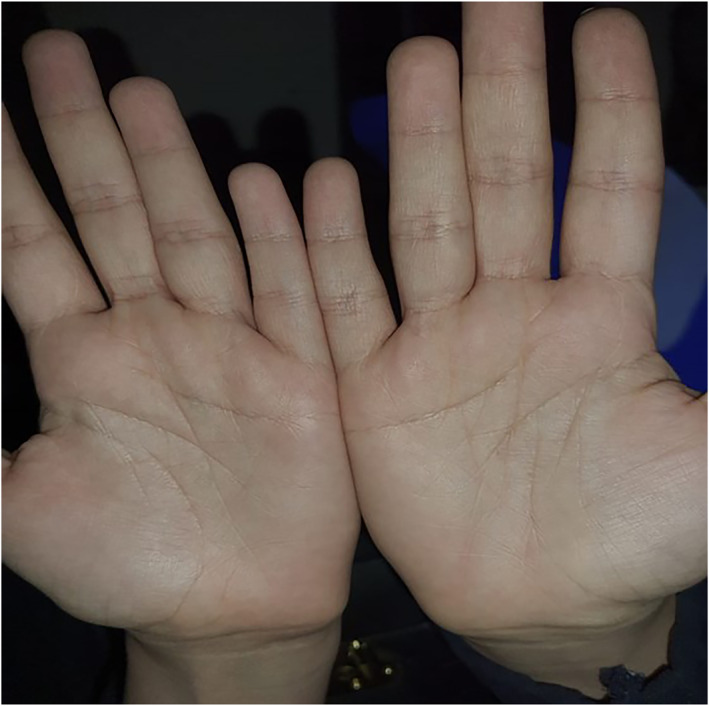 Figure 4
Peer Reviews
No public reviews on file for this paper yet. If you reviewed it on a platform where reviews are public (OpenReview, ICLR, NeurIPS, ICML), you can paste yours below so the community can read it here.
Videos
No videos yet. Explain this paper in a talk, walkthrough, or lecture? Add one.
Taxonomy
TopicsSympathectomy and Hyperhidrosis Treatments · Biomedical Research and Pathophysiology · Skin and Cellular Biology Research