IpaA reveals distinct modes of vinculin activation during Shigella invasion and cell-matrix adhesion
Benjamin Cocom-Chan, Hamed Khakzad, Mahamadou Konate, Daniel Isui Aguilar, Chakir Bello, Cesar Valencia-Gallardo, Yosra Zarrouk, Jacques Fattaccioli, Alain Mauviel, Delphine Javelaud, Guy Tran Van Nhieu

TL;DR
The study shows that Shigella's IpaA protein activates vinculin in a way that strengthens cell-matrix adhesion rather than directly aiding bacterial invasion.
Contribution
The paper reveals distinct roles of vinculin conformers in Shigella invasion and adhesion, challenging prior assumptions about IpaA's function.
Findings
Mutations targeting the closed D1D2 conformer reduced Shigella invasion but not focal adhesion formation.
IpaA-induced vinculin activation primarily strengthens cell-matrix adhesion rather than promoting bacterial entry.
Shear stress experiments confirmed the role of IpaA in accelerating adhesion.
Abstract
Mutational analysis supports a role for IpaA-mediated vinculin head domain oligomerization in the maturation of focal adhesions during Shigella invasion of epithelial cells. Vinculin is a cytoskeletal linker strengthening cell adhesion. The Shigella IpaA invasion effector binds to vinculin to promote vinculin supra-activation associated with head-domain–mediated oligomerization. Our study investigates the impact of mutations of vinculin D1D2 subdomains’ residues predicted to interact with IpaA VBS3. These mutations affected the rate of D1D2 trimer formation with distinct effects on monomer disappearance, consistent with structural modeling of a closed and open D1D2 conformer induced by IpaA. Notably, mutations targeting the closed D1D2 conformer significantly reduced Shigella invasion of host cells as opposed to mutations targeting the open D1D2 conformer and later stages of vinculin…
Genes, proteins, chemicals, diseases, species, mutations and cell lines named across the full text — each resolved to its canonical identifier and authoritative record.
Click any figure to enlarge with its caption.
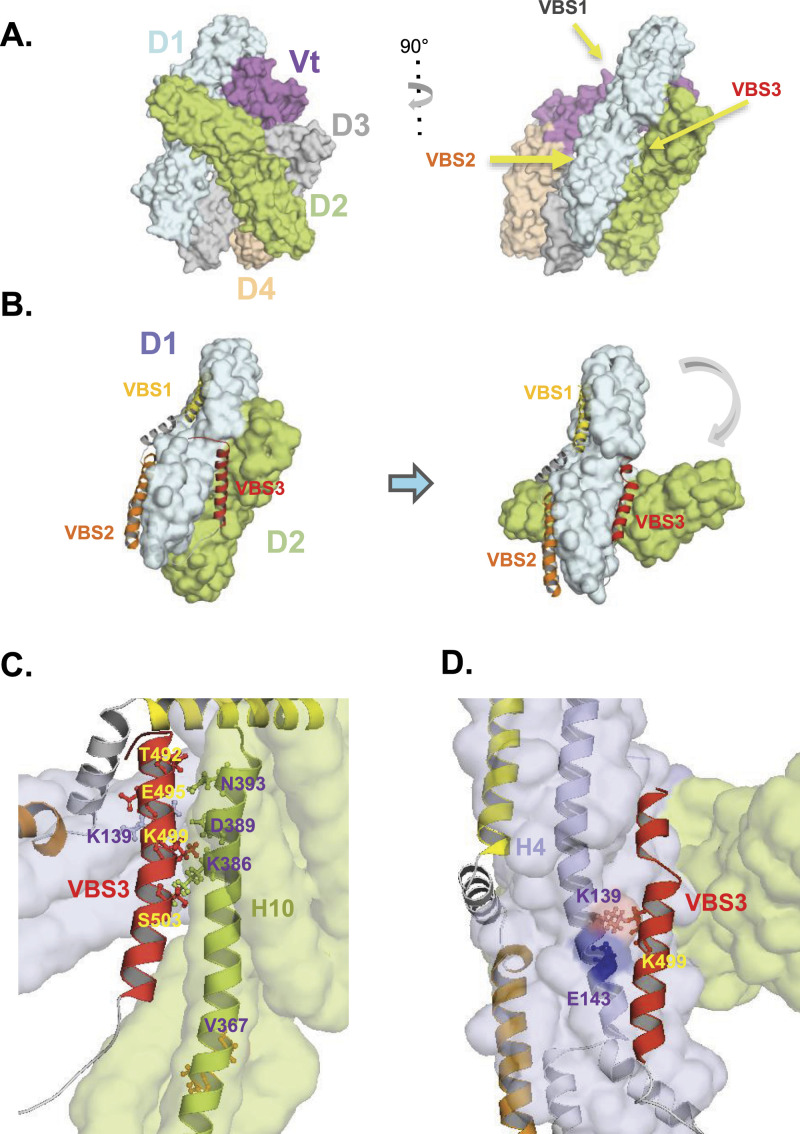 Figure 1
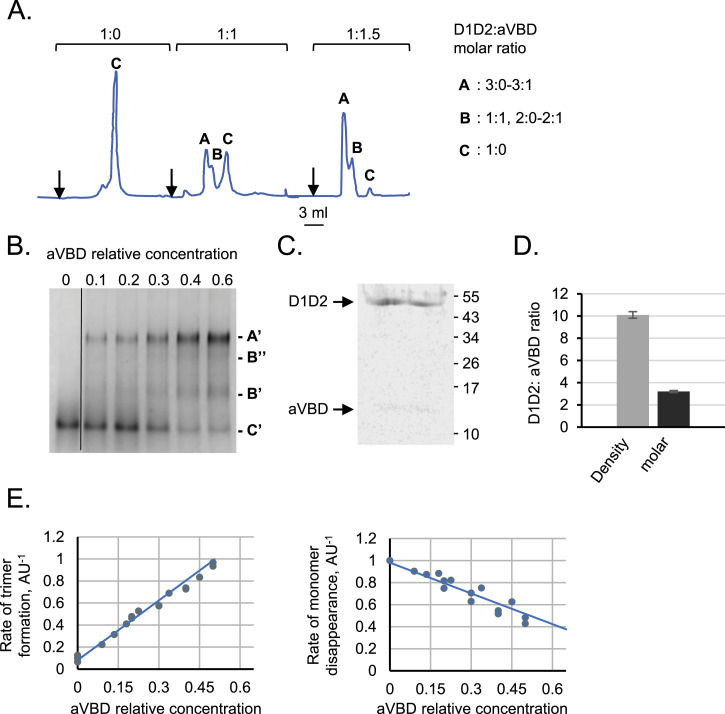 Figure 2
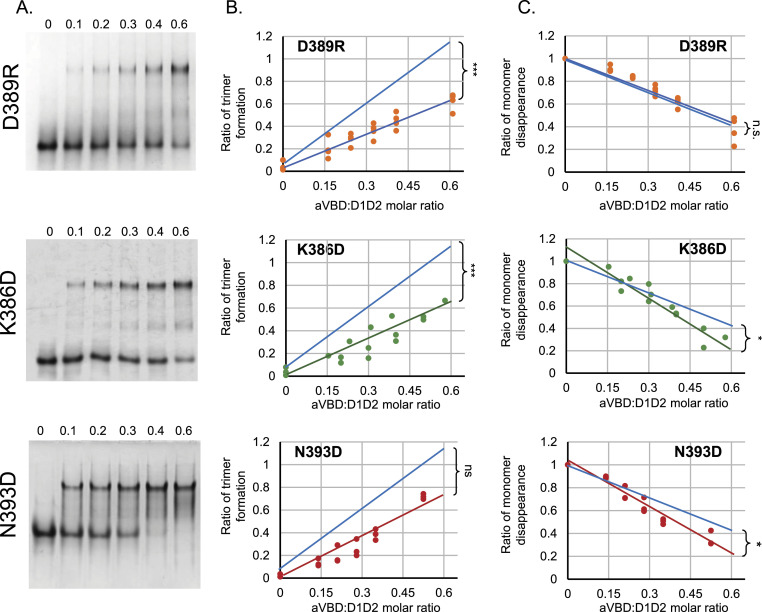 Figure 3
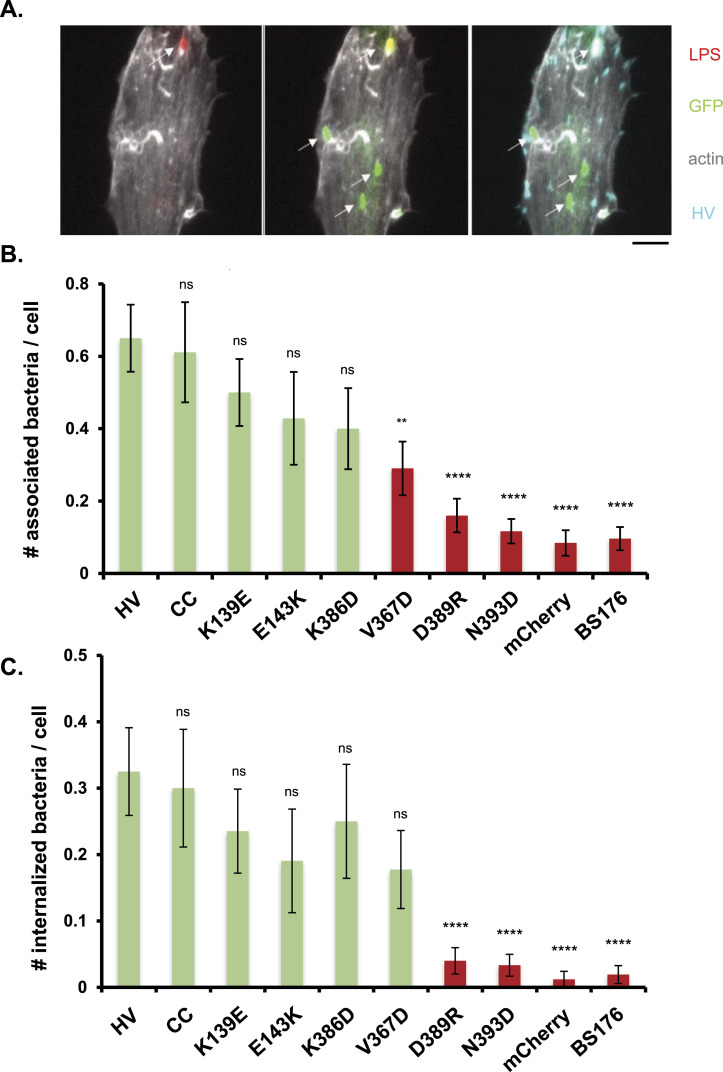 Figure 4
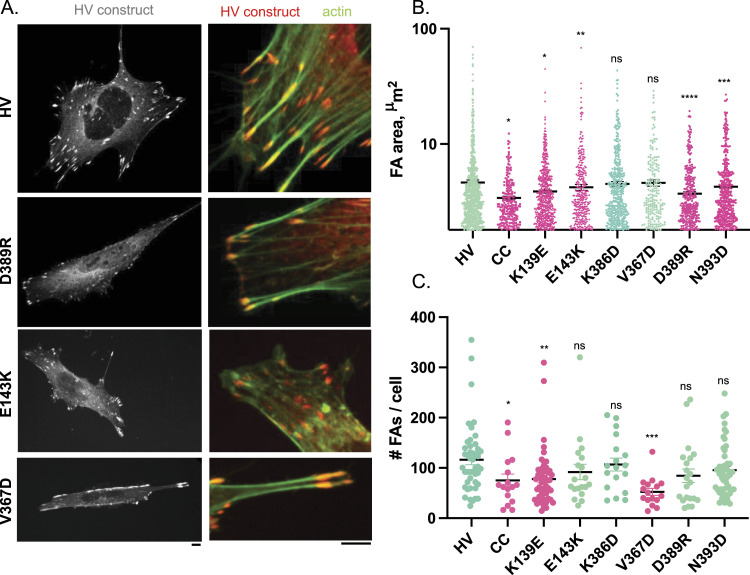 Figure 5
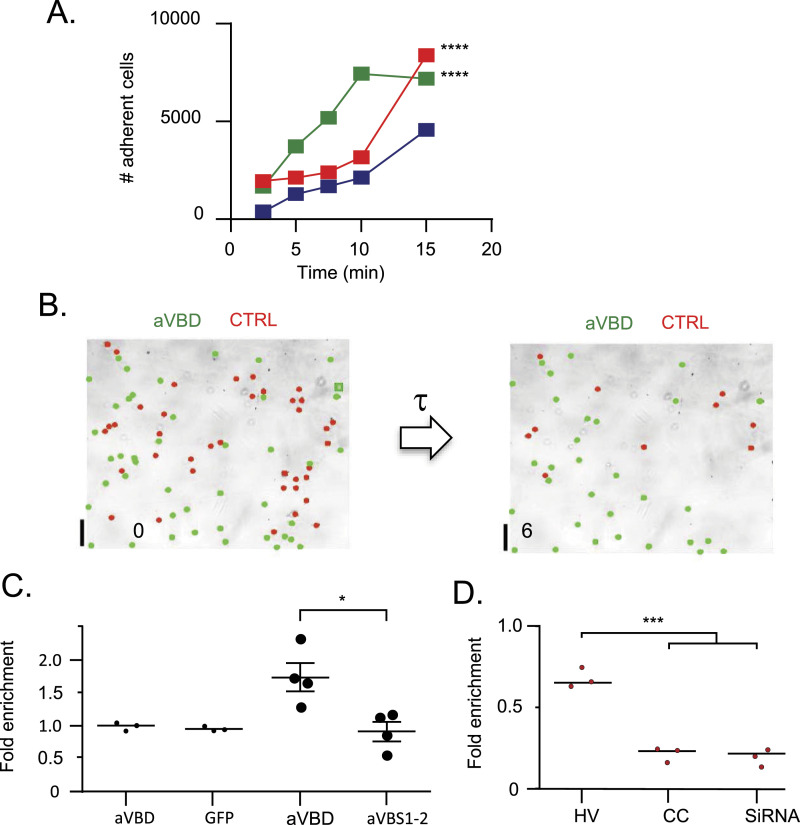 Figure 6
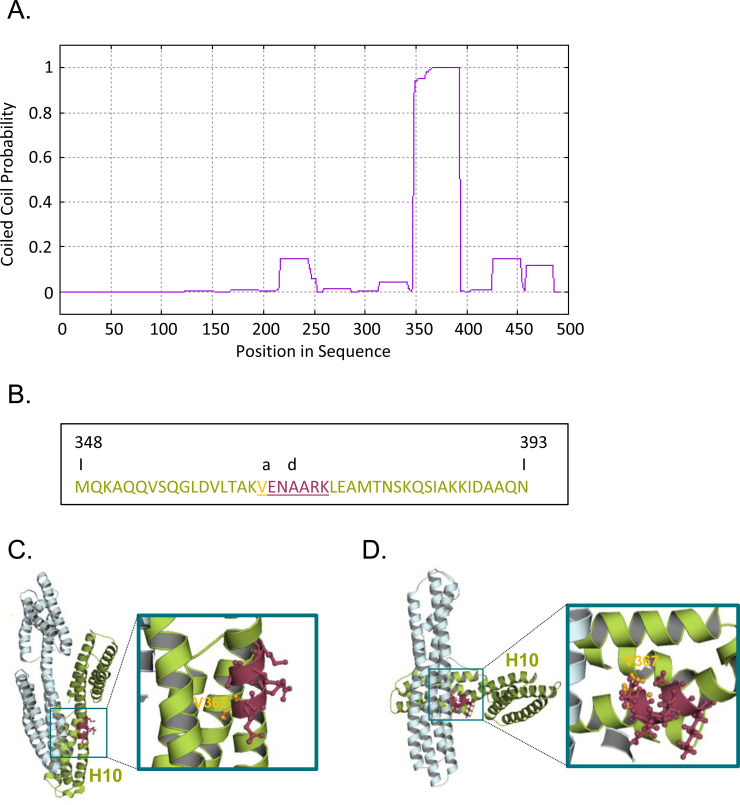 Figure 7
 Figure 8
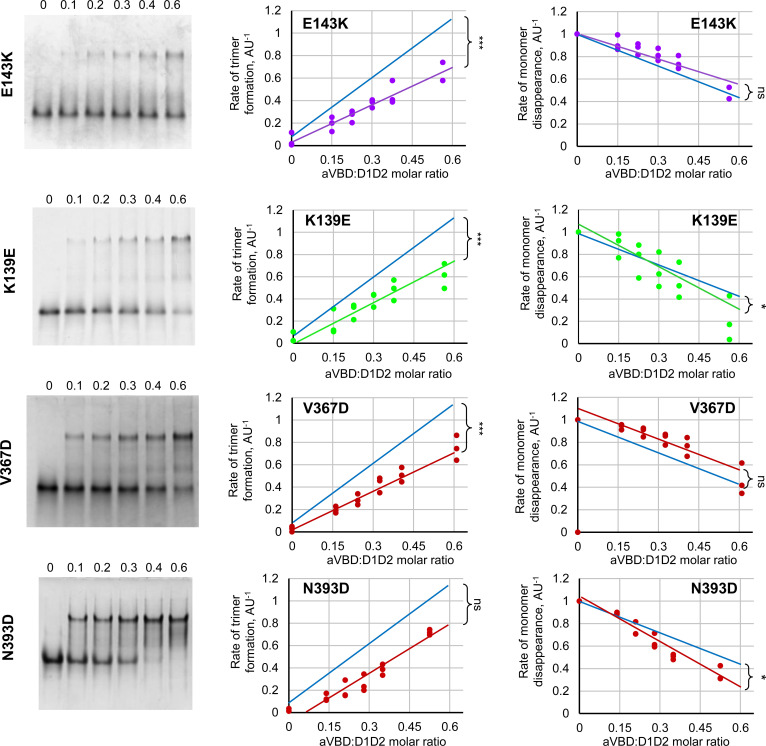 Figure 9
 Figure 10
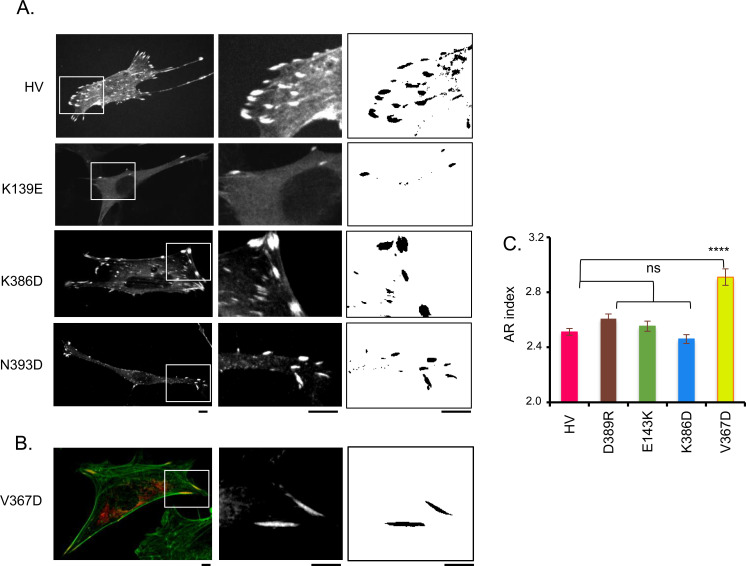 Figure 11
 Figure 12
 Figure 13
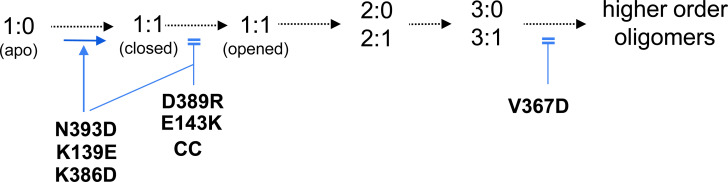 Figure 14
Peer Reviews
No public reviews on file for this paper yet. If you reviewed it on a platform where reviews are public (OpenReview, ICLR, NeurIPS, ICML), you can paste yours below so the community can read it here.
Videos
No videos yet. Explain this paper in a talk, walkthrough, or lecture? Add one.
Taxonomy
TopicsEscherichia coli research studies · Bacterial Genetics and Biotechnology · Vibrio bacteria research studies