Host genetics and COVID-19 severity: increasing the accuracy of latest severity scores by Boolean quantum features
Gabriele Martelloni, Alessio Turchi, Chiara Fallerini, Andrea Degl’Innocenti, Margherita Baldassarri, Simona Olmi, Simone Furini, Alessandra Renieri, Francesca Mari

TL;DR
This paper improves the accuracy of predicting COVID-19 severity by incorporating host genetics and organ-specific weights using a new method inspired by quantum mechanics.
Contribution
The novel approach introduces 'Boolean quantum features' and integrates organ-specific weights to enhance polygenic scores for predicting disease severity.
Findings
The new IPGSph scores achieved 84–86% accuracy in predicting severity when combined with age.
The method improved accuracy by 10% compared to previous models using only genetic features.
Boolean quantum features and organ weights were integrated using a genetic algorithm.
Abstract
The impact of common and rare variants in COVID-19 host genetics has been widely studied. In particular, in Fallerini et al. (Human genetics, 2022, 141, 147–173), common and rare variants were used to define an interpretable machine learning model for predicting COVID-19 severity. First, variants were converted into sets of Boolean features, depending on the absence or the presence of variants in each gene. An ensemble of LASSO logistic regression models was used to identify the most informative Boolean features with respect to the genetic bases of severity. After that, the Boolean features, selected by these logistic models, were combined into an Integrated PolyGenic Score (IPGS), which offers a very simple description of the contribution of host genetics in COVID-19 severity.. IPGS leads to an accuracy of 55%–60% on different cohorts, and, after a logistic regression with both IPGS…
Genes, proteins, chemicals, diseases, species, mutations and cell lines named across the full text — each resolved to its canonical identifier and authoritative record.
Click any figure to enlarge with its caption.
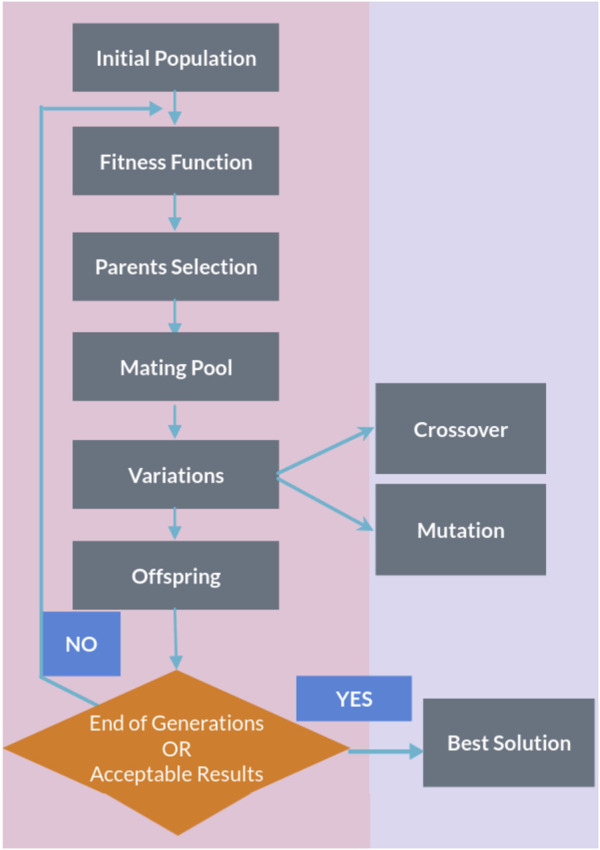 Figure 1
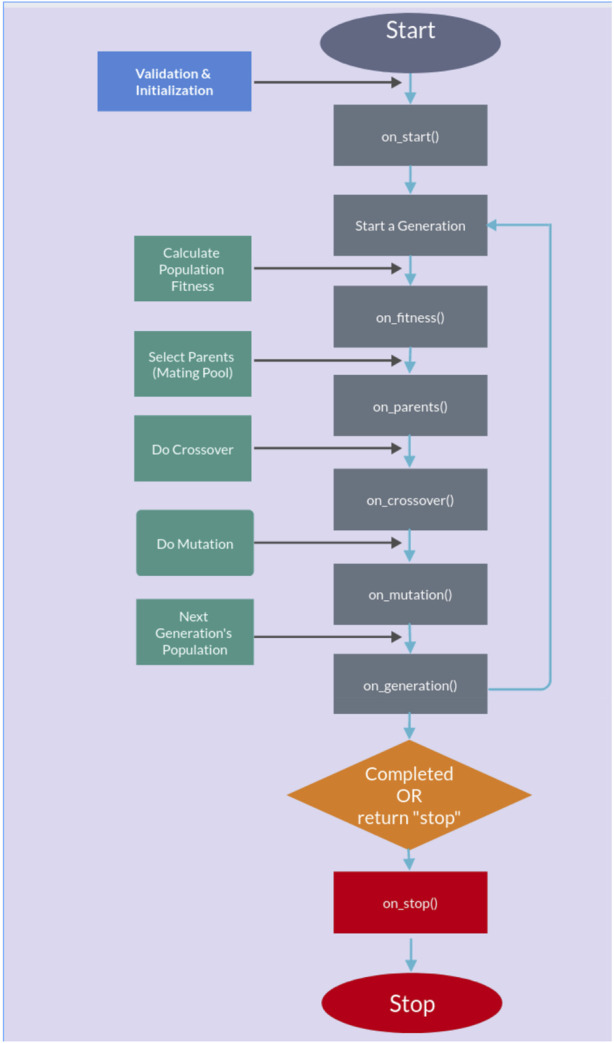 Figure 2
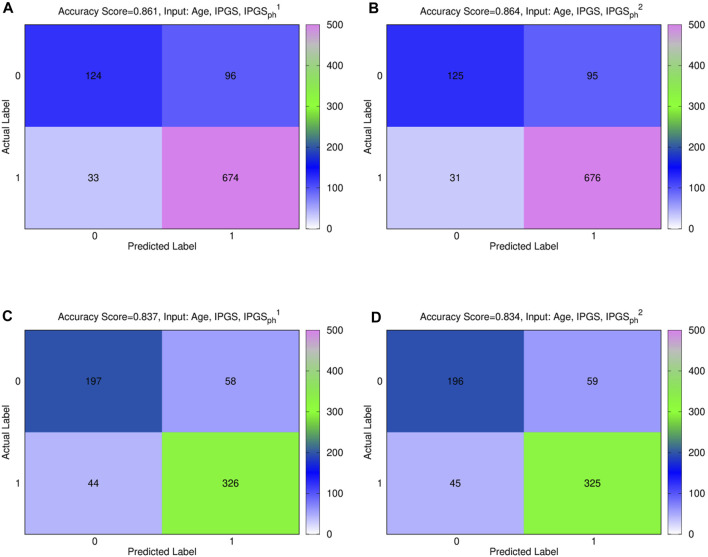 Figure 3
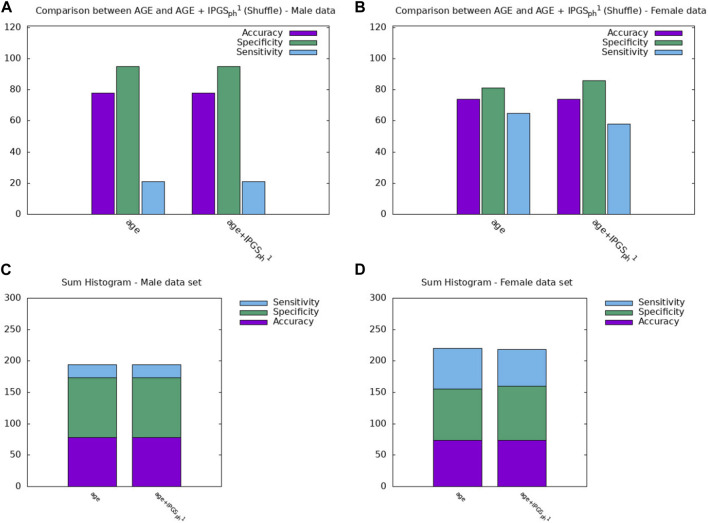 Figure 4
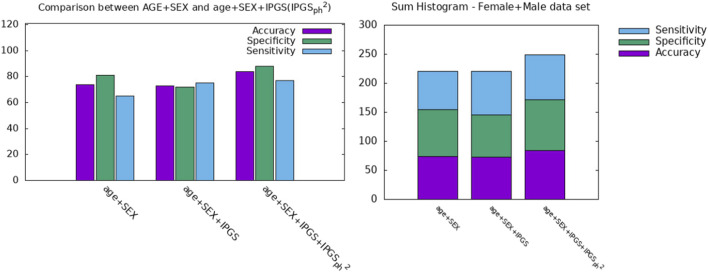 Figure 5
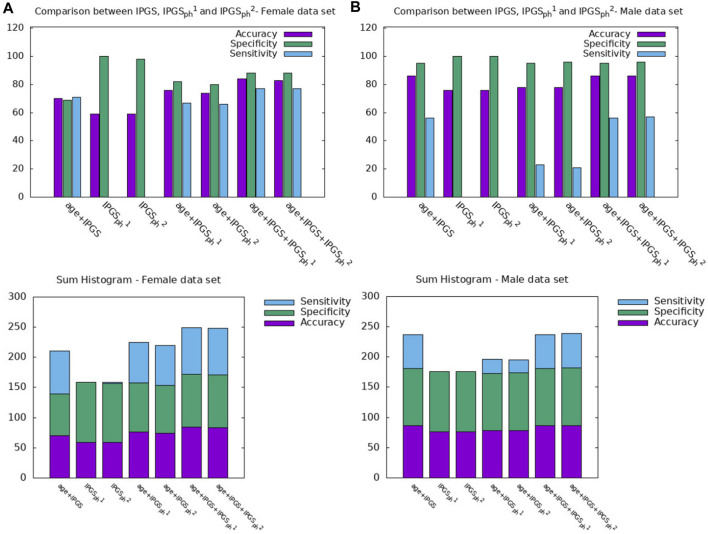 Figure 6
 Figure 7
 Figure 8
Peer Reviews
No public reviews on file for this paper yet. If you reviewed it on a platform where reviews are public (OpenReview, ICLR, NeurIPS, ICML), you can paste yours below so the community can read it here.
Videos
No videos yet. Explain this paper in a talk, walkthrough, or lecture? Add one.
Taxonomy
TopicsSARS-CoV-2 and COVID-19 Research · PARP inhibition in cancer therapy · Machine Learning in Bioinformatics