Histone H1x in mouse ventral hippocampus associates with, but does not cause behavioral adaptations to stress
R. Kijoon Kim, Natalie L. Truby, Gabriella M. Silva, Joseph A. Picone, Cary S. Miller, Amber N. Baldwin, Rachael L. Neve, Xiaohong Cui, Peter J. Hamilton

TL;DR
This study finds that higher levels of a protein called H1x in a specific brain region are linked to stress susceptibility in mice, but increasing H1x levels alone does not cause stress-related behavioral changes.
Contribution
The study demonstrates that elevated H1x in the ventral hippocampus is associated with stress susceptibility but does not directly cause behavioral adaptations to stress.
Findings
Elevated H1x protein levels in the ventral hippocampus are uniquely expressed in stress-susceptible mice.
Overexpression of H1x in the ventral hippocampus does not lead to behavioral adaptations in mice.
H1x levels are associated with stress susceptibility but are not sufficient to drive behavioral changes.
Abstract
Prior research has identified differential protein expression levels of linker histone H1x within the ventral hippocampus (vHipp) of stress-susceptible versus stress-resilient mice. These mice are behaviorally classified based on their divergent responses to chronic social stress. Here, we sought to determine whether elevated vHipp H1x protein levels directly contribute to these diverging behavioral adaptations to stress. First, we demonstrated that stress-susceptible mice uniquely express elevated vHipp H1x protein levels following chronic stress. Given that linker histones coordinate heterochromatin compaction, we hypothesize that elevated levels of H1x in the vHipp may impede pro-resilience transcriptional adaptations and prevent development of the resilient phenotype following social stress. To test this, 8–10-week-old male C57BL/6 J mice were randomly assigned to groups undergoing…
Genes, proteins, chemicals, diseases, species, mutations and cell lines named across the full text — each resolved to its canonical identifier and authoritative record.
Click any figure to enlarge with its caption.
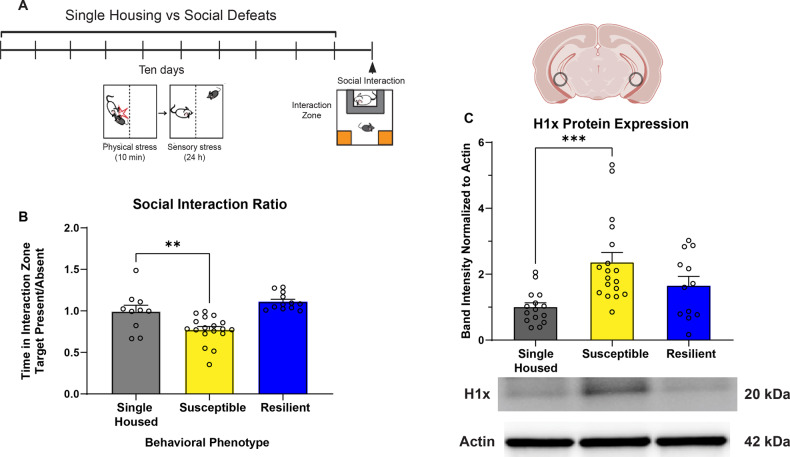 Figure 1
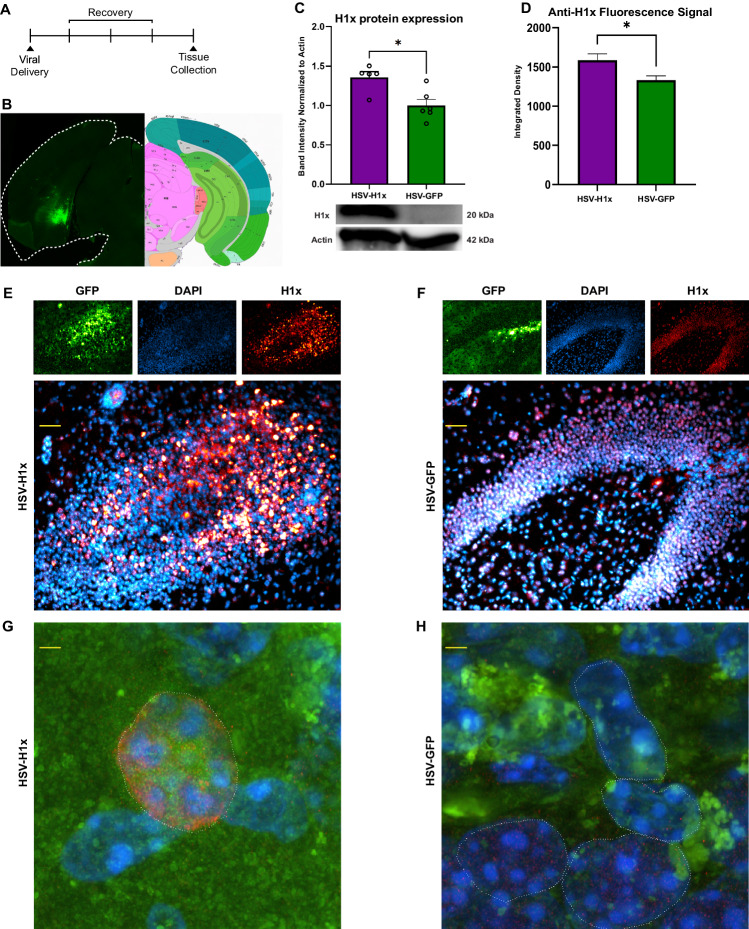 Figure 2
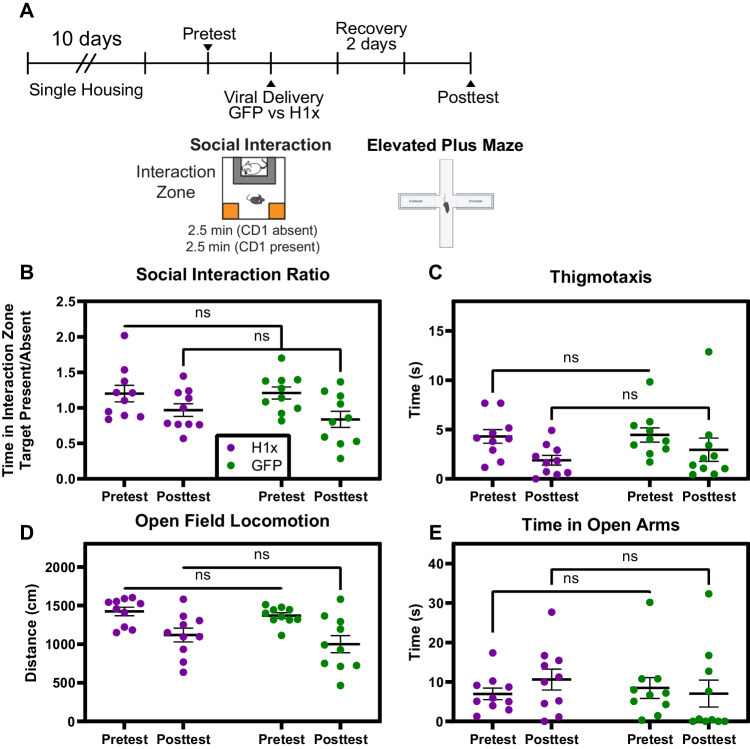 Figure 3
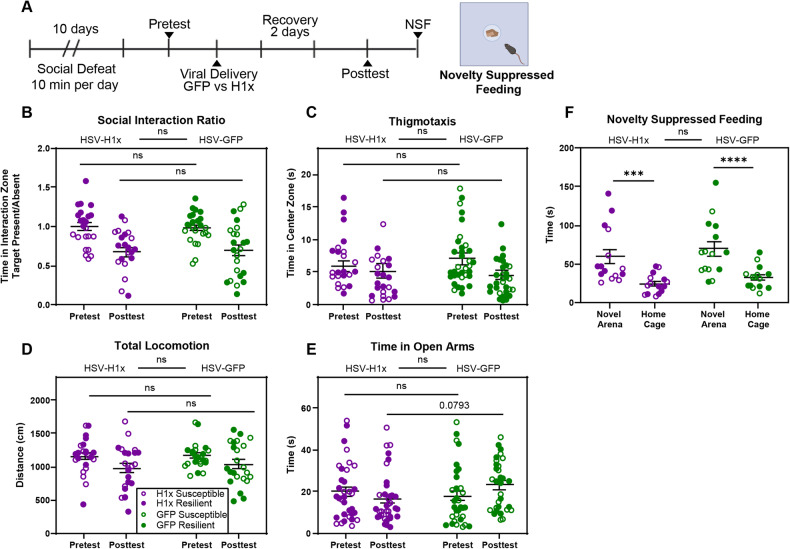 Figure 4
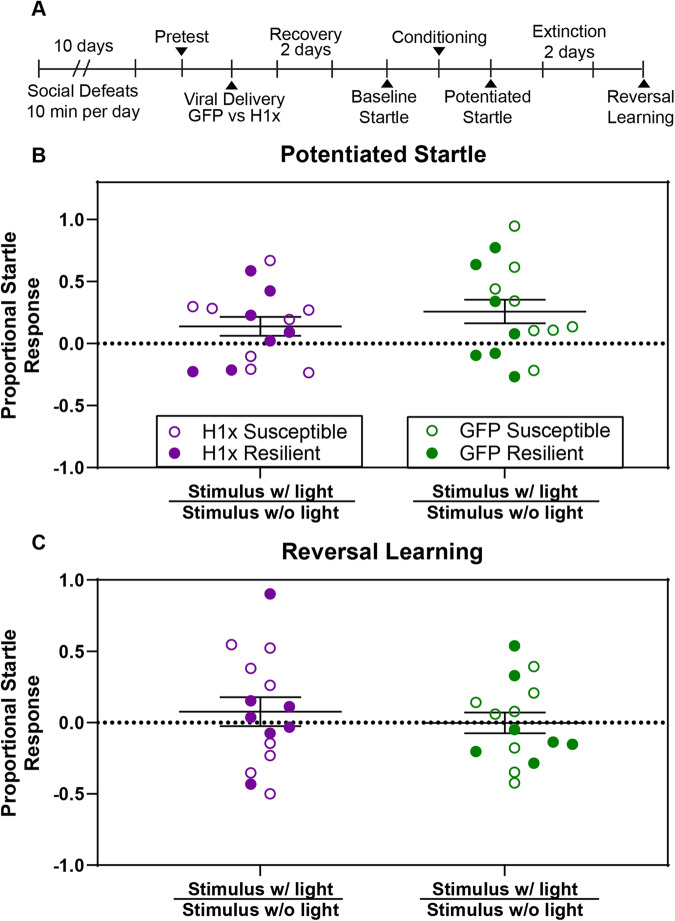 Figure 5
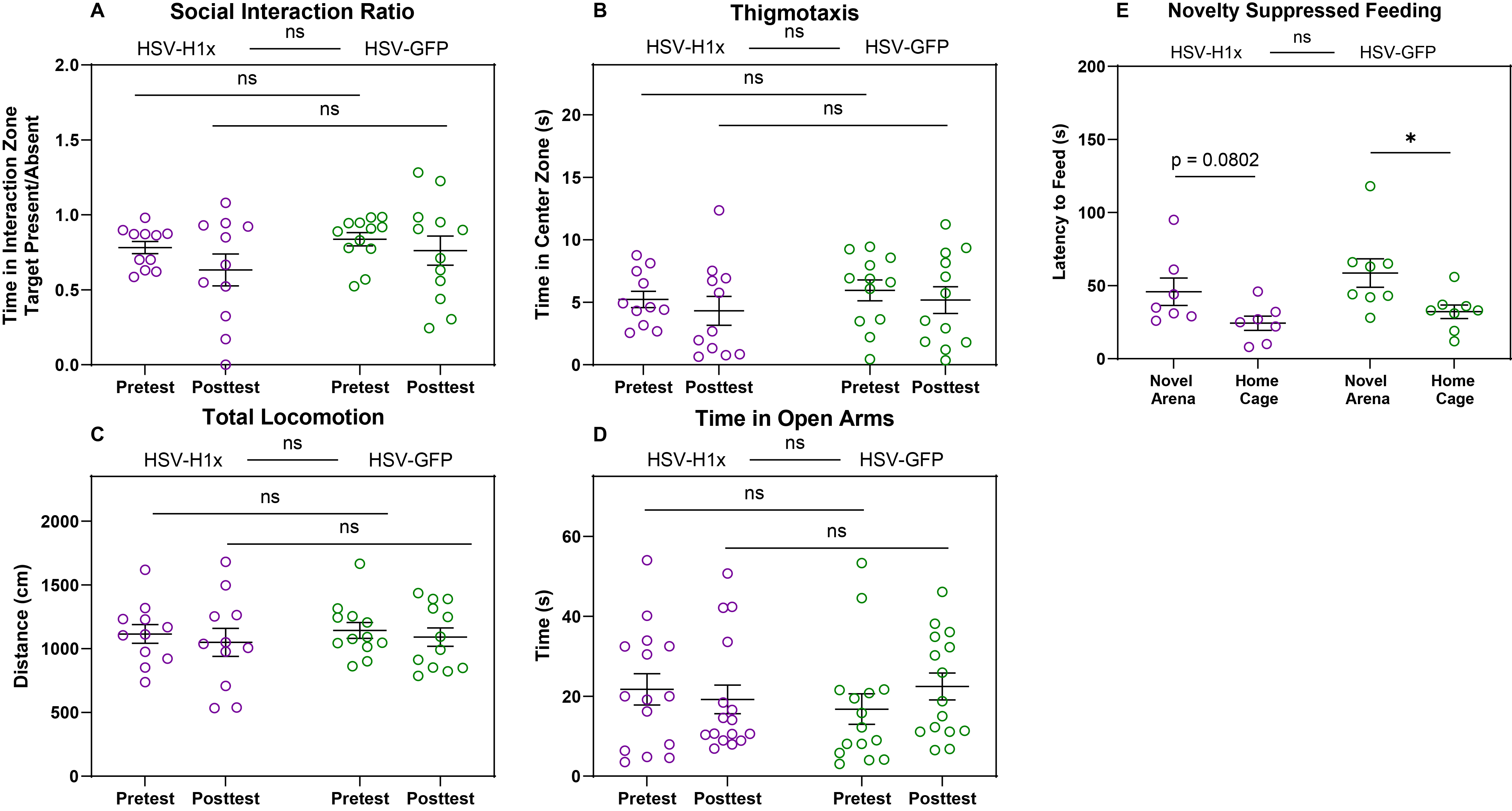 Figure 6
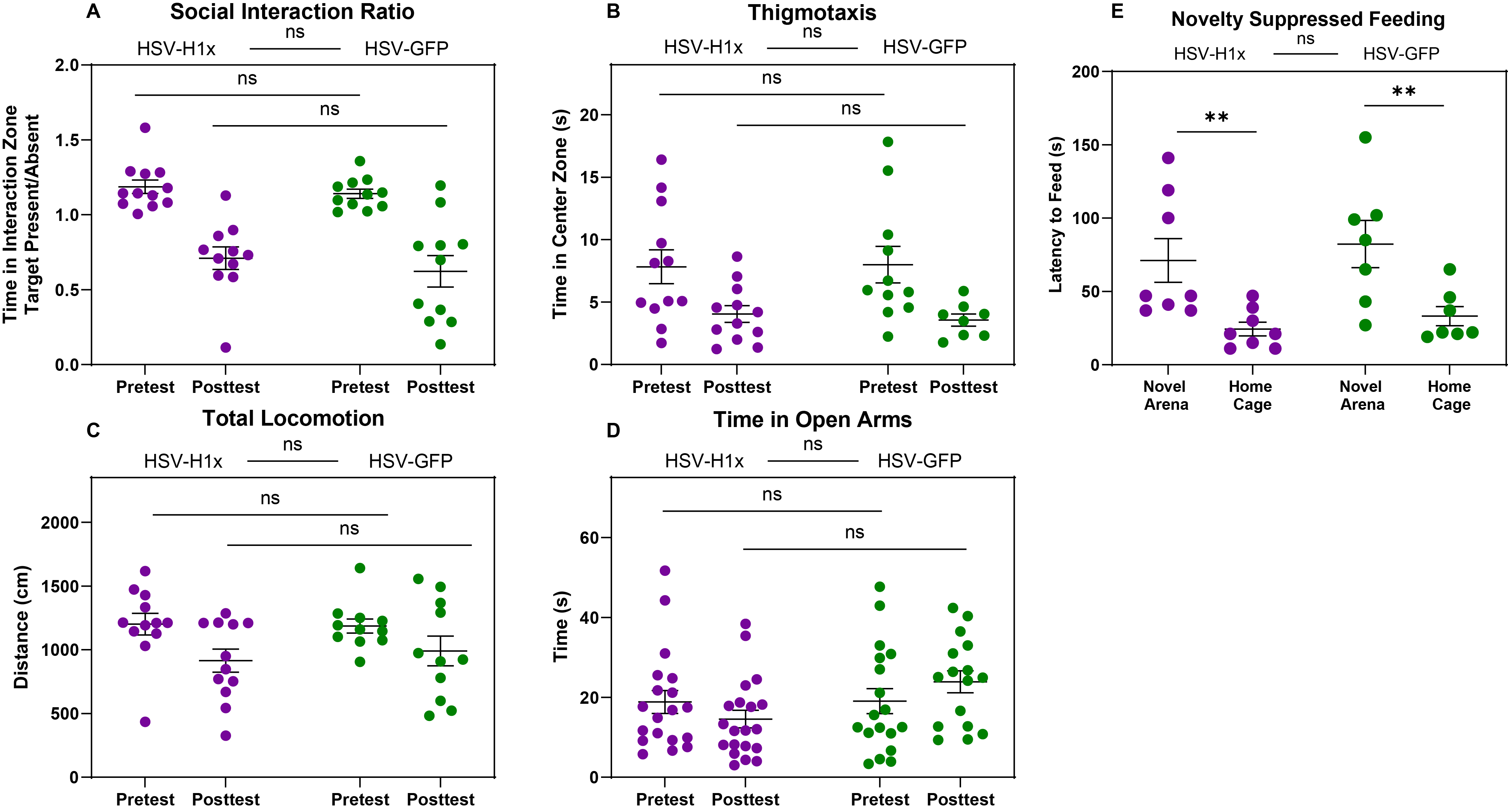 Figure 7
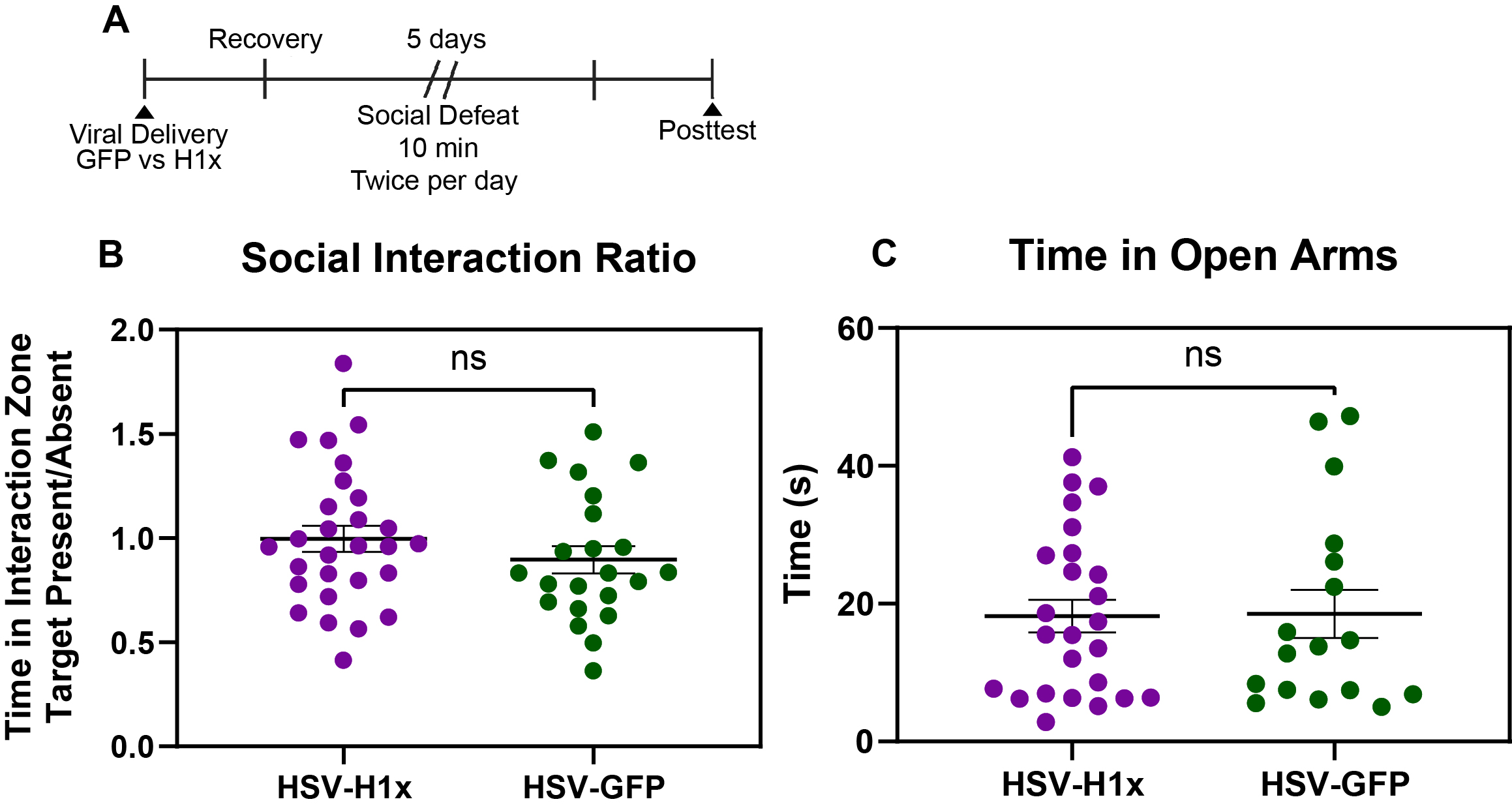 Figure 8
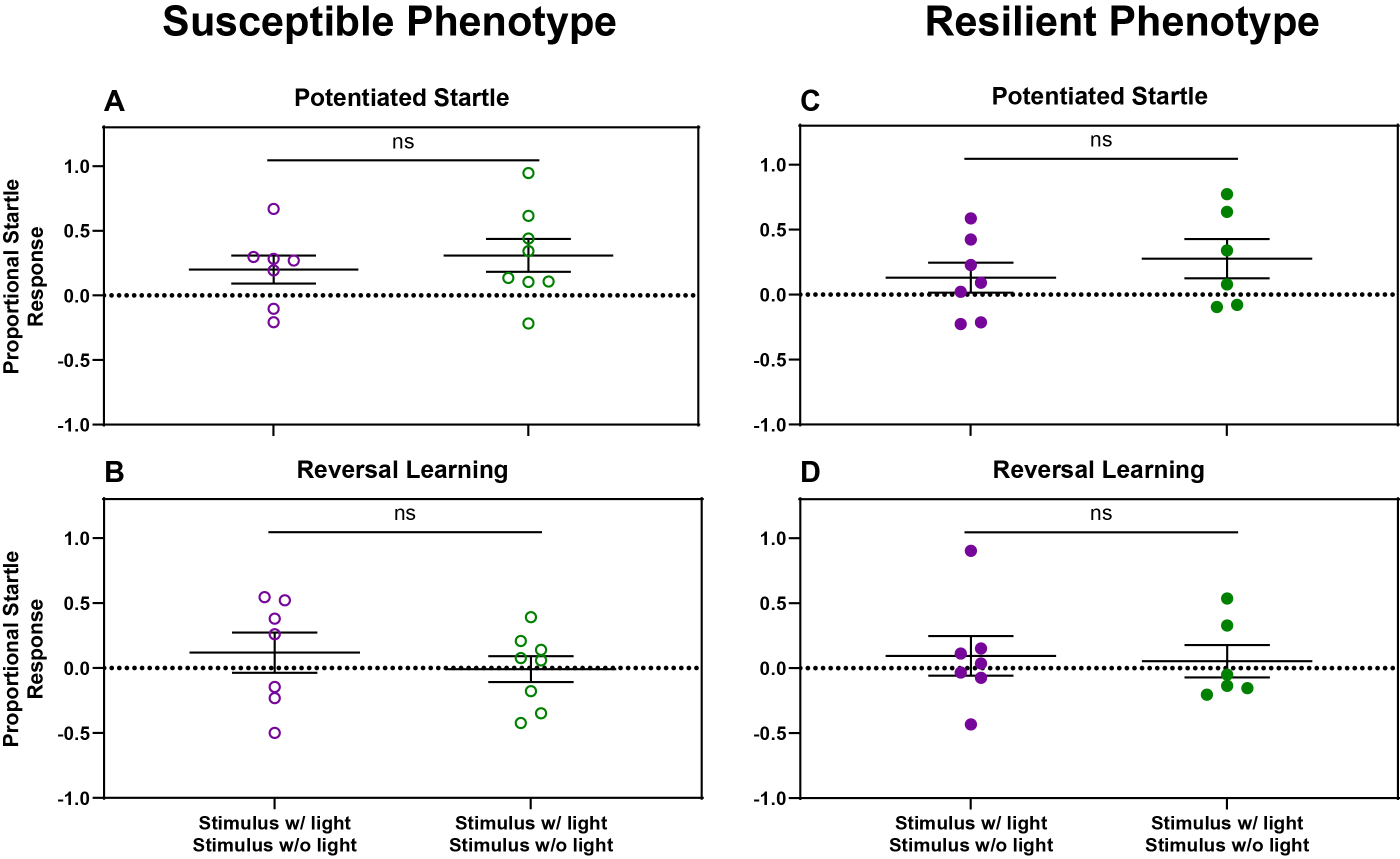 Figure 9
Peer Reviews
No public reviews on file for this paper yet. If you reviewed it on a platform where reviews are public (OpenReview, ICLR, NeurIPS, ICML), you can paste yours below so the community can read it here.
Videos
No videos yet. Explain this paper in a talk, walkthrough, or lecture? Add one.
Taxonomy
TopicsStress Responses and Cortisol · Neurogenesis and neuroplasticity mechanisms · Epigenetics and DNA Methylation