Evolutionary adaptations generally reverse phenotypic plasticity to restore ancestral phenotypes during new environment adaptation in cattle
Qiang Jiang, Li Zhu, Hao Zeng, Zhuzha Basang, Quji Suolang, Jinming Huang, Yafei Cai

TL;DR
This study shows that when cattle adapt to new environments, they often reverse genetic changes to restore ancestral traits, suggesting a general pattern in evolutionary adaptation.
Contribution
The study reveals that evolutionary adaptations in cattle often reverse ancestral plasticity to restore ancestral phenotypes during new environment adaptation.
Findings
Genetic transcriptomic changes during highland adaptation are reversed by plastic changes when cattle return to lowlands.
Ancestral plasticity in genes is generally reversed through evolutionary adaptations, restoring ancestral expression levels.
Biochemical and hemorheology traits in cattle tend to revert to ancestral patterns during adaptation to new environments.
Abstract
Phenotype plasticity and evolution adaptations are the two main ways in which allow populations to deal with environmental changes, but the potential relationship between them remains controversial. Using a reciprocal transplant approach with cattle adapted to the Tibetan Plateau and adjacent lowlands, we aim to investigate the relative contributions of evolutionary processes and phenotypic plasticity in driving both phenotypic and transcriptomic changes under natural conditions. We observed that while numerous genetic transcriptomic changes were evident during the forward adaptation to highland environments, plastic changes predominantly facilitate the transformation of transcriptomes into a preferred state when Tibetan cattle are reintroduced to lowland habitats. Genes with ancestral plasticity are generally reversed by evolutionary adaptations and show a closer expression level to…
Genes, proteins, chemicals, diseases, species, mutations and cell lines named across the full text — each resolved to its canonical identifier and authoritative record.
Click any figure to enlarge with its caption.
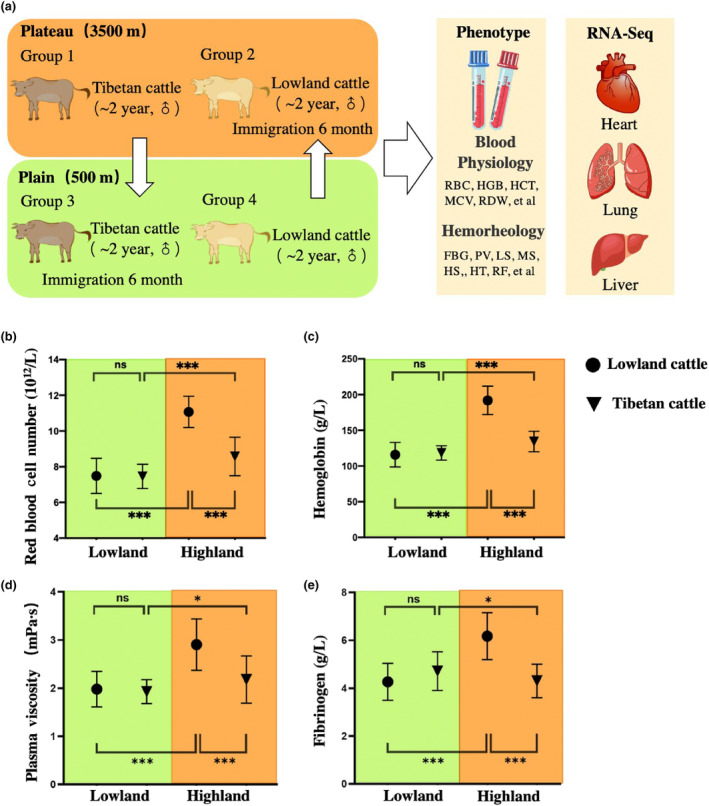 Figure 1
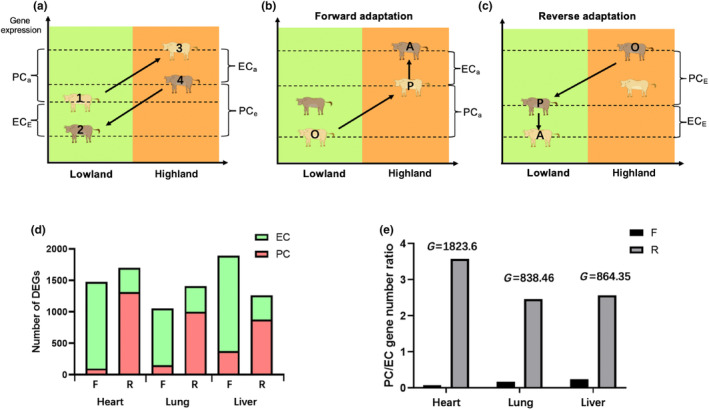 Figure 2
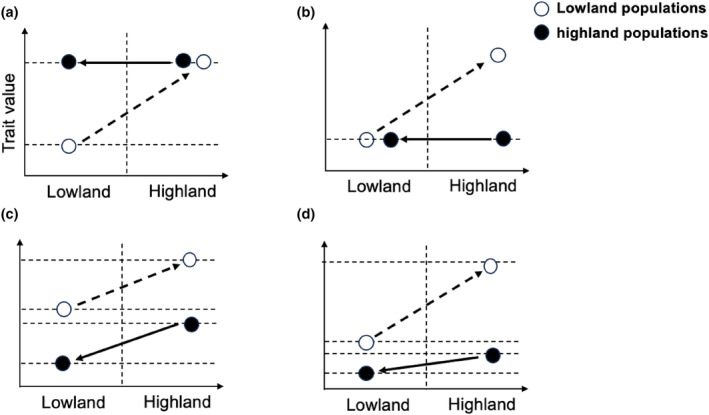 Figure 3
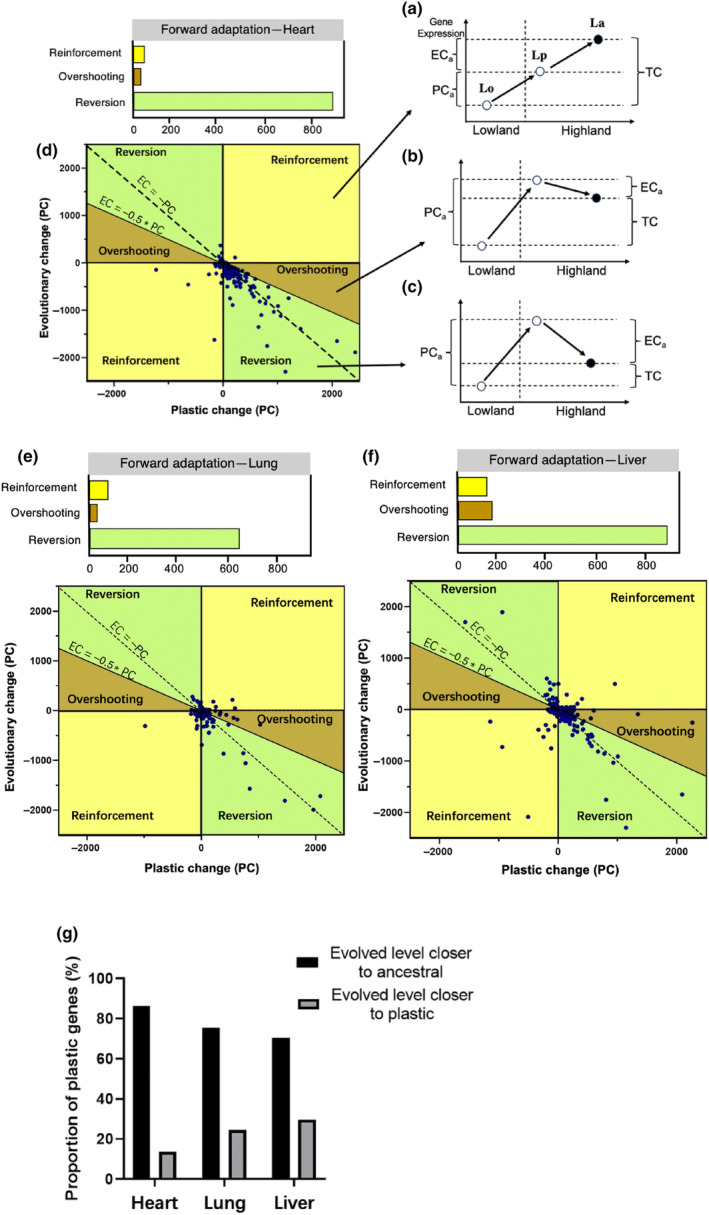 Figure 4
Peer Reviews
No public reviews on file for this paper yet. If you reviewed it on a platform where reviews are public (OpenReview, ICLR, NeurIPS, ICML), you can paste yours below so the community can read it here.
Videos
No videos yet. Explain this paper in a talk, walkthrough, or lecture? Add one.
Taxonomy
TopicsGenetic and phenotypic traits in livestock · Genetic diversity and population structure · Wildlife Ecology and Conservation