Variants of SLC39A4 cause acrodermatitis enteropathica in Tibetan, Yi, and Han families in Sichuan region of southwestern China: a case report series
Zhongtao Li, Sheng Wang

TL;DR
This case report series identifies SLC39A4 gene variants causing acrodermatitis enteropathica in different ethnic groups in China's Sichuan region.
Contribution
The study identifies specific SLC39A4 hotspot variants in Tibetan, Yi, and Han patients with AE in Sichuan.
Findings
Four unrelated AE patients from Han, Yi, and Tibetan ethnicities were identified in Sichuan.
SLC39A4 pathogenic variants were found to be responsible for AE in these patients.
Unusual AE presentations like absence of hypozincaemia and acne-like lesions were observed.
Abstract
Acrodermatitis enteropathica (AE, OMIM 201100) is a rare autosomal recessive dermatosis characterized by periorificial dermatitis, diarrhea, alopecia, and hypozincaemia due to pathogenic variants of SLC39A4. Herein, we present a case series describing four unrelated patients with AE from Han, Yi, and Tibetan ethnicities in Sichuan region of southwestern China, speculate the hotspot variants of SLC39A4 causing AE in Sichuan region and highlight physicians should be alerted to unusual presentations of AE, such as the absence of hypozincaemia and the presence of acne-like lesions. Serum alkaline phosphatase and genetic testing should be considered to accurately evaluate the zinc deficiency in human body and help make the correct diagnosis.
Genes, proteins, chemicals, diseases, species, mutations and cell lines named across the full text — each resolved to its canonical identifier and authoritative record.
Click any figure to enlarge with its caption.
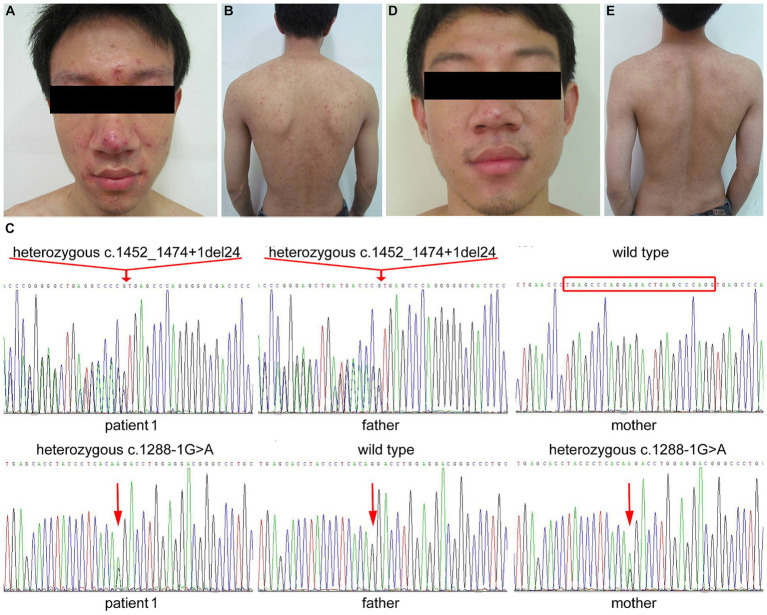 Figure 1
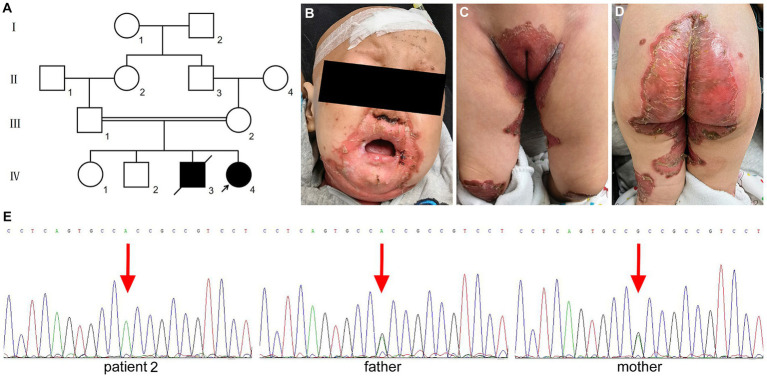 Figure 2
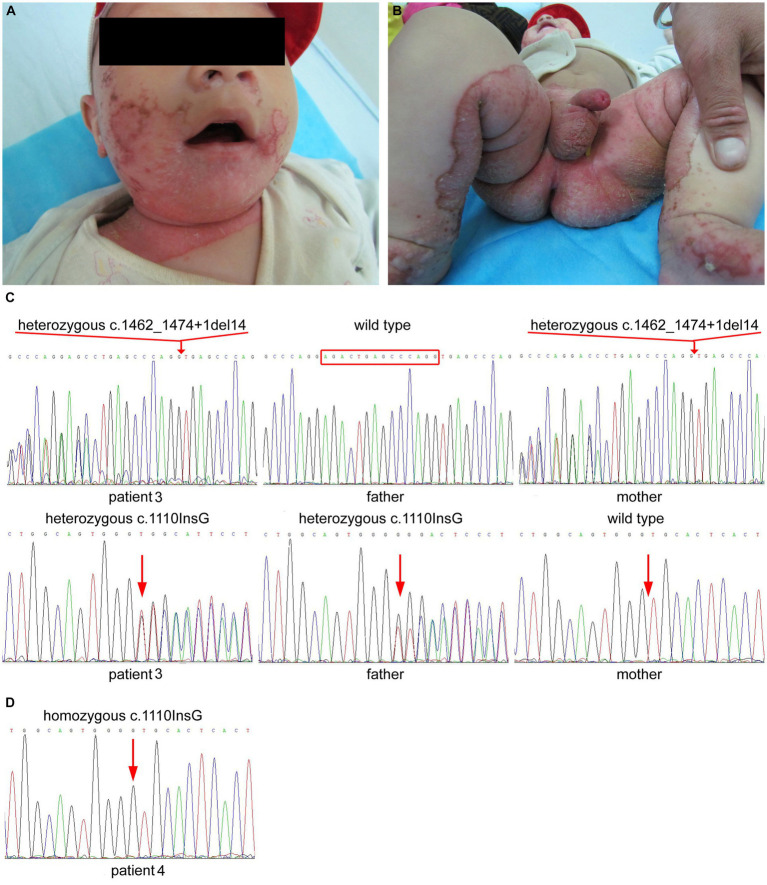 Figure 3
Peer Reviews
No public reviews on file for this paper yet. If you reviewed it on a platform where reviews are public (OpenReview, ICLR, NeurIPS, ICML), you can paste yours below so the community can read it here.
Videos
No videos yet. Explain this paper in a talk, walkthrough, or lecture? Add one.
Taxonomy
TopicsTrace Elements in Health · Aluminum toxicity and tolerance in plants and animals · RNA regulation and disease