Characteristics of A-type voltage-gated K+ currents expressed on sour-sensing type III taste receptor cells in mice
Takeru Moribayashi, Yoshiki Nakao, Yoshitaka Ohtubo

TL;DR
This study identifies A-type voltage-gated K+ currents in sour-sensing taste cells of mice and links them to Kv3.3 and Kv3.4 channels.
Contribution
The paper is the first to characterize A-type K+ currents in mouse type III taste cells and associate them with Kv3.3/Kv3.4 channels.
Findings
A-type K+ currents in type III cells are inhibited by TEA and have activation/inactivation voltages of 17.9 mV and -11.0 mV.
Recovery from inactivation shows fast and slow time constants of 6.4 ms and 0.76 s.
Kv3.3 and Kv3.4 mRNAs are present in taste buds but not detectable at the single-cell level.
Abstract
Sour taste is detected by type III taste receptor cells that generate membrane depolarization with action potentials in response to HCl applied to the apical membranes. The shape of action potentials in type III cells exhibits larger afterhyperpolarization due to activation of transient A-type voltage-gated K+ currents. Although action potentials play an important role in neurotransmitter release, the electrophysiological features of A-type K+ currents in taste buds remain unclear. Here, we examined the electrophysiological properties of A-type K+ currents in mouse fungiform taste bud cells using in-situ whole-cell patch clamping. Type III cells were identified with SNAP-25 immunoreactivity and/or electrophysiological features of voltage-gated currents. Type III cells expressed A-type K+ currents which were completely inhibited by 10 mM TEA, whereas IP3R3-immunoreactive type II cells…
Genes, proteins, chemicals, diseases, species, mutations and cell lines named across the full text — each resolved to its canonical identifier and authoritative record.
Click any figure to enlarge with its caption.
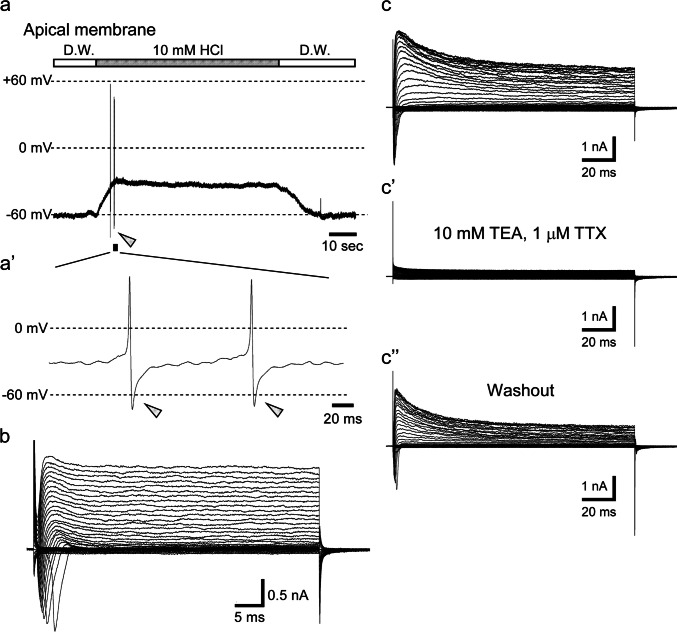 Figure 1
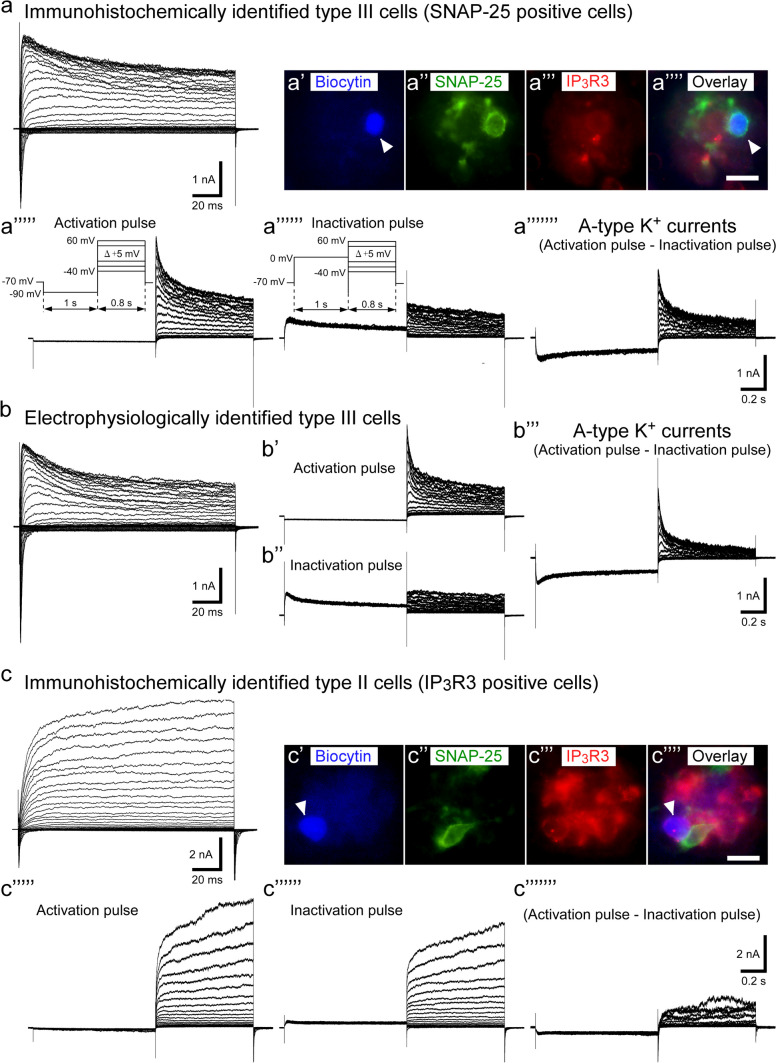 Figure 2
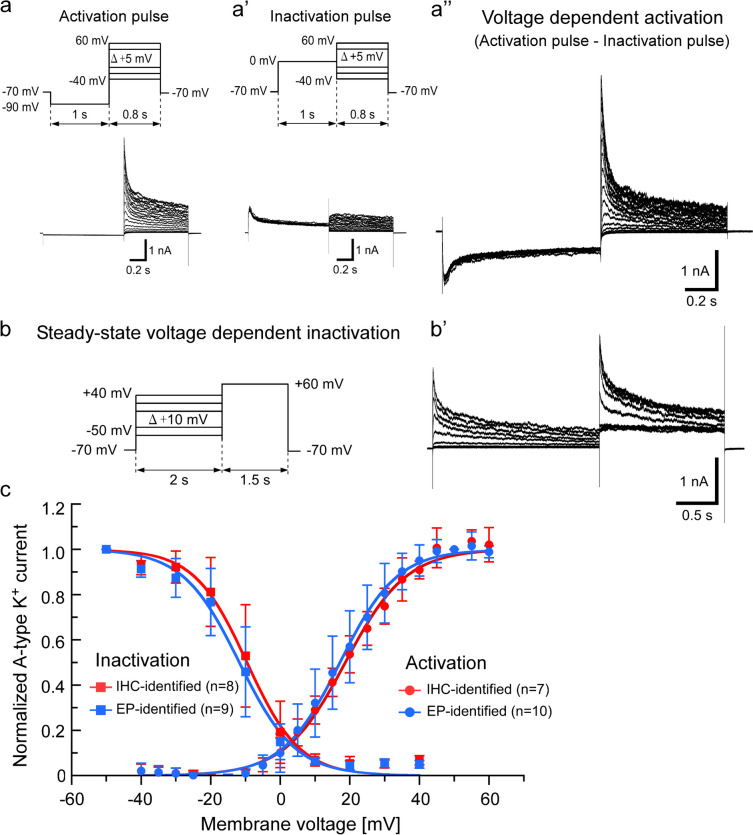 Figure 3
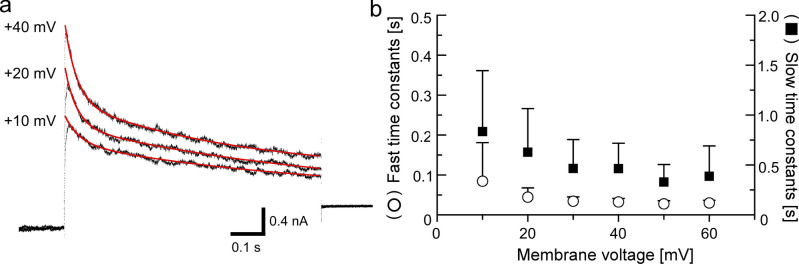 Figure 4
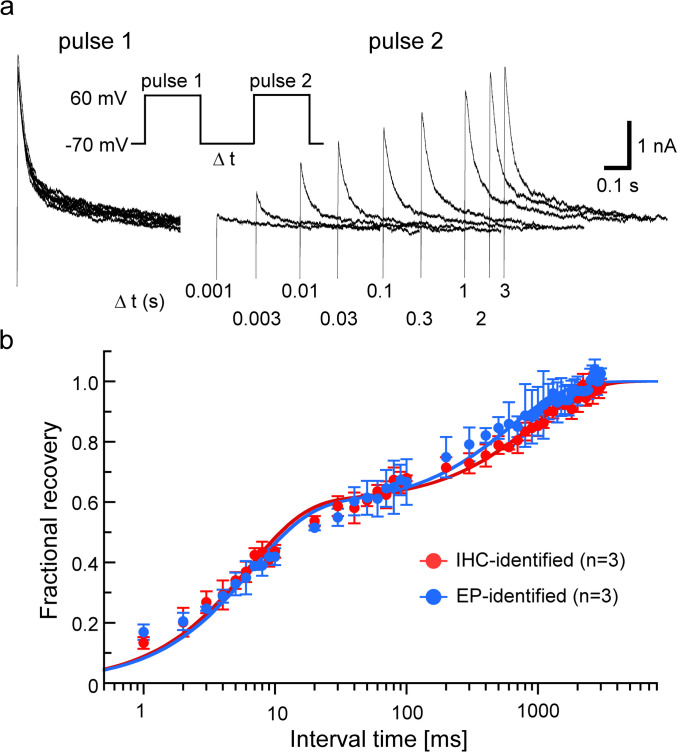 Figure 5
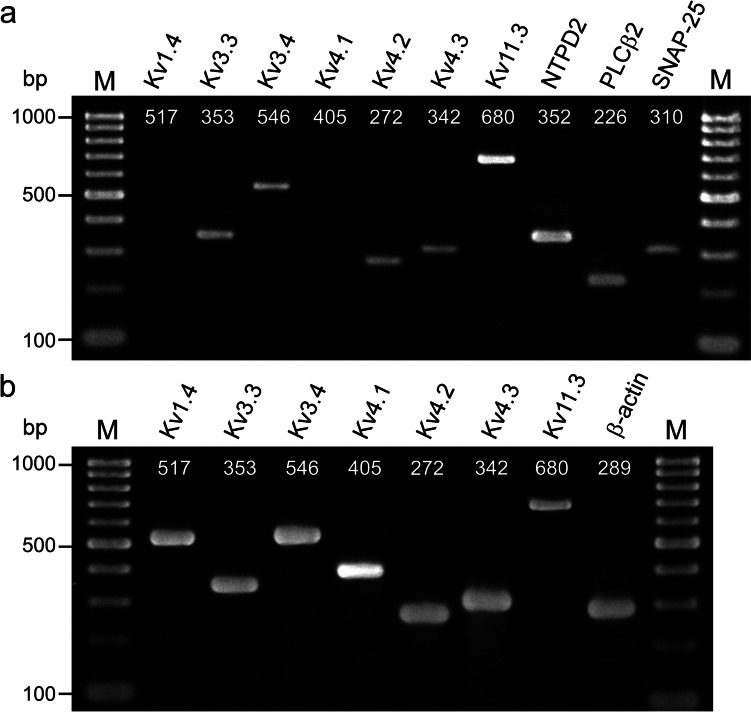 Figure 6
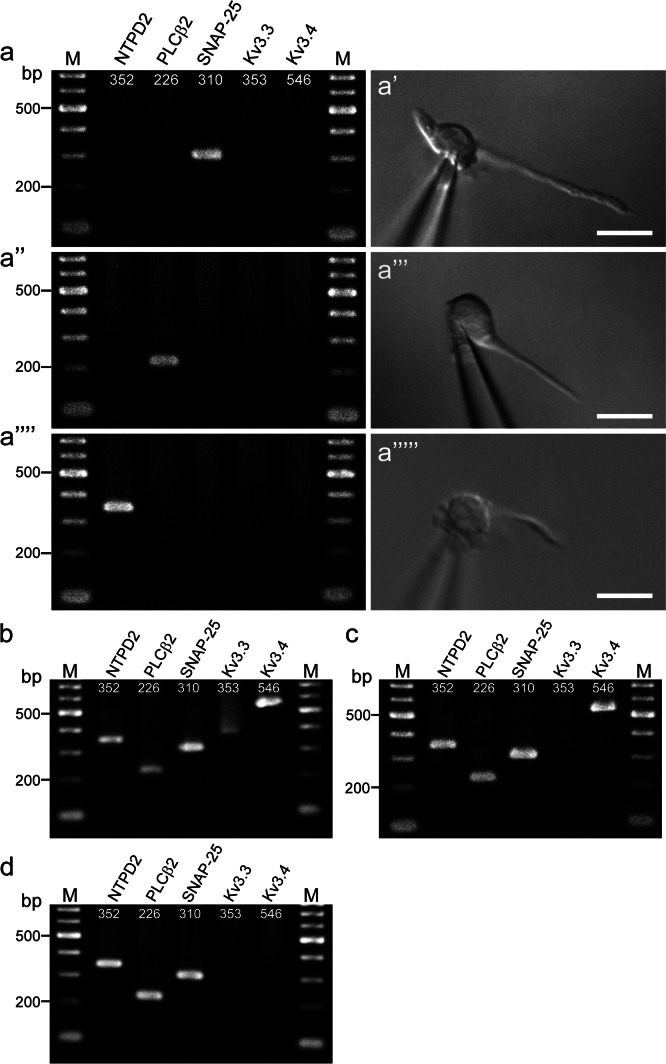 Figure 7
Peer Reviews
No public reviews on file for this paper yet. If you reviewed it on a platform where reviews are public (OpenReview, ICLR, NeurIPS, ICML), you can paste yours below so the community can read it here.
Videos
No videos yet. Explain this paper in a talk, walkthrough, or lecture? Add one.
Taxonomy
TopicsBiochemical Analysis and Sensing Techniques · Olfactory and Sensory Function Studies · Advanced Chemical Sensor Technologies