Successful Surgical Intervention and Remarkable Recovery in a Child With Traumatic Spondyloptosis
Siddharth K Patel, Sohael Khan, Ashutosh Lohiya, Kashish Khurana, Kashyap Kanani, Harsh M Thesia

TL;DR
A child with severe spinal injury made a full recovery after surgery to stabilize and decompress the spine.
Contribution
A successful case of surgical treatment for traumatic spondyloptosis with complete recovery is reported.
Findings
The patient showed motor and sensory improvement one month after surgery.
By the eighth month, the patient had fully recovered and remained stable for a year.
Posterior spinal fusion and decompression were effective in treating traumatic spondyloptosis.
Abstract
More than 100% of the traumatic subluxation of one vertebral body over another in the coronal or sagittal plane is known as traumatic spondyloptosis, which typically results in the contusion of the spinal cord. It is an uncommon yet severe spinal column injury. Here, we present traumatic lumbosacral spondyloptosis at the L5 and S1 levels with complete spinal cord compression with paraplegia and bowel and bladder involvement. The patient underwent posterior spinal fusion (delta fixation) and decompression. The patient improved his motor and sensory deficits at one-month follow-up. By the eighth-month follow-up, the patient had recovered entirely from his motor and sensory deficits and was stable for the entire year.
Genes, proteins, chemicals, diseases, species, mutations and cell lines named across the full text — each resolved to its canonical identifier and authoritative record.
Click any figure to enlarge with its caption.
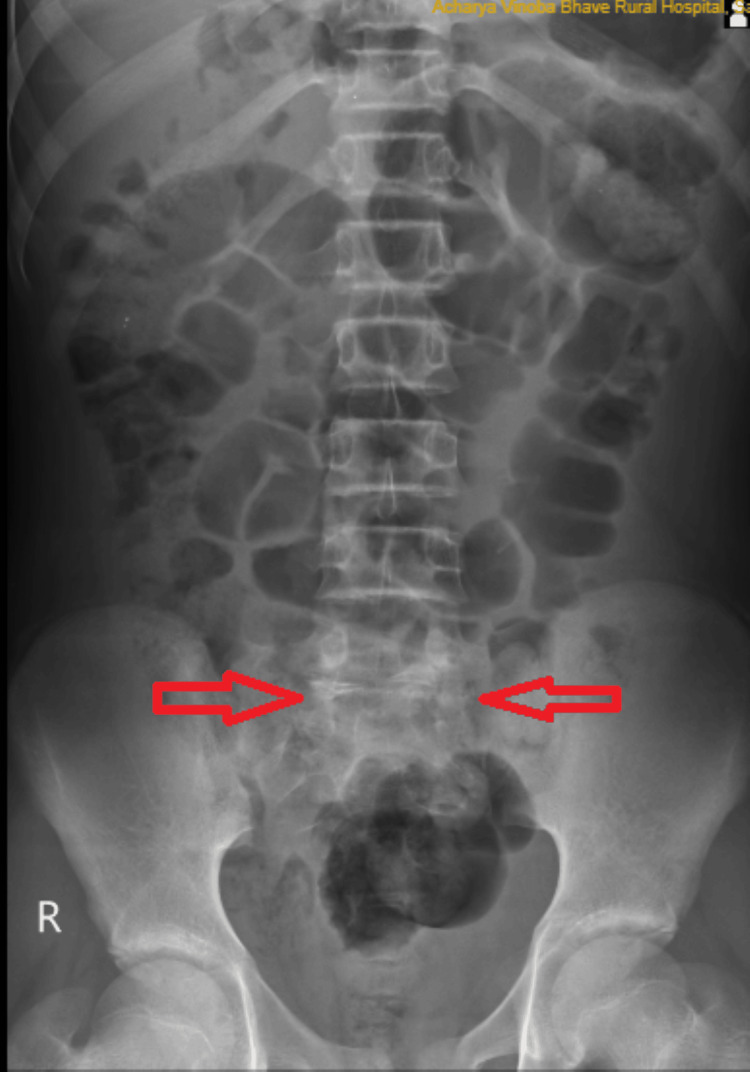 Figure 1
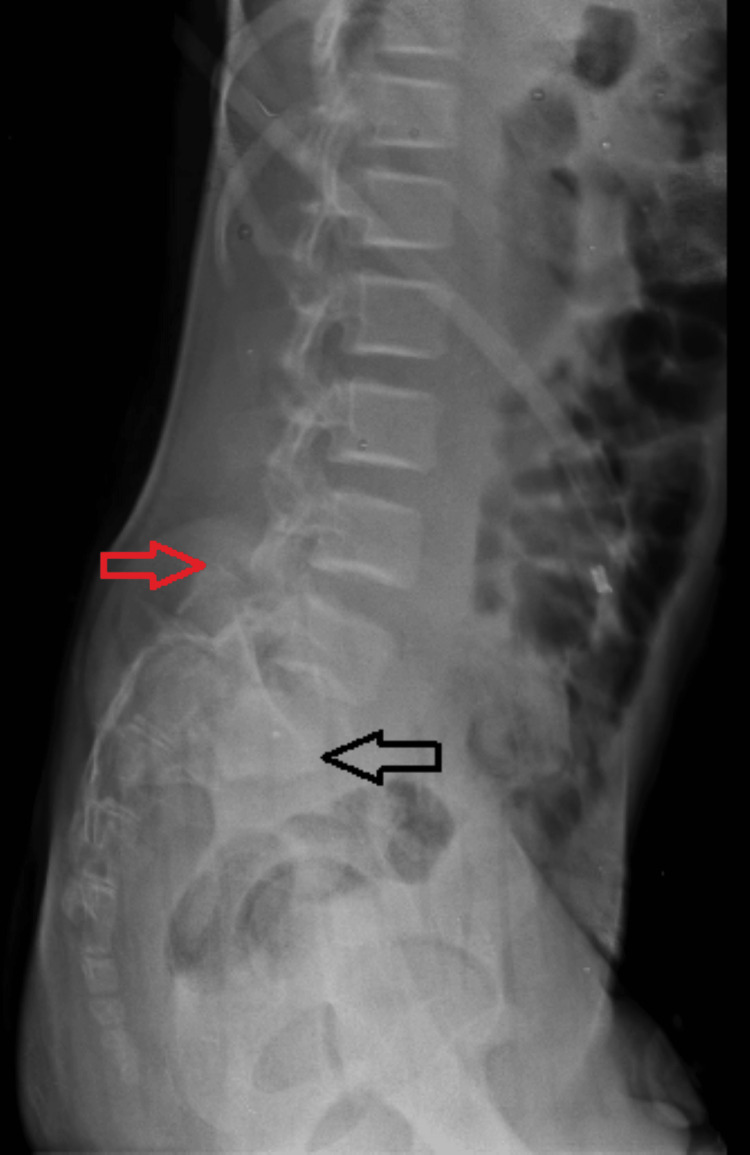 Figure 2
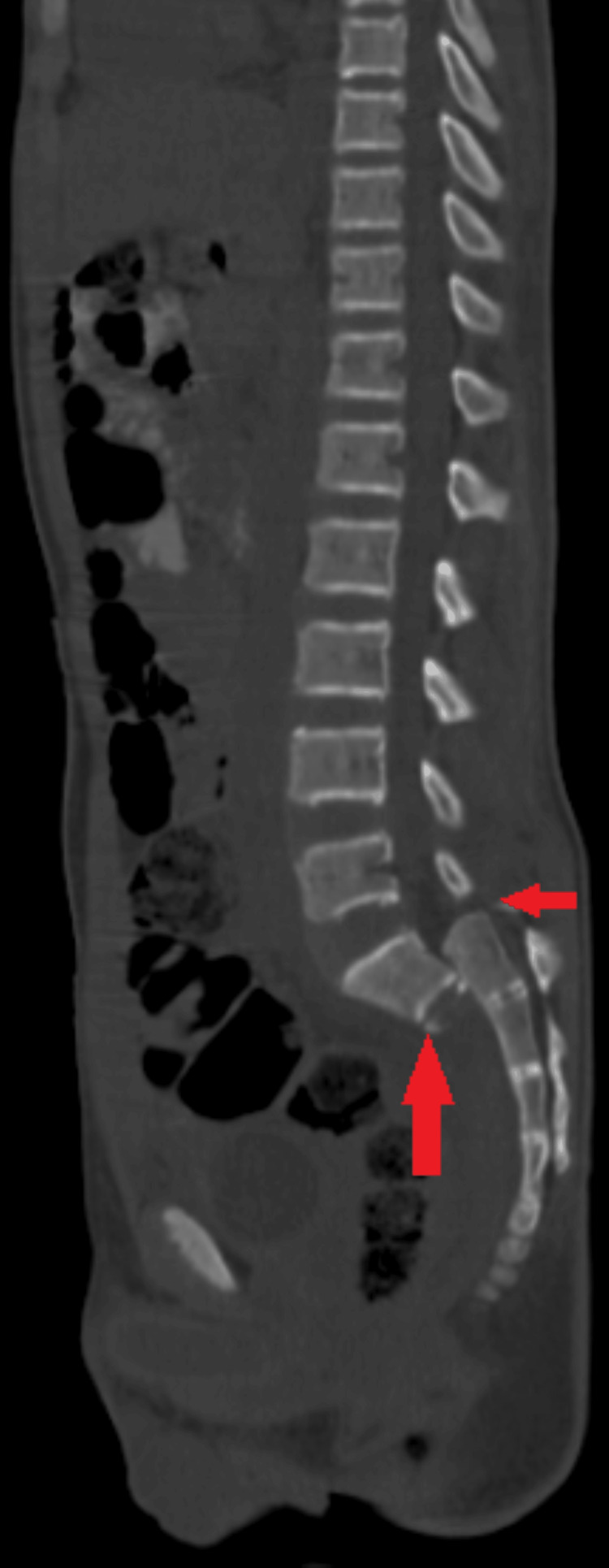 Figure 3
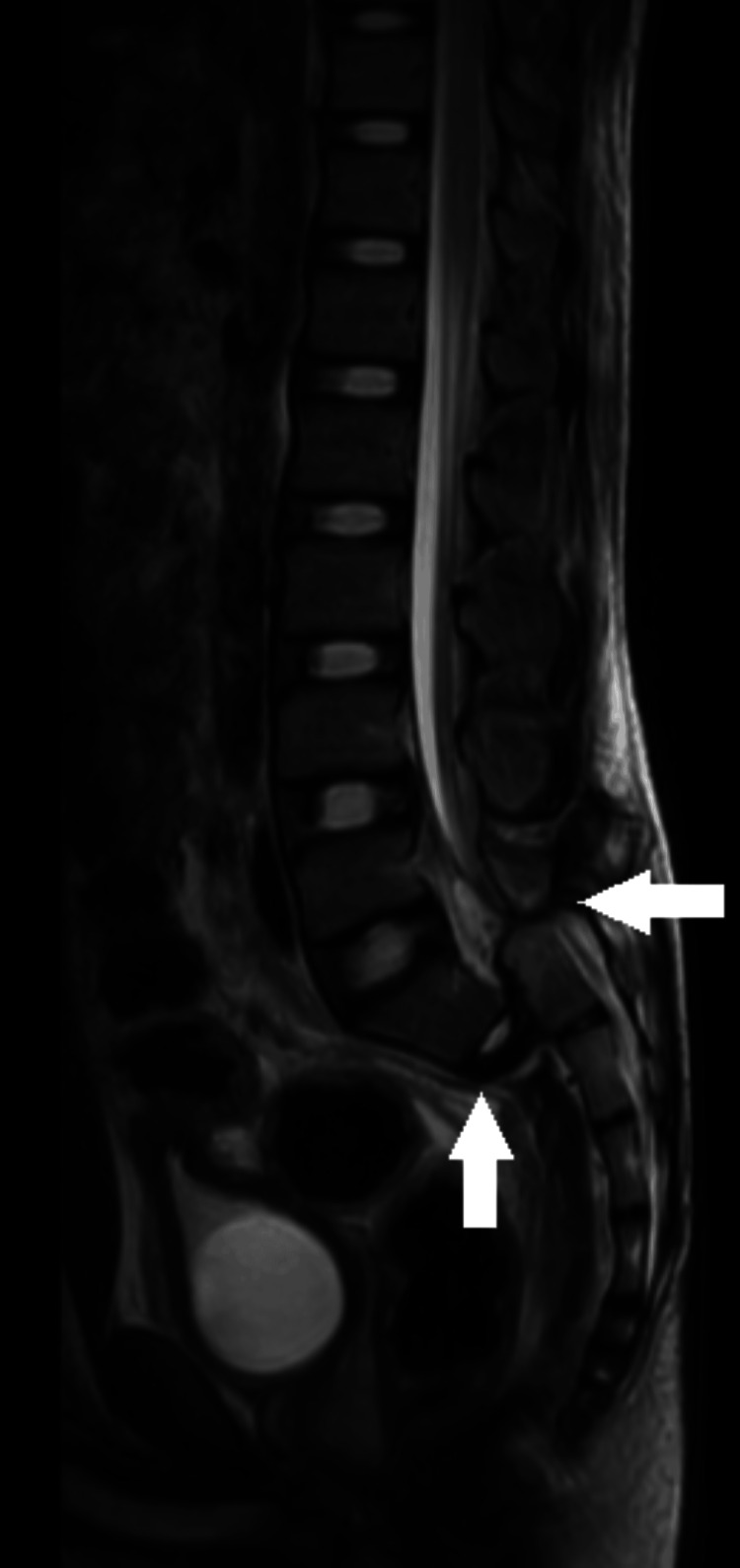 Figure 4
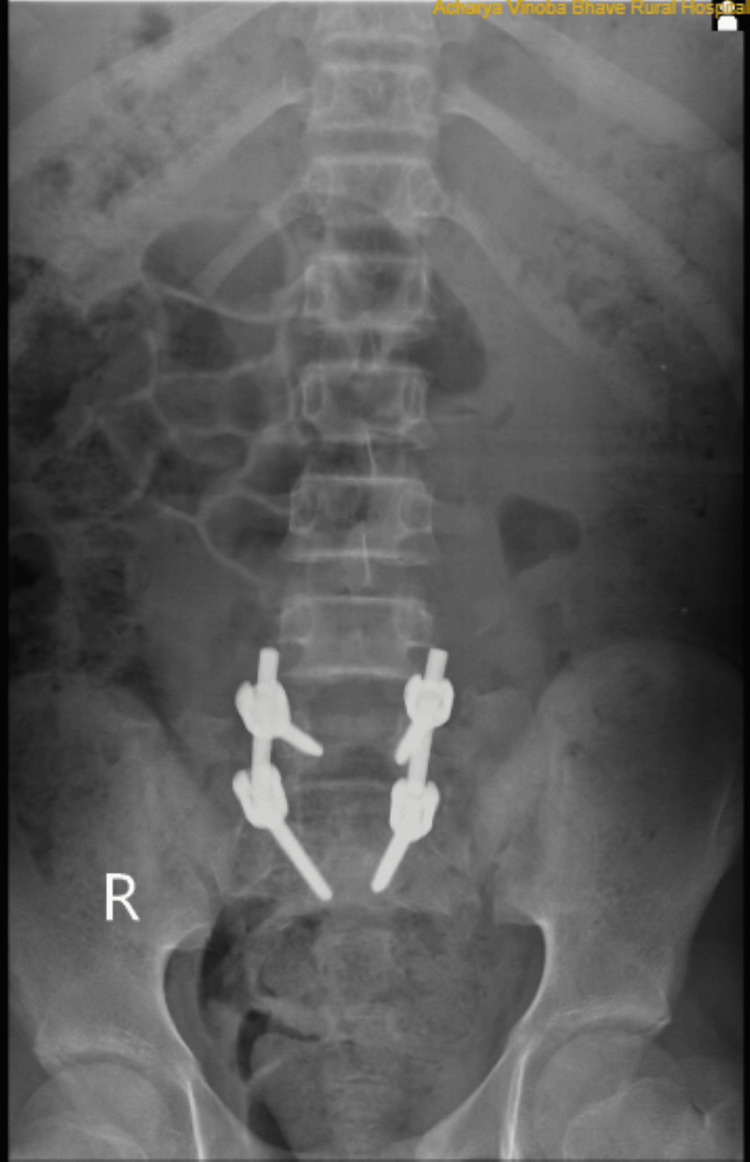 Figure 5
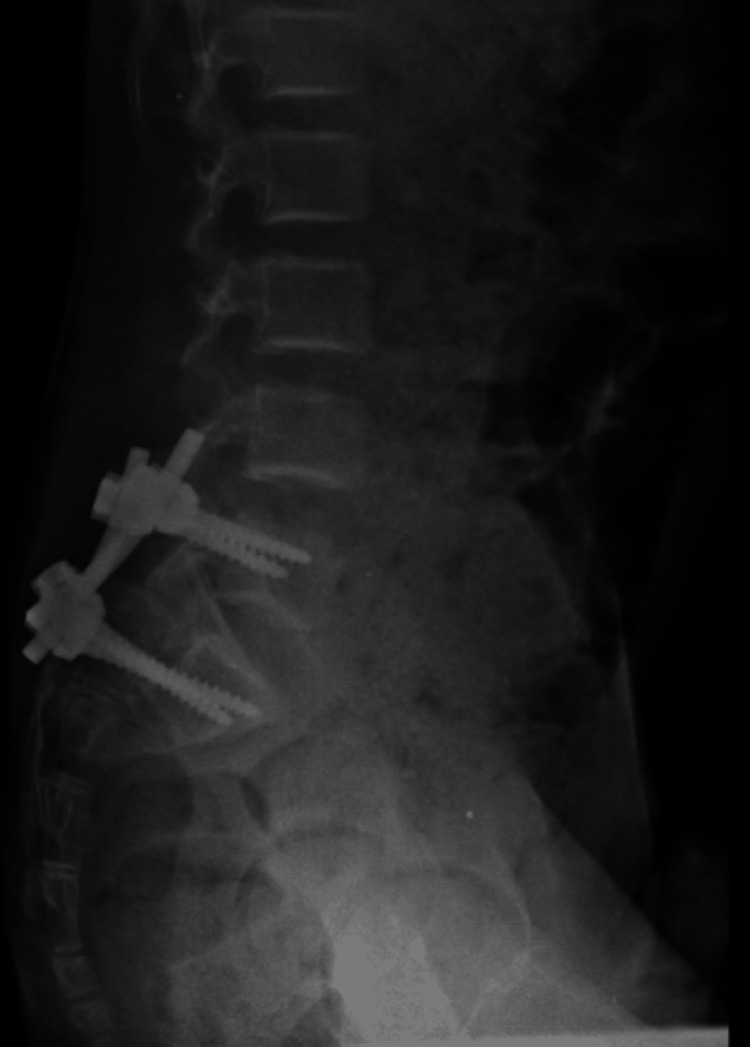 Figure 6
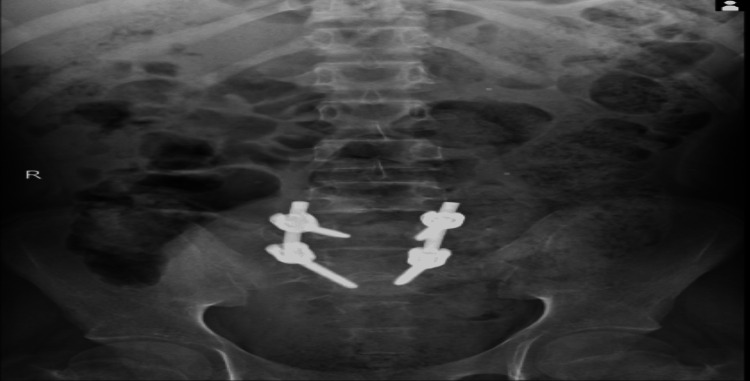 Figure 7
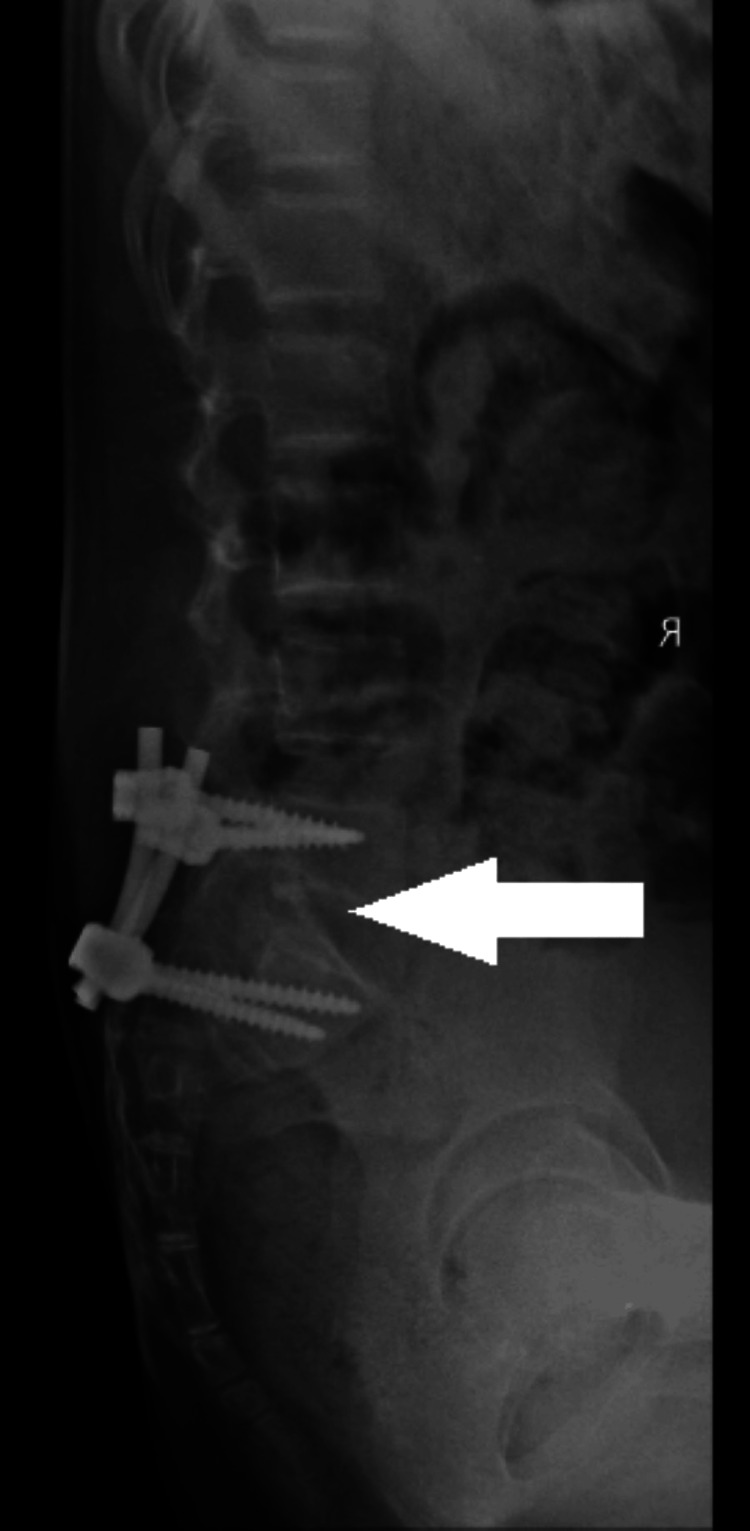 Figure 8
Peer Reviews
No public reviews on file for this paper yet. If you reviewed it on a platform where reviews are public (OpenReview, ICLR, NeurIPS, ICML), you can paste yours below so the community can read it here.
Videos
No videos yet. Explain this paper in a talk, walkthrough, or lecture? Add one.
Taxonomy
TopicsSpinal Fractures and Fixation Techniques · Spine and Intervertebral Disc Pathology · Pelvic and Acetabular Injuries