Oculocardiac Reflex in a Patient With Maxillofacial Trauma: A Case Study and Literature Review
Ayush Kharia, Srerama Janardhana Rao, Vertika Dubey, Sumit Bhatt, Drishti Bhatt, Fawaz Baig

TL;DR
This paper reports a case of oculocardiac reflex during maxillofacial surgery and discusses its management and implications.
Contribution
The novelty lies in presenting a real-world case and reviewing OCR's mechanisms and management in maxillofacial trauma.
Findings
OCR can manifest as bradycardia and asystole during maxillofacial surgery.
Atropine administration and surgery interruption can manage OCR symptoms effectively.
Abstract
Oculocardiac reflex (OCR), presenting as bradycardia and asystole, is a potential intraoperative complication that may occur during maxillofacial trauma surgery. Bradycardia is the most common symptom of this phenomenon. Surgeons should be aware of its long-term effects, such as arrhythmias and even cardiac arrest. We report the case of a 40-year-old male patient with a fracture of the floor of the orbit. During a surgical exploration of the orbital floor, the patient exhibited sudden symptoms of OCR. It was managed by withholding the surgery and administering atropine. The article also highlights the mechanism, types, incidence, and management of OCR in patients with maxillofacial trauma.
Genes, proteins, chemicals, diseases, species, mutations and cell lines named across the full text — each resolved to its canonical identifier and authoritative record.
Click any figure to enlarge with its caption.
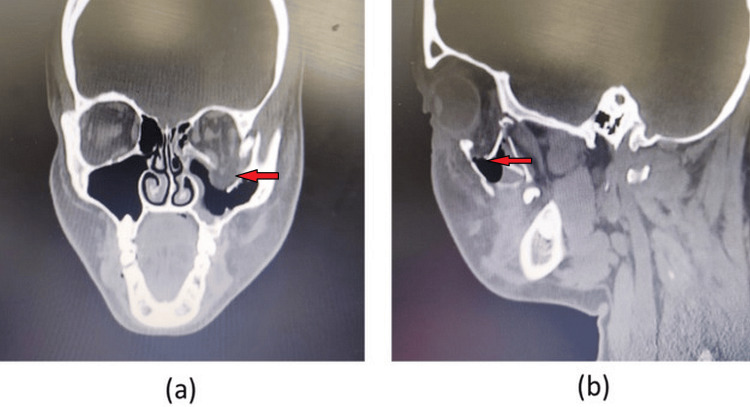 Figure 1
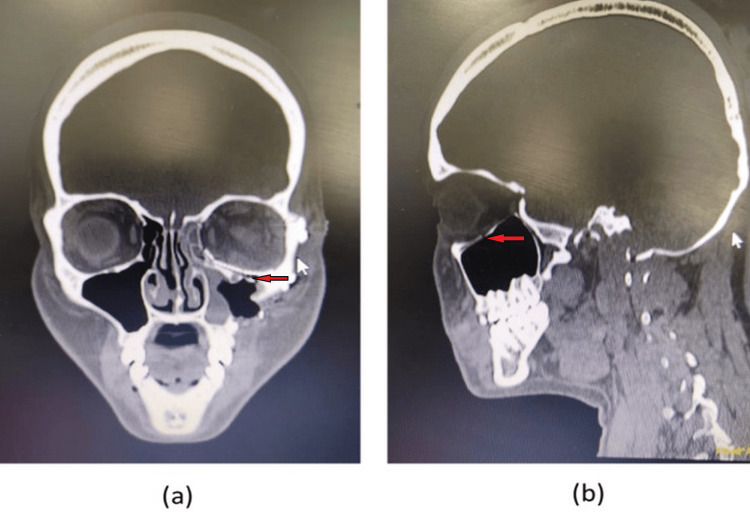 Figure 2
Peer Reviews
No public reviews on file for this paper yet. If you reviewed it on a platform where reviews are public (OpenReview, ICLR, NeurIPS, ICML), you can paste yours below so the community can read it here.
Videos
No videos yet. Explain this paper in a talk, walkthrough, or lecture? Add one.
Taxonomy
TopicsTrigeminal Neuralgia and Treatments · Facial Trauma and Fracture Management · Migraine and Headache Studies