Morphological features of the acetabulum with coxa profunda in women: a retrospective observational study
Michitaka Kato, Takanori Ando, Shingo Mitamura

TL;DR
This study examines the acetabular morphology in women with coxa profunda, revealing differences in acetabular structure that suggest a link to acetabular dysplasia rather than pincer-type hip issues.
Contribution
The study reclassifies coxa profunda as a sign of acetabular dysplasia, impacting hip arthroplasty approaches.
Findings
Coxa profunda is associated with increased acetabular anteversion and thinner acetabular walls.
The ilioischial line is positioned more posteriorly in coxa profunda cases.
Findings suggest coxa profunda reflects acetabular dysplasia rather than excessive coverage.
Abstract
The morphology of coxa profunda remains inadequately understood. However, knowledge about the characteristics of the acetabulum in coxa profunda can help to predict pelvic morphology in three dimensions based on radiographic findings, as well as help to diagnose and predict hip pathologies. Therefore, this study aimed to investigate the relationship between the morphological characteristics of the pelvis and coxa profunda. We conducted a retrospective analysis including women who had undergone unilateral total hip arthroplasty. Only those with normal hip joint morphology on the opposite side, as evidenced by anteroposterior pelvic radiography showing a distance of ≥ 2 mm between the ilioischial line and acetabular floor, were included. Five parameters related to acetabular anteversion, thickness, and the position of the ilioischial line were measured using axial computed tomography at…
Genes, proteins, chemicals, diseases, species, mutations and cell lines named across the full text — each resolved to its canonical identifier and authoritative record.
Click any figure to enlarge with its caption.
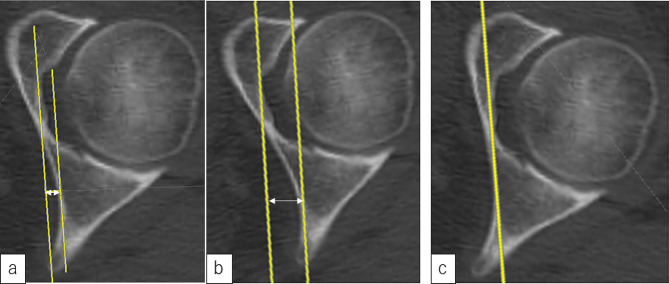 Figure 1
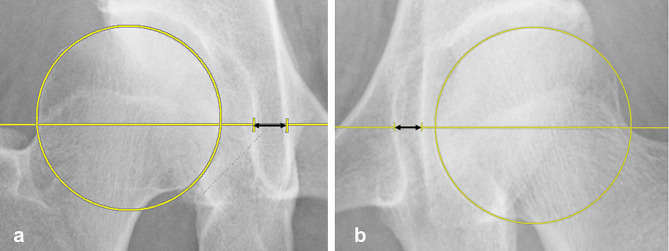 Figure 2
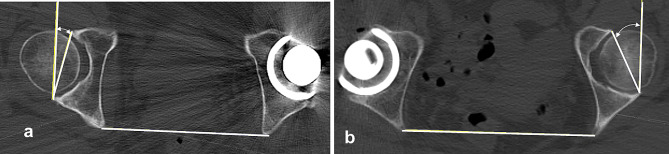 Figure 3
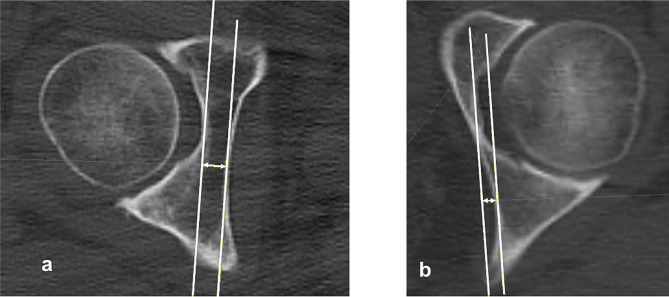 Figure 4
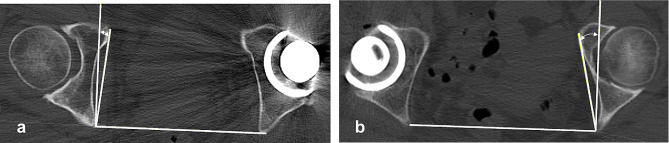 Figure 5
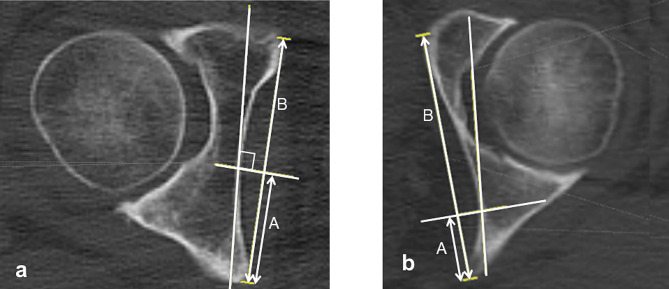 Figure 6
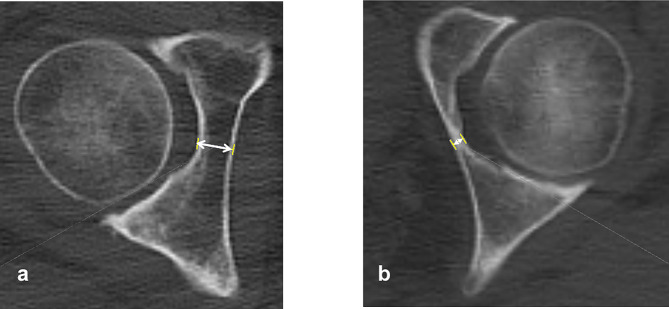 Figure 7
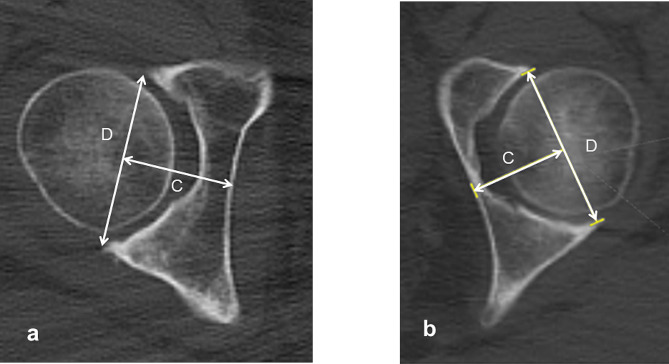 Figure 8
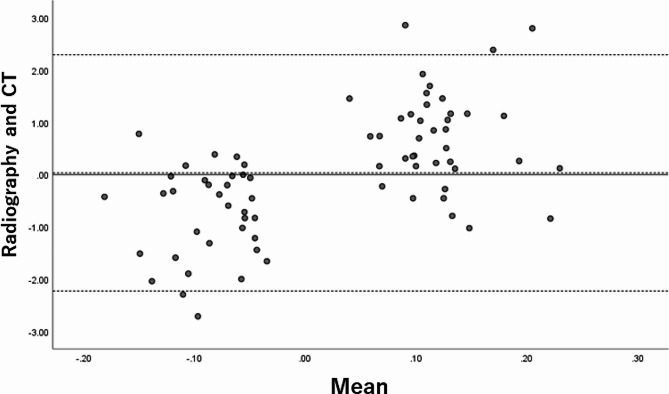 Figure 9
Peer Reviews
No public reviews on file for this paper yet. If you reviewed it on a platform where reviews are public (OpenReview, ICLR, NeurIPS, ICML), you can paste yours below so the community can read it here.
Videos
No videos yet. Explain this paper in a talk, walkthrough, or lecture? Add one.
Taxonomy
TopicsHip disorders and treatments · Orthopaedic implants and arthroplasty · Pelvic and Acetabular Injuries