Interferon-gamma producing CD4+ T cells quantified by flow cytometry as early markers for Mycobacterium avium ssp. paratuberculosis infection in cattle
Hakan Bulun, Philip S. Bridger, Simone Schillinger, Ömer Akineden, Stefanie A. Barth, Marta Fischer, Manfred Henrich, Torsten Seeger, Klaus Doll, Michael Bülte, Rolf Bauerfeind, Christian Menge

TL;DR
This study shows that measuring IFN-gamma in CD4+ T cells using flow cytometry can detect Mycobacterium avium ssp. paratuberculosis infection in calves earlier than current methods.
Contribution
The study introduces a flow cytometry-based method to detect early MAP infection by quantifying IFN-γ in CD4+ T cells.
Findings
IFN-γ production in CD4+ T cells allowed differentiation of infected and control calves from 16 weeks post-inoculation.
The method showed higher sensitivity and specificity than the IFN-γ release assay (IGRA) in early infection stages.
No antigen-specific IFN-γ was detected in CD8+ T cells throughout the study.
Abstract
Current diagnostic methods for Johne’s disease in cattle allow reliable detection of infections with Mycobacterium avium ssp. paratuberculosis (MAP) not before animals are 2 years of age. Applying a flow cytometry-based approach (FCA) to quantify a MAP-specific interferon-gamma (IFN-γ) response in T cell subsets, the present study sought to monitor the kinetics of the cell-mediated immune response in experimentally infected calves. Six MAP-negative calves and six calves, orally inoculated with MAP at 10 days of age, were sampled every 4 weeks for 52 weeks post-inoculation (wpi). Peripheral blood mononuclear cells (PBMC) were stimulated with either purified protein derivatives (PPD) or whole cell sonicates derived from MAP (WCSj), M. avium ssp. avium or M. phlei for 6 days followed by labeling of intracellular IFN-γ in CD4+ and CD8+ T cells. No antigen-specific IFN-γ production was…
Genes, proteins, chemicals, diseases, species, mutations and cell lines named across the full text — each resolved to its canonical identifier and authoritative record.
Click any figure to enlarge with its caption.
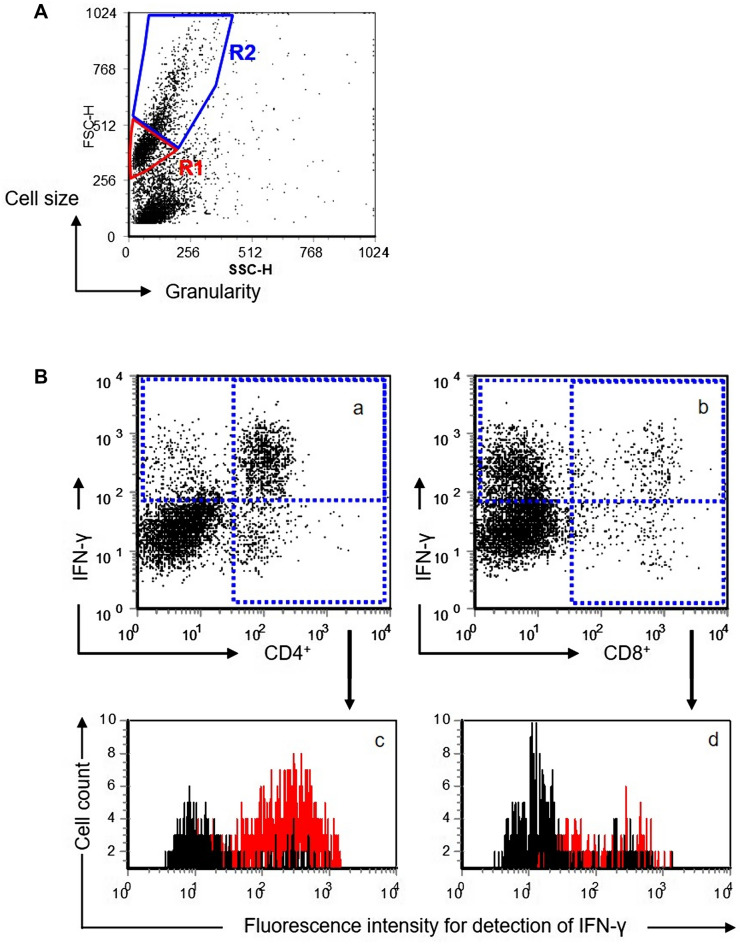 Figure 1
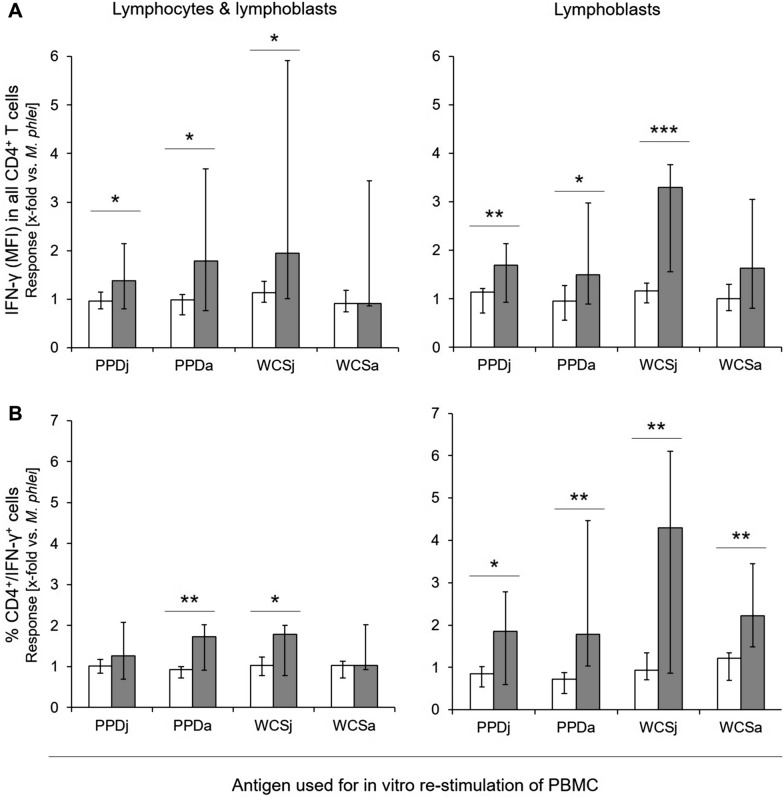 Figure 2
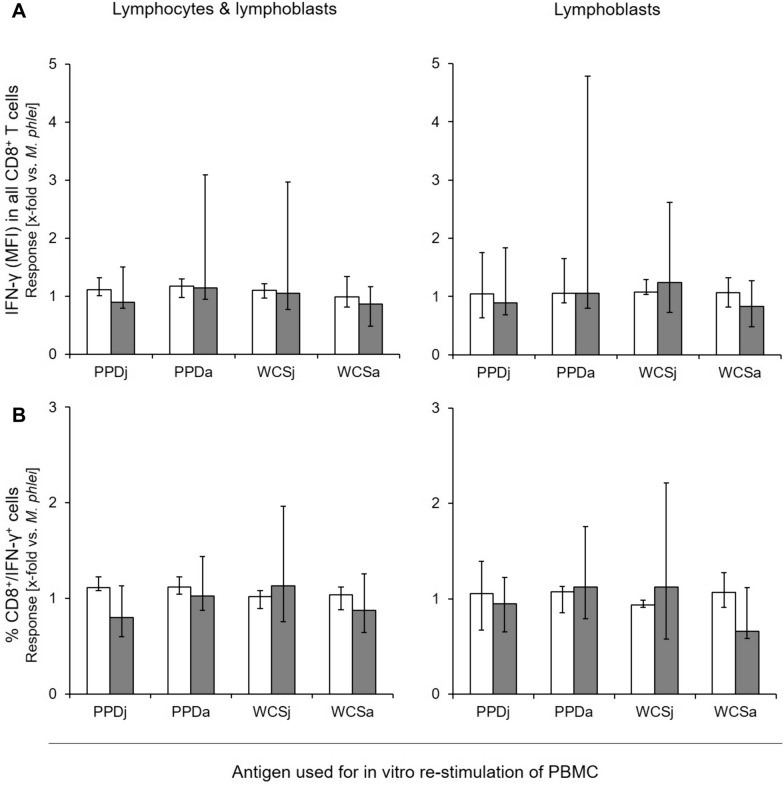 Figure 3
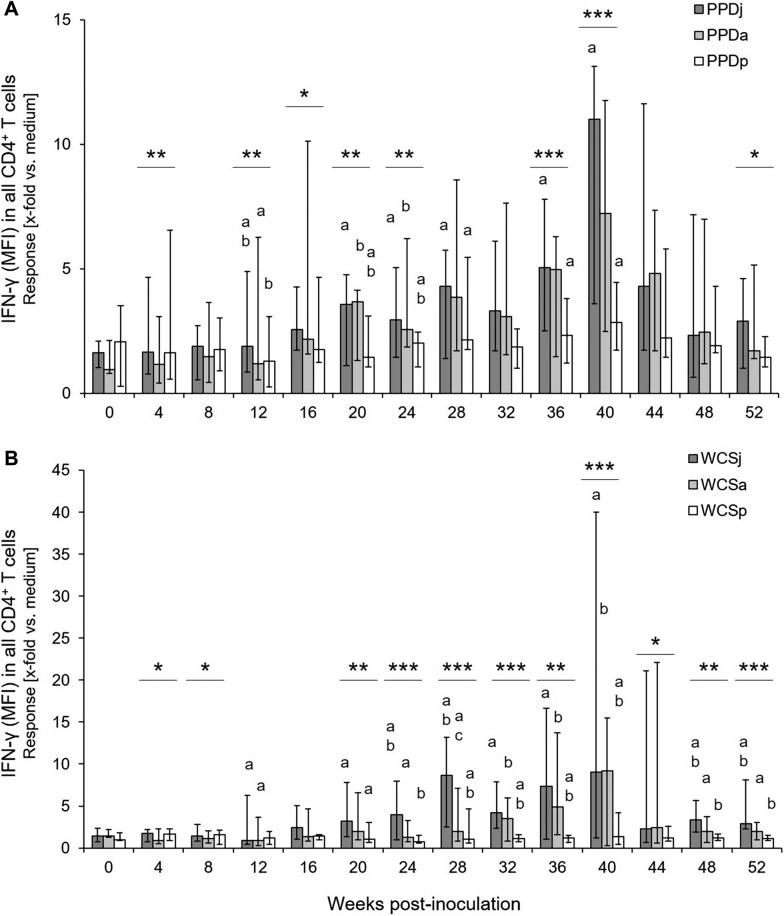 Figure 4
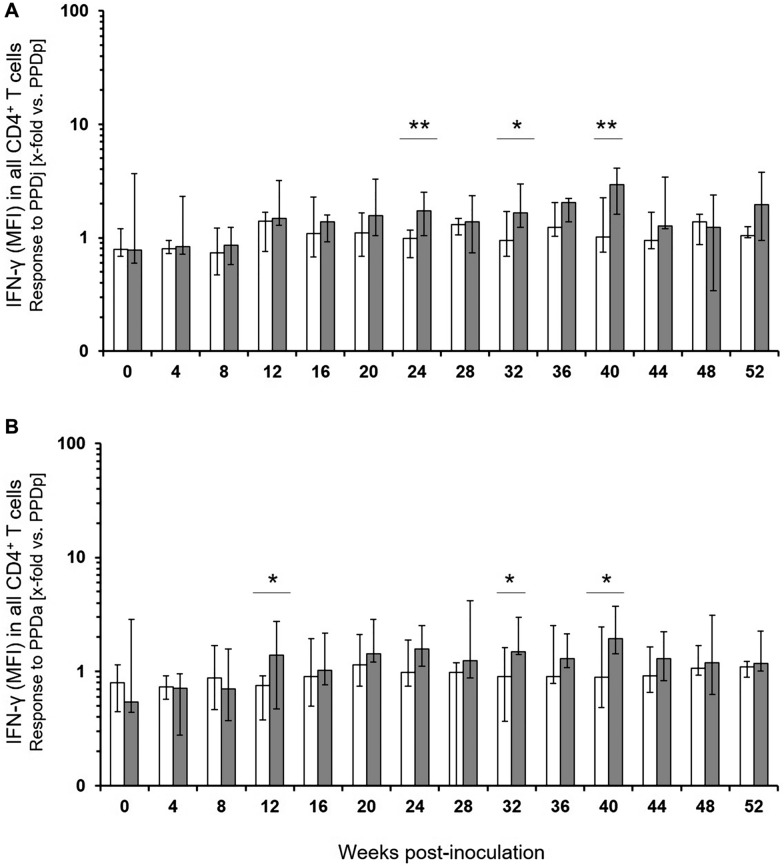 Figure 5
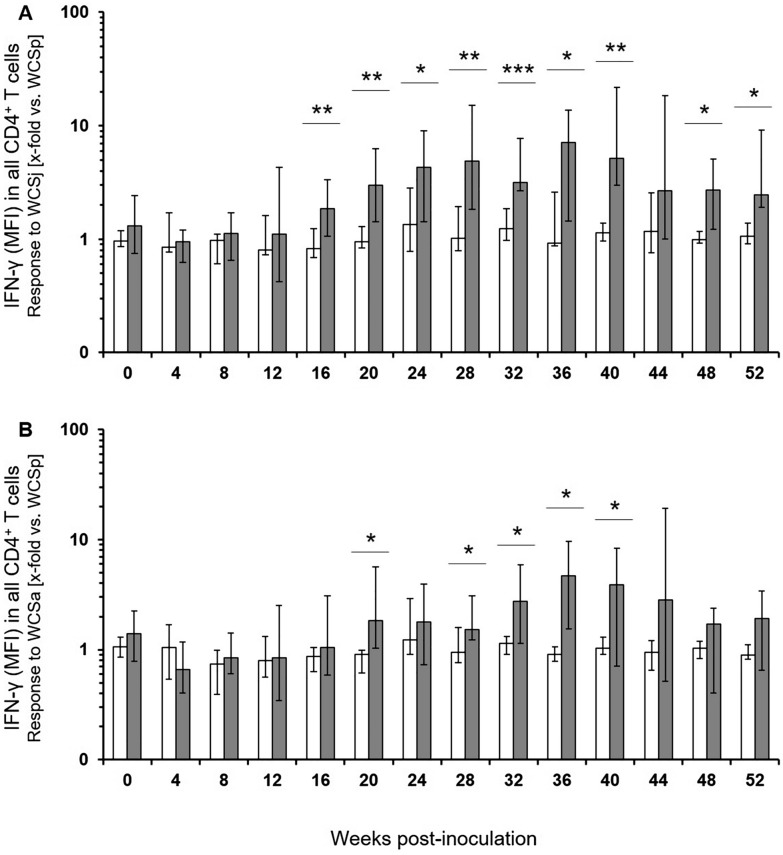 Figure 6
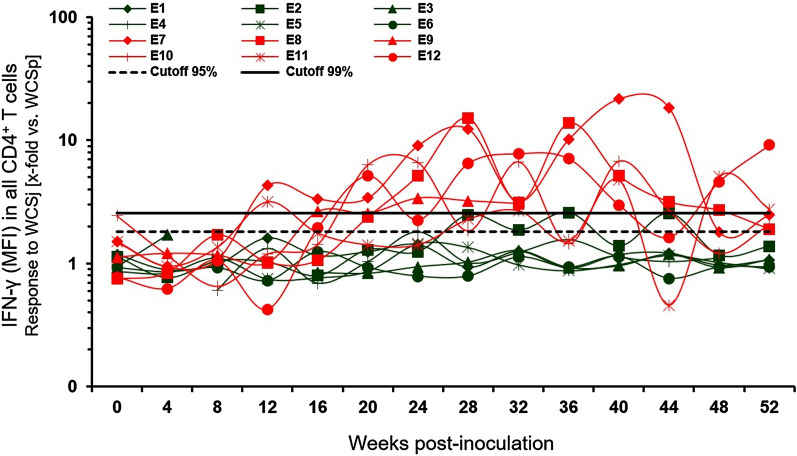 Figure 7
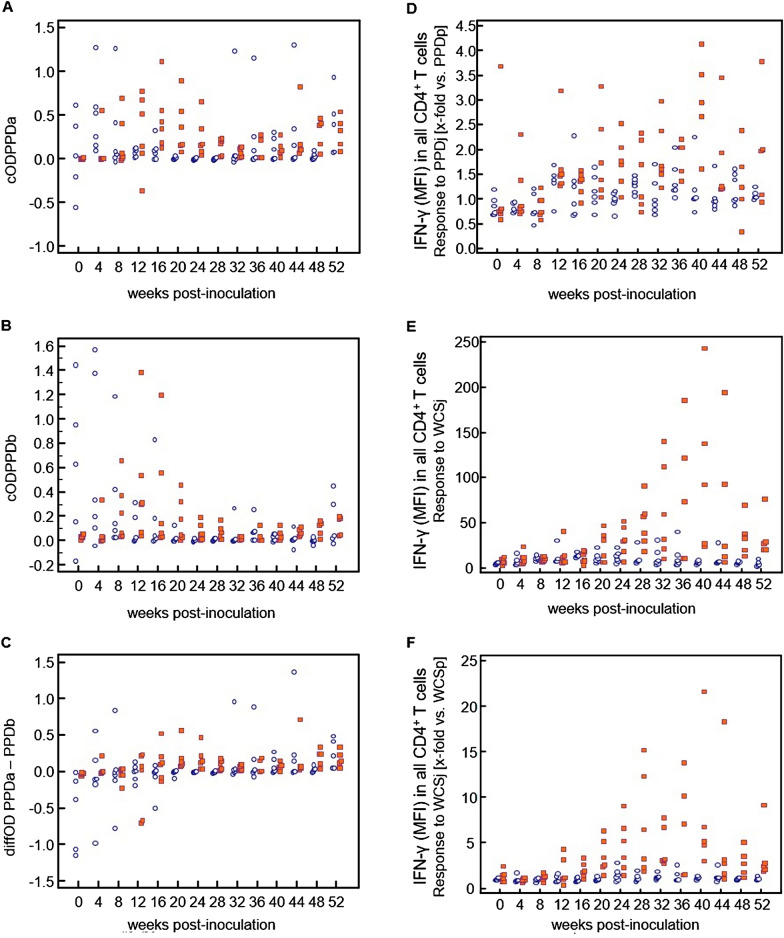 Figure 8
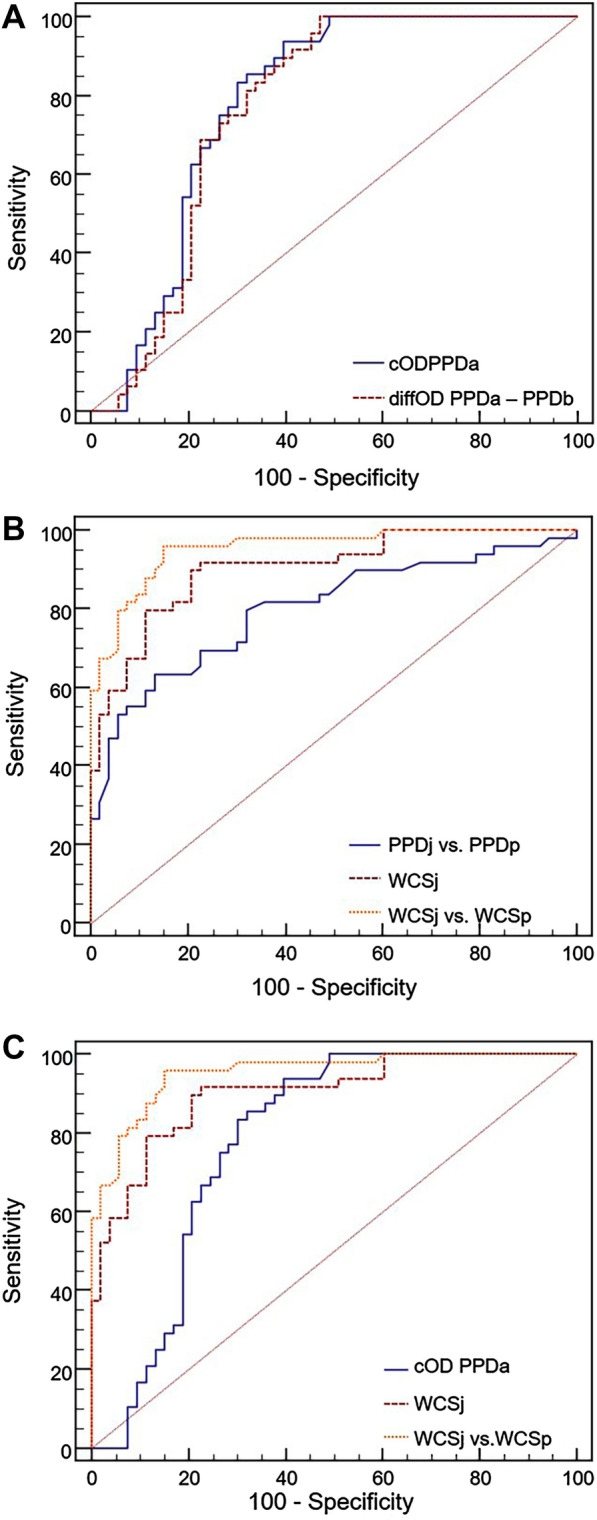 Figure 9
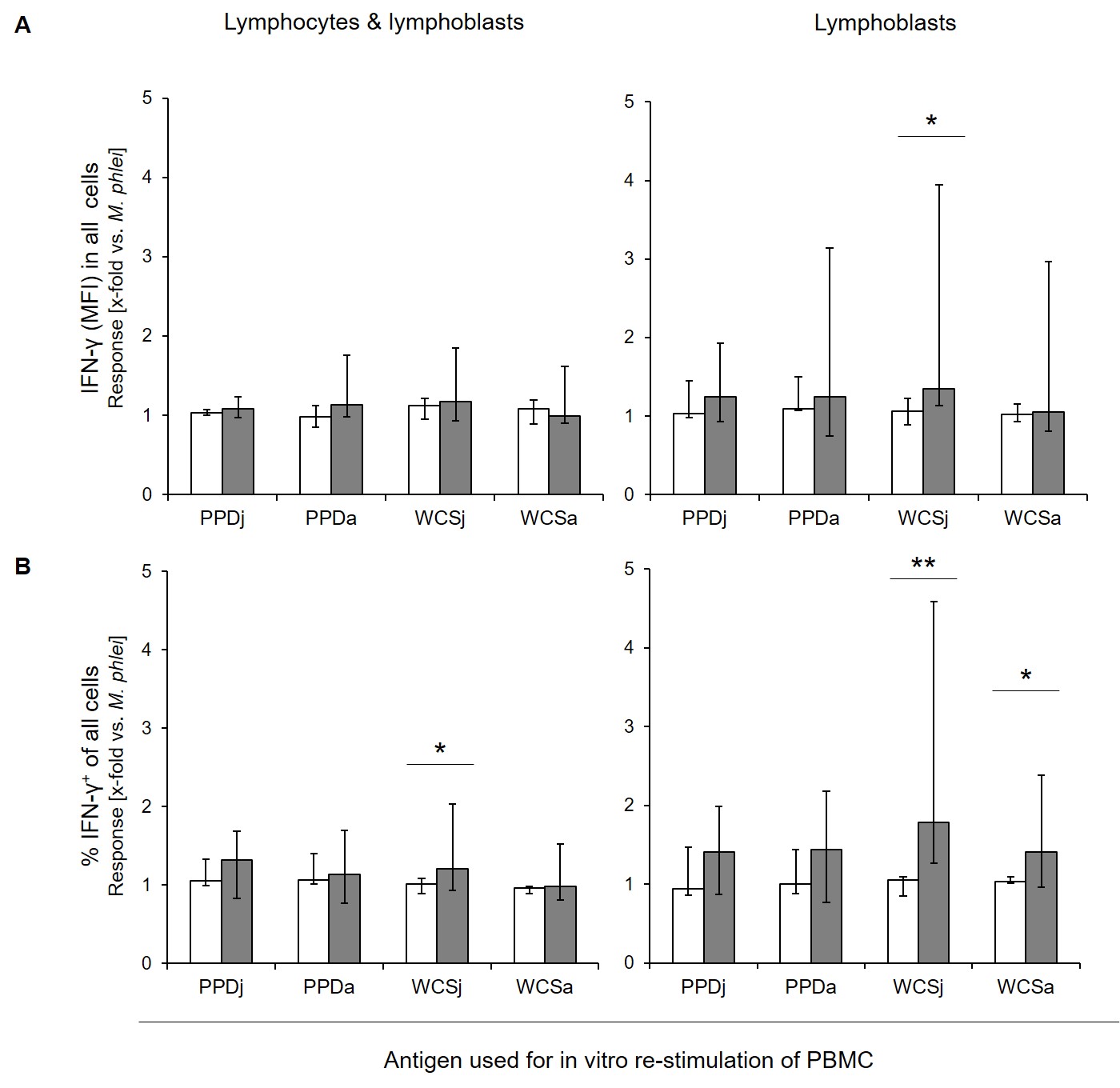 Figure 10
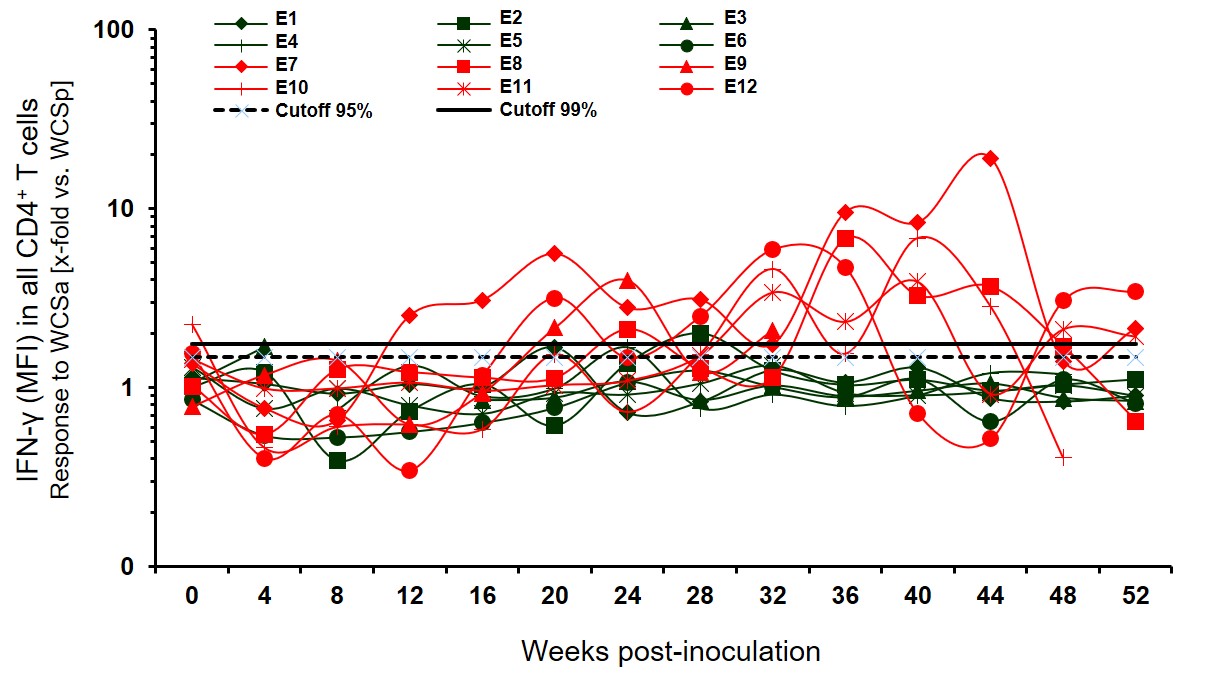 Figure 11
Peer Reviews
No public reviews on file for this paper yet. If you reviewed it on a platform where reviews are public (OpenReview, ICLR, NeurIPS, ICML), you can paste yours below so the community can read it here.
Videos
No videos yet. Explain this paper in a talk, walkthrough, or lecture? Add one.
Taxonomy
TopicsMycobacterium research and diagnosis · Infectious Diseases and Mycology · Tuberculosis Research and Epidemiology