A computational analysis of the role of integrins and Rho-GTPases in the emergence and disruption of apical-basal polarization in renal epithelial cells
Maria J. Hagelaars, Milica Nikolic, Maud Vermeulen, Sylvia Dekker, Carlijn V. C. Bouten, Sandra Loerakker

TL;DR
This study uses a computational model to show how integrins and Rho-GTPases control the formation and stability of cell polarity in kidney cells.
Contribution
A novel computational framework integrating protein interactions to reveal how integrins and Rho-GTPases regulate apical-basal polarization.
Findings
Polarization requires a minimum concentration of integrins to initiate.
Polarization is stable once formed and can only be disrupted by complete degradation of Rho and Cdc42.
Reduced Rho-GTPase Rho levels coincide with epithelial-to-mesenchymal transition in experiments.
Abstract
Apical-basal polarization in renal epithelial cells is crucial to renal function and an important trigger for tubule formation in kidney development. Loss of polarity can induce epithelial-to-mesenchymal transition (EMT), which can lead to kidney pathologies. Understanding the relative and combined roles of the involved proteins and their interactions that govern epithelial polarity may provide insights for controlling the process of polarization via chemical or mechanical manipulations in an in vitro or in vivo setting. Here, we developed a computational framework that integrates several known interactions between integrins, Rho-GTPases Rho, Rac and Cdc42, and polarity complexes Par and Scribble, to study their mutual roles in the emergence of polarization. The modeled protein interactions were shown to induce the emergence of polarized distributions of Rho-GTPases, which in turn led…
Genes, proteins, chemicals, diseases, species, mutations and cell lines named across the full text — each resolved to its canonical identifier and authoritative record.
Click any figure to enlarge with its caption.
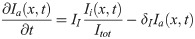 Figure 1
 Figure 2
 Figure 3
 Figure 4
 Figure 5
 Figure 6
 Figure 7
 Figure 8
 Figure 9
 Figure 10
 Figure 11
 Figure 12
 Figure 13
 Figure 14
 Figure 15
 Figure 16
 Figure 17
 Figure 18
 Figure 19
 Figure 20
 Figure 21
 Figure 22
 Figure 23
 Figure 24
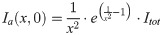 Figure 25
 Figure 26
 Figure 27
 Figure 28
 Figure 29
 Figure 30
 Figure 31
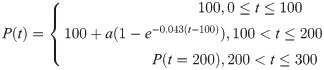 Figure 32
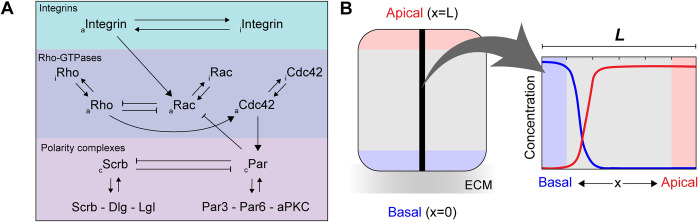 Figure 33
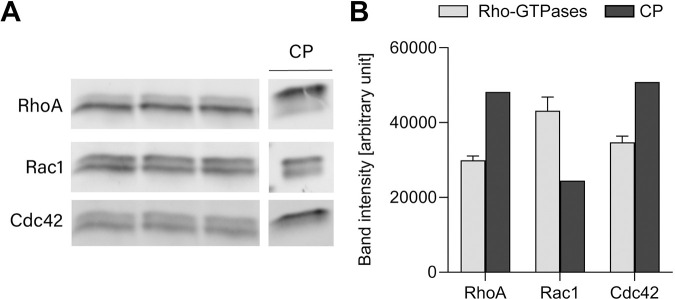 Figure 34
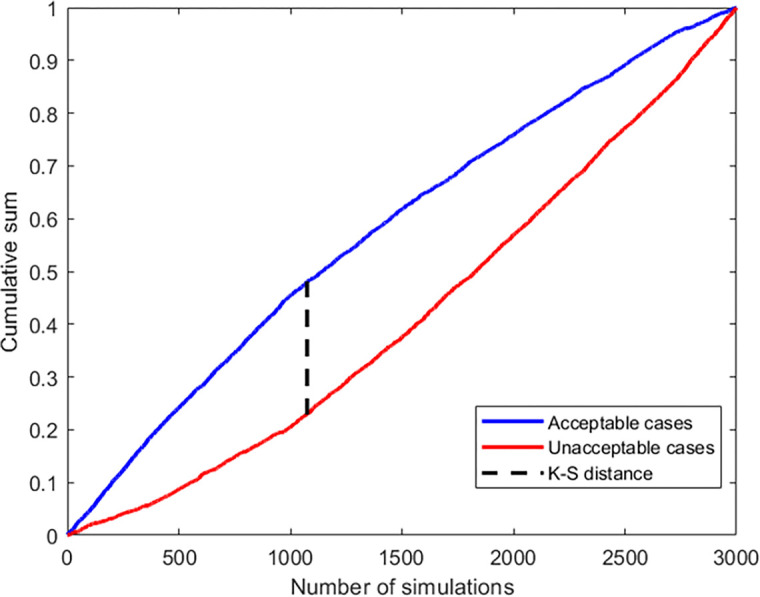 Figure 35
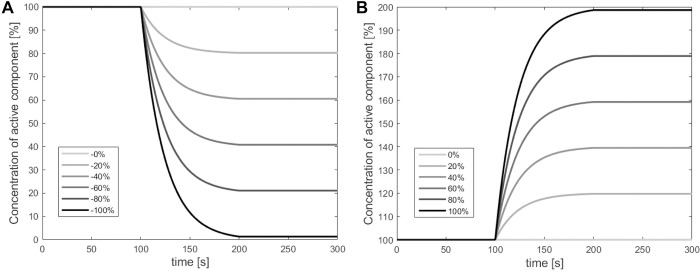 Figure 36
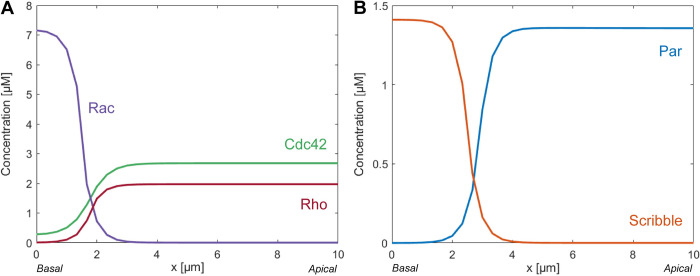 Figure 37
 Figure 38
 Figure 39
 Figure 40
 Figure 41
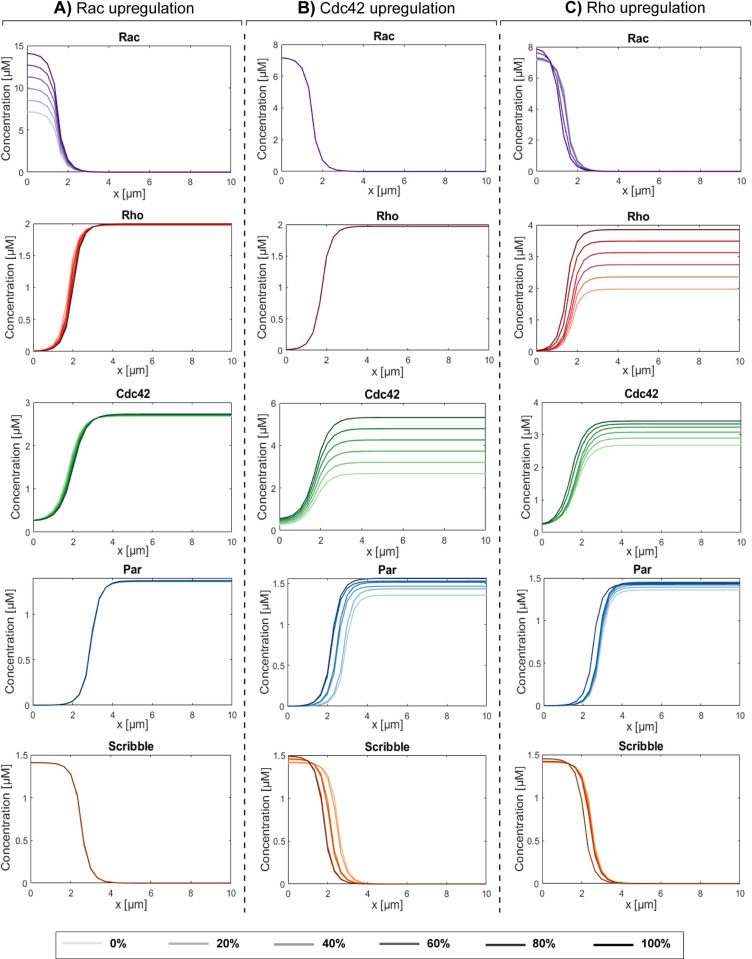 Figure 42
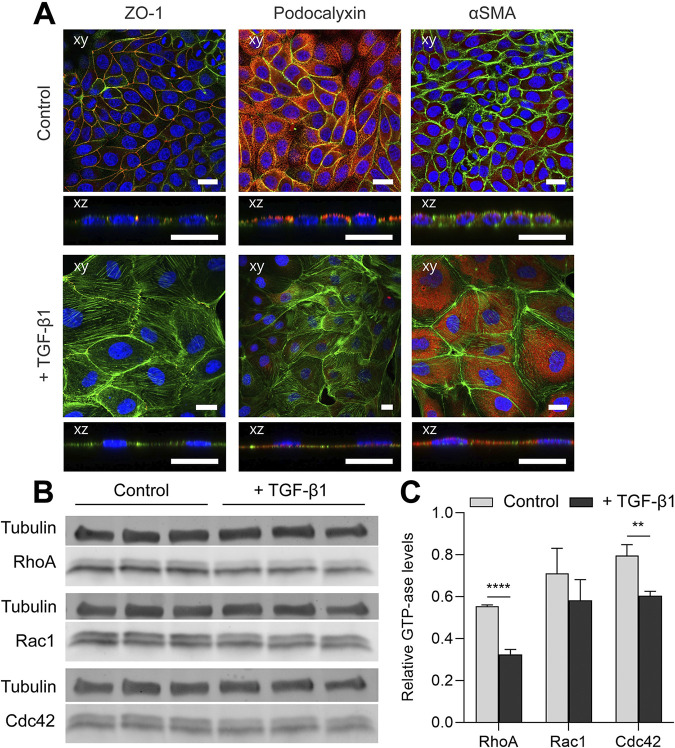 Figure 43
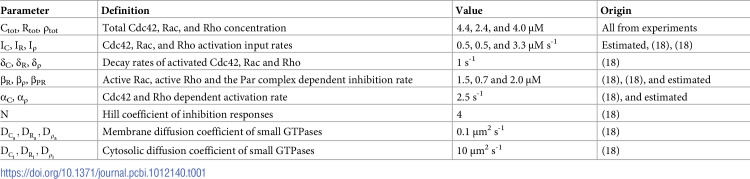 Figure 44
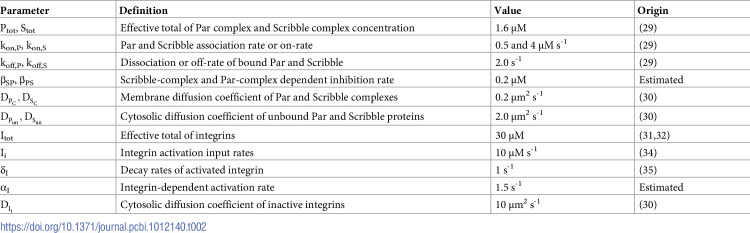 Figure 45
Peer Reviews
No public reviews on file for this paper yet. If you reviewed it on a platform where reviews are public (OpenReview, ICLR, NeurIPS, ICML), you can paste yours below so the community can read it here.
Videos
No videos yet. Explain this paper in a talk, walkthrough, or lecture? Add one.
Taxonomy
TopicsRenal and related cancers · Hippo pathway signaling and YAP/TAZ · Wnt/β-catenin signaling in development and cancer