Cryptococcus neoformans Slu7 ensures nuclear positioning during mitotic progression through RNA splicing
Vishnu Priya Krishnan, Manendra Singh Negi, Raghavaram Peesapati, Usha Vijayraghavan, Steven B. Haase, Eva H. Stukenbrock, Steven B. Haase, Eva H. Stukenbrock

TL;DR
This study shows that the splicing factor CnSlu7 in Cryptococcus neoformans is essential for proper nuclear positioning during mitosis by regulating gene expression.
Contribution
The study reveals a novel role of the conserved splicing factor Slu7 in ensuring nuclear positioning during mitosis in an intron-rich fungal pathogen.
Findings
CnSlu7 is essential for viability and cell cycle progression, particularly during mitosis.
Depletion of CnSlu7 causes nuclear and spindle positioning defects without activating the SAC.
CnSlu7-dependent splicing of specific genes is critical for nuclear migration and cell cycle regulation.
Abstract
The position of the nucleus before it divides during mitosis is variable in different budding yeasts. Studies in the pathogenic intron-rich fungus Cryptococcus neoformans reveal that the nucleus moves entirely into the daughter bud before its division. Here, we report functions of a zinc finger motif containing spliceosome protein C. neoformans Slu7 (CnSlu7) in cell cycle progression. The budding yeast and fission yeast homologs of Slu7 have predominant roles for intron 3’ splice site definition during pre-mRNA splicing. Using a conditional knockdown strategy, we show CnSlu7 is an essential factor for viability and is required for efficient cell cycle progression with major role during mitosis. Aberrant nuclear migration, including improper positioning of the nucleus as well as the spindle, were frequently observed in cells depleted of CnSlu7. However, cell cycle delays observed due to…
Genes, proteins, chemicals, diseases, species, mutations and cell lines named across the full text — each resolved to its canonical identifier and authoritative record.
Click any figure to enlarge with its caption.
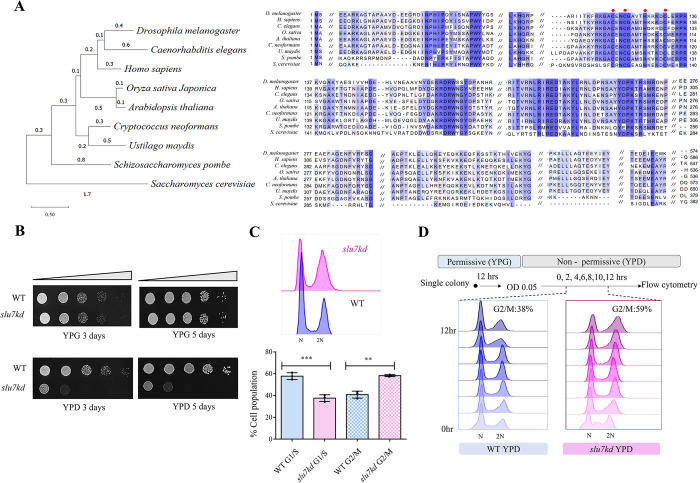 Figure 1
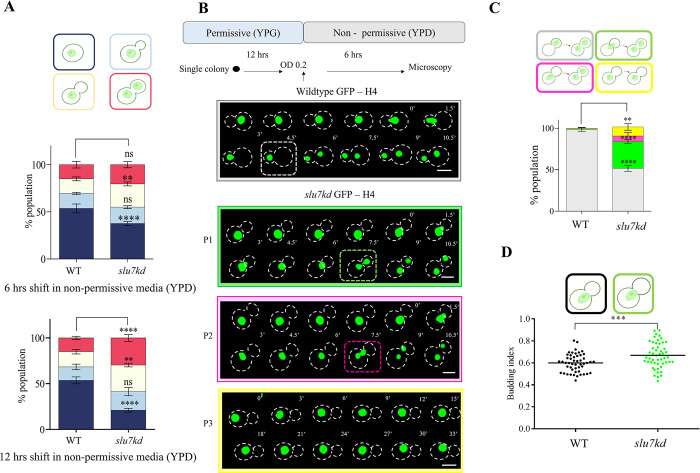 Figure 2
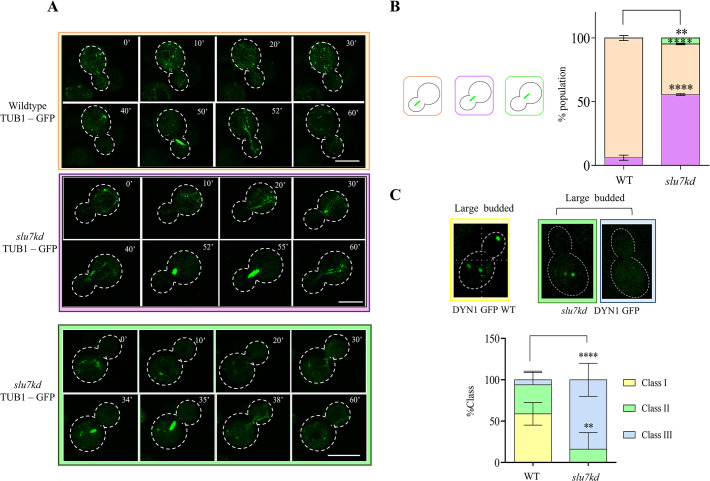 Figure 3
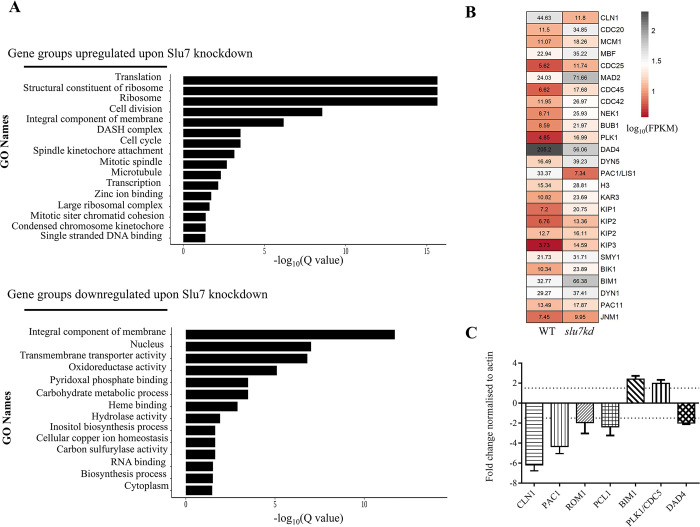 Figure 4
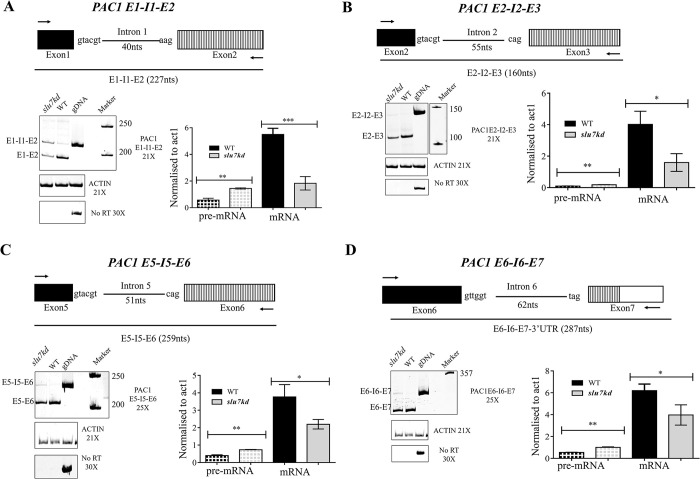 Figure 5
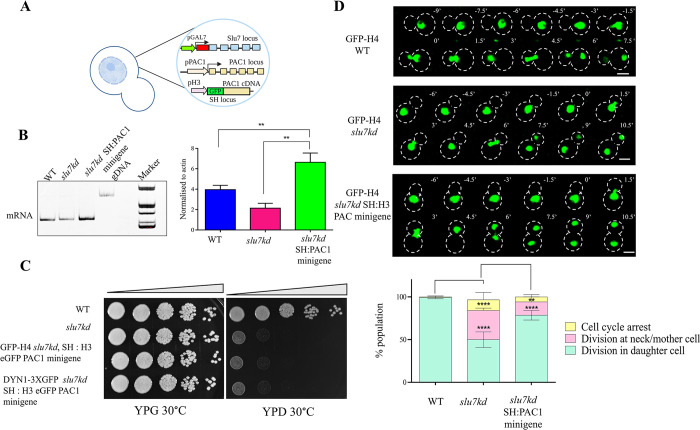 Figure 6
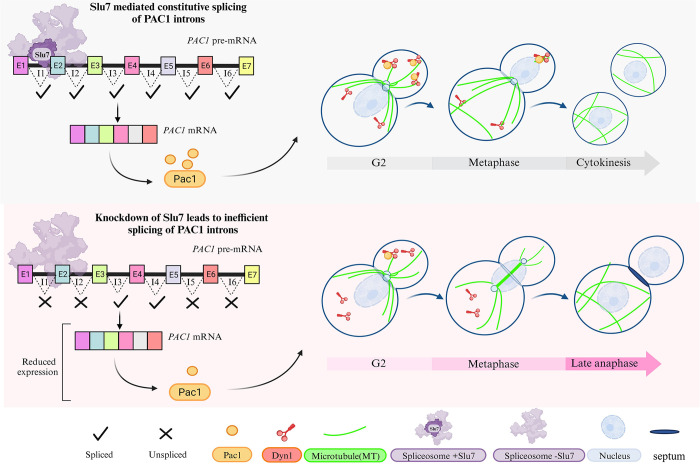 Figure 7
Peer Reviews
No public reviews on file for this paper yet. If you reviewed it on a platform where reviews are public (OpenReview, ICLR, NeurIPS, ICML), you can paste yours below so the community can read it here.
Videos
No videos yet. Explain this paper in a talk, walkthrough, or lecture? Add one.
Taxonomy
TopicsFungal Infections and Studies · Plant Disease Resistance and Genetics · Chromosomal and Genetic Variations