Distinct Network Patterns Emerge from Cartesian and XOR Epistasis Models: A Comparative Network Science Analysis
Zhendong Sha, Philip J. Freda, Priyanka Bhandary, Attri Ghosh, Nicholas Matsumoto, Jason H. Moore, Ting Hu

TL;DR
This study compares two models for detecting genetic interactions and finds that the XOR model reveals more meaningful biological patterns and complex genetic relationships in rats.
Contribution
The study introduces a network science approach to compare Cartesian and XOR epistasis models, revealing distinct network patterns and higher-order interactions.
Findings
XOR model-derived networks show enhanced sensitivity to epistatic interactions and reveal novel biological functions.
Triangle motifs in XOR networks suggest higher-order epistasis based on lower-order interactions.
Network approaches improve epistasis detection and provide deeper insights into genetic architectures of complex traits.
Abstract
Epistasis, the phenomenon where the effect of one gene (or variant) is masked or modified by one or more other genes, can significantly contribute to the observed phenotypic variance of complex traits. To date, it has been generally assumed that genetic interactions can be detected using a Cartesian, or multiplicative, interaction model commonly utilized in standard regression approaches. However, a recent study investigating epistasis in obesity-related traits in rats and mice has identified potential limitations of the Cartesian model, revealing that it only detects some of the genetic interactions occurring in these systems. By applying an alternative approach, the exclusive-or (XOR) model, the researchers detected a greater number of epistatic interactions and identified more biologically relevant ontological terms associated with the interacting loci. This suggests that the XOR…
Genes, proteins, chemicals, diseases, species, mutations and cell lines named across the full text — each resolved to its canonical identifier and authoritative record.
Click any figure to enlarge with its caption.
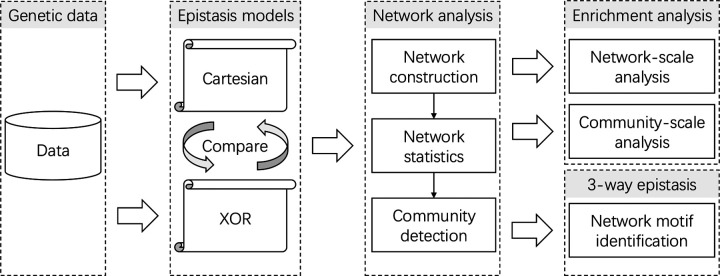 Figure 1
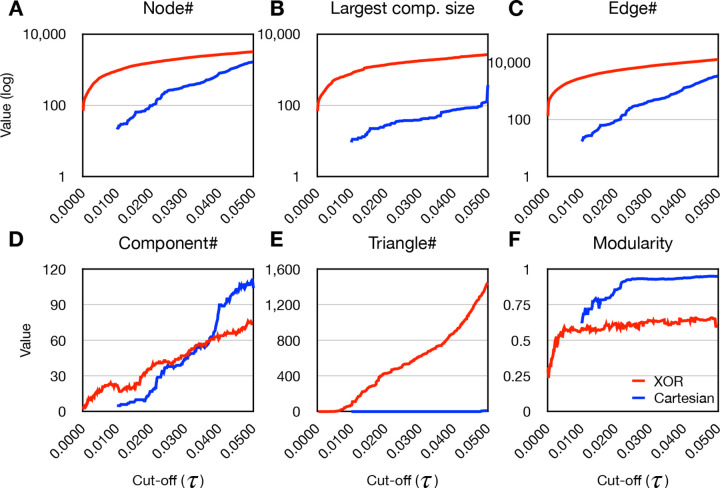 Figure 2
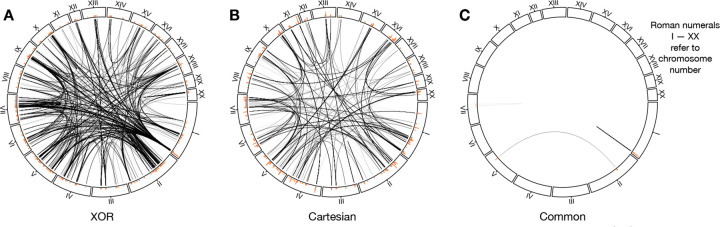 Figure 3
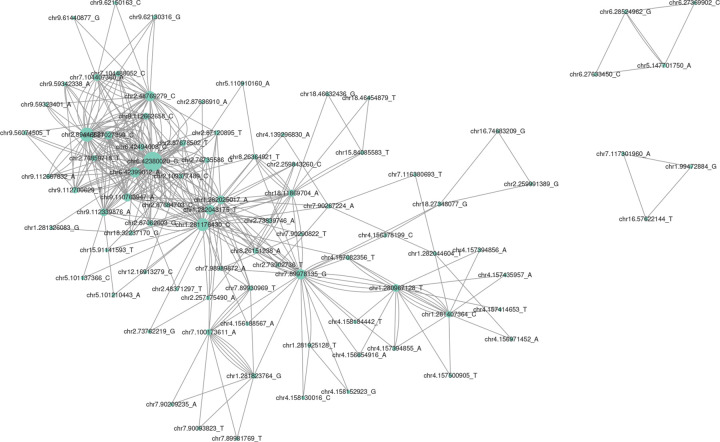 Figure 4
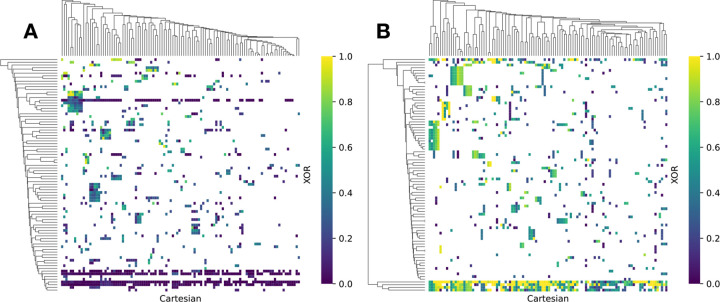 Figure 5
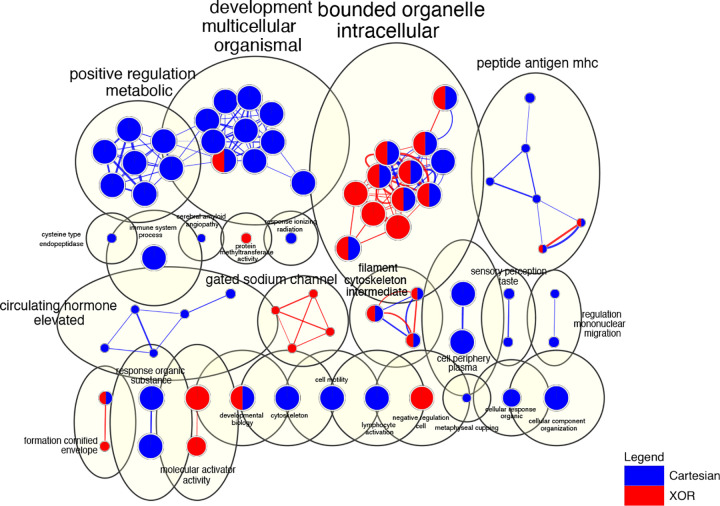 Figure 6
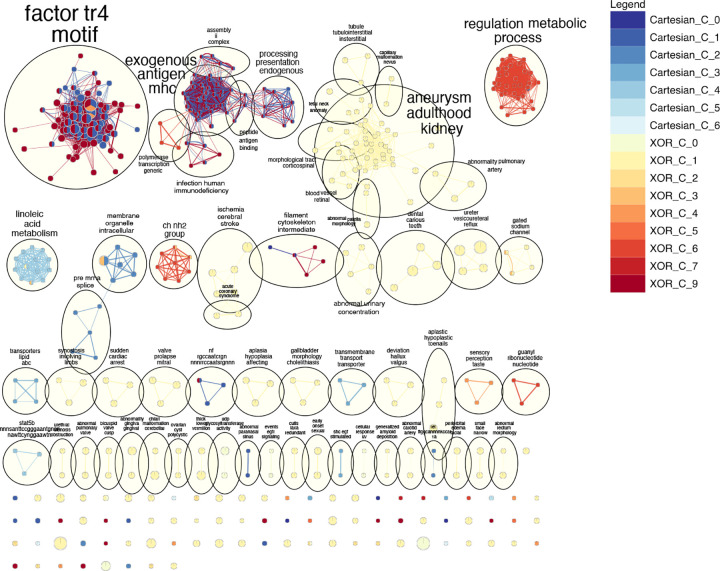 Figure 7
Peer Reviews
No public reviews on file for this paper yet. If you reviewed it on a platform where reviews are public (OpenReview, ICLR, NeurIPS, ICML), you can paste yours below so the community can read it here.
Videos
No videos yet. Explain this paper in a talk, walkthrough, or lecture? Add one.
Taxonomy
TopicsBioinformatics and Genomic Networks · Mental Health Research Topics · Genetic Mapping and Diversity in Plants and Animals