Ice formation and its elimination in cryopreservation of oocytes
Abdallah W. Abdelhady, David W. Mittan-Moreau, Patrick L. Crane, Matthew J. McLeod, Soon Hon Cheong, Robert E. Thorne

TL;DR
This study investigates how ice forms in oocytes during freezing and thawing, showing that ice can be eliminated with optimized cooling and warming rates, improving cryopreservation outcomes.
Contribution
The study demonstrates that ice formation during warming can be eliminated using higher cooling rates and reduced cryoprotective agent concentrations.
Findings
Oocytes remain ice-free during cooling but develop large ice fractions during warming.
Higher cooling rates allow oocytes to stay ice-free during both cooling and warming.
Larger convective warming rates enable ice-free cryopreservation with lower CPA concentrations.
Abstract
Damage from ice and potential toxicity of ice-inhibiting cryoprotective agents (CPAs) are key issues in assisted reproduction of humans, domestic and research animals, and endangered species using cryopreserved oocytes and embryos. The nature of ice formed in bovine oocytes (similar in size to oocytes of humans and most other mammals) after rapid cooling and during rapid warming were examined using synchrotron-based time-resolved x-ray diffraction. Using cooling rates, warming rates and CPA concentrations of current practice, oocytes show no ice after cooling but always develop large ice fractions — consistent with crystallization of most free water — during warming, so most ice-related damage must occur during warming. The detailed behavior of ice at warming depended on the nature of ice formed during cooling. Increasing cooling rates allows oocytes soaked as in current practice to…
Genes, proteins, chemicals, diseases, species, mutations and cell lines named across the full text — each resolved to its canonical identifier and authoritative record.
Click any figure to enlarge with its caption.
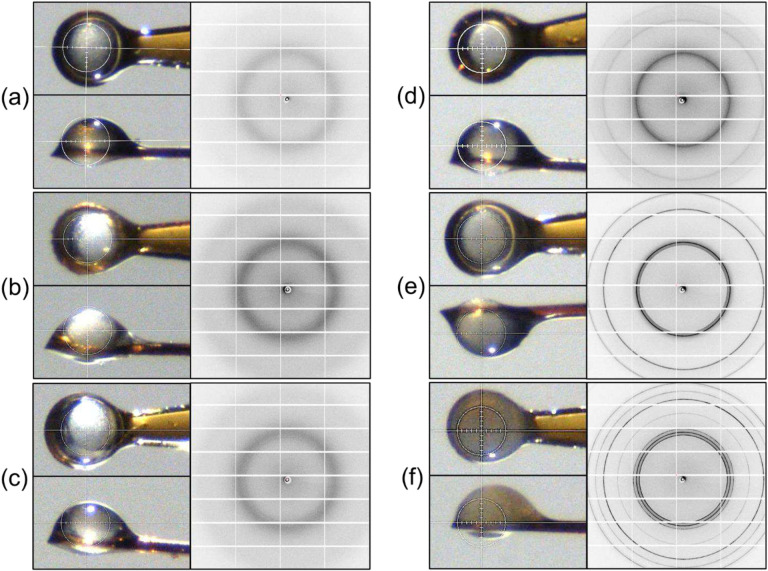 Figure 1
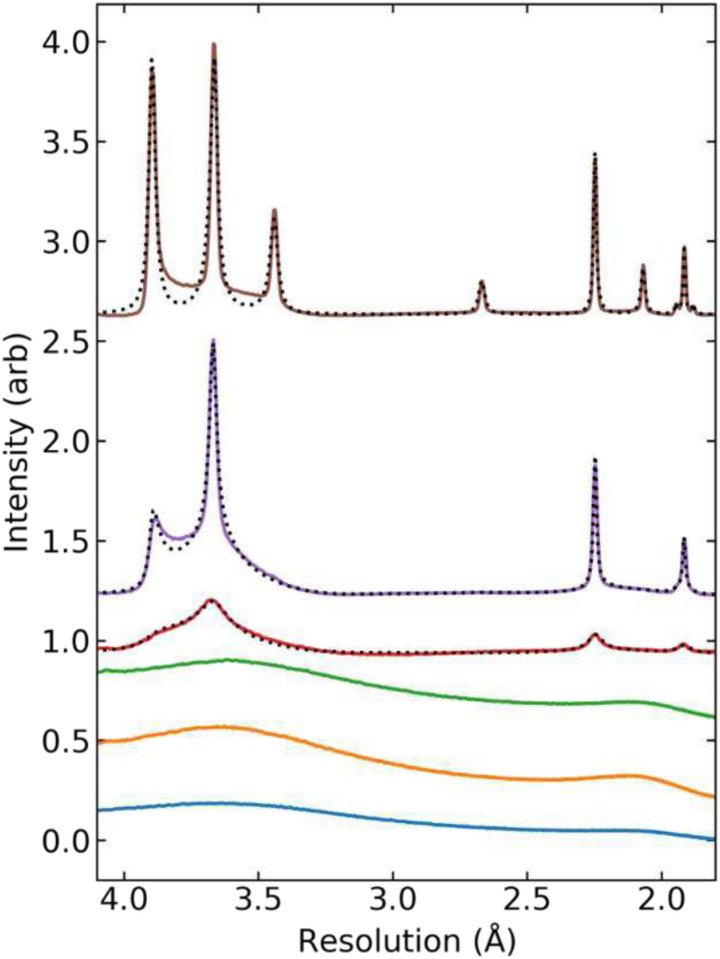 Figure 2
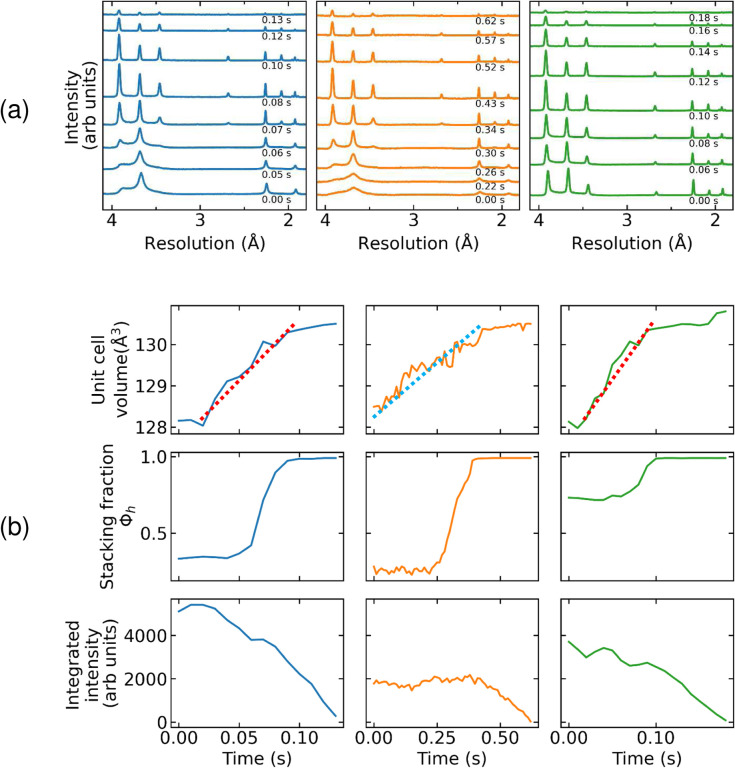 Figure 3
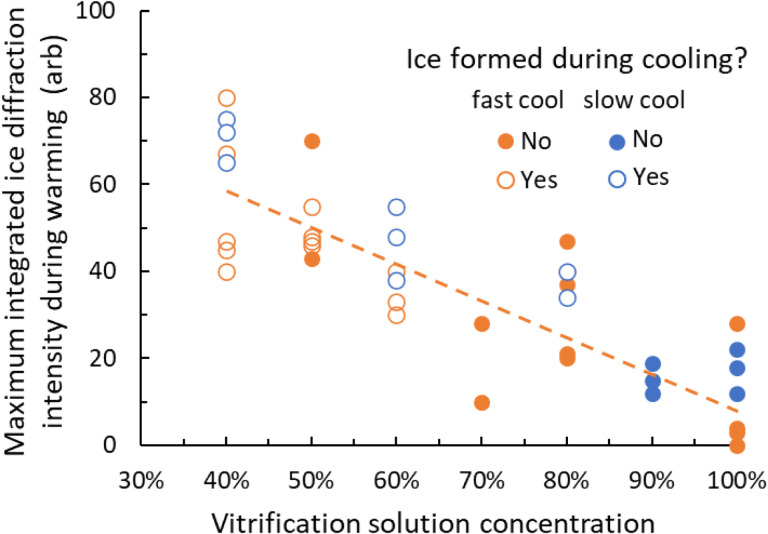 Figure 4
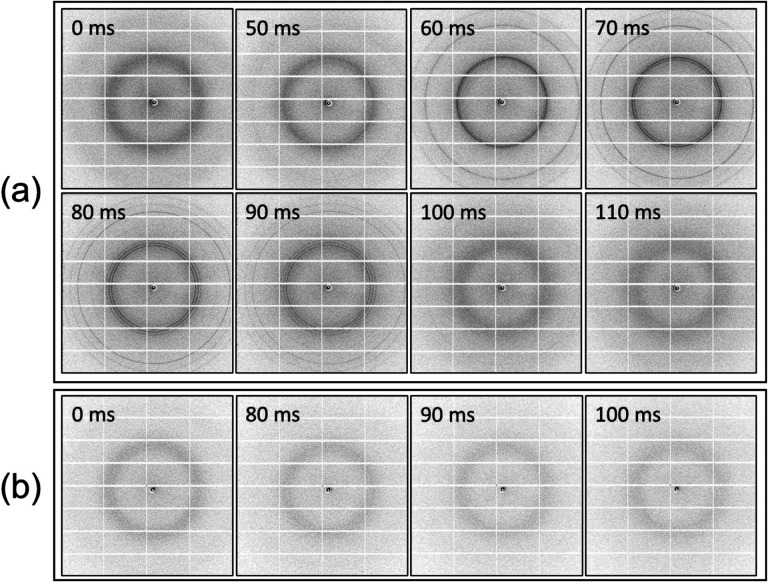 Figure 5
Peer Reviews
No public reviews on file for this paper yet. If you reviewed it on a platform where reviews are public (OpenReview, ICLR, NeurIPS, ICML), you can paste yours below so the community can read it here.
Videos
No videos yet. Explain this paper in a talk, walkthrough, or lecture? Add one.
Taxonomy
TopicsReproductive Biology and Fertility