Validation of a functional human AD model with four AD therapeutics utilizing patterned iPSC-derived cortical neurons integrated with microelectrode arrays
Julbert Caneus, Kaveena Autar, Nesar Akanda, Marcella Grillo, Chris Long, Max Jackson, Sarah Lindquist, Xiufang Guo, Dave Morgan, James J Hickman

TL;DR
This study validates a human Alzheimer’s disease model using brain cell cultures to test four drugs and assess their effects on memory-related functions before significant cell death occurs.
Contribution
A novel functional AD model using patterned iPSC-derived neurons and MEAs to screen therapeutics at pre-MCI stages is developed and validated.
Findings
Aβ42 oligomers significantly reduced LTP maintenance in the model.
Four AD therapeutics reversed Aβ42-induced LTP impairment.
The system is proposed as a platform for preclinical screening of AD and other neurodegenerative therapeutics.
Abstract
Preclinical methods are needed for screening potential Alzheimer’s disease (AD) therapeutics that recapitulate phenotypes found in the Mild Cognitive Impairment (MCI) stage or even before this stage of the disease. This would require a phenotypic system that reproduces cognitive deficits without significant neuronal cell death to mimic the clinical manifestations of AD during these stages. A potential functional parameter to be monitored is long-term potentiation (LTP), which is a correlate of learning and memory, that would be one of the first functions effected by AD onset. Mature human iPSC-derived cortical neurons and primary astrocytes were co-cultured on microelectrode arrays (MEA) where surface chemistry was utilized to create circuit patterns connecting two adjacent electrodes to model LTP function. LTP maintenance was significantly reduced in the presence of Amyloid-Beta 42…
Genes, proteins, chemicals, diseases, species, mutations and cell lines named across the full text — each resolved to its canonical identifier and authoritative record.
Click any figure to enlarge with its caption.
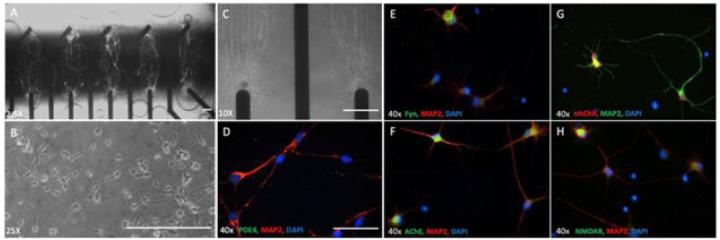 Figure 1
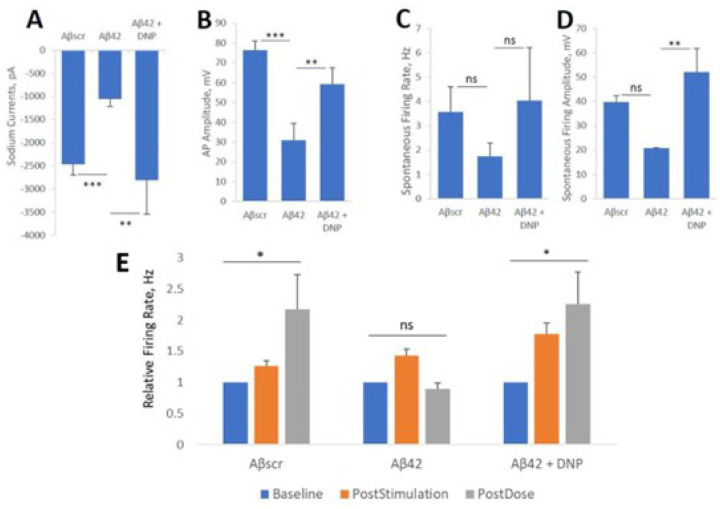 Figure 2
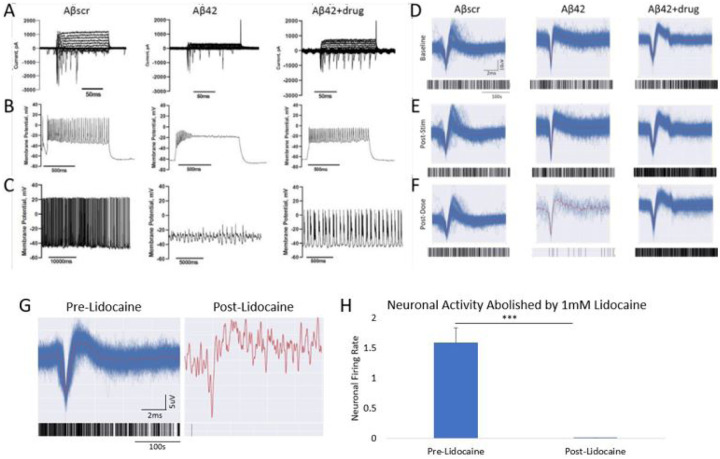 Figure 3
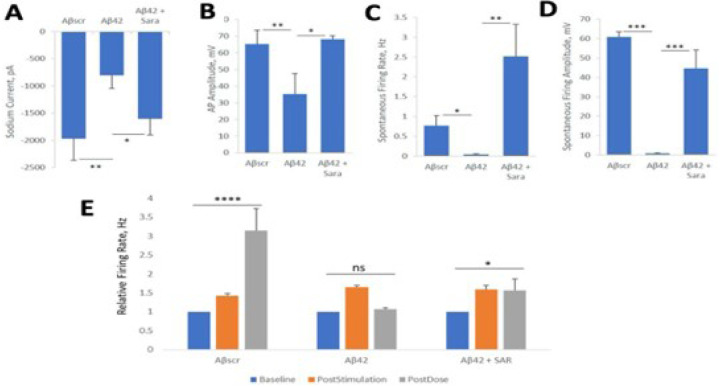 Figure 4
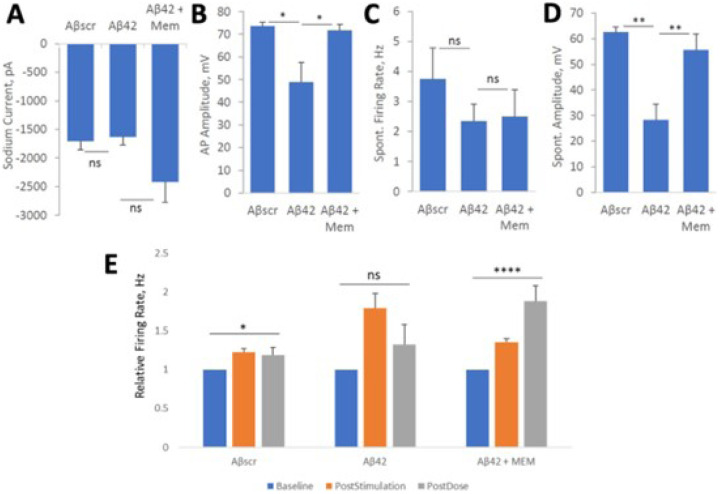 Figure 5
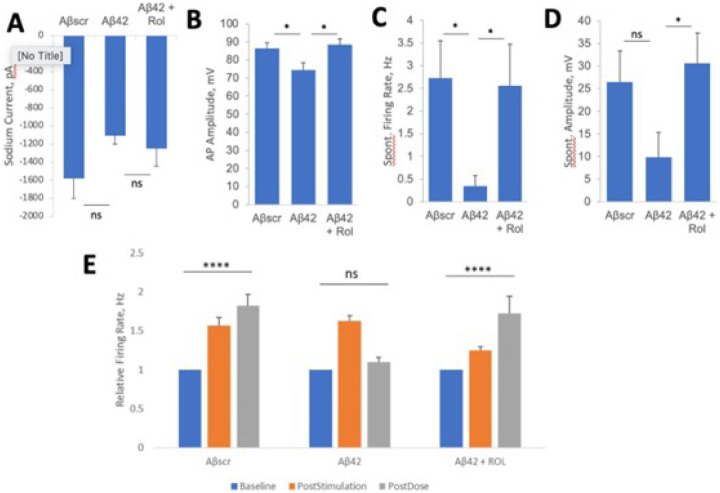 Figure 6
Peer Reviews
No public reviews on file for this paper yet. If you reviewed it on a platform where reviews are public (OpenReview, ICLR, NeurIPS, ICML), you can paste yours below so the community can read it here.
Videos
No videos yet. Explain this paper in a talk, walkthrough, or lecture? Add one.
Taxonomy
TopicsNeuroscience and Neural Engineering · Neuroscience and Neuropharmacology Research · EEG and Brain-Computer Interfaces