Robotic mechanical wounding is sufficient to induce phenylacetaldoxime accumulation in Tococa quadrialata
Kilian Lucas Ossetek, Andrea Teresa Müller, Axel Mithöfer

TL;DR
The study shows that mechanical wounding in Tococa quadrialata triggers the same chemical responses as insect damage, including accumulation of phenylacetaldoxime.
Contribution
The study reveals that mechanical wounding alone can induce PAOx accumulation, independent of known signaling pathways like JA.
Findings
PAOx levels peak 24 hours after herbivore infestation or mechanical wounding.
SpitWorm-treated leaves showed highest PAOx and PAOx-Glc levels, suggesting herbivore secretions enhance accumulation.
Benzyl cyanide and 2-phenylethanol emissions confirm herbivore cues trigger plant defense responses.
Abstract
This study investigated the accumulation of phenlyacetaldoxime (PAOx) and PAOx-Glc in Tococa quadrialata leaves in response to herbivore infestation and mechanical wounding. Results show that PAOx levels peaked at 24 h post-infestation, while PAOx-Glc remained present for several days. The accumulation of PAOx began as early as 3 h after herbivory, with PAOx-Glc significantly increased after 6 h. Mechanical wounding induced similar responses in PAOx and PAOx-Glc accumulation as herbivory, suggesting that continuous tissue damage triggers the production of these compounds. Interestingly, SpitWorm-treated leaves showed the highest levels of both PAOx and PAOx-Glc, indicating that herbivore-derived oral secretions (OS) play a role in the induction of these compounds. Additionally, JA-independent PAOx production was found to be associated with tissue damage rather than specific known…
Genes, proteins, chemicals, diseases, species, mutations and cell lines named across the full text — each resolved to its canonical identifier and authoritative record.
Click any figure to enlarge with its caption.
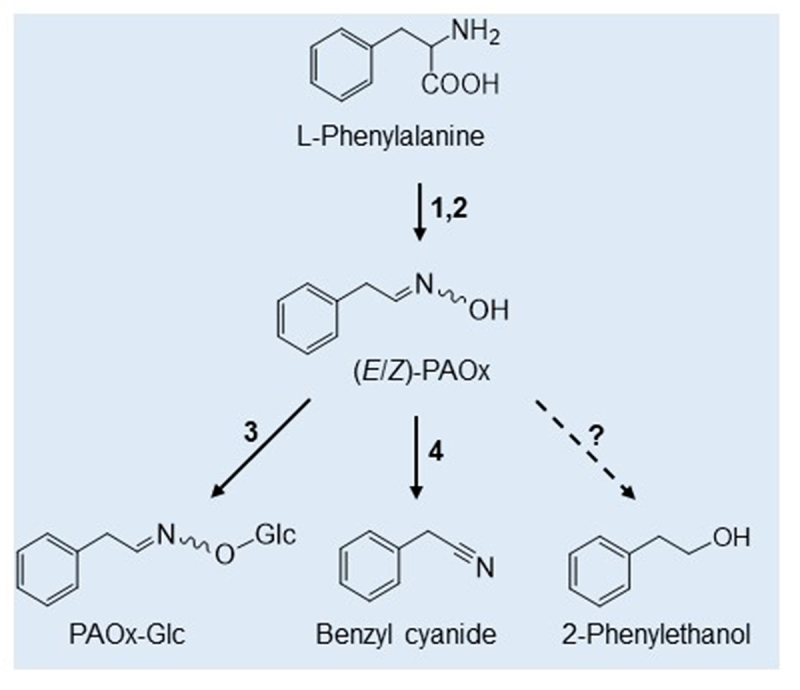 Figure 1
 Figure 2
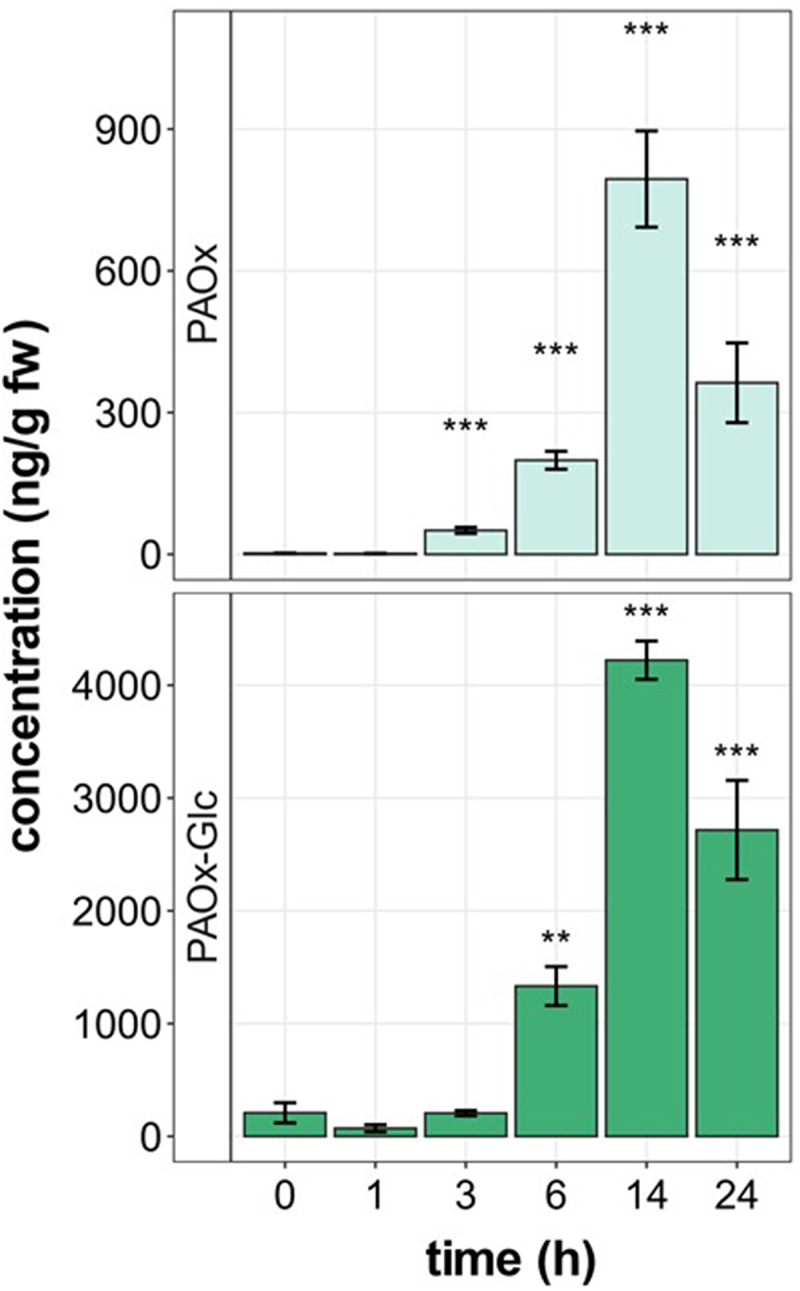 Figure 3
 Figure 4
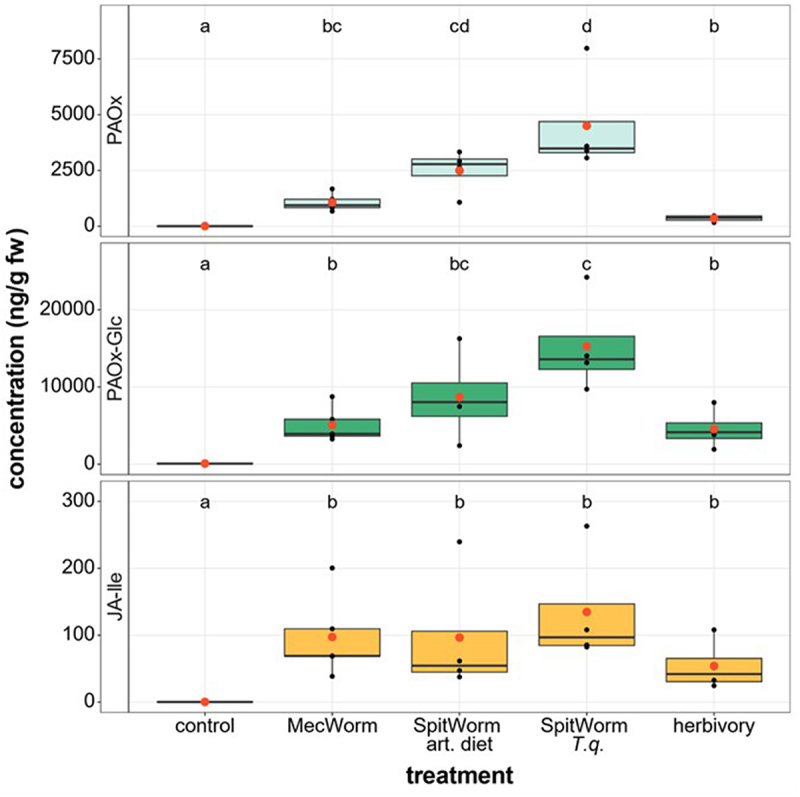 Figure 5
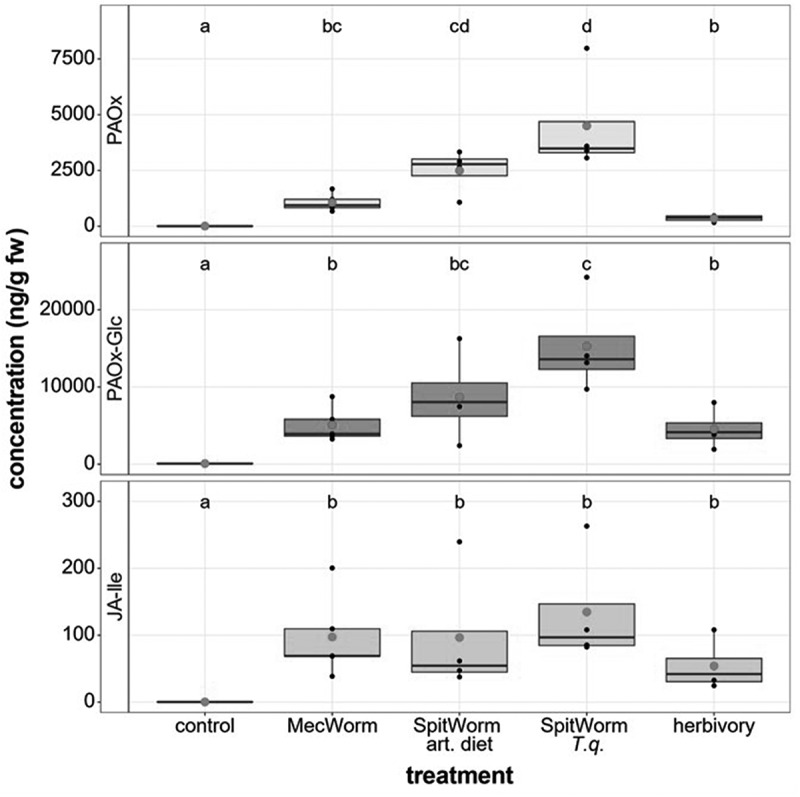 Figure 6
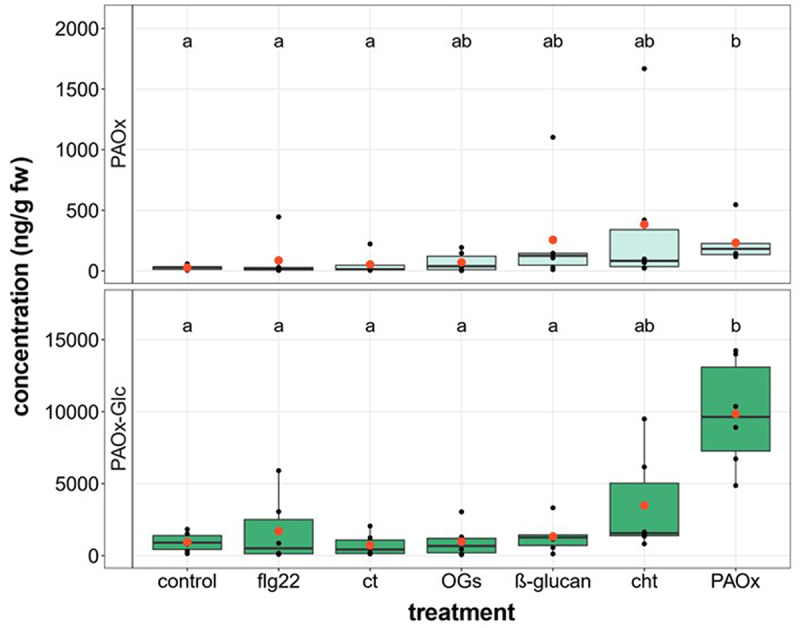 Figure 7
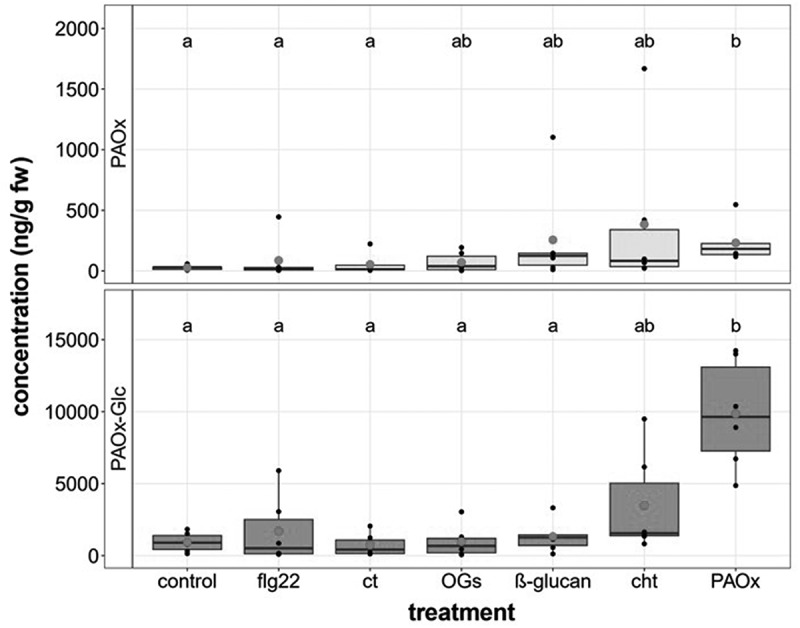 Figure 8
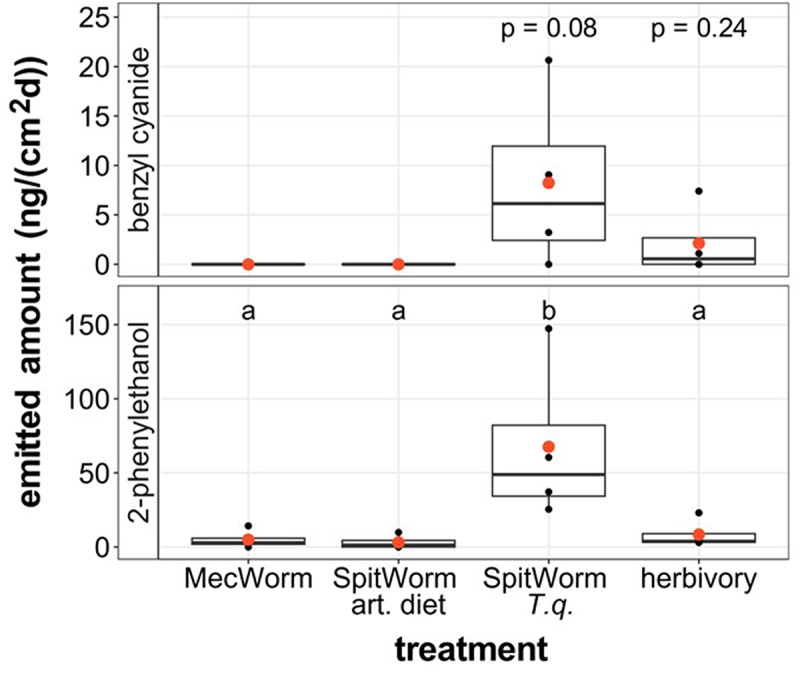 Figure 9
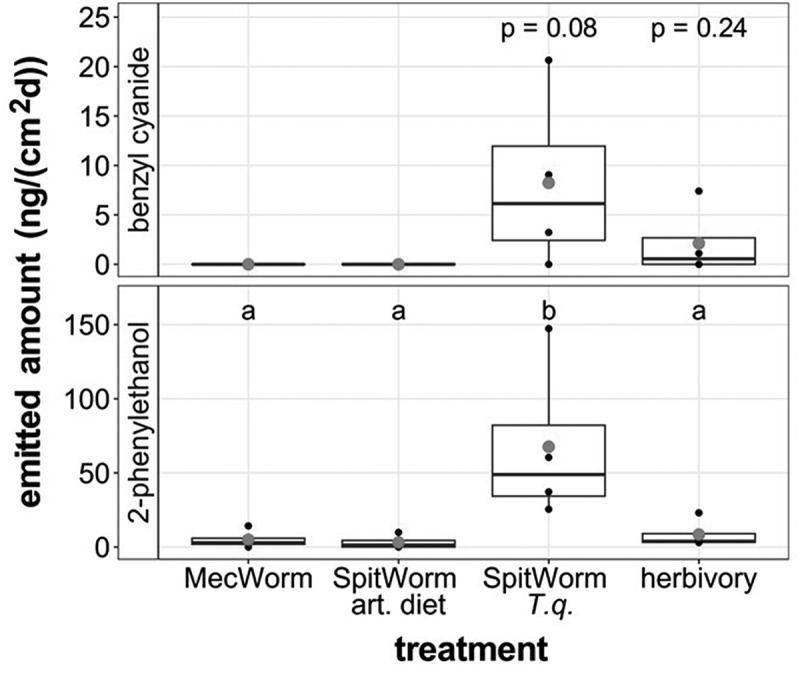 Figure 10
Peer Reviews
No public reviews on file for this paper yet. If you reviewed it on a platform where reviews are public (OpenReview, ICLR, NeurIPS, ICML), you can paste yours below so the community can read it here.
Videos
No videos yet. Explain this paper in a talk, walkthrough, or lecture? Add one.
Taxonomy
TopicsCassava research and cyanide · Allelopathy and phytotoxic interactions · Plant Parasitism and Resistance