Hospitalization information and burden of pediatric inpatients in transport accidents
Jing Yu, Lin Mei, Yanni Wang, Guoshuang Feng, Yueping Zeng, Xin Xu, Xinyu Wang, Jing Liu

TL;DR
This study examines the hospitalization patterns and health burden of children injured in transport accidents in China, highlighting key demographics and injury types.
Contribution
The study provides new insights into the epidemiological characteristics and hospitalization burden of pediatric transport accident inpatients in China.
Findings
Males aged 1–3 years from East China were most commonly affected, with July being the peak month.
Craniocerebral/nerve injuries were the most common, especially among non-pedal cyclist injured persons.
Occupants of heavy transport vehicles or buses had the highest mortality and hospitalization burden.
Abstract
Transport accidents are one of the leading causes of child morbidity and mortality worldwide and represent a significant public health burden. This study aimed to investigate the hospitalization information and burden of pediatric inpatients in transport accidents in China. In this study, we collected the cover page of the medical records of pediatric inpatients in transport accidents using the Futang Research Center of Pediatric Development (FRCPD) database from January 1, 2016 to December 31, 2021. Then, we extracted the epidemiological characteristics, including demographic characteristics, cases distribution, disease information, and hospitalization burden. Among 36,455 included inpatients, males, aged 1–3 years, East China, July were dominant in different subgroups. In transport accidents, pedestrians were the most frequently type of injury (65.69%). Of all known lesions,…
Genes, proteins, chemicals, diseases, species, mutations and cell lines named across the full text — each resolved to its canonical identifier and authoritative record.
Click any figure to enlarge with its caption.
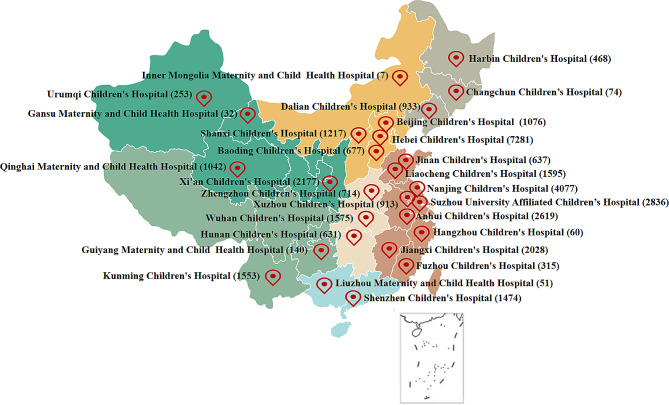 Figure 1
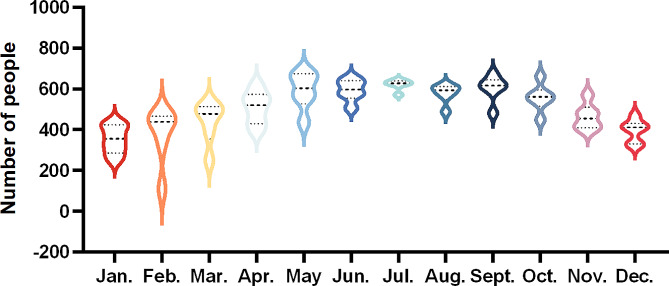 Figure 2
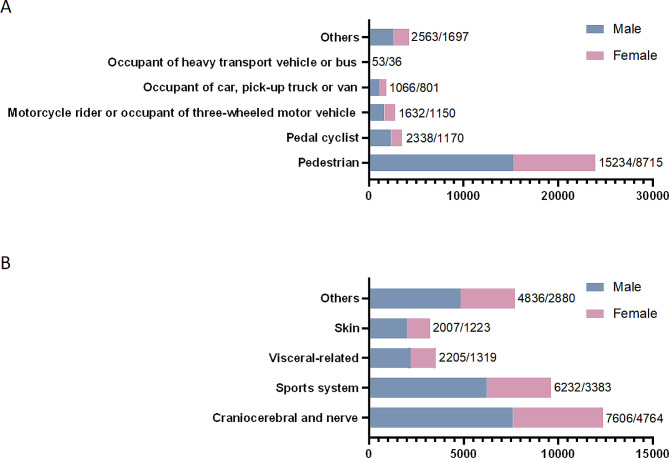 Figure 3
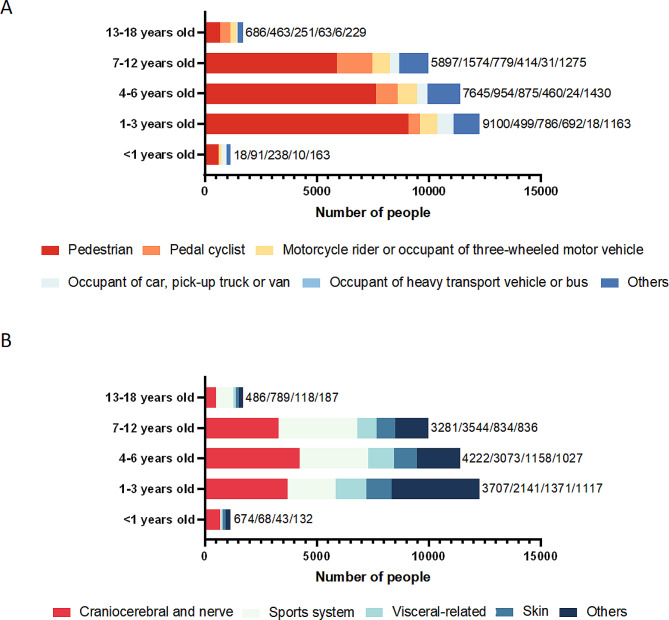 Figure 4
- —Beijing Natural Science Foundation
- —2022 Scientific Research Project of Chronic Diseases Control and Health Education
Peer Reviews
No public reviews on file for this paper yet. If you reviewed it on a platform where reviews are public (OpenReview, ICLR, NeurIPS, ICML), you can paste yours below so the community can read it here.
Videos
No videos yet. Explain this paper in a talk, walkthrough, or lecture? Add one.
Taxonomy
TopicsInjury Epidemiology and Prevention · Traffic and Road Safety · Trauma and Emergency Care Studies
Introduction
Transport accidents are one of the leading causes of child morbidity and mortality worldwide and represent a significant public health burden. According to the World Health Organization (WHO)’s 2018 Global Status Report on Road Safety, more than 10 million children are injured in transport accidents every year, and up to 186,300 children lose their lives [1]. In China, transport accidents are the second leading cause of injury and death among children. A previous report showed that in 2019, 19.619 children under the age of 15 were injured and 2,593 were killed in transport accidents [2]. Faced with severe transport accidents problems, children are the vulnerable groups that need special attention in road traffic safety. However, as a country with a huge number of children, China does not have adequate epidemiological information about the pediatric inpatients in transport accidents.
The Futang Research Center of Pediatric Development (FRCPD) is a large medical consortium that promotes the development of children’s medical research [3]. It covers 47 tertiary children’s hospitals, 28 of which have agreed and uploaded the annual summary reports of discharged patients since 2016 in China. Herein, we retrospectively analyzed the epidemiological characteristics of pediatric inpatients in transport accidents using the FRCPD database, aiming to investigate the current situation of transport accidents among children in China and carry out targeted intervention activities.
Methodology
Data source and categories
The FRCPD was established as a multi-tiered pediatric diagnosis and treatment network. The data uploading docking and format standards are referred to the requirements made by the Hospital Quality Monitoring System (HQMS) for the collection of first-page information of inpatient medical records in the performance appraisal and medical quality management of national tertiary public hospitals (2019). In this study, the data came from the cover page of the medical records of discharged children using FRCPD database from January 1, 2016 to December 31, 2021. Detailed information regarding the FRCPD is learned at http://www.futang.org/about/fu-tang-jie-shao.htm. The inclusion criteria & exclusion criteria were shown in Table 1.
Table 1. Rules for inclusion criteria and exclusion criteriaInclusion criteriaV01-V09: Pedestrian injured in transport accidentV10-V19: Pedal cyclist injured in transport accidentV20-V29: Motorcycle rider injured in transport accidentV30-V39: Occupant of three-wheeled motor vehicle injured in transport accidentV40-V49: Car occupant injured in transport accidentV50-V59: Occupant of pick-up truck or van injured in transport accidentV60-V69: Occupant of heavy transport vehicle injured in transport accidentV70-V79: Bus occupant injured in transport accidentV80-V99: Others Exclusion criteria The length of Hospitalization < 1 dayThe hospitalization charge is less than 5 yuanIncomplete important information, such as age, gender, and primary diagnosis.
Next, we extracted the epidemiological characteristics of pediatric inpatients in transport accidents, including demographic characteristics (gender, age), cases distribution (region, month of hospitalization), disease information (type/lesion of injured person, type of discharge), hospitalization burden (length of hospital stay/LOS and hospitalization expenses). Then, we divided age of hospitalization into five categories: < 1 years old, 1–3 years old, 4–6 years old, 7–12 years old, and 13–18 years old. Then, the lesion of injured person was summarized into five groups including craniocerebral/nerve injury, sports system injury, visceral-related injury, skin injury, and others. Next, the type of discharge was divided into discharge with doctor’s advice, discharge without doctor’s advice, death, transfer with doctor’s advice, transfer to community health service agencies/township health center with doctor’s advice, others. Furthermore, this 28 provincial and municipal hospitals were respectively belong to Northeast, North, East, Northwest, Southwest, South, and Central China regions (Sup Table 1).
Statistics
Categorical variables, including gender, age, region, month of hospitalization, type/lesion of injured person, type of discharge were expressed as numbers (N), and were compared among different groups using the Pearson chi-square tests. Continuous variables including LOS and hospitalization expenses, were both non-normally distributed based on the Shapiro-Wilk tests. Therefore, they were expressed as median and interquartile ranges, and compared using Kruskal-Wallis tests. Post-hoc tests were conducted using the Steel-Dwass method. P < 0.05 was assessed as statistically significant. Statistical analyses were conducted with the JMP Pro 15 software.
Results
Demographic characteristics and cases distribution of pediatric inpatients in transport accidents
Firstly, over 7 million cover pages of the medical records were screened from the FRCPD database, and 36,455 pediatric inpatients in transport accidents were included in this study. As shown in Table 2, the included males accounted for 62.78% (n = 22,886), and females 37.22% (n = 13,569), with a male-female ratio of 1.68:1. The results showed that 1–3 years old inpatients were dominant (n = 12,258, 33.63%), followed by 4–6 years old (n = 11,388, 31.24%), 7–12 years old (n = 9970, 27.35%), 13–18 years old (n = 1698, 4.66%), and < 1 years old (n = 1141, 3.13%) (Table 2).
Table 2. The baseline characteristics of pediatric inpatients in transport accidentsCategoriesPediatric inpatients SUM 36,455 Gender Male22,886(62.78%) Female13,569(37.22%) Age < 1 years old1141(3.13%) 1–3 years old12,258(33.63%) 4–6 years old11,388(31.24%) 7–12 years old9970(27.35%) 13–18 years old1698(4.66%) Region Northeast China1475(4.05%) North China10,258(28.14%) East China15,080(41.37%) South China1525(4.18%) Central China2920(8.01%) Northwest China3504(9.61%) Southwest China1693(4.64%) Type of injured person Pedestrian23,949(65.69%) Pedal cyclist3508(9.62%) Motorcycle rider or occupant of three-wheeled motor vehicle2782(7.63%) Occupant of car, pick-up truck or van1867(5.12%) Occupant of heavy transport vehicle or bus89(0.24%) Others4260(11.69%) Lesion of injured person Craniocerebral/nerve12,370(33.93%) Sports system9615(26.37%) Visceral-related3524(9.67%) Skin3230(8.86%) Others7716(21.17%) Type of discharge Discharge with doctor’s advice32,907(90.27%) Discharge without doctor’s advice2966(8.14%) Death171(0.47%) Transfer with doctor’s advice73(0.20%) Transfer to community health service agencies/ township health center with doctor’s advice29(0.08%) Others309(0.85%)
Since this 28 hospitals of FRCPD database belonged to seven different regions in China, Fig. 1; Table 2 revealed that the top 3 regions with the highest numbers of patients with transport accidents were East China (n = 15,080, 41.37%), North China (n = 10,258, 28.14%), and Northwest China (n = 3504, 9.61%). Basing the month of hospitalization, the proportion of patients with transport accidents in July was largest (Fig. 2 and Sup Table 2).
Fig. 1. The region and hospital distribution of pediatric inpatients in traffic accidents
Fig. 2. Total number of pediatric inpatients in traffic accidents per month, 2016 to 2021
Disease information of pediatric inpatients in transport accidents
Our findings confirmed that among 36,455 hospitalization cases, pedestrians were the most common type of injured person (n = 23,949, 65.69%, Table 2). Males with transport accidents were markedly more than females in all type of injured person groups (Fig. 3A and Sup Table 3). Except for the types of injured persons < 1 year old were mainly motorcycle rider or occupant of three-wheeled motor vehicle (n = 238), the other four age groups were mainly pedestrians (1–3 years old/n = 3707, 4–6 years old/n = 4222, 7–12 years old/n = 3544, 13–18 years old/n = 789, Fig. 4A and Sup Table 3). In the type of injured person group, pedal cyclists more susceptible to sport system injury (38.88%). On the other hand, pedestrian (30.21%), motorcycle rider or occupant of three-wheeled motor vehicle (51.26%), occupant of car, pick-up truck or van (50.78%), occupant of heavy transport vehicle or bus (39.33%) were mainly lead to craniocerebral/nerve injury (Table 3). Moreover, the type of injured person were significantly different with the gender (χ^2^ = 88.38, p < 0.001), age (χ^2^ = 2677.02, p < 0.001), lesion of injured person (χ^2^ = 1702.32, p < 0.001) in pediatric inpatients.
Fig. 3. Gender distribution of pediatric inpatients in different type (A) and lesion (B) of injured person groups
Table 3. The type of injured person of pediatric inpatients in transport accidentsPedestrianPedal cyclistMotorcycle rider or occupant of three-wheeled motor vehicleOccupant of car, pick-up truck or vanOccupant of heavy transport vehicle or busOthersχ2 P
Lesion of person injured 1702.32< 0.001Craniocerebral/nerve7235(30.21%)1119(31.90%)1426(51.26%)948(50.78%)35(39.33%)1607(37.72%)Sports system6092(25.44%)1364(38.88%)521(18.73%)392(21.00%)18(20.22%)1228(28.83%)Visceral-related2273(9.49%)303(8.64%)333(11.97%)202(10.82%)9(10.11%)404(9.48%)Skin2109(8.81%)338(9.64%)258(9.27%)103(5.52%)12(13.48%)410(9.62%)Others6240(26.06%)384(10.95%)244(8.77%)222(11.89%)15(16.85%)611(14.34%)
Fig. 4. Age distribution of pediatric inpatients in different type (A) and lesion (B) of injured person groups
Of all known lesions, craniocerebral/nerve injury was the more common results in pediatric inpatients in transport accidents (n = 12,370, 33.93%, Table 2), and the number of male patients is higher in all kinds of injuries (Fig. 3B and Sup Table 4). Specifically, children younger than 1 year old (n = 674), 1–3 years old (n = 3707), and 4–6 years old (n = 4222) were the most likely to cause craniocerebral/nerve injury, and children 7–12 years old (n = 3544) and 13–18 years old (n = 789) are the most likely to cause sports injury (Fig. 4B and Sup Table 4). Furthermore, the lesion of injured person was significantly different with the gender (χ^2^ = 26.57, p < 0.001) and age (χ^2^ = 2623.64, p < 0.001) of patients.
In addition, Table 2 showed the number of children who were discharged in different ways, among which the vast majority of pediatric inpatients were discharged with doctor’s advice (n = 32,907, 90.27%). Furthermore, the type of discharge were significantly different with the type of injured person (χ^2^ = 316.27, p < 0.001) and lesion of injured person (χ^2^ = 713.24, p < 0.001) in pediatric inpatients (Sup Table 5). Specially, occupant of heavy transport vehicle or bus (2.25%) and people with craniocerebral/nerve injury (0.97%) respectively had the highest mortality rate after hospitalization in all type and lesion of injured person groups (Sup Table 5).
Hospitalization burden of pediatric inpatients in transport accidents
With the benefit of this multi-center database, we were able to better understand the average hospitalization burden of children after traffic accidents. As shown in Table 4, the largest hospitalization burden (included LOS and hospitalization expenses) in the type of injured person was occupant of heavy transport vehicle or bus. Interestingly, among the different lesions of injured person, the hospitalization expense was highest in sports system group, while the LOS was the longest in the visceral-related group. In the end, our results found important differences in the hospitalization burden of patients stratified by the type and lesion of injured person groups.
Table 4. The length of hospital stay (LOS) and hospitalization expenses of pediatric inpatients in transport accidentsHospitalization expenseχ2 P LOSχ2 P
Type of injured person 174.72< 0.001378.06< 0.001Pedestrian8650.81 (5059.37, 18782.70)8 (4, 13)Pedal cyclist10383.38 (5564.59, 17428.19)6 (4, 10)Motorcycle rider or occupant of three-wheeled motor vehicle10098.17 (5230.58, 21239.64)9 (5, 14)Occupant of car, pick-up truck or van11351.33 (5500.80, 24873.17)9 (6, 16)Occupant of heavy transport vehicle or bus11993.41 (4686.71, 23980.36)9 (5, 16)Others10979.34 (5441.83, 22908.04)8 (5, 14) Lesion of injured person 2202.28< 0.0012177.64< 0.001Craniocerebral/nerve8745.86 (4789.01, 19110.85)9 (5, 14)Sports system14334.16 (7689.97, 23918.94)8 (5, 13)Visceral-related11398.64 (6486.33, 20538.07)11 (7, 16)Skin7283.65 (4318.66, 11949.20)6 (4, 10)Others6215.51 (4558.45, 12703.67)5 (4, 11)
Discussion
With the continuous development of the automobile industry and the increasing diversification of transportation modes, traffic accidents have long been a global health challenge. As the leading cause of death for children over the age of five, traffic accidents place a huge physical, psychological and financial burden on children and families [4–6]. In China, the risk of children being injured in traffic accidents is also increasing rapidly, and it has become the second leading cause of death for children aged 1–10 and the first leading cause of death for children aged 15–18 [7]. However, to date, only a few studies have reported on the epidemiological characteristics and hospitalization burden of children suffer from traffic accidents.
Based on a large-scale and multi-center FRCPD database, we reported a national cross-sectional study on the hospitalization information and financial burden of pediatric inpatients in transport accidents, aiming to increase people’s attention to children’s traffic accidents and provide clinical basis for the diagnosis and treatment of children’s traffic accidents. Our results showed that the incidence of road traffic injuries among children in North and East China was higher than in other regions of China. The rate of injury was higher among boys than girls, and among children who had not yet attended kindergarten compared to those in other grades. The skull, brain and nervous system was the most vulnerable body part for younger children. When road traffic injuries occurred, walking was the primary activity for children. Additionally, our results found important differences in the hospitalization burden of patients stratified by the type and lesion of injured person groups.
First, our study also found that boys accounted for the majority of pediatric inpatients in traffic accidents (1.68:1). Similarly, a previous report indicated that boys are more likely to be injured in traffic accidents than girls (1.76: 1) [8]. The possible reason may be that boys are more active, faster, and less caution than girls. Second, given the age of the patients, our results found that children aged 1–3 years were more easily to suffer traffic accidents. Children under 3 years of age do not receive adequate road safety education, due to they are not enrolled in the kindergarten. Therefore, the incidence of traffic accidents will increase when children with poor mobility and judgment ability are walking, playing, and crossing the road [9]. In addition, the number of children aged < 1 or 13–18 in traffic accidents obviously decreased compared to other age groups in our study. Children < 1 year old can’t walk very well, and are generally looked by caregivers for a long time. Children aged 13–18 have better safety awareness, and children > 14 years old are often admitted to adult hospitals in China [8, 10]. In addition, the number of children hospitalized due to traffic accidents peaked in July. Similarly, a study reported that the hospitalization peak of pediatric traumatic brain injury was the third quarter of the year, which may be related to children’ easier outdoor activities during the summer vacation [15].
Then, the number of hospitalization children in traffic accidents were significantly higher in North and East China than in other regions in the current study. On the one hand, many scholars believe that the high degree of urbanization, large population density and large vehicle flow are the risk factors that lead to frequent traffic accidents [11]. Due to the economic conditions, terrain characteristics and other factors in different regions of a country, the incidence and death rate of traffic accidents are also different [2]. Thus, as the economically developed regions, North and East China have higher incident of traffic accidents [11, 13, 14]. On the other hand, a previous study found that as the number of health facilities increased, the number of deaths from traffic accidents decreased, so the investment of health facilities located in the area needed to be improved [12]. Thus, a large number of patients will also be treated and transferred to North and East China, due to the backward medical resources in other regions. Unfortunately, this FRCPD database does not cover and extract the hospitalization information of children’s hospitals such as Guangzhou and Shanghai, so the regions analysis remain limitations.
Next, our study found that pedestrian was the most common type of injured person in the FRCPD database. Possible explanations for this results were that active children are unable to judge the distance and speed of cars approaching them in a timely and accurate manner, and the parents often ignore the dangers of their children as pedestrians [11]. Furthermore, the patients with craniocerebral/nerve injury were mainly 4–6 years old, the patients with sport injury were 7–12 years old and 13–18 years old, and the patients with visceral-related or skin injury were 1–3 years old. In addition to pedal cyclists more susceptible to sport system injury, other types of injured person with transport accidents were mainly craniocerebral/nerve injury in our results. Past studies have reported that children on the road are usually impacted by the front end of the vehicle, and the head and lower extremity are the most vulnerable areas to suffer moderate and severe injuries [13, 14]. In motor vehicle collisions, head injuries are most common in children, which is independent of the age of the child, whether the child was restrained by a seat belt, or crash direction [15–17]. Body proportions of children change dramatically throughout the growing period. The head accounts for about a quarter of the body length at birth, and only about 1/7 of the body length in adulthood [18]. A study has found that children under the age of 6 are more likely to suffer craniocerebral/nerve injury [17]. This may be related to the higher head weight of children in this age group, and the head is more likely to hit the ground first in traffic accidents, resulting in craniocerebral/nerve injury. With the increase of children’s age, the proportion of craniocerebral/nerve injury gradually decreased, but sport system injuries increased correspondingly. Adolescents have an increased subconscious self-protection reflex in dangerous, and they often use their limbs for emergency protection, which leads to an increased possibility of damage to the sport system. A cohort study has confirmed that the extremities (47.7%) are the most likely to be injured in bicycle-related trauma [19].
The hospitalization burden of traffic accidents (including LOS and hospitalization expenses) will have a huge impact on the families and society. Therefore, this paper analyzed the factors affecting the hospitalization burden of children of traffic accidents. Among the different lesions of injured person in our study, the hospitalization expense was highest in sports system group, while the LOS was the longest in the visceral-related group. In traffic accidents, children with visceral-related injury often have visceral rupture, so clinical treatment such as indwelling drainage tube is needed. Patients with these injuries generally need to stop eating and drinking for a long time, and the recovery process may be prolonged, ultimately resulting in a longer LOS. Additionally, hospitalization costs include treatment, drugs, materials, tests, care and other costs. For those with sports injuries, surgery often involves the use of expensive medical materials, such as fixation frames and Kirschner wires, which can significantly increase the expenses of hospitalization.
Conclusion
This study used a relatively large-scale, multi-center representative sample from China in recent years, presenting evidence-based epidemiological characteristics and hospitalization burden for pediatric inpatients in transport accidents. Therefore, the prevention of road traffic injuries among children in China remains urgent and requires a multi-pronged approach. Publicity and enforcement of traffic laws should be strengthened, especially in the eastern and northern regions. It is proposed to add helmets for cyclists to traffic regulations, strengthen traffic safety education starting from kindergartens, and strengthen penalties for pedestrians violating traffic safety laws.
Electronic supplementary material
Below is the link to the electronic supplementary material.
Supplementary Material 1
The reference list from the paper itself. Each links out to its DOI / PubMed record.
- 1Heather E Rosen I Bari N Paichadze M Peden M Khayesi Jesús Monclús, Adnan A Hyder; global road safety 2010-18: an analysis of global Status reports Injury 202210.1016/j.injury.2022.07.03035906119 · doi ↗ · pubmed ↗
- 2Wang X Yu H Nie C Zhou Y Wang H Road traffic injuries in China from 2007 to 2016: the epidemiological characteristics, trends and influencing factors Peer J 20197 e 742310.7717/peerj.742331404405 PMC 6688591 · doi ↗ · pubmed ↗
- 3Xinyu Wang Y Zeng J Tian H Xu F Song Y Guo X Xu G Feng Xin Ni; a brief introduction to the FU Tang updating medical R Ecords (FUTURE) database Pediatr Invest 202153247810.1002/ped 4.12297 PMC 845871434589680 · doi ↗ · pubmed ↗
- 4Huarong Wang C, Morgan D, Li R, Huang, David C. Schwebel; Children’s fear in traffic and its association with pedestrian decisions. J Saf Res 2021 02;76:56–63 10.1016/j.jsr.2020.11.010.10.1016/j.jsr.2020.11.010PMC 889542833653569 · doi ↗ · pubmed ↗
- 5Mikko Nurmi SJärvelä, Ville M Mattila TM Luoto Satu-Liisa Pauniaho; paediatric traffic accidents-current epidemiological trends at a Finnish university hospital Injury 2020511021798510.1016/j.injury.2020.07.03032732119 · doi ↗ · pubmed ↗
- 6Chang F-R Huang H-L Schwebel DC Alan HS Chan, Guo-Qing H Global road traffic injury statistics: challenges, mechanisms and solutions Chin J Traumatol = Zhonghua Chuang shang za zhi 2020234216810.1016/j.cjtee.2020.06.00132680705 PMC 7451583 · doi ↗ · pubmed ↗
- 7Ma S Li Q Zhou M Duan L David Bishai; Road traffic injury in China: a review of national data sources Traffic Inj Prev 201213 Suppl 1576310.1080/15389588.2011.63394522414129 · doi ↗ · pubmed ↗
- 8Xiaomei Dong C Peek-Asa J Yang S Wang X Chen G Chi M The association of road safety knowledge and risk behaviour with paediatric road traffic injury in Guangzhou, China Injury Prevention: J Int Soc Child Adolesc Injury Prev 2011171152010.1136/ip.2010.027540 PMC 550758520876769 · doi ↗ · pubmed ↗