Identification of a functional missense variant in the matrix metallopeptidase 10 (MMP10) gene in two families with premature myocardial infarction
Viktor Verovenko, Stephanie Tennstedt, Mariana Kleinecke, Thorsten Kessler, Heribert Schunkert, Jeanette Erdmann, Stephan Ensminger, Zouhair Aherrahrou

TL;DR
A genetic variant in the MMP10 gene is linked to early heart attacks and affects protein interactions and inflammation in macrophages.
Contribution
A novel functional missense variant in MMP10 is identified and shown to alter protein behavior and macrophage function in atherosclerosis.
Findings
The p.L245P variant in MMP10 reduces free binding energy and alters the substrate-binding cleft in MMP10-TIMP1 interactions.
Macrophages with the p.L245P variant show increased adhesion, reduced migration, and higher pro-inflammatory chemokine secretion.
The variant may contribute to atherosclerosis by promoting plaque rupture through altered macrophage behavior.
Abstract
A positive family history is a major independent risk factor for atherosclerosis, and genetic variation is an important aspect of cardiovascular disease research. We identified a heterozygous missense variant p.L245P in the MMP10 gene in two families with premature myocardial infarction using whole-exome sequencing. The aim of this study was to investigate the consequences of this variant using in-silico and functional in-vitro assays. Molecular dynamics simulations were used to analyze protein interactions, calculate free binding energy, and measure the volume of the substrate-binding cleft of MMP10-TIMP1 models. The p.L245P variant showed an altered protein surface, different intra- and intermolecular interactions of MMP10-TIMP1, a lower total free binding energy between MMP10-TIMP1, and a volume-minimized substrate-binding cleft of MMP10 compared to the wild-type. For the functional…
Genes, proteins, chemicals, diseases, species, mutations and cell lines named across the full text — each resolved to its canonical identifier and authoritative record.
Click any figure to enlarge with its caption.
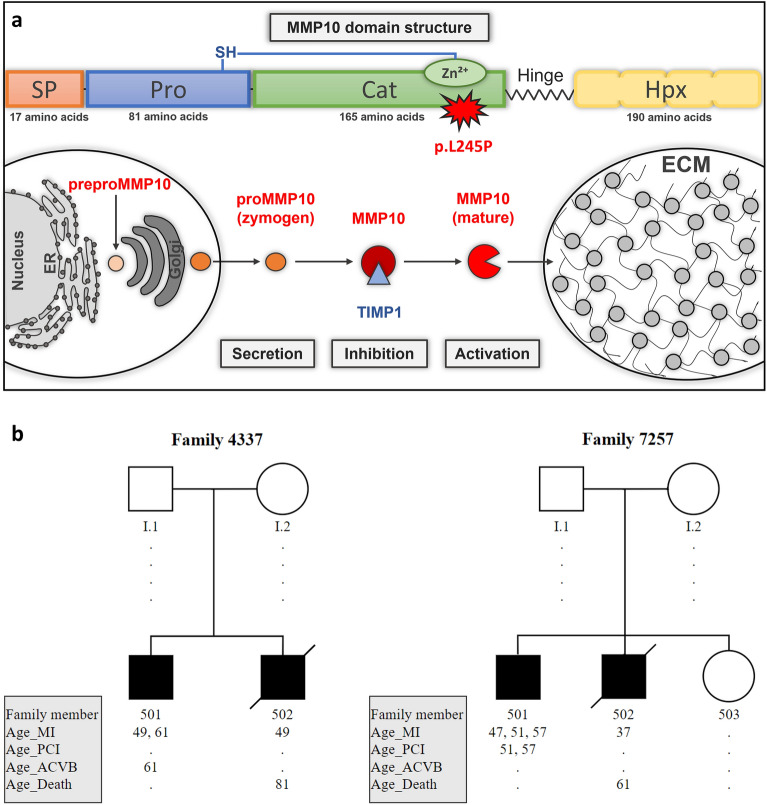 Figure 1
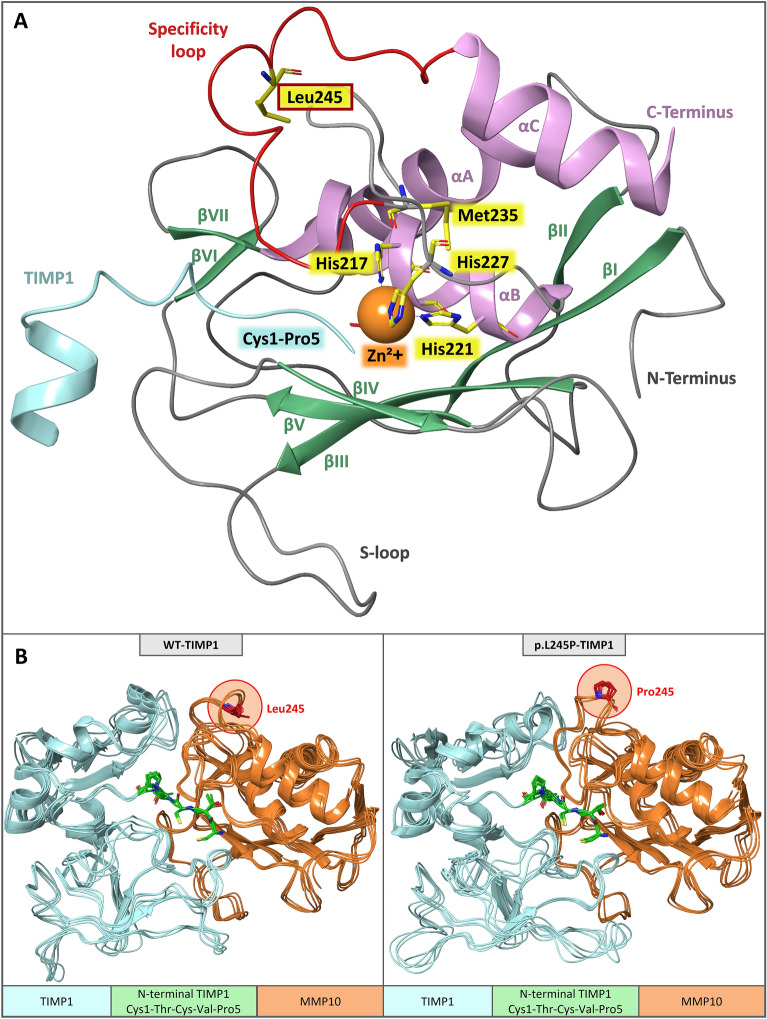 Figure 2
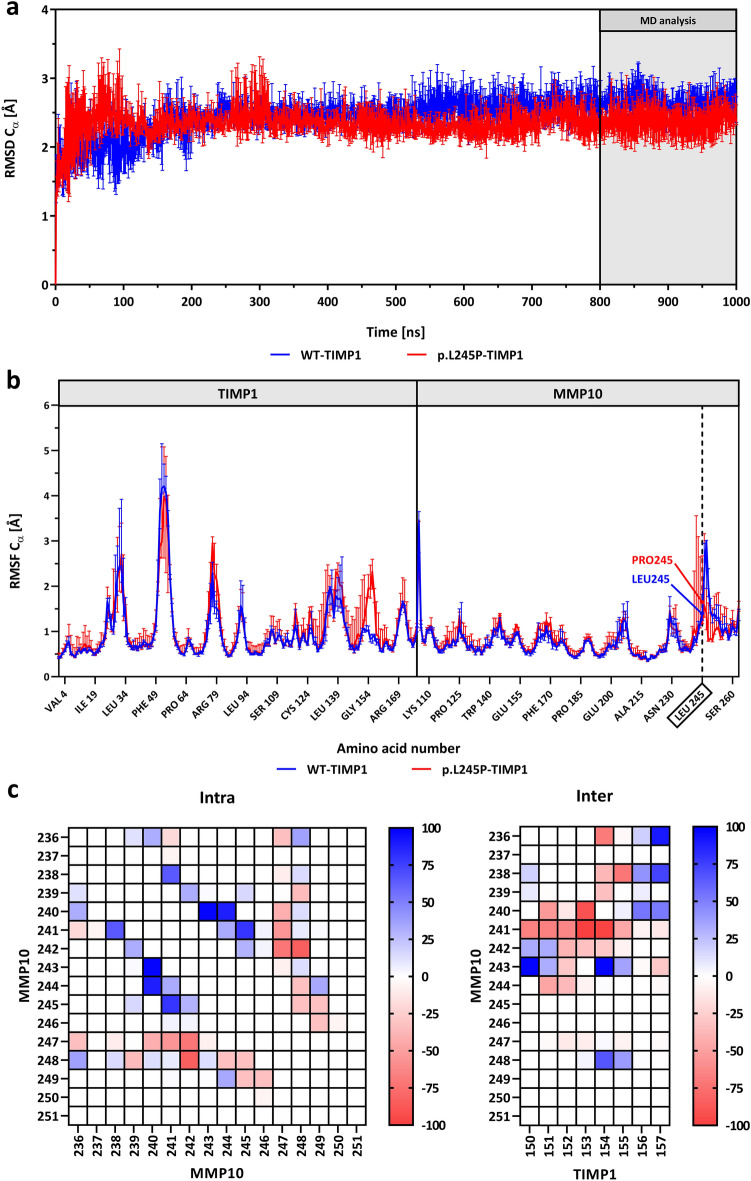 Figure 3
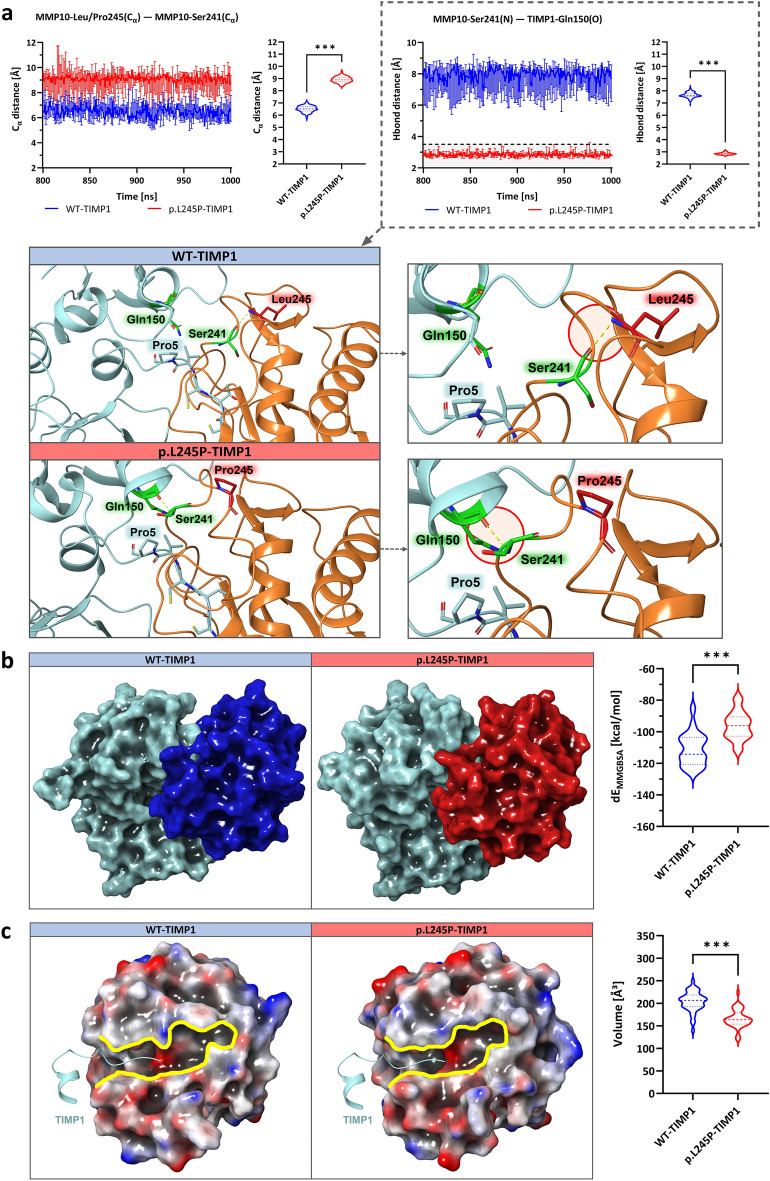 Figure 4
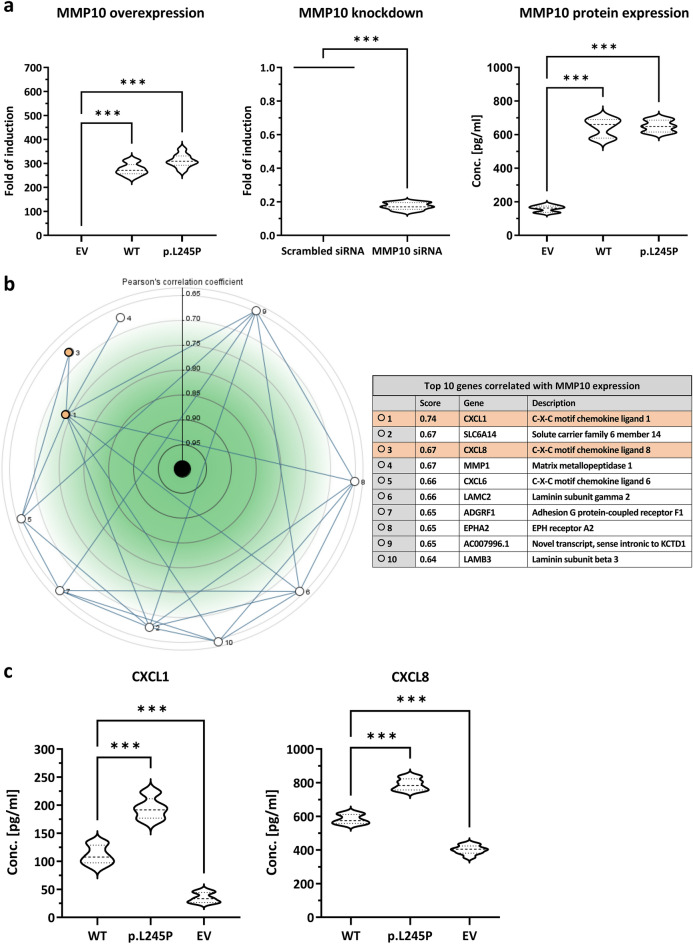 Figure 5
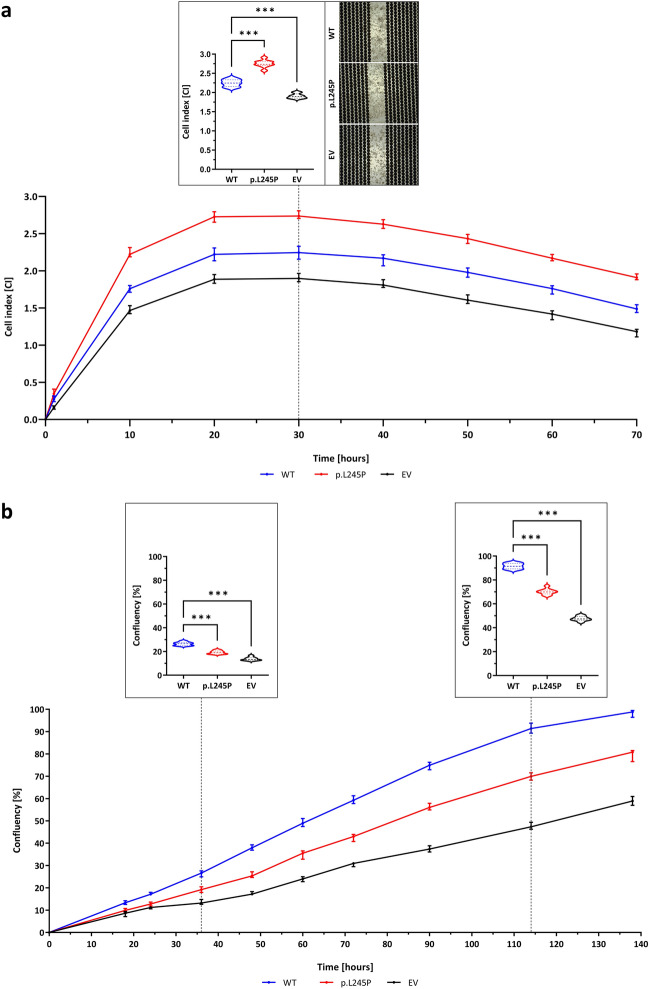 Figure 6
Peer Reviews
No public reviews on file for this paper yet. If you reviewed it on a platform where reviews are public (OpenReview, ICLR, NeurIPS, ICML), you can paste yours below so the community can read it here.
Videos
No videos yet. Explain this paper in a talk, walkthrough, or lecture? Add one.
Taxonomy
TopicsProtease and Inhibitor Mechanisms · Peptidase Inhibition and Analysis · Cell Adhesion Molecules Research