Ultrarapid Development of Ruptured Esophageal Varices in a Patient With a History of Heller Myotomy
Binyamin R Abramowitz, Rachel R Meier, Michelle Chen, Suzette Graham-Hill

TL;DR
A patient with no recent signs of esophageal varices experienced a sudden rupture, highlighting the unpredictable nature of this condition.
Contribution
This case report highlights an unusual and rapid development of ruptured esophageal varices despite recent negative endoscopic findings.
Findings
A patient with no recent varices on endoscopy developed life-threatening variceal hemorrhage within a month.
This case challenges the assumption that regular surveillance intervals are sufficient to prevent sudden variceal rupture.
It suggests the need for closer monitoring in certain high-risk patients.
Abstract
Esophageal varices commonly affect cirrhotic patients as a result of elevated portal system resistance. Blood pools within esophageal portosystemic collateral vessels, which can eventually rupture, leading to life-threatening hemorrhage. To prevent this, cirrhotic patients without a history of varices undergo endoscopic surveillance for varices every 2-3 years. We present an unusual case of variceal hemorrhage in a patient who was seen to have no varices on endoscopic evaluation only a month earlier.
Genes, proteins, chemicals, diseases, species, mutations and cell lines named across the full text — each resolved to its canonical identifier and authoritative record.
Click any figure to enlarge with its caption.
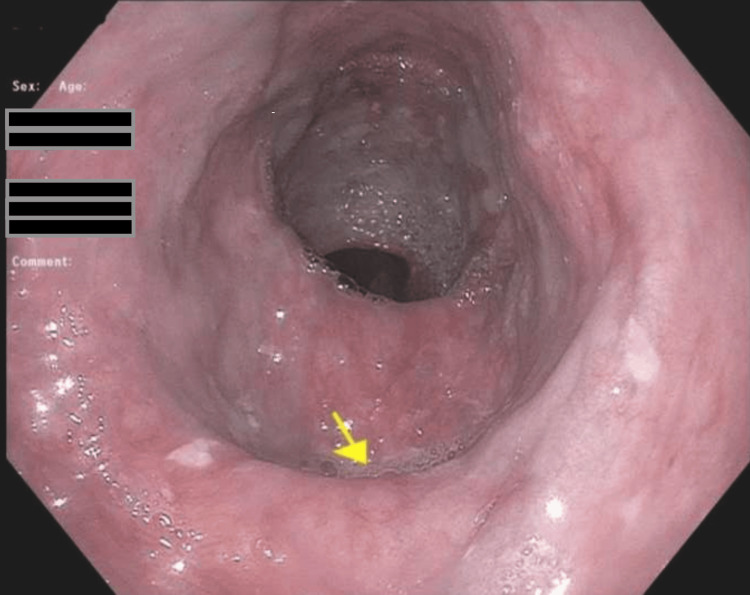 Figure 1
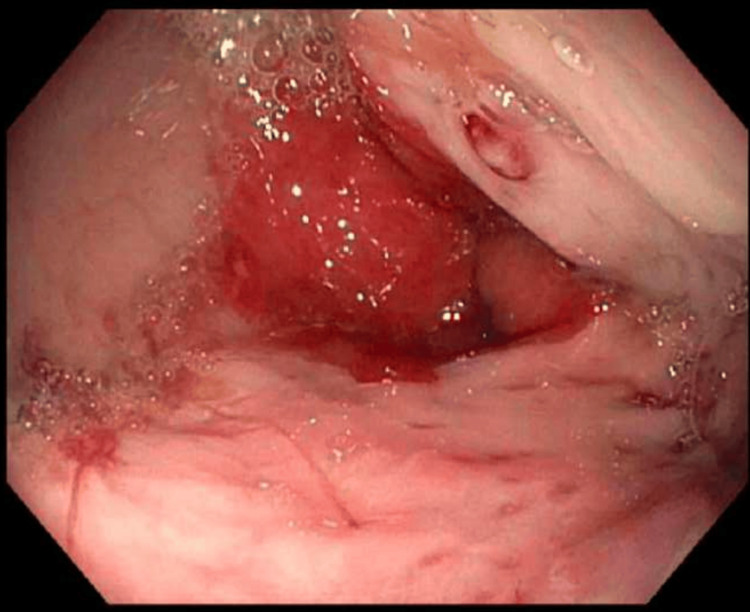 Figure 2
Peer Reviews
No public reviews on file for this paper yet. If you reviewed it on a platform where reviews are public (OpenReview, ICLR, NeurIPS, ICML), you can paste yours below so the community can read it here.
Videos
No videos yet. Explain this paper in a talk, walkthrough, or lecture? Add one.
Taxonomy
TopicsLiver Disease and Transplantation · Liver Disease Diagnosis and Treatment · Organ Transplantation Techniques and Outcomes