A Comparative Analysis of the Efficacy and Safety of Nimesulide/Paracetamol Fixed-Dose Combination With Other NSAIDs in Acute Pain Management: A Randomized, Prospective, Multicenter, Active-Controlled Study (the SAFE-2 Study)
Sandip Patil, Naushad Nadaf, Sabyasachi Gupta, Pratik Barai, Swati Makhija, Prateek Lodha, Chintan Patel, Ajitkumar A Gondane, Dattatray Pawar, Akhilesh Sharma

TL;DR
This study compared the pain relief and safety of a nimesulide/paracetamol combination with other NSAID combinations in treating acute pain, finding it more effective and safer than some alternatives.
Contribution
The study provides new evidence on the efficacy and safety of a nimesulide/paracetamol fixed-dose combination compared to other NSAID combinations for acute pain.
Findings
Nimesulide/paracetamol showed significantly greater pain reduction than ketorolac and non-inferior results to diclofenac/paracetamol and aceclofenac/paracetamol.
Nimesulide/paracetamol had a better tolerability profile than diclofenac/paracetamol and aceclofenac/paracetamol combinations.
The combination caused fewer adverse events and no significant liver or kidney issues except for a rise in serum creatinine in the diclofenac/paracetamol group.
Abstract
Objective In this study, we aimed to compare the efficacy and safety of the fixed-dose combination (FDC) of nimesulide (100 mg) + paracetamol (325 mg) [NP], ketorolac (10 mg) [Kt] alone, diclofenac (50 mg) + paracetamol (325 mg) [DP], and aceclofenac (100 mg) + paracetamol (325 mg) [AP] in patients with acute painful conditions. Methods This was a randomized, prospective, open-label, multicentre, active-controlled study involving patients aged ≥18 years, with acute painful conditions like low back pain, acute musculoskeletal disorders, and trauma such as tendinitis, tenosynovitis, bursitis, sprains and strains, migraine, dental pain, painful dental procedures, and post-surgical pain. Reduction in pain intensity and liver, renal, gastrointestinal, and cardiovascular safety were assessed on days seven and 14. Results A total of 600 patients were randomized into NP, Kt, DP, and AP…
Genes, proteins, chemicals, diseases, species, mutations and cell lines named across the full text — each resolved to its canonical identifier and authoritative record.
Click any figure to enlarge with its caption.
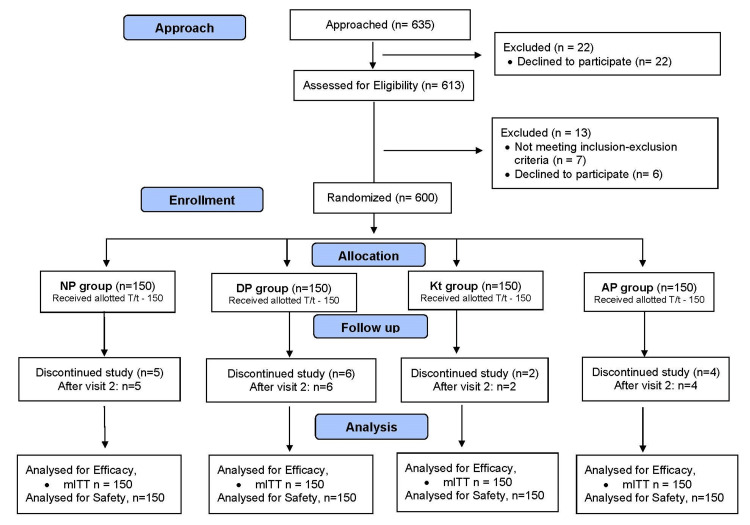 Figure 1
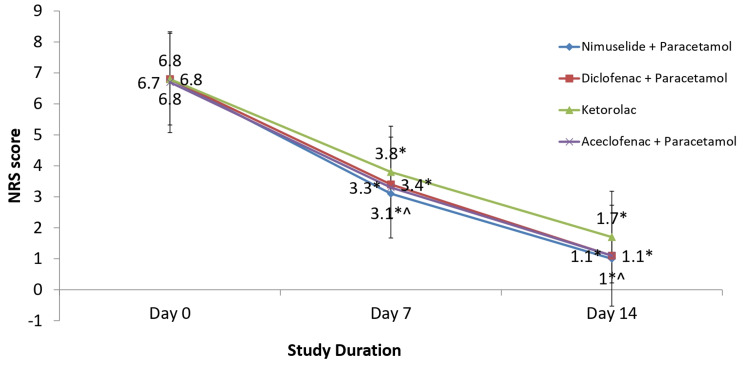 Figure 2
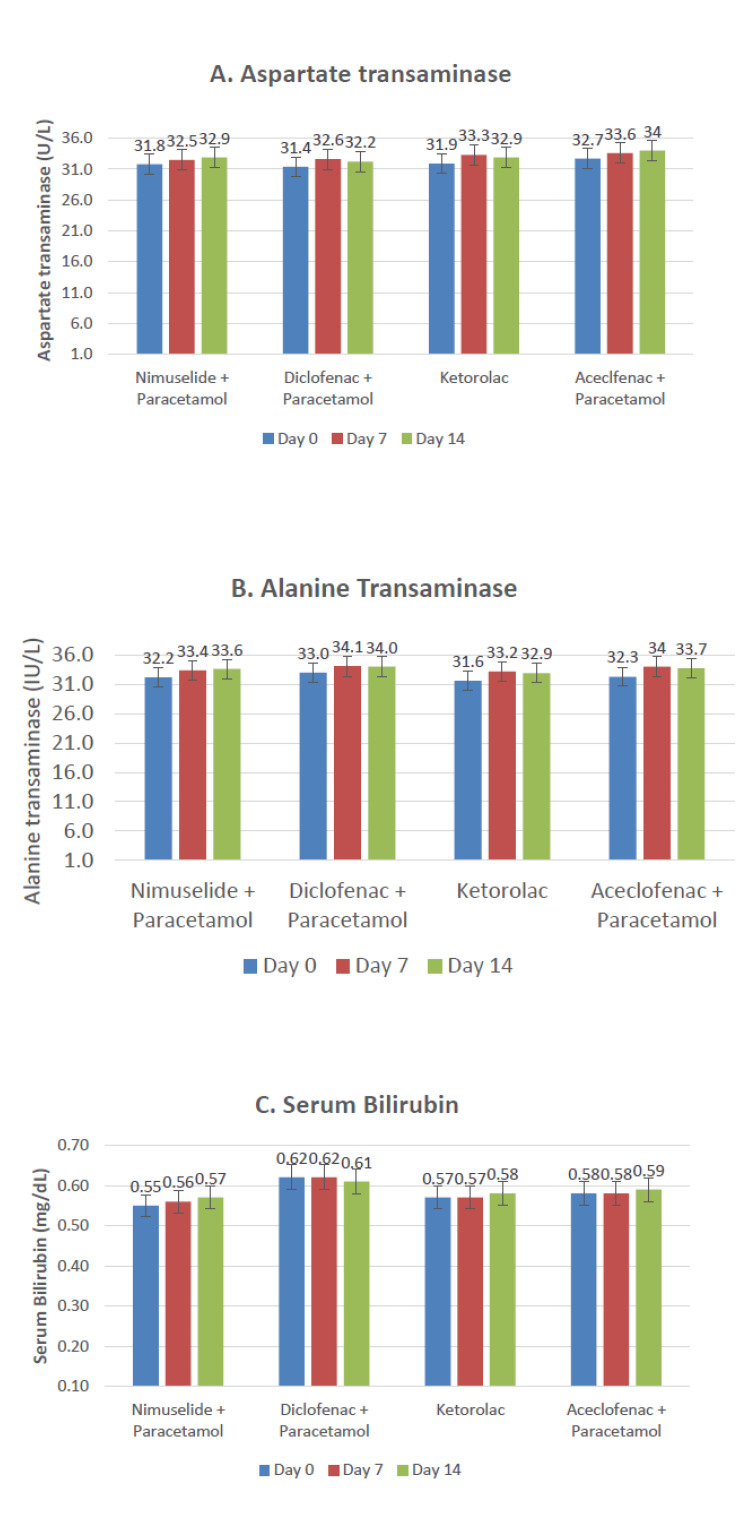 Figure 3
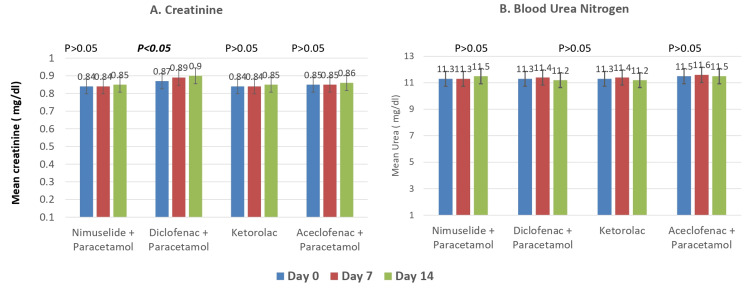 Figure 4
Peer Reviews
No public reviews on file for this paper yet. If you reviewed it on a platform where reviews are public (OpenReview, ICLR, NeurIPS, ICML), you can paste yours below so the community can read it here.
Videos
No videos yet. Explain this paper in a talk, walkthrough, or lecture? Add one.
Taxonomy
TopicsInflammatory mediators and NSAID effects · Drug-Induced Hepatotoxicity and Protection · Pain Mechanisms and Treatments