Dual Semi-Interpenetrating Networks of Water-Soluble Macromolecules and Supramolecular Polymer-like Chains: The Role of Component Interactions
Anna L. Makarova, Alexander L. Kwiatkowski, Alexander I. Kuklin, Yuri M. Chesnokov, Olga E. Philippova, Andrey V. Shibaev

TL;DR
This study explores how chemical composition and pH affect the viscosity of polymer-surfactant mixtures used in hydraulic fracturing.
Contribution
The novel finding is that residual acetate groups in PVA significantly reduce viscosity by altering micelle structure.
Findings
Residual acetate groups in PVA reduce mixed system viscosity by modifying micellar aggregates.
Hydrolysis at pH >7 increases viscosity by five orders of magnitude due to longer worm-like micelles.
The study provides insights for developing dual semi-interpenetrating networks for fracturing fluids.
Abstract
Dual networks formed by entangled polymer chains and wormlike surfactant micelles have attracted increasing interest in their application as thickeners in various fields since they combine the advantages of both polymer- and surfactant-based fluids. In particular, such polymer-surfactant mixtures are of great interest as novel hydraulic fracturing fluids with enhanced properties. In this study, we demonstrated the effect of the chemical composition of an uncharged polymer poly(vinyl alcohol) (PVA) and pH on the rheological properties and structure of its mixtures with a cationic surfactant erucyl bis(hydroxyethyl)methylammonium chloride already exploited in fracturing operations. Using a combination of several complementary techniques (rheometry, cryo-transmission electron microscopy, small-angle neutron scattering, and nuclear magnetic resonance spectroscopy), we showed that a small…
Genes, proteins, chemicals, diseases, species, mutations and cell lines named across the full text — each resolved to its canonical identifier and authoritative record.
Click any figure to enlarge with its caption.
 Figure 1
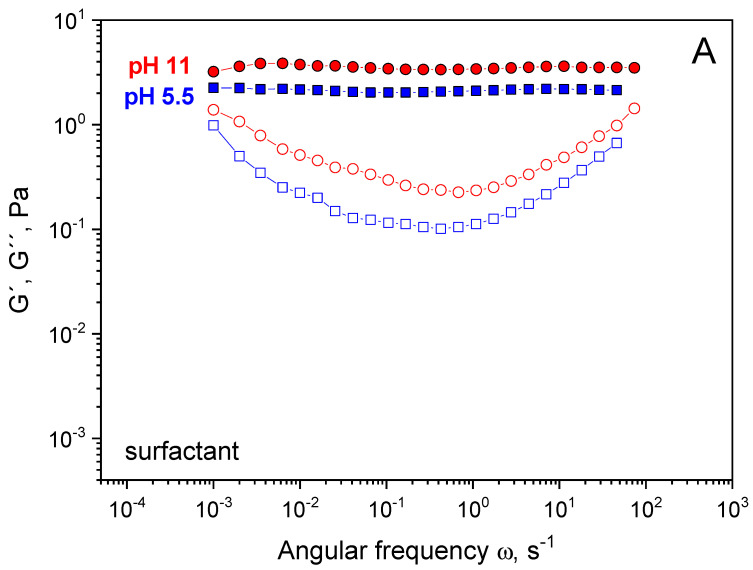 Figure 2
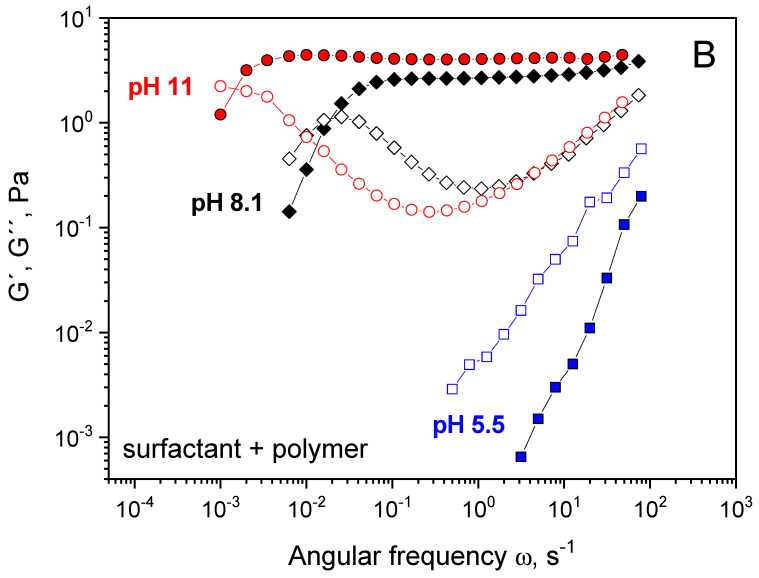 Figure 3
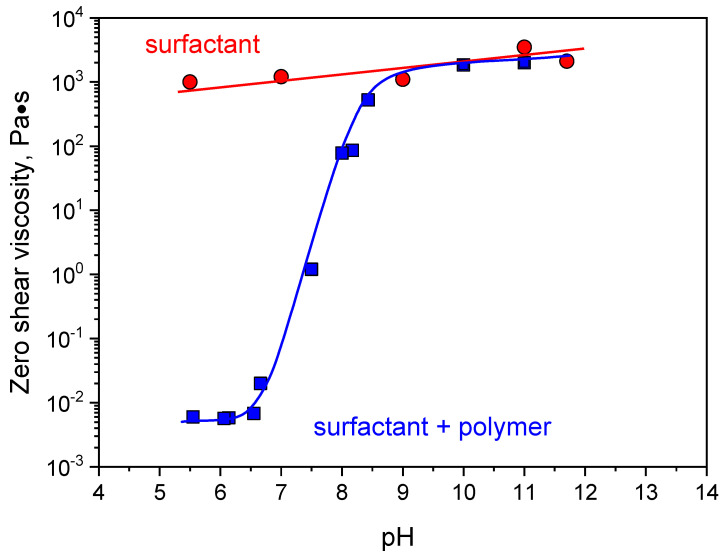 Figure 4
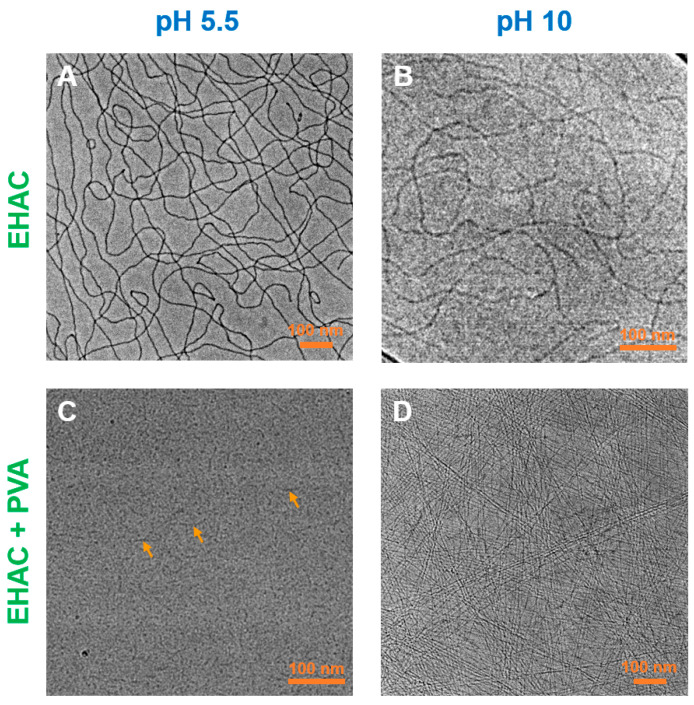 Figure 5
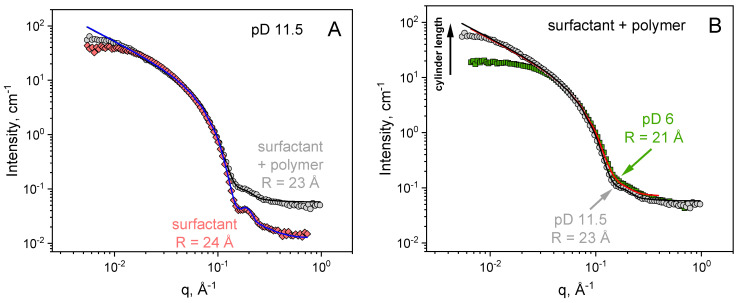 Figure 6
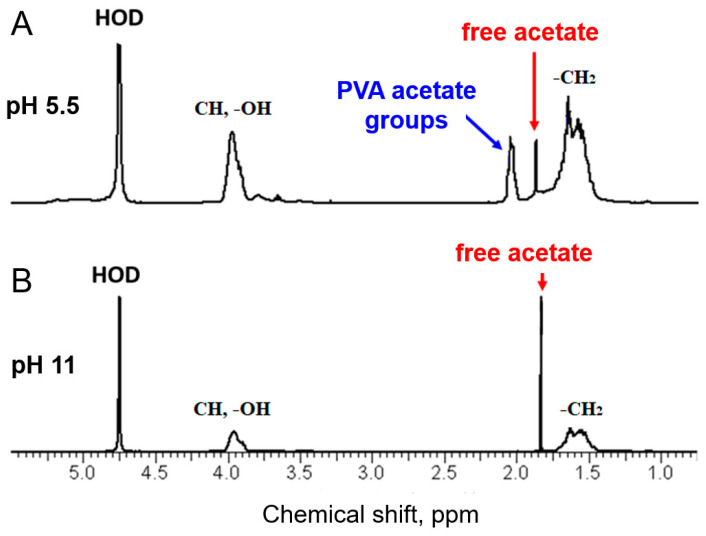 Figure 7
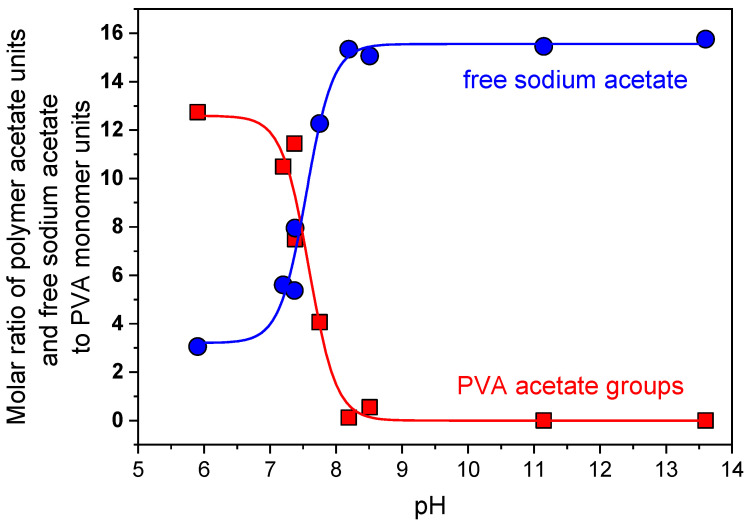 Figure 8
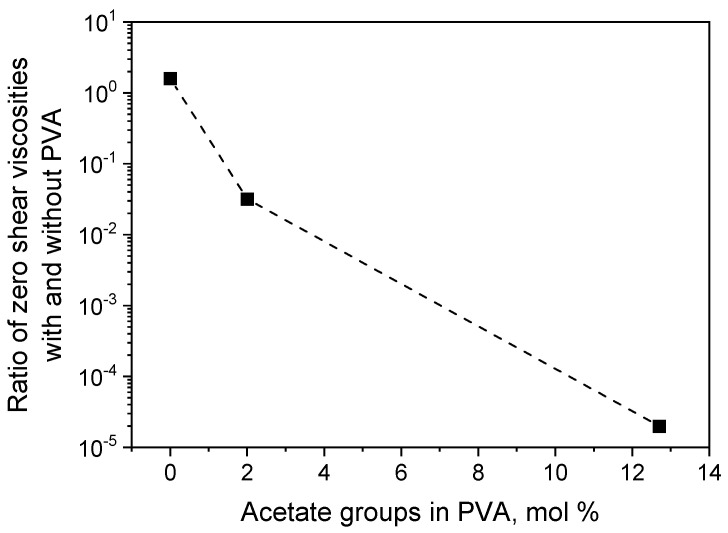 Figure 9
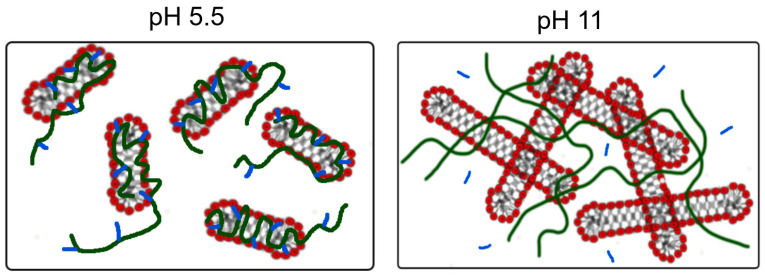 Figure 10
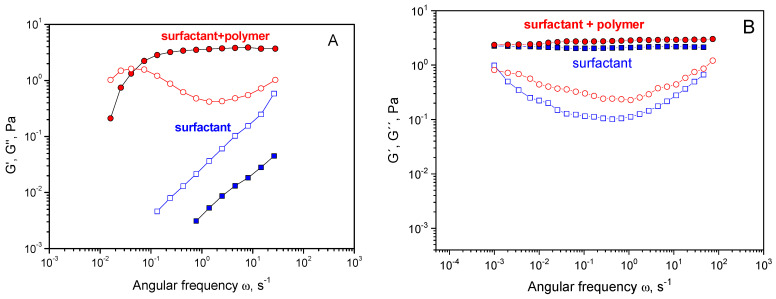 Figure 11
Peer Reviews
No public reviews on file for this paper yet. If you reviewed it on a platform where reviews are public (OpenReview, ICLR, NeurIPS, ICML), you can paste yours below so the community can read it here.
Videos
No videos yet. Explain this paper in a talk, walkthrough, or lecture? Add one.
Taxonomy
TopicsSurfactants and Colloidal Systems · Petroleum Processing and Analysis · Enhanced Oil Recovery Techniques