Nitric Oxide Mitigates the Deleterious Effects Caused by Infection of Pseudomonas syringae pv. syringae and Modulates the Carbon Assimilation Process in Sweet Cherry under Water Stress
Carlos Rubilar-Hernández, Carolina Álvarez-Maldini, Lorena Pizarro, Franco Figueroa, Luis Villalobos-González, Paula Pimentel, Nicola Fiore, Manuel Pinto

TL;DR
Nitric oxide helps sweet cherry plants resist a bacterial infection and manage water stress by improving their defense mechanisms and carbon assimilation.
Contribution
This study demonstrates that nitric oxide mitigates Pss infection and modulates carbon assimilation in sweet cherry under water stress.
Findings
Exogenous nitric oxide reduces susceptibility to Pseudomonas syringae pv. syringae in sweet cherry plants.
Nitric oxide improves leaf membrane stability and proline content in water-stressed plants.
Nitric oxide increases stomatal conductance and CO2 assimilation in well-watered plants.
Abstract
Bacterial canker is an important disease of sweet cherry plants mainly caused by Pseudomonas syringae pv. syringae (Pss). Water deficit profoundly impairs the yield of this crop. Nitric oxide (NO) is a molecule that plays an important role in the plant defense mechanisms. To evaluate the protection exerted by NO against Pss infection under normal or water-restricted conditions, sodium nitroprusside (SNP), a NO donor, was applied to sweet cherry plants cv. Lapins, before they were exposed to Pss infection under normal or water-restricted conditions throughout two seasons. Well-watered plants treated with exogenous NO presented a lower susceptibility to Pss. A lower susceptibility to Pss was also induced in plants by water stress and this effect was increased when water stress was accompanied by exogenous NO. The lower susceptibility to Pss induced either by exogenous NO or water stress…
Genes, proteins, chemicals, diseases, species, mutations and cell lines named across the full text — each resolved to its canonical identifier and authoritative record.
Click any figure to enlarge with its caption.
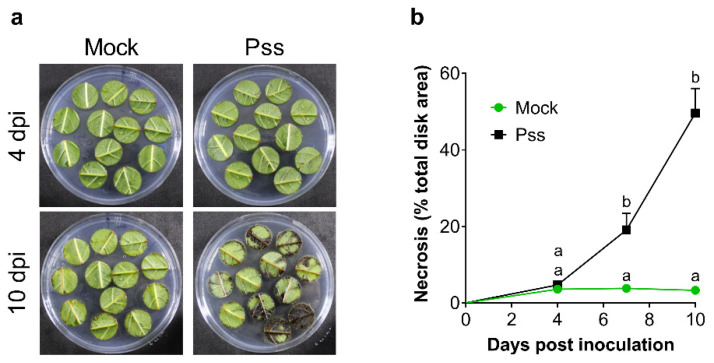 Figure 1
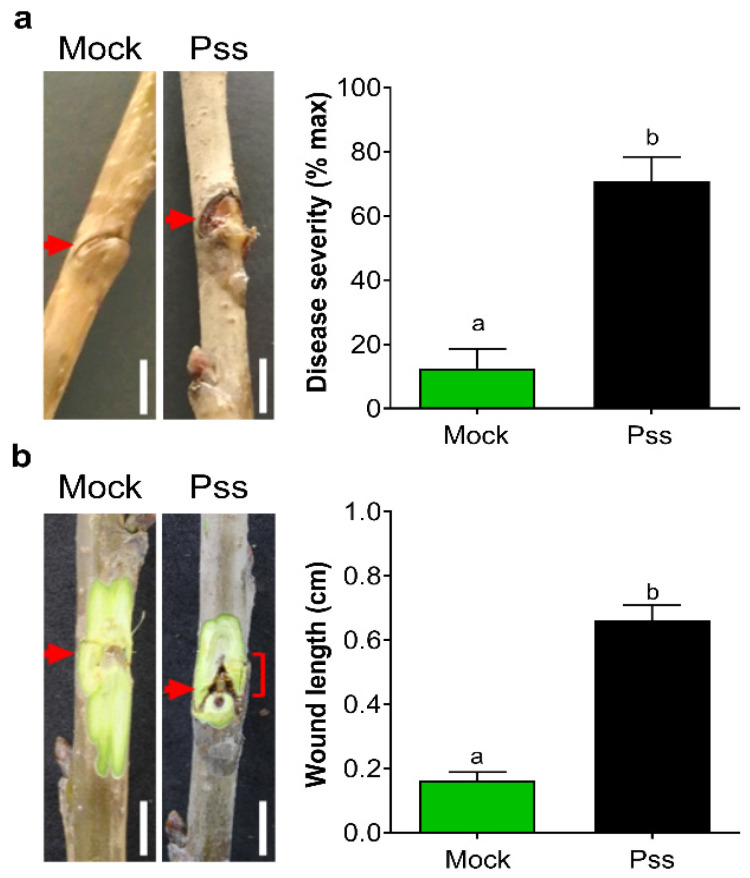 Figure 2
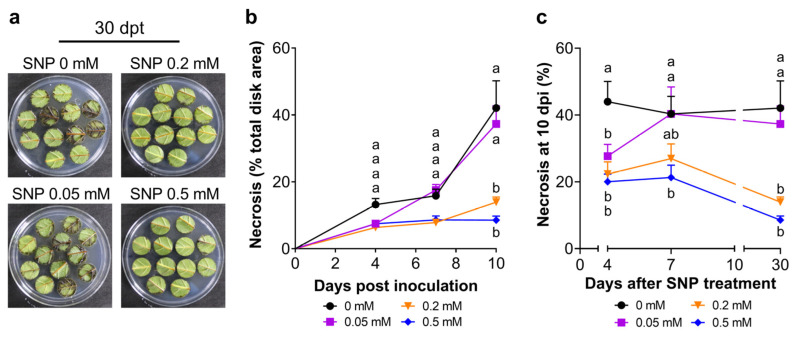 Figure 3
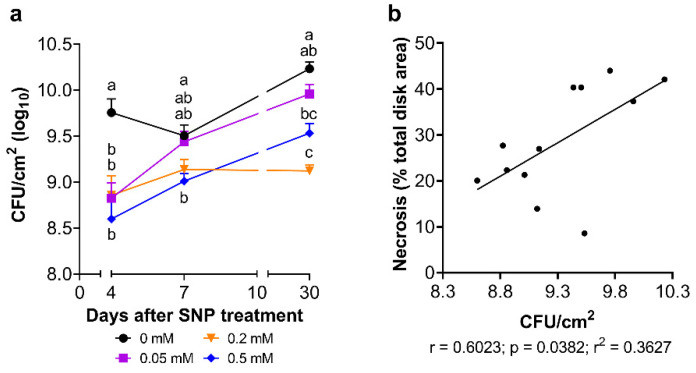 Figure 4
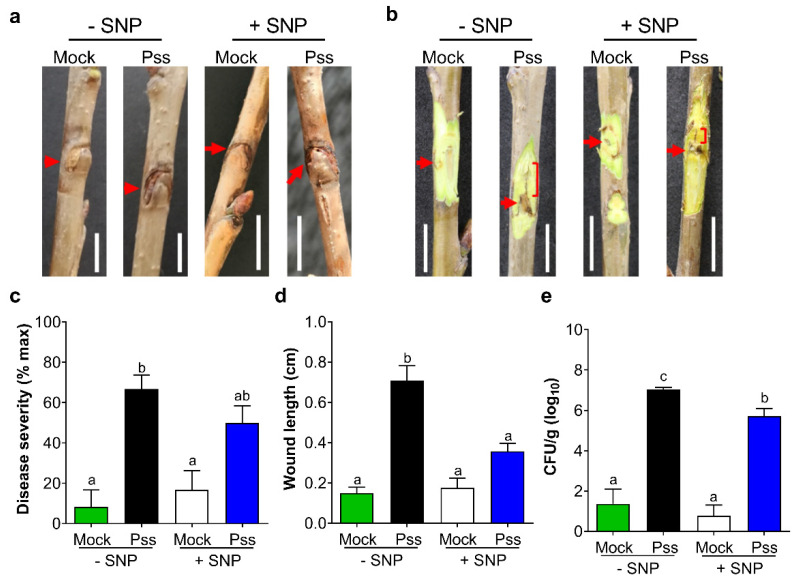 Figure 5
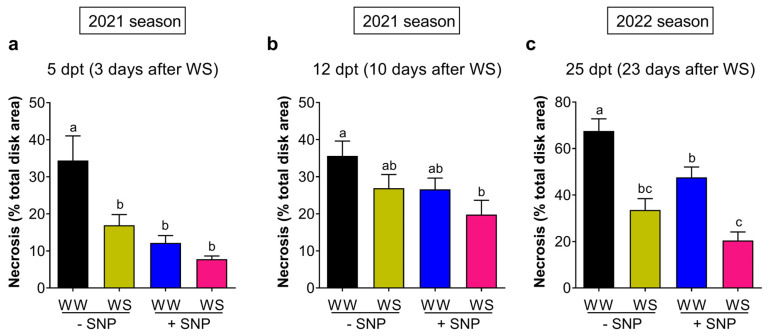 Figure 6
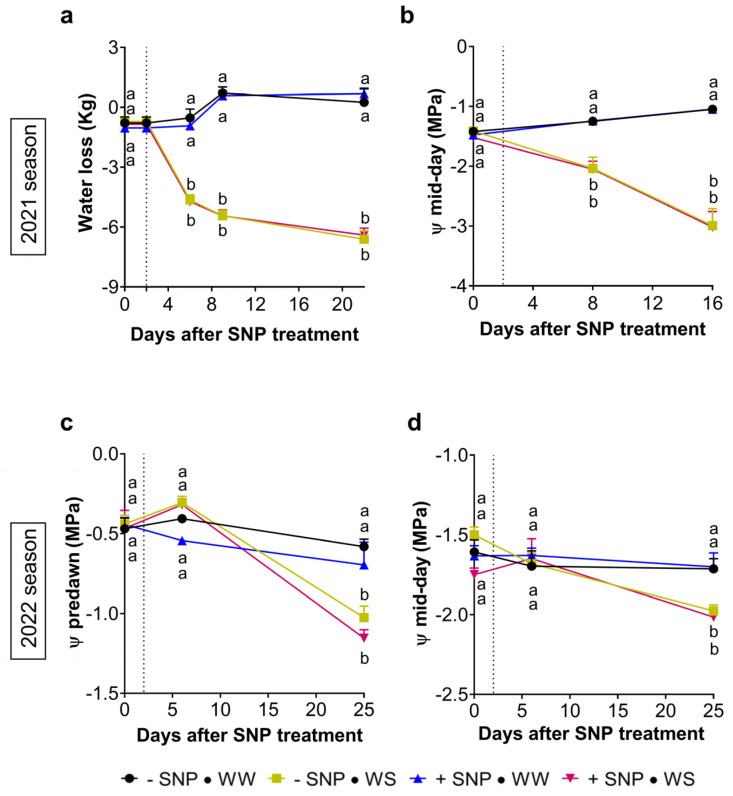 Figure 7
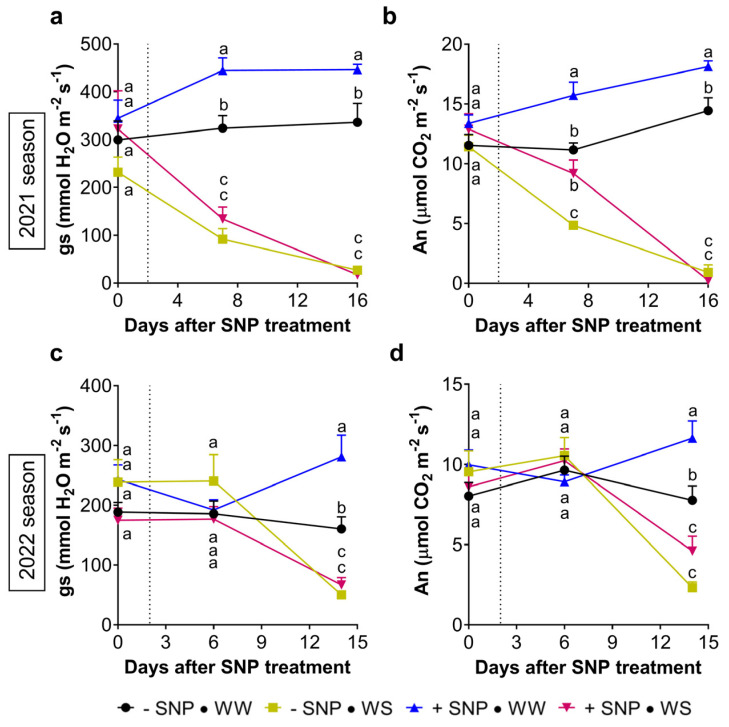 Figure 8
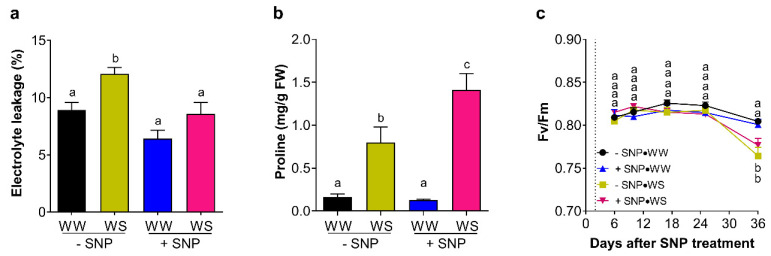 Figure 9
Peer Reviews
No public reviews on file for this paper yet. If you reviewed it on a platform where reviews are public (OpenReview, ICLR, NeurIPS, ICML), you can paste yours below so the community can read it here.
Videos
No videos yet. Explain this paper in a talk, walkthrough, or lecture? Add one.
Taxonomy
TopicsPlant Stress Responses and Tolerance · Plant-Microbe Interactions and Immunity · Plant Pathogenic Bacteria Studies