The Influence of Zinc Oxide Nanoparticles and Salt Stress on the Morphological and Some Biochemical Characteristics of Solanum lycopersicum L. Plants
Mostafa Ahmed, Diaa Attia Marrez, Roquia Rizk, Mostafa Zedan, Donia Abdul-Hamid, Kincső Decsi, Gergő Péter Kovács, Zoltán Tóth

TL;DR
This study shows that applying zinc oxide nanoparticles can help tomato plants resist salt stress by improving their growth and reducing harmful effects.
Contribution
The study introduces the use of ZnO-NPs as a novel method to mitigate salt stress in tomato plants.
Findings
ZnO-NPs improved plant growth and chlorophyll content under salt stress.
ZnO-NPs reduced stress markers like H2O2 and MDA in tomato plants.
ZnO-NPs increased phenolic compounds and proteins in tomato leaves.
Abstract
Salinity reduces crop yields and quality, causing global economic losses. Zinc oxide nanoparticles (ZnO-NPs) improve plant physiological and metabolic processes and abiotic stress resistance. This study examined the effects of foliar ZnO-NPs at 75 and 150 mg/L on tomato Kecskeméti 549 plants to alleviate salt stress caused by 150 mM NaCl. The precipitation procedure produced ZnO-NPs that were characterized using UV-VIS, TEM, STEM, DLS, EDAX, Zeta potential, and FTIR. The study assessed TPCs, TFCs, total hydrolyzable sugars, total free amino acids, protein, proline, H2O2, and MDA along with plant height, stem width, leaf area, and SPAD values. The polyphenolic burden was also measured by HPLC. With salt stress, plant growth and chlorophyll content decreased significantly. The growth and development of tomato plants changed by applying the ZnO-NPs. Dosages of ZnO-NPs had a significant…
Genes, proteins, chemicals, diseases, species, mutations and cell lines named across the full text — each resolved to its canonical identifier and authoritative record.
Click any figure to enlarge with its caption.
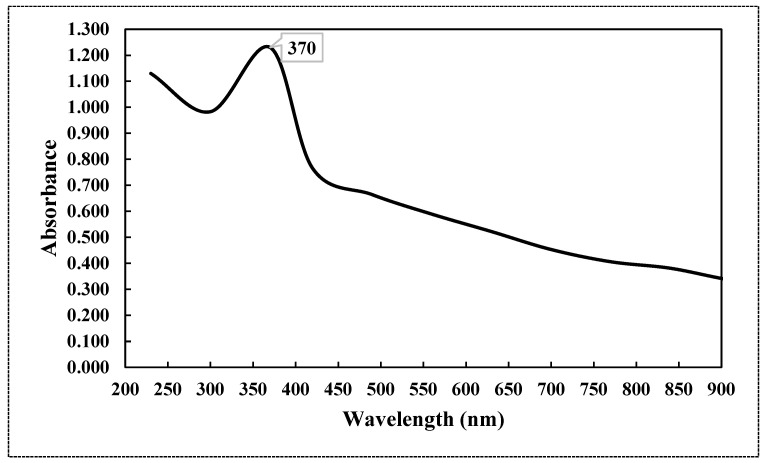 Figure 1
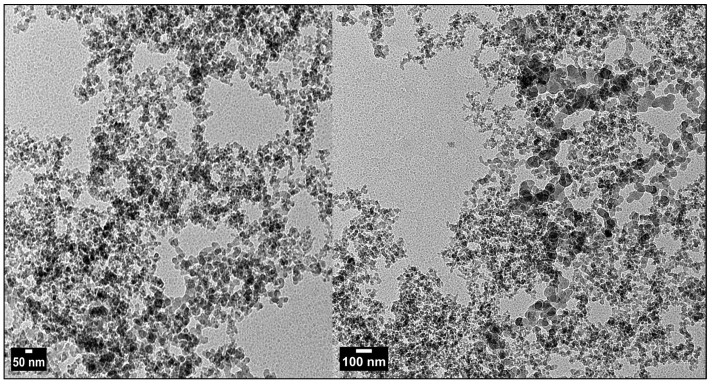 Figure 2
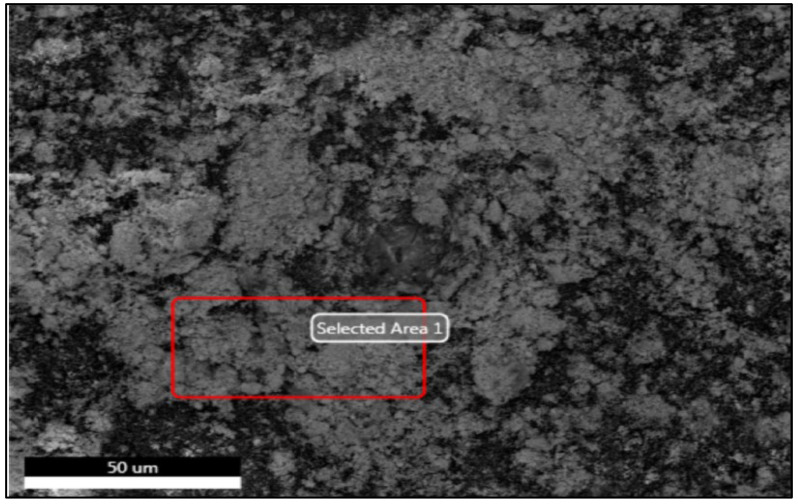 Figure 3
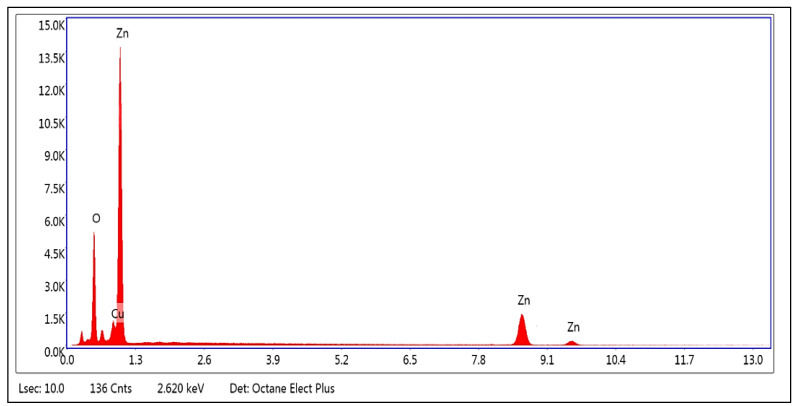 Figure 4
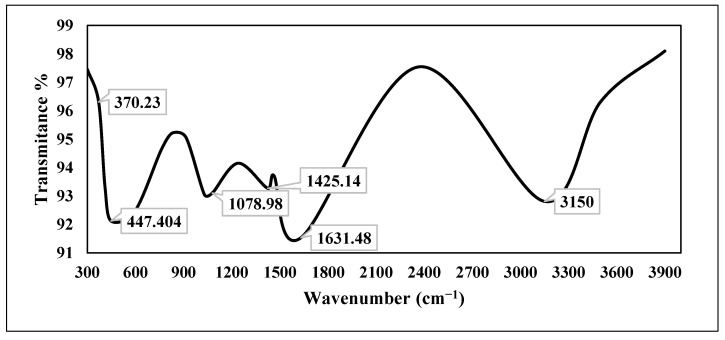 Figure 5
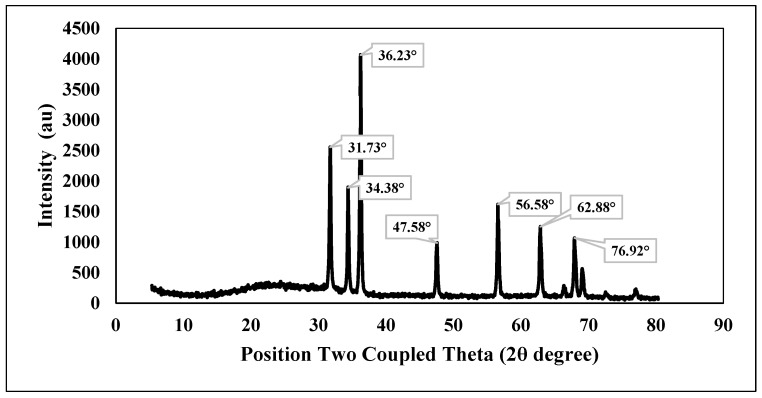 Figure 6
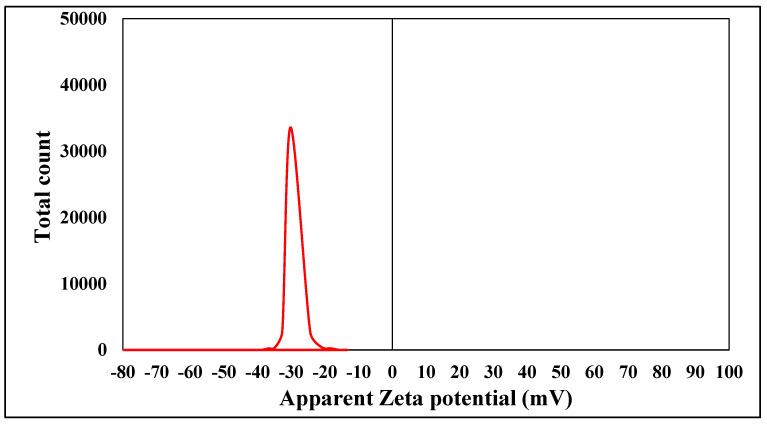 Figure 7
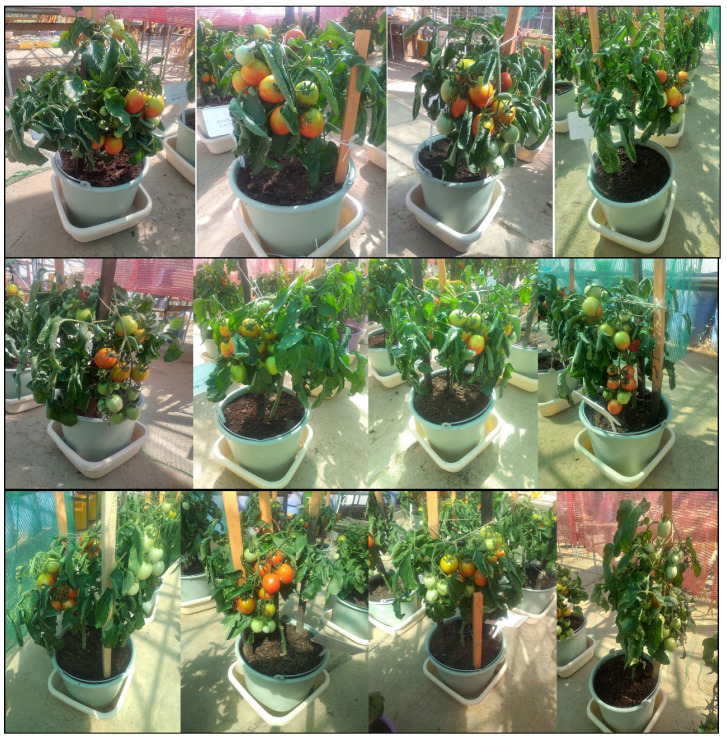 Figure 8
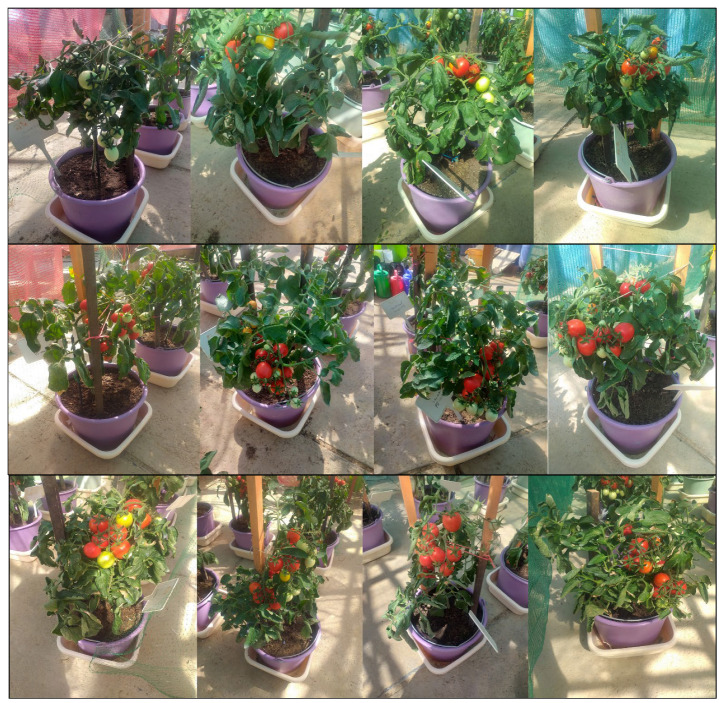 Figure 9
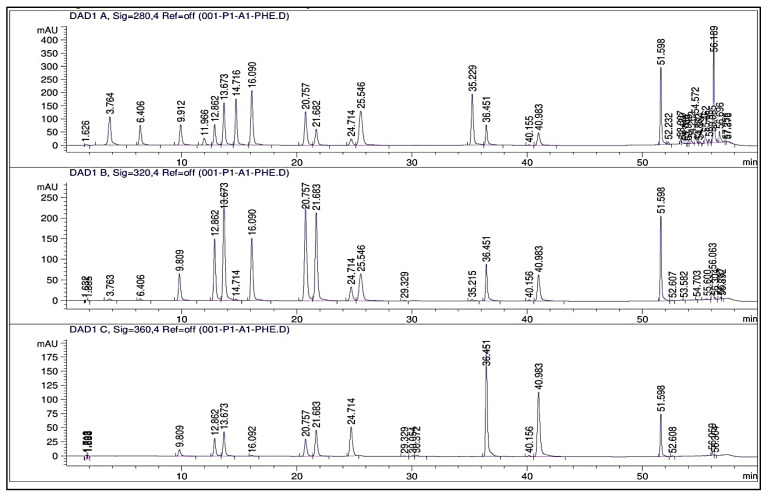 Figure 10
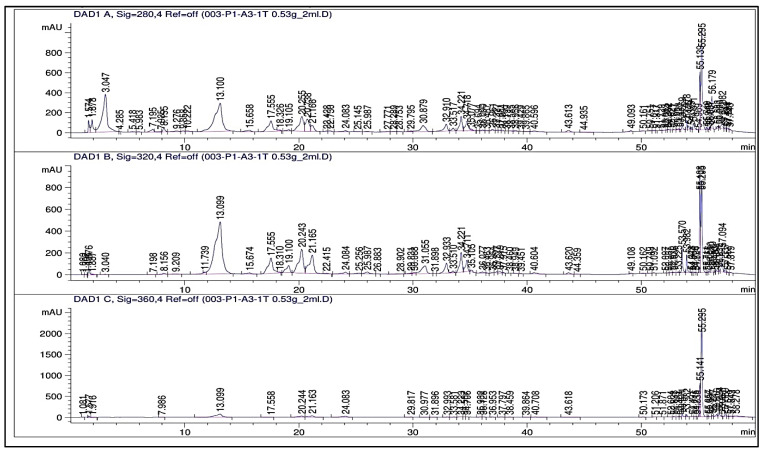 Figure 11
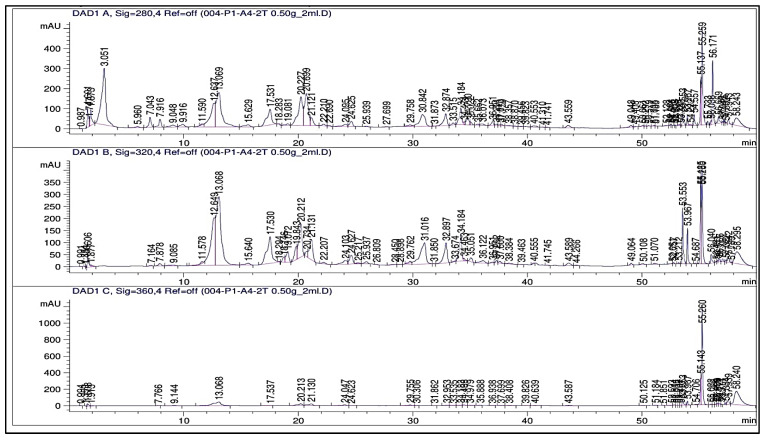 Figure 12
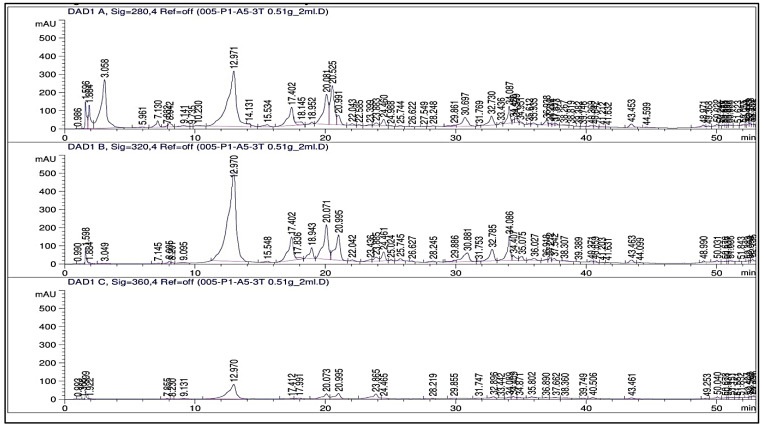 Figure 13
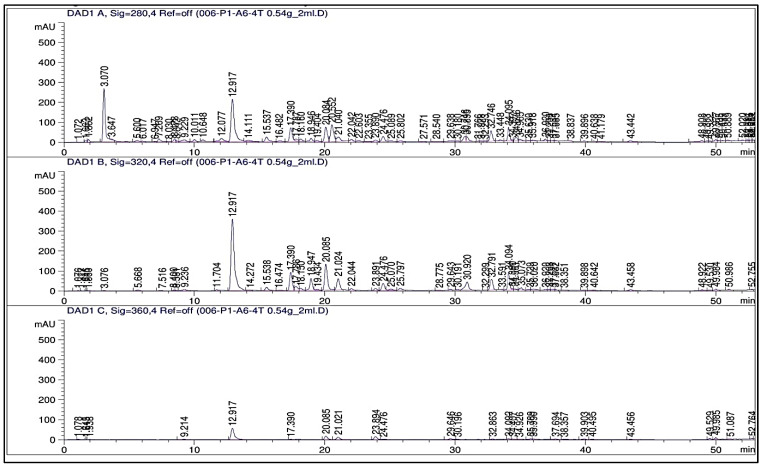 Figure 14
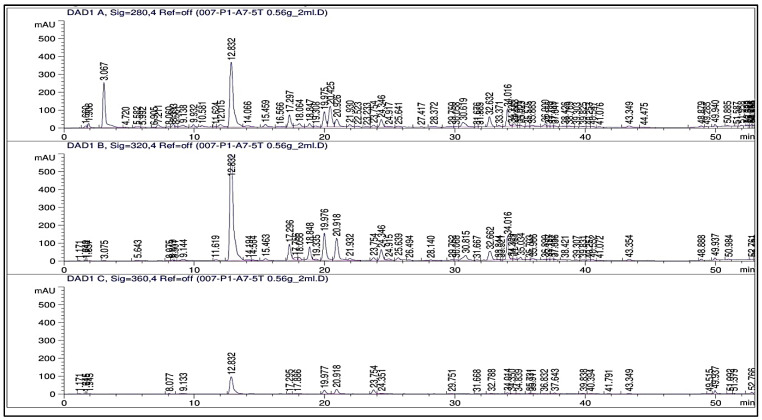 Figure 15
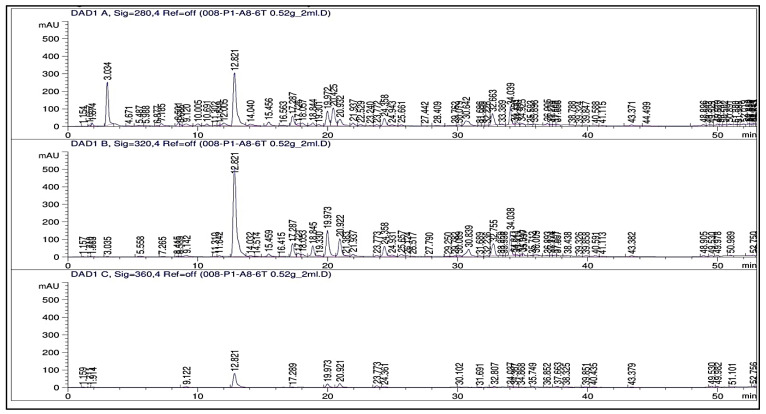 Figure 16
Peer Reviews
No public reviews on file for this paper yet. If you reviewed it on a platform where reviews are public (OpenReview, ICLR, NeurIPS, ICML), you can paste yours below so the community can read it here.
Videos
No videos yet. Explain this paper in a talk, walkthrough, or lecture? Add one.
Taxonomy
TopicsMicrobial Metabolic Engineering and Bioproduction · Algal biology and biofuel production · Enzyme Catalysis and Immobilization