Exploring In Vitro Immunomodulatory Properties of Moss Atrichum undulatum Extracts
Tanja Lunić, Marija Rakić, Aneta Sabovljević, Marko Sabovljević, Tamara Filipović, Bojan Božić, Biljana Božić Nedeljković

TL;DR
This study explores the anti-neuroinflammatory and neuroprotective effects of extracts from the moss Atrichum undulatum, showing potential for combating neuroinflammation.
Contribution
The study identifies novel anti-neuroinflammatory properties of Atrichum undulatum extracts from two genotypes.
Findings
Methanolic extract of the Serbian genotype had the highest total phenolic compounds.
Hungarian genotype's ethyl acetate extract showed the highest levels of phenolic acids, flavonoids, and flavonols.
Extracts reduced reactive oxygen species, nitric oxide, and tumor necrosis factor alpha in microglial cells.
Abstract
Bryophytes are rich sources of diverse secondary metabolites with a wide range of biological activities, including anti-inflammatory, antitumor and antimicrobial effects. The aim of this study was to investigate the chemical composition of extracts from two different genotypes (Serbian and Hungarian) of the axenic moss Atrichum undulatum and evaluate the immunomodulatory potential of the prepared extracts in vitro. Both genotypes of moss samples were cultivated in vitro and subsequently extracted in a Soxhlet apparatus with methanol or ethyl acetate. The highest concentration of total phenolic compounds was found in the methanolic extract of the Serbian genotype (54.25 mg GAE/g extract), while the ethyl acetate extract of the Hungarian genotype showed the highest concentration of phenolic acids (163.20 mg CAE/extract), flavonoids (35.57 mg QE/extract), and flavonols (2.25 mg…
Genes, proteins, chemicals, diseases, species, mutations and cell lines named across the full text — each resolved to its canonical identifier and authoritative record.
Click any figure to enlarge with its caption.
 Figure 1
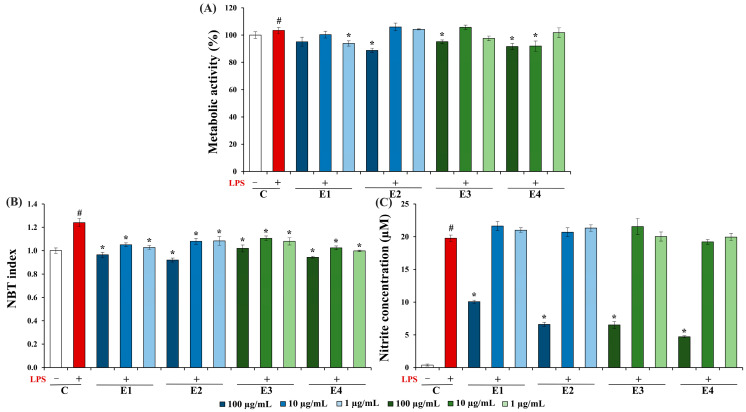 Figure 2
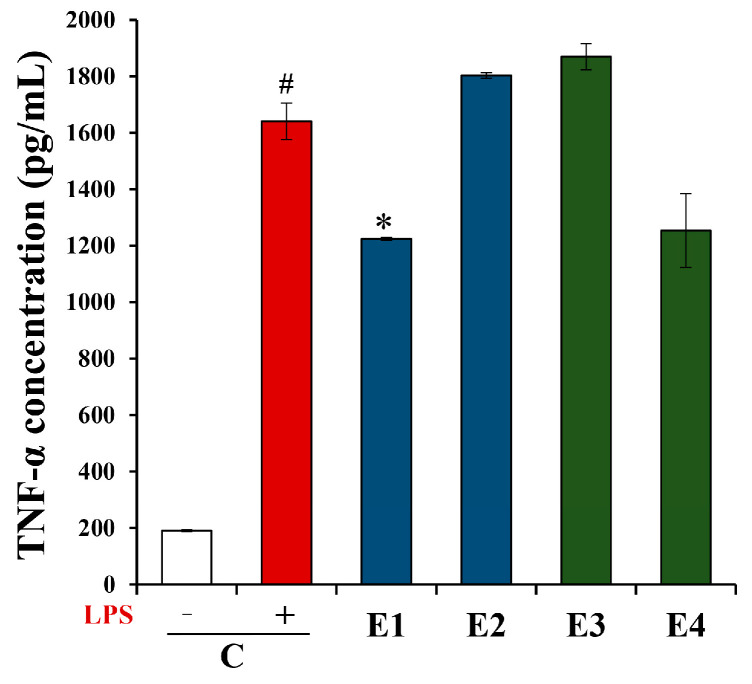 Figure 3
 Figure 4
Peer Reviews
No public reviews on file for this paper yet. If you reviewed it on a platform where reviews are public (OpenReview, ICLR, NeurIPS, ICML), you can paste yours below so the community can read it here.
Videos
No videos yet. Explain this paper in a talk, walkthrough, or lecture? Add one.
Taxonomy
TopicsBryophyte Studies and Records · Lichen and fungal ecology · Fungal Biology and Applications