Efficient Removal of Nickel from Wastewater Using Copper Sulfate–Ammonia Complex Modified Activated Carbon: Adsorption Performance and Mechanism
Yifei Wang, Xiaoxiao Yan, Yidi Zhang, Xiaoxin Qin, Xubiao Yu, Li Jiang, Bing Li

TL;DR
This study shows how modifying activated carbon with a copper sulfate-ammonia complex improves its ability to remove nickel from wastewater, making the process more efficient.
Contribution
The novel use of a copper sulfate–ammonia complex to modify activated carbon for enhanced nickel adsorption is introduced.
Findings
Modified activated carbon ([Cu(NH3)4]-PAC) showed higher Ni(II) adsorption capacity than unmodified PAC.
Adsorption mechanisms include surface complexation, cation exchange, and electrostatic interactions.
The modified material exhibited pH buffering and adaptability, with adsorption behavior fitting the Langmuir and pseudo-second-order models.
Abstract
The necessity to eliminate nickel (Ni) from wastewater stems from its environmental and health hazards. To enhance the Ni adsorption capacity, this research applied a copper sulfate–ammonia complex (tetraamminecopper (II) sulfate monohydrate, [Cu(NH3)4]SO4·H2O) as a modifying agent for a Phragmites australis-based activated carbon preparation. The physiochemical properties of powdered activated carbon (PAC) and a modified form ([Cu(NH3)4]-PAC) were examined by measuring their surface areas, analyzing their elemental composition, and using Boehm’s titration method. Batch experiments were conducted to investigate the impact of various factors, such as Ni(II) concentration, contact time, pH, and ionic strength, on its substance adsorption capabilities. Additionally, the adsorption mechanisms of Ni(II) onto activated carbon were elucidated via Fourier-transform infrared (FTIR) spectroscopy…
Genes, proteins, chemicals, diseases, species, mutations and cell lines named across the full text — each resolved to its canonical identifier and authoritative record.
Click any figure to enlarge with its caption.
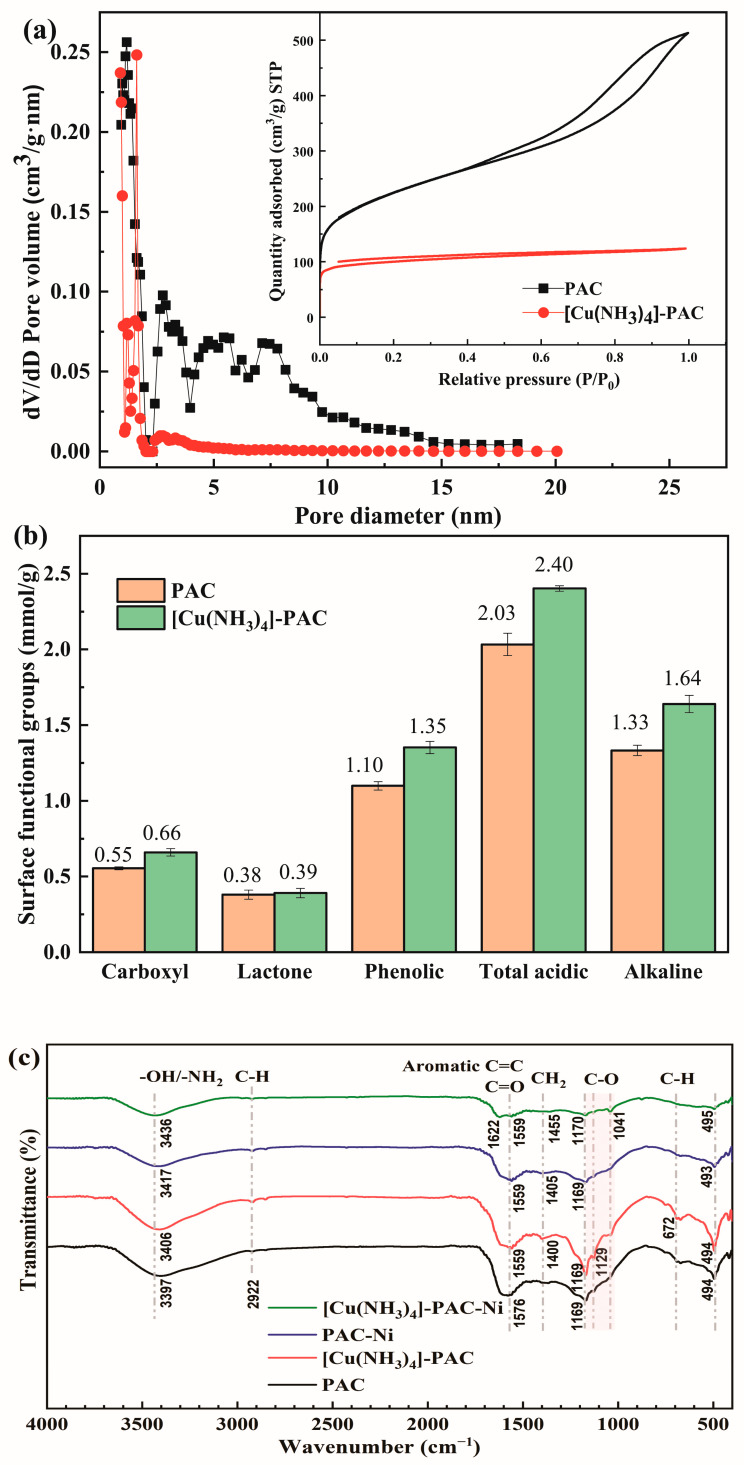 Figure 1
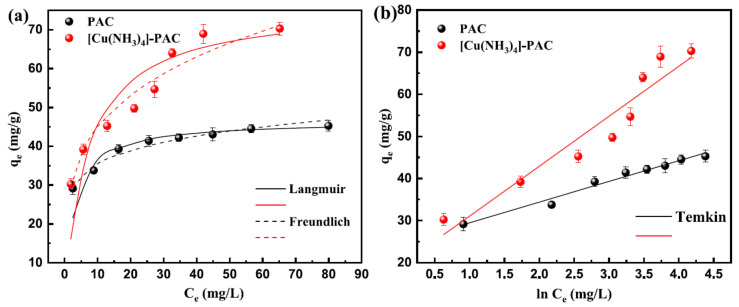 Figure 2
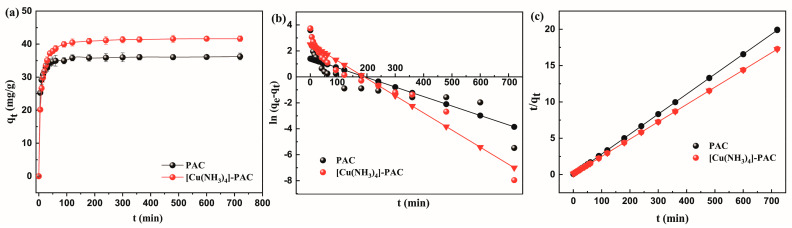 Figure 3
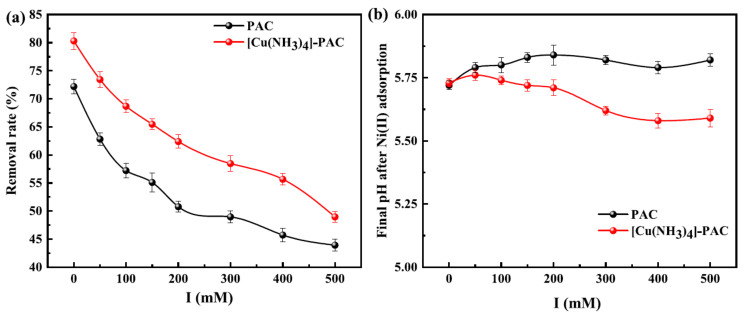 Figure 4
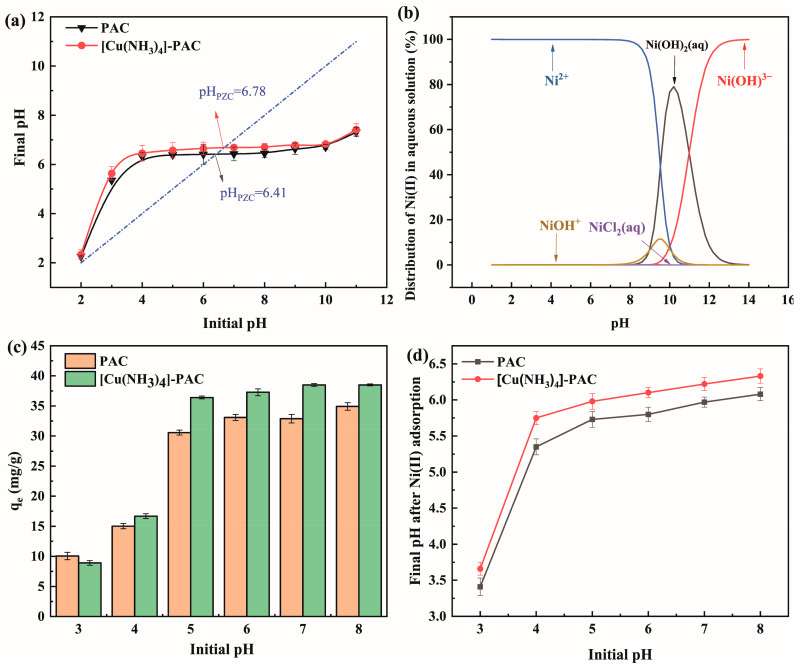 Figure 5
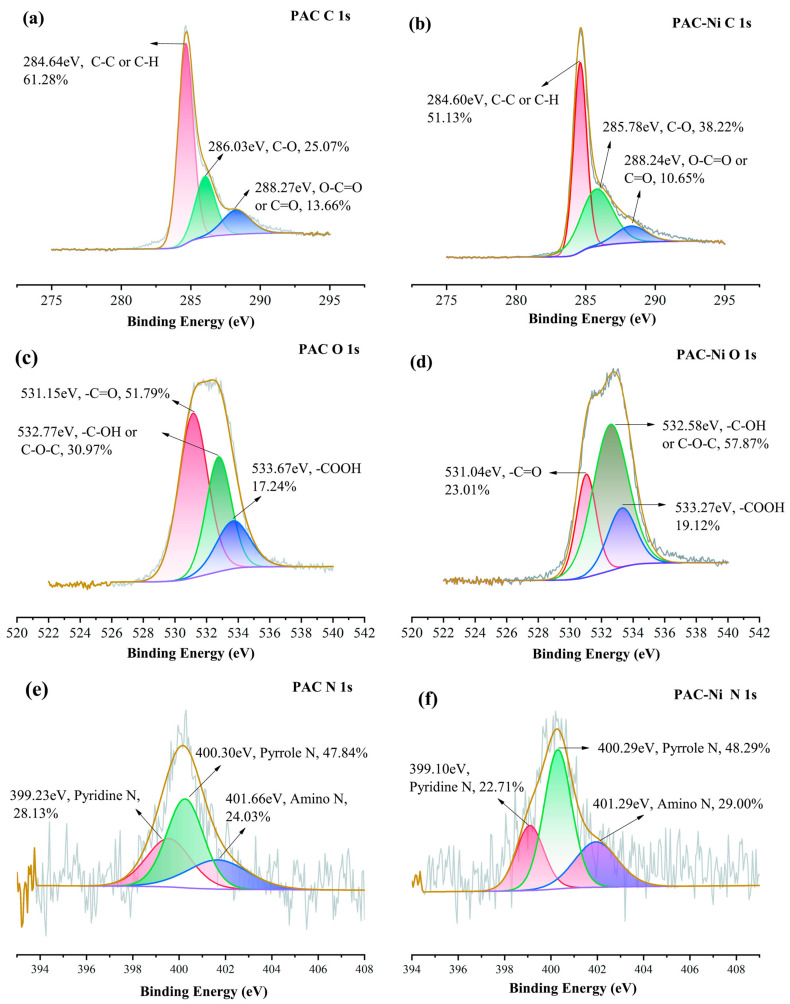 Figure 6
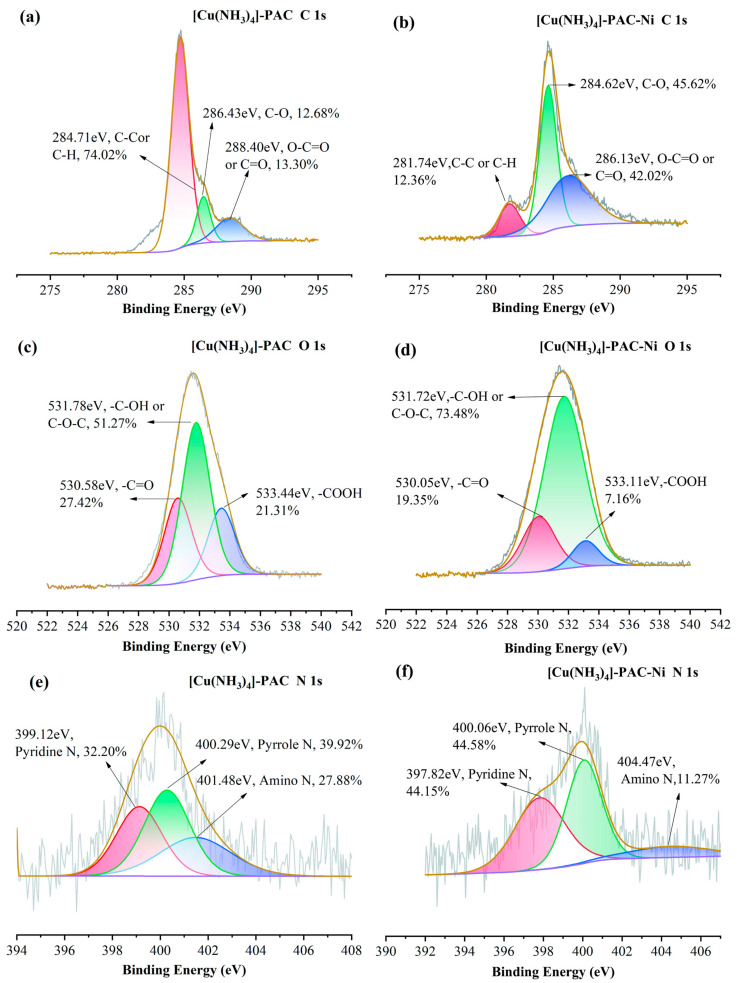 Figure 7
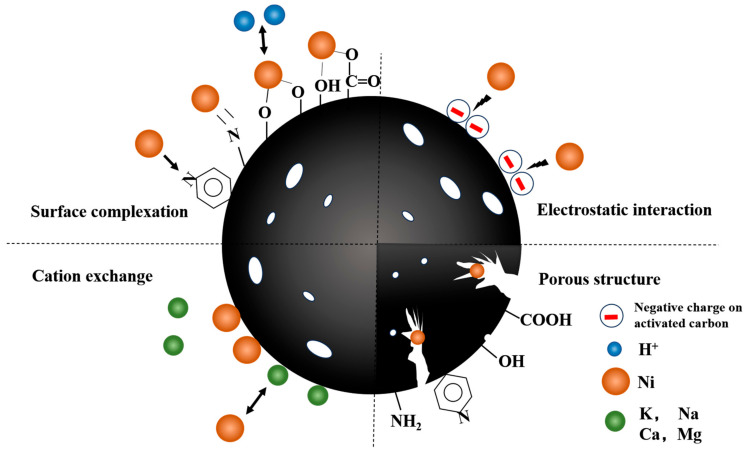 Figure 8
Peer Reviews
No public reviews on file for this paper yet. If you reviewed it on a platform where reviews are public (OpenReview, ICLR, NeurIPS, ICML), you can paste yours below so the community can read it here.
Videos
No videos yet. Explain this paper in a talk, walkthrough, or lecture? Add one.
Taxonomy
TopicsComparative constitutional jurisprudence studies · Legal processes and jurisprudence · Comparative International Legal Studies