Addressing the Concern of Orange-Yellow Fungus Growth on Palm Kernel Cake: Safeguarding Dairy Cattle Diets for Mycotoxin-Producing Fungi
Carlos Bastidas-Caldes, David Vasco-Julio, Maria Huilca-Ibarra, Salomé Guerrero-Freire, Yanua Ledesma-Bravo, Jacobus H. de Waard

TL;DR
This study identifies non-toxic fungi in palm kernel cake used for cattle feed in Ecuador and suggests their potential use in preventing harmful fungal growth.
Contribution
The study identifies three non-mycotoxin-producing fungi in PKC and highlights their antifungal properties against harmful genera.
Findings
The yellow-orange fungus in PKC was identified as Candida ethanolica, a non-mycotoxin-producing yeast.
Two additional non-toxic fungi, Pichia kudriavzevii and Geotrichum candidum, were also identified.
These fungi show antifungal activity against Aspergillus and Penicillium, suggesting potential biocontrol applications.
Abstract
Palm kernel cake (PKC), a byproduct of palm oil extraction, serves an important role in Ecuador’s animal feed industry. The emergence of yellow-orange fungal growth in PKC on some cattle farms in Ecuador sparked concerns within the cattle industry regarding a potential mycotoxin-producing fungus on this substrate. Due to the limited availability of analytical chemistry techniques in Ecuador for mycotoxin detection, we chose to isolate and identify the fungus to determine its association with mycotoxin-producing genera. Through molecular identification via ITS region sequencing, we identified the yellow-orange fungus as the yeast Candida ethanolica. Furthermore, we isolated two other fungi—the yeast Pichia kudriavzevii, and the fungus Geotrichum candidum. Molecular identification confirmed that all three species are not classified as mycotoxin-producing fungi but in contrast, the…
Genes, proteins, chemicals, diseases, species, mutations and cell lines named across the full text — each resolved to its canonical identifier and authoritative record.
Click any figure to enlarge with its caption.
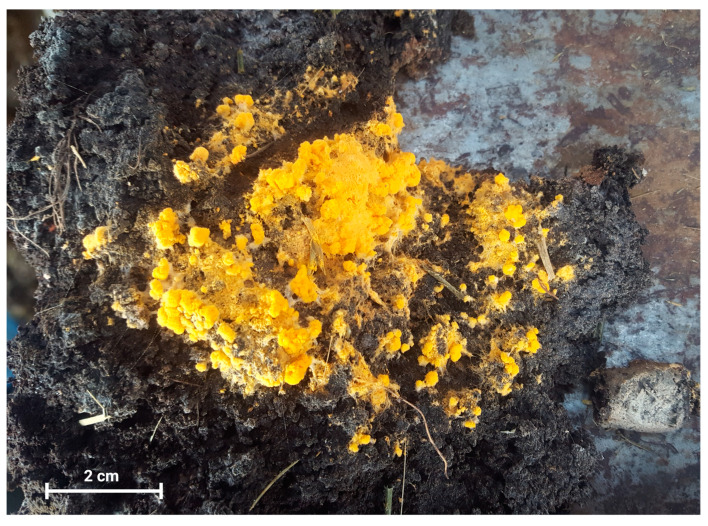 Figure 1
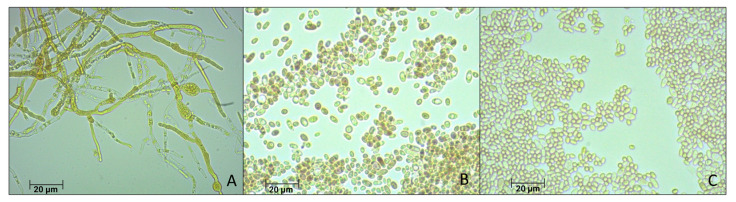 Figure 2
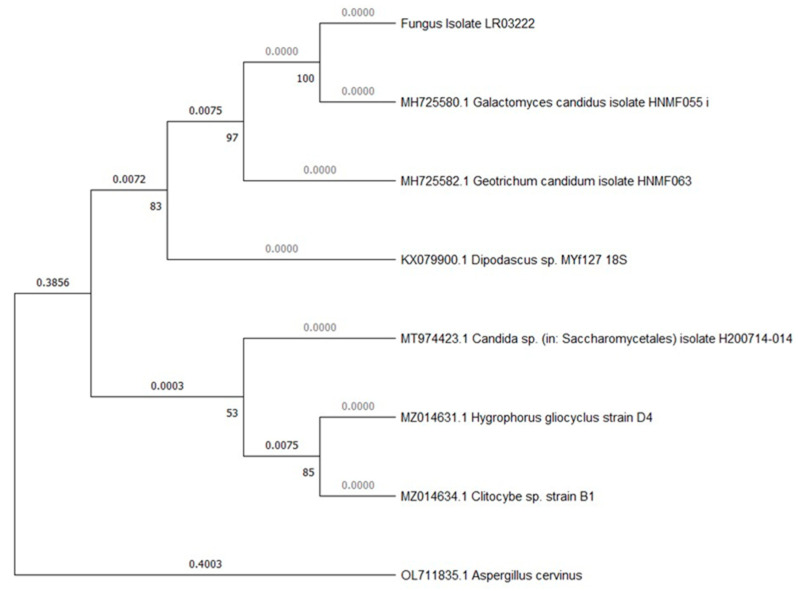 Figure 3
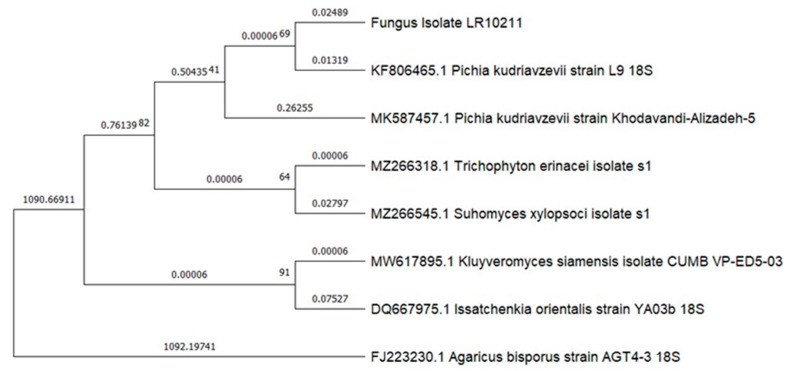 Figure 4
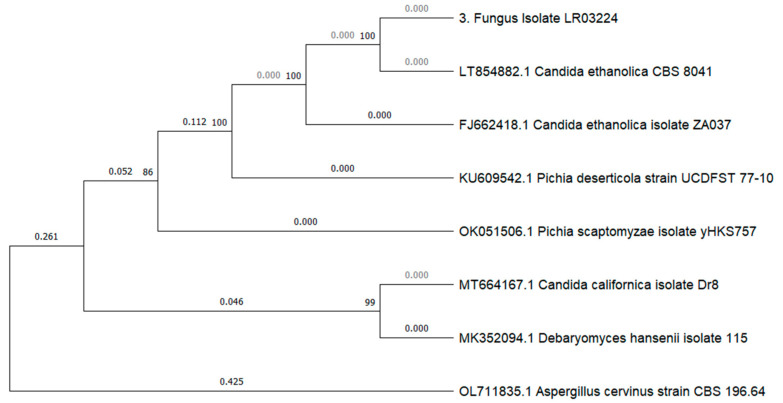 Figure 5
Peer Reviews
No public reviews on file for this paper yet. If you reviewed it on a platform where reviews are public (OpenReview, ICLR, NeurIPS, ICML), you can paste yours below so the community can read it here.
Videos
No videos yet. Explain this paper in a talk, walkthrough, or lecture? Add one.
Taxonomy
TopicsMycotoxins in Agriculture and Food · Plant Pathogens and Fungal Diseases · Fermentation and Sensory Analysis