Recent Advances in the Discovery of SIRT1/2 Inhibitors via Computational Methods: A Perspective
Naomi Scarano, Chiara Brullo, Francesca Musumeci, Enrico Millo, Santina Bruzzone, Silvia Schenone, Elena Cichero

TL;DR
This paper reviews recent computational methods used to discover inhibitors for SIRT1 and SIRT2 enzymes, which are linked to various diseases.
Contribution
The paper provides a comprehensive overview of computational approaches and recent SIRT1/2 inhibitors identified since 2017.
Findings
Computational methods have successfully identified novel and selective SIRT1/2 inhibitors.
A variety of SIRT–ligand complexes have been elucidated, aiding inhibitor discovery.
Recent literature highlights promising SIRT1/2 inhibitors with potential therapeutic applications.
Abstract
Sirtuins (SIRTs) are classified as class III histone deacetylases (HDACs), a family of enzymes that catalyze the removal of acetyl groups from the ε-N-acetyl lysine residues of histone proteins, thus counteracting the activity performed by histone acetyltransferares (HATs). Based on their involvement in different biological pathways, ranging from transcription to metabolism and genome stability, SIRT dysregulation was investigated in many diseases, such as cancer, neurodegenerative disorders, diabetes, and cardiovascular and autoimmune diseases. The elucidation of a consistent number of SIRT–ligand complexes helped to steer the identification of novel and more selective modulators. Due to the high diversity and quantity of the structural data thus far available, we reviewed some of the different ligands and structure-based methods that have recently been used to identify new promising…
Genes, proteins, chemicals, diseases, species, mutations and cell lines named across the full text — each resolved to its canonical identifier and authoritative record.
Click any figure to enlarge with its caption.
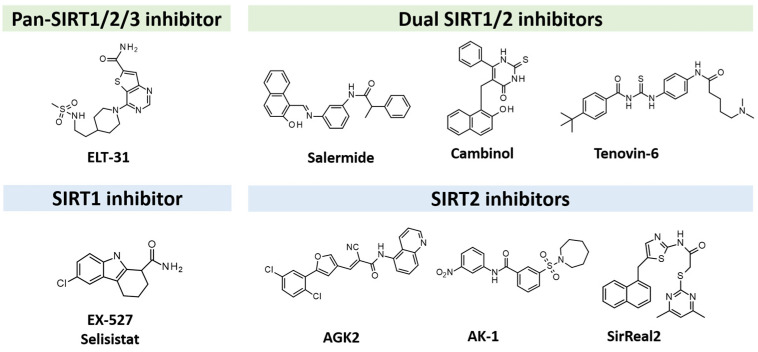 Figure 1
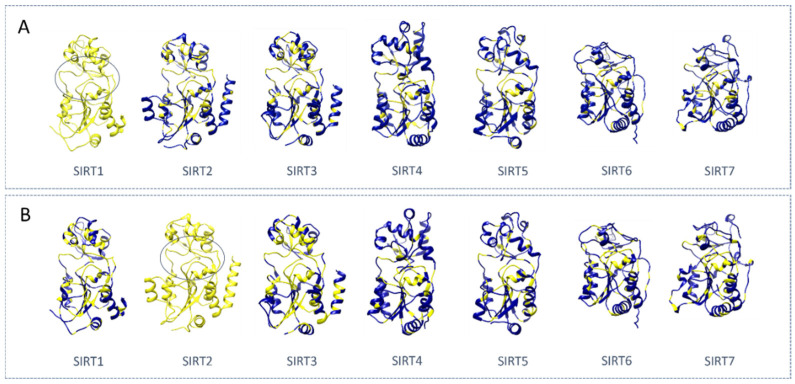 Figure 2
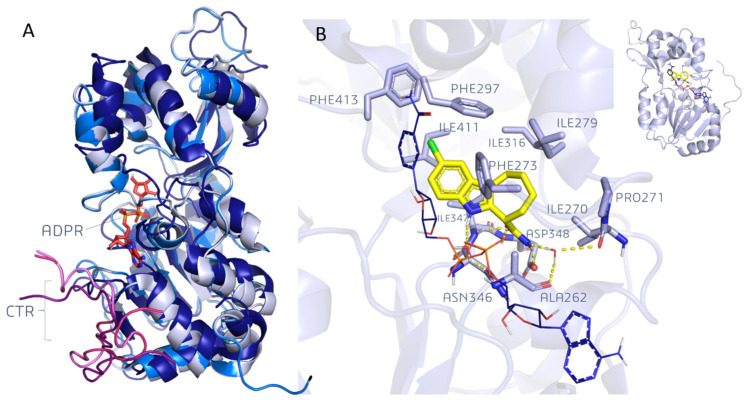 Figure 3
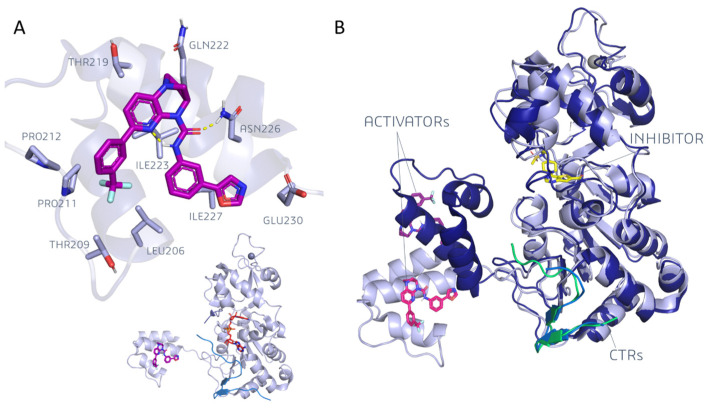 Figure 4
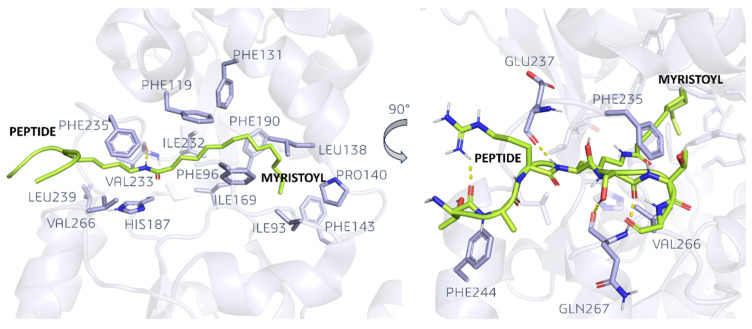 Figure 5
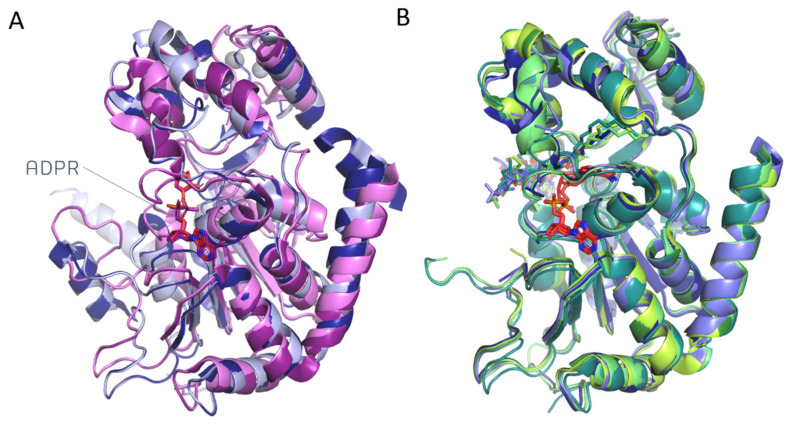 Figure 6
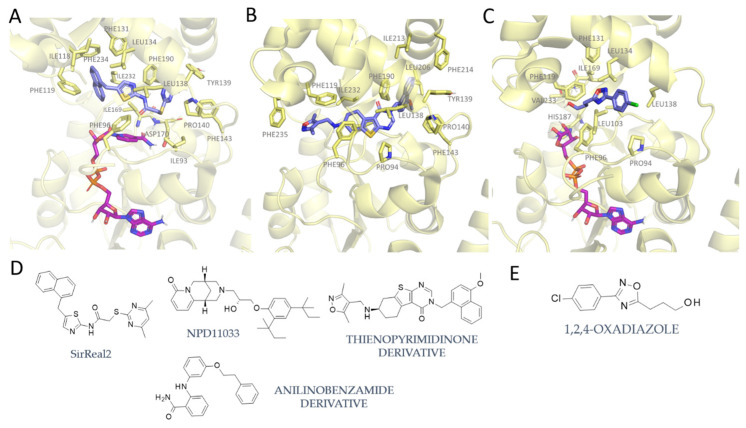 Figure 7
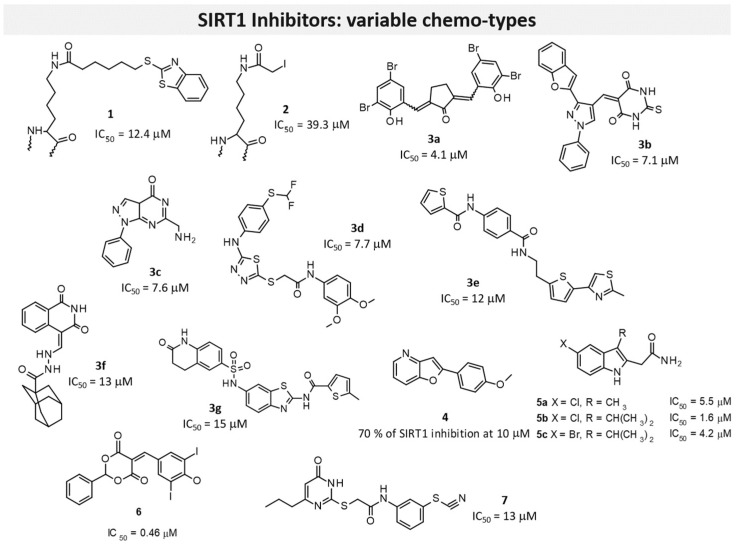 Figure 8
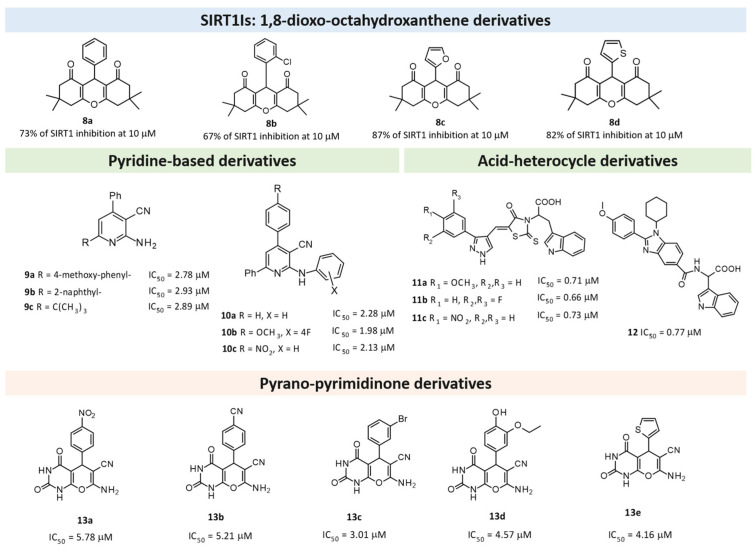 Figure 9
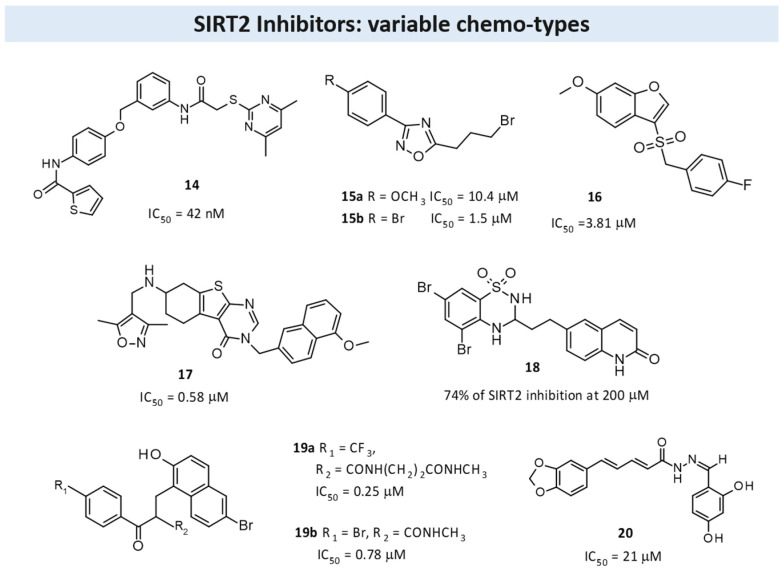 Figure 10
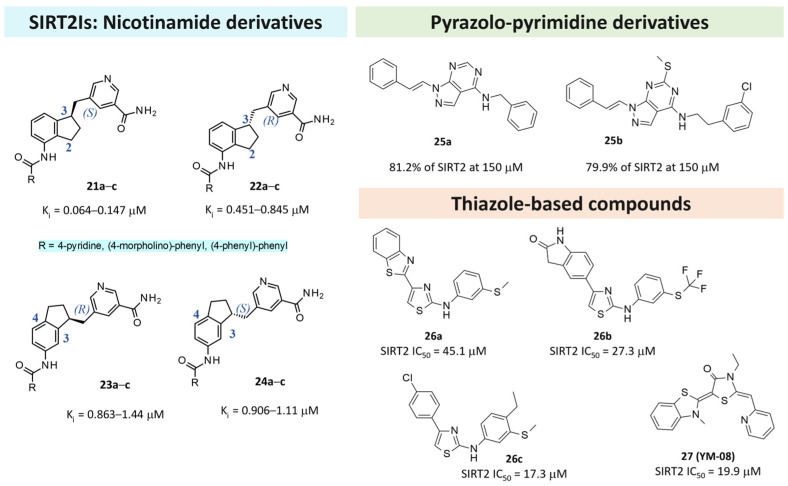 Figure 11
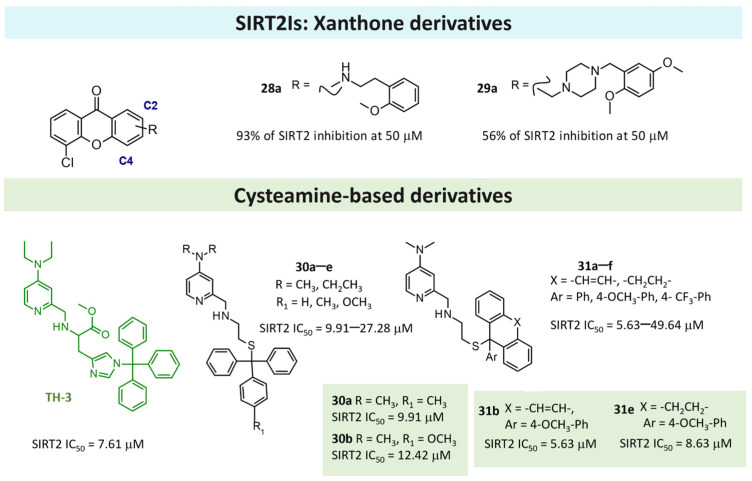 Figure 12
 Figure 13
 Figure 14
 Figure 15
 Figure 16
 Figure 17
 Figure 18
 Figure 19
 Figure 20
 Figure 21
 Figure 22
 Figure 23
 Figure 24
 Figure 25
 Figure 26
 Figure 27
 Figure 28
 Figure 29
 Figure 30
 Figure 31
 Figure 32
 Figure 33
 Figure 34
 Figure 35
 Figure 36
 Figure 37
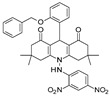 Figure 38
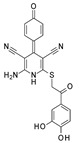 Figure 39
 Figure 40
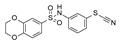 Figure 41
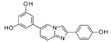 Figure 42
 Figure 43
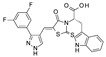 Figure 44
 Figure 45
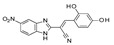 Figure 46
 Figure 47
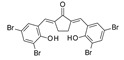 Figure 48
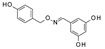 Figure 49
 Figure 50
Peer Reviews
No public reviews on file for this paper yet. If you reviewed it on a platform where reviews are public (OpenReview, ICLR, NeurIPS, ICML), you can paste yours below so the community can read it here.
Videos
No videos yet. Explain this paper in a talk, walkthrough, or lecture? Add one.
Taxonomy
TopicsFolklore, Mythology, and Literature Studies