Leucoverdazyls as Novel Potent Inhibitors of Enterovirus Replication
Alexandrina S. Volobueva, Tatyana G. Fedorchenko, Galina N. Lipunova, Marina S. Valova, Valeriya A. Sbarzaglia, Anna S. Gladkikh, Olga I. Kanaeva, Natalia A. Tolstykh, Andrey N. Gorshkov, Vladimir V. Zarubaev

TL;DR
This paper introduces leucoverdazyls as new compounds that effectively stop enterovirus replication and highlights their potential as antiviral drugs.
Contribution
Leucoverdazyls are presented as novel, potent antiviral compounds with low toxicity and a defined resistance mechanism.
Findings
The lead compound 1a showed high antiviral activity and low cytotoxicity.
Resistance to 1a was linked to mutations in the viral 2C protein, which reduced viral fitness.
Leucoverdazyls demonstrate potential as new inhibitors of enterovirus replication.
Abstract
Enteroviruses (EV) are important pathogens causing human disease with various clinical manifestations. To date, treatment of enteroviral infections is mainly supportive since no vaccination or antiviral drugs are approved for their prevention or treatment. Here, we describe the antiviral properties and mechanisms of action of leucoverdazyls—novel heterocyclic compounds with antioxidant potential. The lead compound, 1a, demonstrated low cytotoxicity along with high antioxidant and virus-inhibiting activity. A viral strain resistant to 1a was selected, and the development of resistance was shown to be accompanied by mutation of virus-specific non-structural protein 2C. This resistant virus had lower fitness when grown in cell culture. Taken together, our results demonstrate high antiviral potential of leucoverdazyls as novel inhibitors of enterovirus replication and support previous…
Genes, proteins, chemicals, diseases, species, mutations and cell lines named across the full text — each resolved to its canonical identifier and authoritative record.
Click any figure to enlarge with its caption.
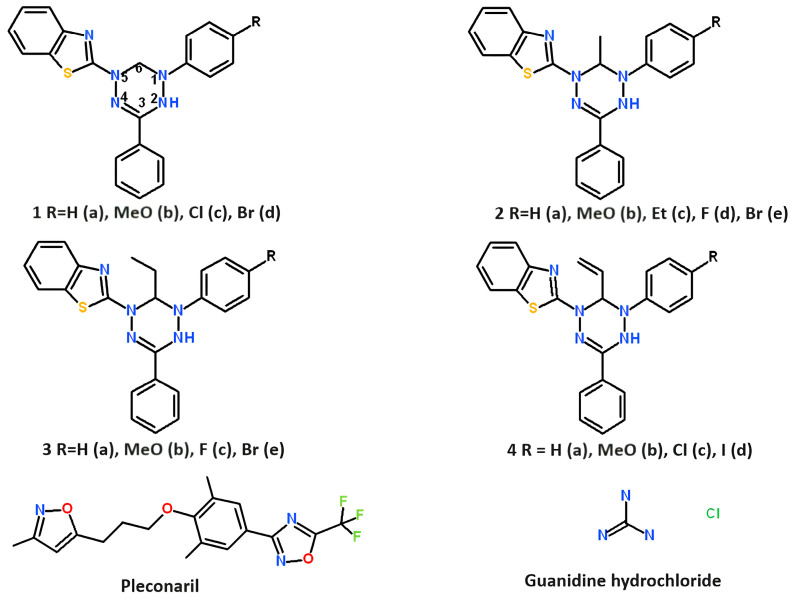 Figure 1
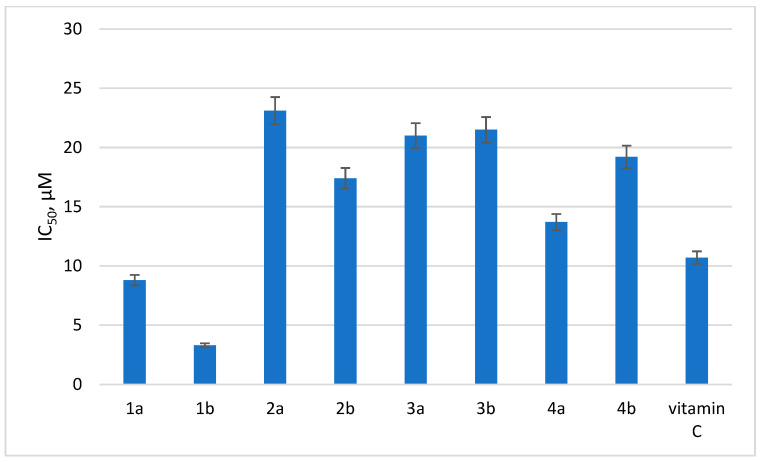 Figure 2
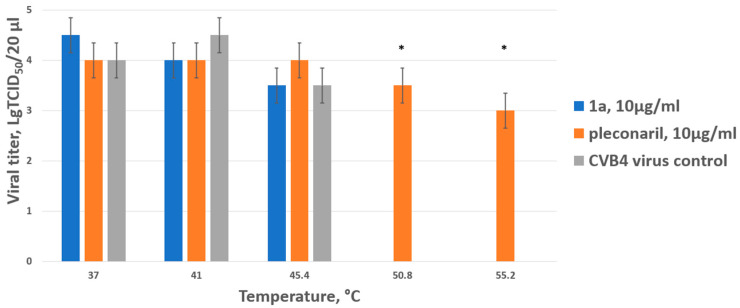 Figure 3
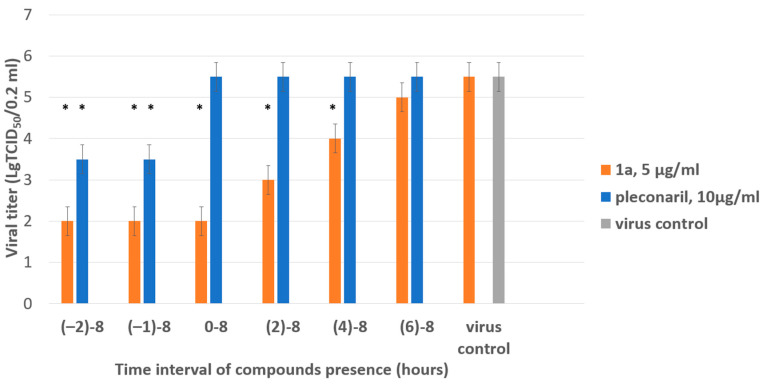 Figure 4
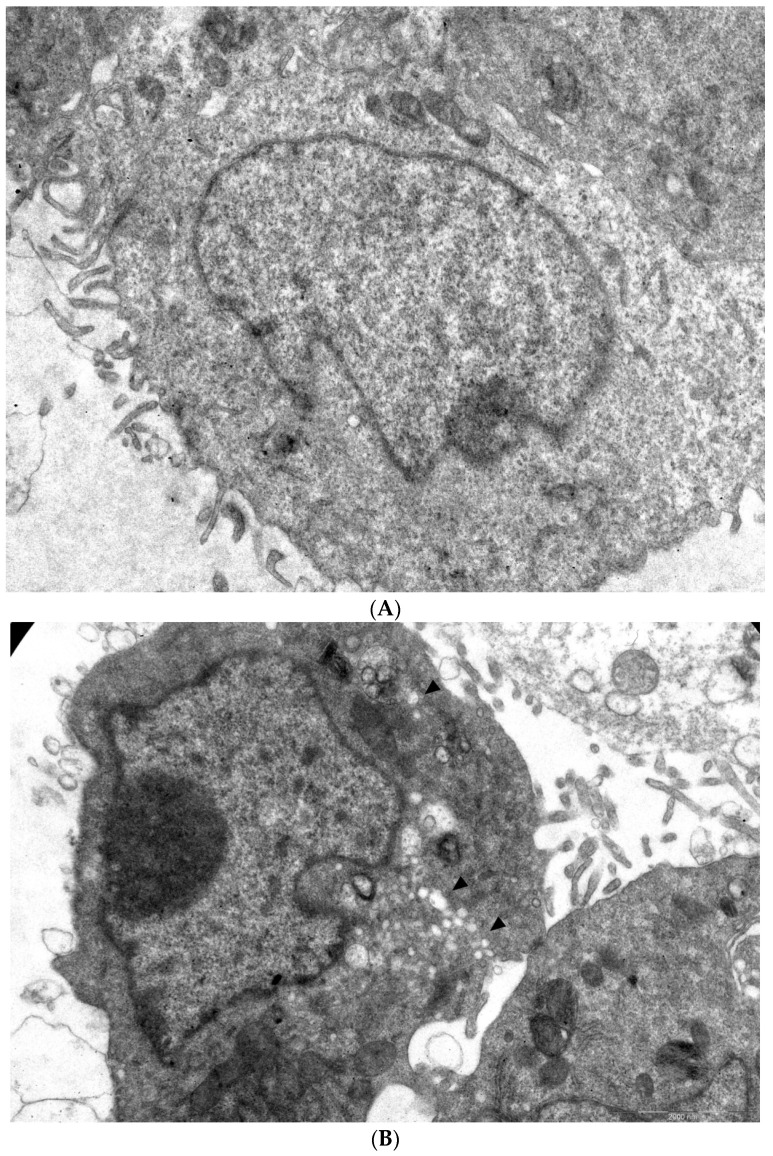 Figure 5
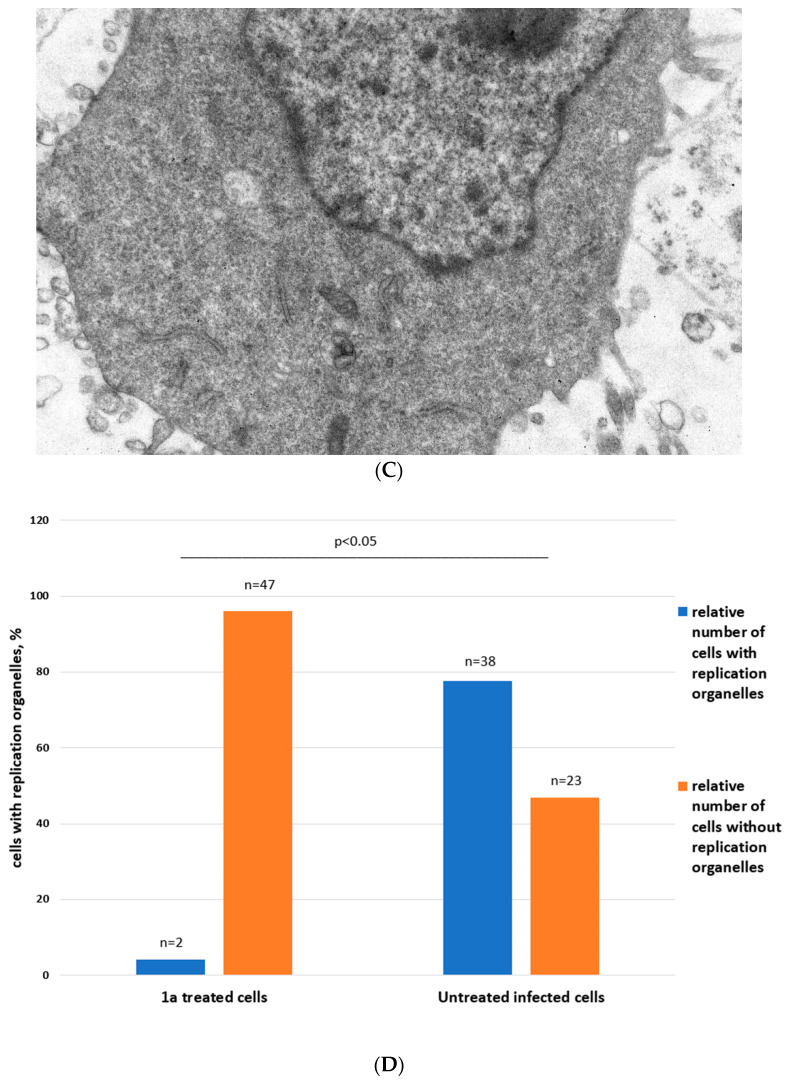 Figure 6
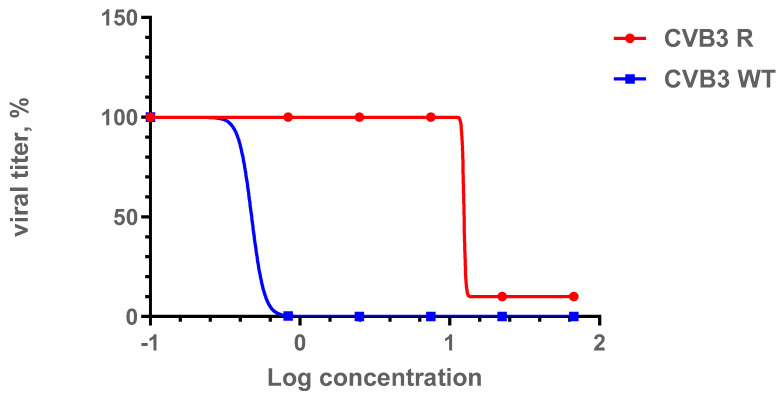 Figure 7
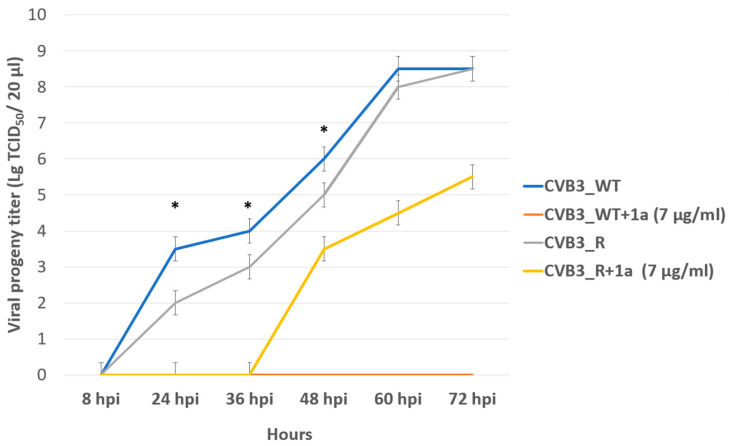 Figure 8
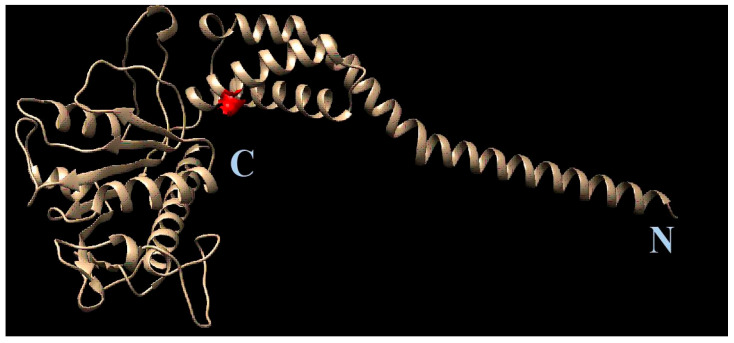 Figure 9
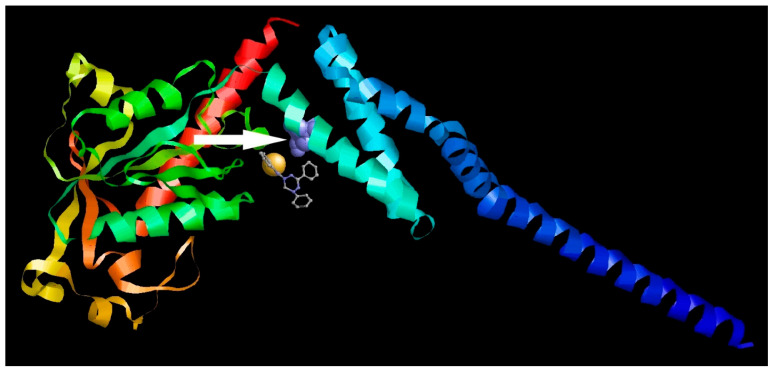 Figure 10
Peer Reviews
No public reviews on file for this paper yet. If you reviewed it on a platform where reviews are public (OpenReview, ICLR, NeurIPS, ICML), you can paste yours below so the community can read it here.
Videos
No videos yet. Explain this paper in a talk, walkthrough, or lecture? Add one.
Taxonomy
TopicsViral Infections and Immunology Research · Cytomegalovirus and herpesvirus research · RNA and protein synthesis mechanisms