Invisible Active Bleeding Due to the Watershed Phenomenon
Miloud Dewilde, Birgitt Janssens

TL;DR
This paper discusses a case where active bleeding was suspected but not visible on a CT scan due to altered blood flow patterns.
Contribution
Highlights the importance of recognizing the vascular watershed phenomenon in VA-ECMO patients during CT angiography.
Findings
Active bleeding was suspected in a patient on VA-ECMO but not visible on initial CT scans.
The vascular watershed phenomenon can cause flow-related artefacts that obscure bleeding in CT angiography.
Abstract
A case is presented of an 83-year-old female patient with a strong suspicion of active bleeding, but no diagnostic contrast blush could be seen on the original computed tomography (CT) scan. Teaching point: When performing CT angiography in veno-arterial extracorporeal membrane oxygenation (VA-ECMO), it is important to understand the altered haemodynamics, as flow-related artefacts such as the vascular watershed phenomenon can obscure bleeding.
Genes, proteins, chemicals, diseases, species, mutations and cell lines named across the full text — each resolved to its canonical identifier and authoritative record.
Click any figure to enlarge with its caption.
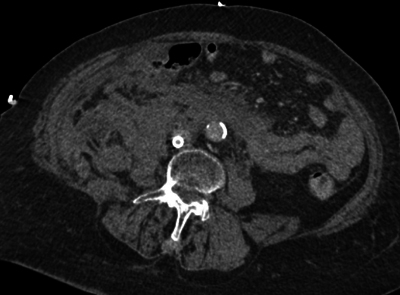 Figure 1
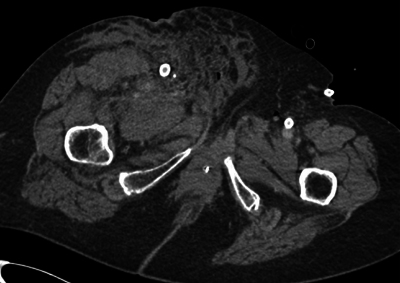 Figure 2
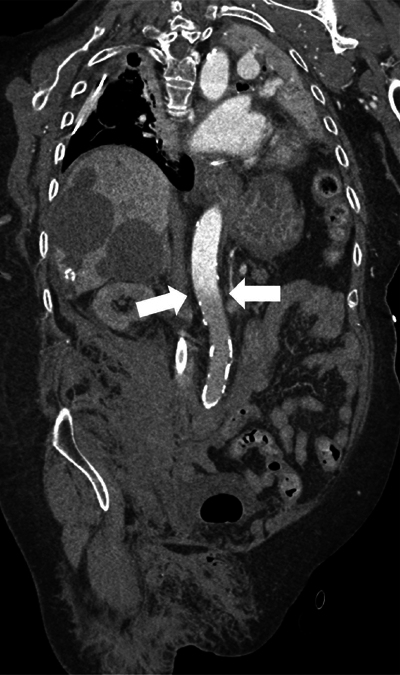 Figure 3
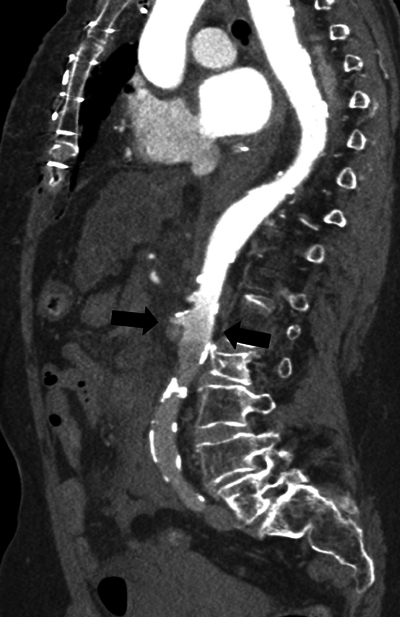 Figure 4
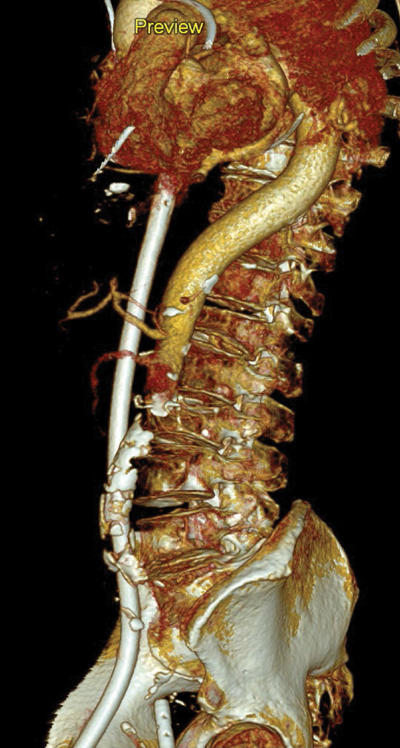 Figure 5
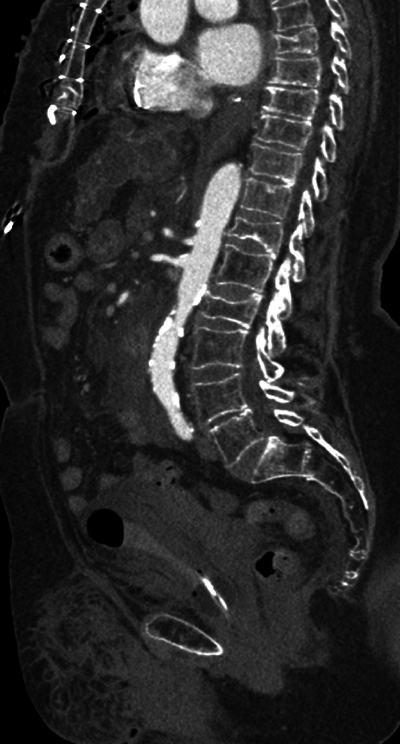 Figure 6
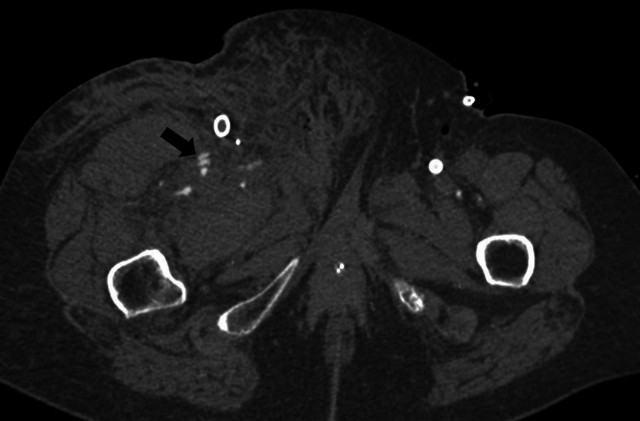 Figure 7
Peer Reviews
No public reviews on file for this paper yet. If you reviewed it on a platform where reviews are public (OpenReview, ICLR, NeurIPS, ICML), you can paste yours below so the community can read it here.
Videos
No videos yet. Explain this paper in a talk, walkthrough, or lecture? Add one.
Taxonomy
TopicsTrauma, Hemostasis, Coagulopathy, Resuscitation · Poisoning and overdose treatments · Hemostasis and retained surgical items