Characterization of Culturable Mycobiome of Newly Excavated Ancient Wooden Vessels from the Archeological Site of Viminacium, Serbia
Ivana Djokić, Aleksandar Knežević, Željko Savković, Milica Ljaljević Grbić, Ivica Dimkić, Danka Bukvički, Dragana Gavrilović, Nikola Unković

TL;DR
This study identifies fungi on ancient wooden vessels from Serbia to understand how they decay after excavation and improve conservation methods.
Contribution
The study provides new insights into post-excavation fungal infestation of ancient wooden artifacts and their biodegradation potential.
Findings
32 fungi from 15 genera were identified, with Penicillium, Aspergillus, and Cephalotrichum being the most diverse.
84.21% of isolates showed biodegradation potential, with Penicillium solitum showing the highest deterioration potential.
The findings highlight biochemical mechanisms behind post-excavation fungal deterioration of archaeological wood.
Abstract
Two ancient wooden vessels, specifically a monoxyle (1st century BCE to 1st century CE) and shipwreck (15th to 17th century CE), were excavated in a well-preserved state east of the confluence of the old Mlava and the Danube rivers (Serbia). The vessels were found in the ground that used to be river sediment and were temporarily stored within the semi-underground exhibition space of Mammoth Park. As part of the pre-conservation investigations, the primary aim of the research presented was to characterize the culturable mycobiomes of two excavated wooden artifacts so that appropriate conservation procedures for alleviating post-excavation fungal infestation could be formulated. Utilizing culture-based methods, a total of 32 fungi from 15 genera were identified, mainly Ascomycota and to a lesser extent Mucoromycota sensu stricto. Soft-rot Ascomycota of genus Penicillium, followed by…
Genes, proteins, chemicals, diseases, species, mutations and cell lines named across the full text — each resolved to its canonical identifier and authoritative record.
Click any figure to enlarge with its caption.
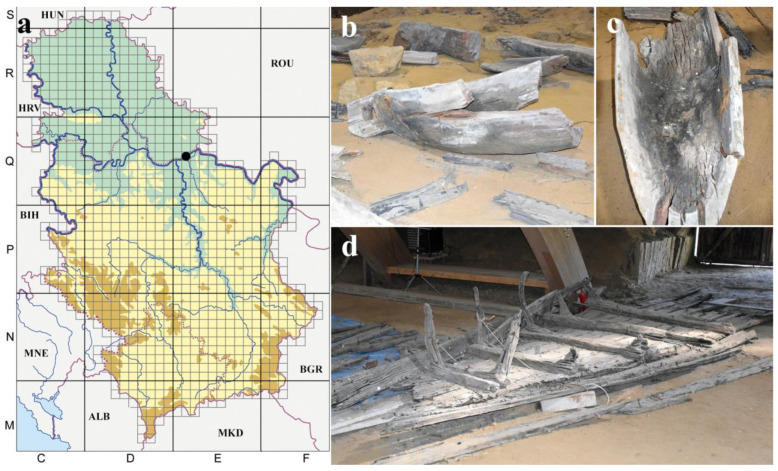 Figure 1
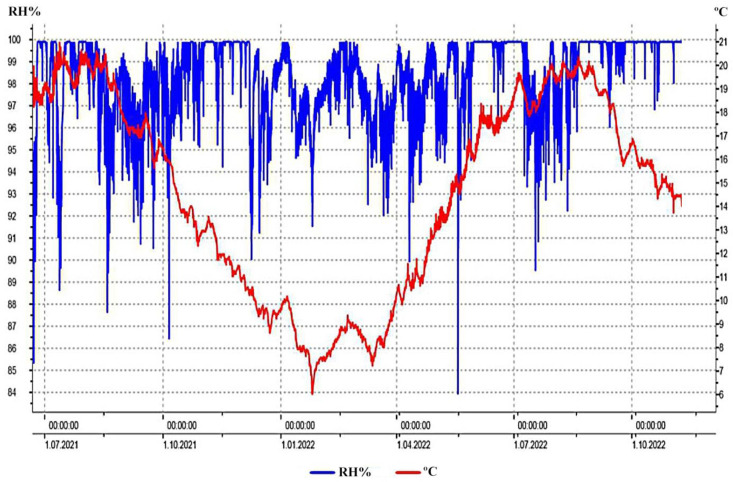 Figure 2
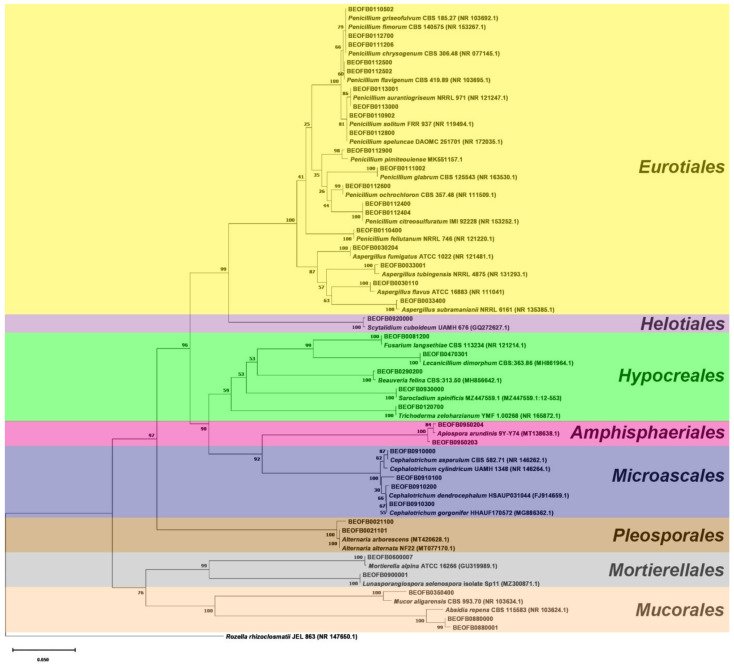 Figure 3
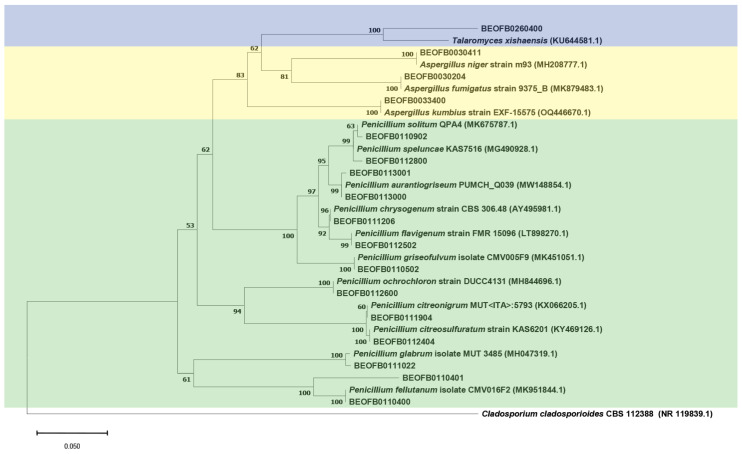 Figure 4
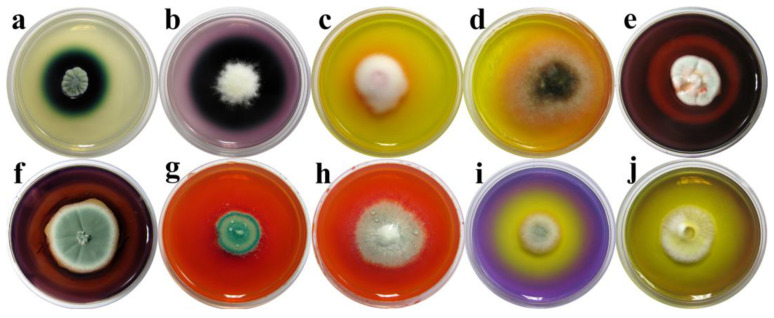 Figure 5
Peer Reviews
No public reviews on file for this paper yet. If you reviewed it on a platform where reviews are public (OpenReview, ICLR, NeurIPS, ICML), you can paste yours below so the community can read it here.
Videos
No videos yet. Explain this paper in a talk, walkthrough, or lecture? Add one.
Taxonomy
TopicsPlant Pathogens and Fungal Diseases · Building materials and conservation · Mycorrhizal Fungi and Plant Interactions