The Measurement of the Oxidative Index of Polyethylene Obtained during Revision Hip Arthroplasty and Assessment of Its Variability Depending on the Degree of Osteolysis, Implantation Time, as Well as the Size and Material of the Utilized Head
Hanna Sikora, Jadwiga Gabor, Robert Roczniok, Damian Kusz, Andrzej Swinarew

TL;DR
This study examines how oxidation in hip implant materials relates to bone loss and implant failure, finding a link between oxidation levels and osteolysis.
Contribution
The study establishes a direct correlation between polyethylene oxidation and periacetabular osteolysis in hip replacements.
Findings
A significant positive correlation was found between polyethylene oxidation index and periacetabular osteolysis severity.
Ceramic and larger head implants showed lower oxidation indices, though not statistically significant.
Fixation method and implant survival time did not correlate with oxidation levels.
Abstract
Background/Objectives: Aseptic loosening is the leading cause of late revision in total hip arthroplasty, primarily due to degenerative oxidation of polyethylene components, leading to wear particle formation and periacetabular osteolysis. This study aimed to analyze the oxidation levels in polyethylene liners and cemented cups retrieved from revision surgeries using Fourier-transform infrared spectroscopy (FTIR) and to explore the correlation between oxidation levels and factors such as head size, head material, fixation method, and implant survival time. Methods: Polyethylene liners and cups were analyzed post-revision surgery to assess oxidation levels, which were then compared to periacetabular bone loss measured by the Paprosky classification. This study evaluated the impact of head size (28 mm vs. 32 mm), head material (ceramic vs. metal), and fixation methods on oxidation. The…
Genes, proteins, chemicals, diseases, species, mutations and cell lines named across the full text — each resolved to its canonical identifier and authoritative record.
Click any figure to enlarge with its caption.
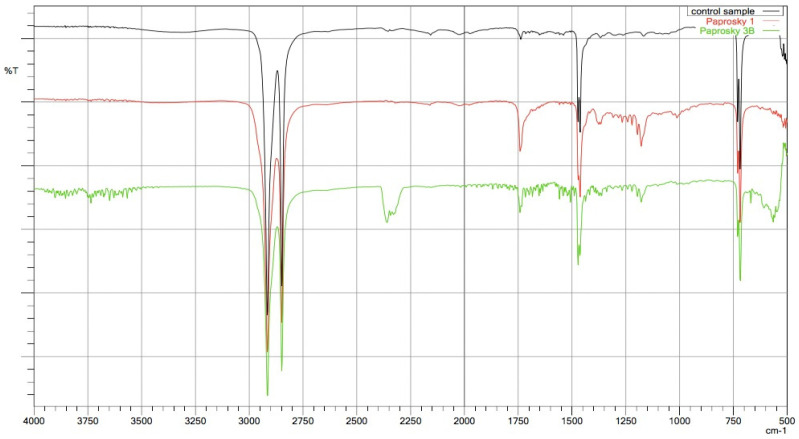 Figure 1
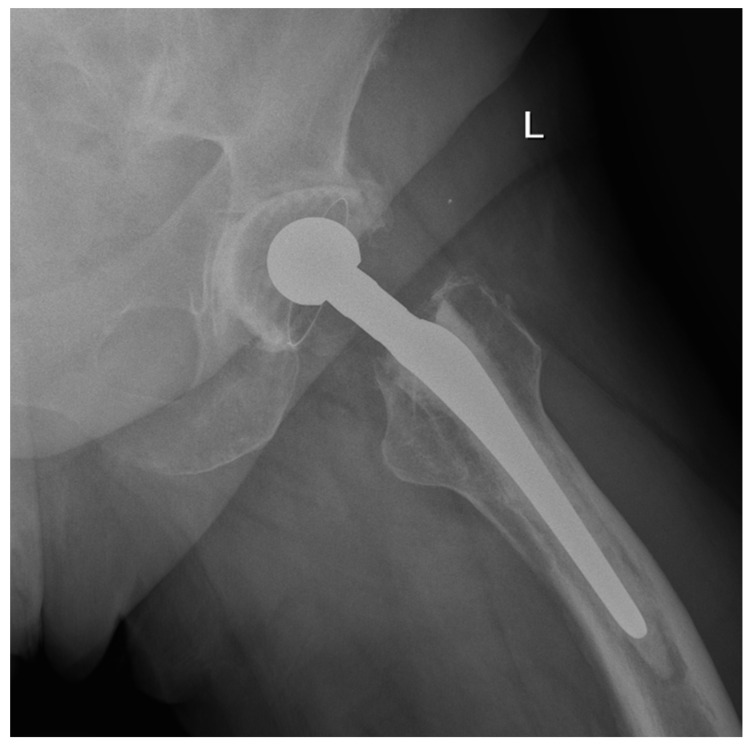 Figure 2
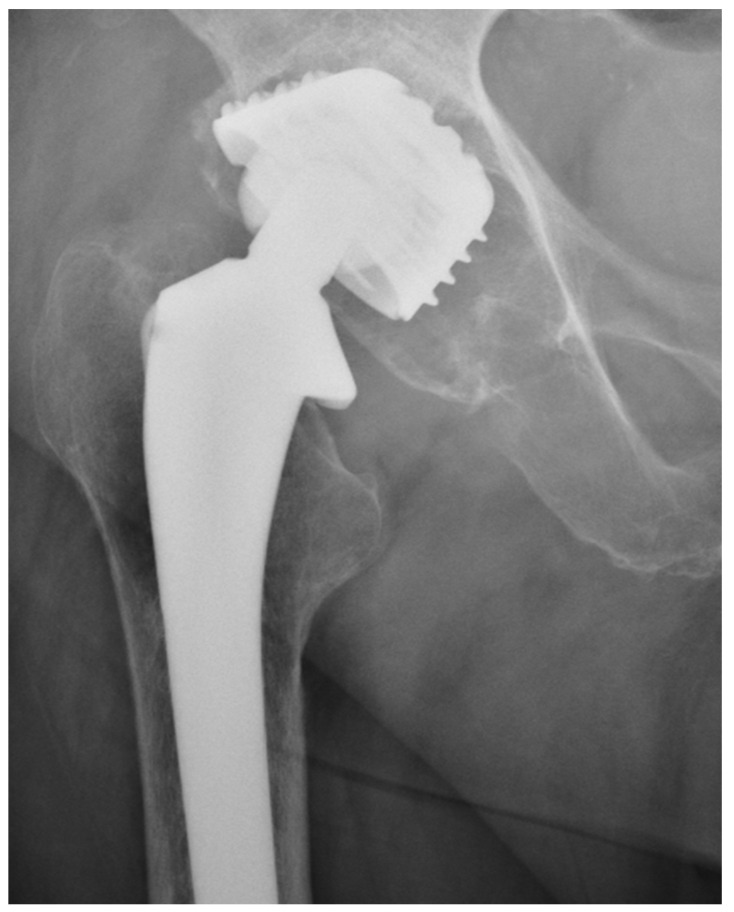 Figure 3
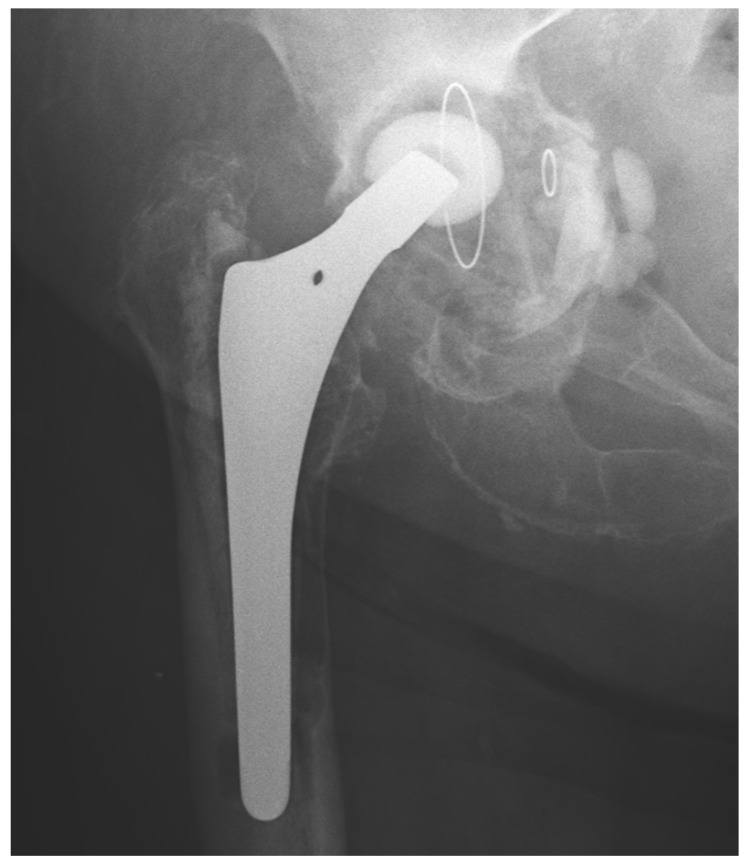 Figure 4
Peer Reviews
No public reviews on file for this paper yet. If you reviewed it on a platform where reviews are public (OpenReview, ICLR, NeurIPS, ICML), you can paste yours below so the community can read it here.
Videos
No videos yet. Explain this paper in a talk, walkthrough, or lecture? Add one.
Taxonomy
TopicsOrthopaedic implants and arthroplasty · Total Knee Arthroplasty Outcomes · Orthopedic Infections and Treatments