Sustainable and Safe N-alkylation of N-heterocycles by Propylene Carbonate under Neat Reaction Conditions
Andrea Czompa, Dóra Bogdán, Balázs Balogh, Eszter Erdei, Patrik Selymes, Attila Csomos, István M. Mándity

TL;DR
A new eco-friendly method uses propylene carbonate to safely alkylate heterocycles without toxic reagents.
Contribution
Propylene carbonate acts as both solvent and reagent for N-alkylation without genotoxic alkyl halides.
Findings
Propylene carbonate enables N-alkylation of N-, O-, and S-containing heterocycles under neat conditions.
The process avoids genotoxic alkyl halides and auxiliary reagents in anhydrous conditions.
The method produces nucleophilic substitution with water and carbon dioxide as byproducts.
Abstract
A new, eco-friendly process utilising the green solvent propylene carbonate (PC) has been developed to perform N-alkylation of N-, O- and/or S-containing heterocyclic compounds. PC in these reactions served as both the reagent and solvent. Importantly, no genotoxic alkyl halides were required. No auxiliary was necessary when using anhydrous PC. Product formation includes nucleophilic substitution with the concomitant loss of water and carbon dioxide. Substrates prepared, including the newly invented PROTAC drugs, are widely used.
Genes, proteins, chemicals, diseases, species, mutations and cell lines named across the full text — each resolved to its canonical identifier and authoritative record.
Click any figure to enlarge with its caption.
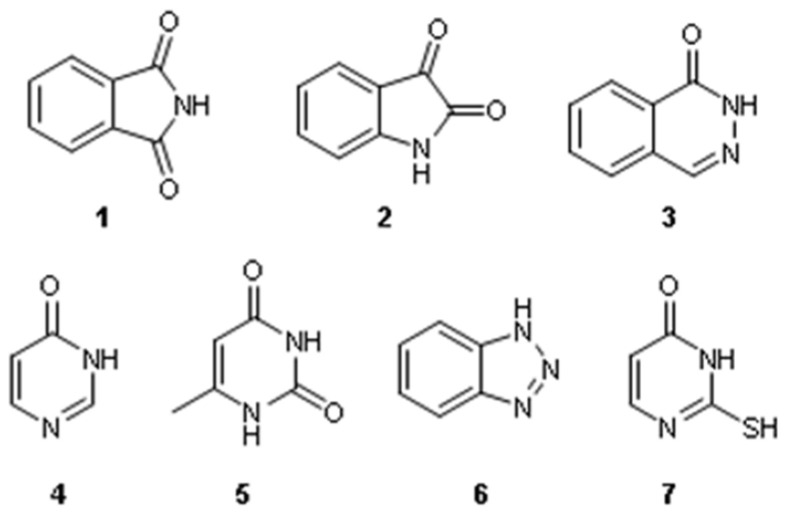 Figure 1
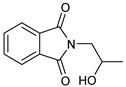 Figure 2
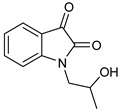 Figure 3
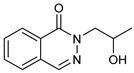 Figure 4
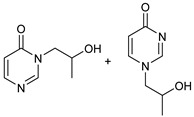 Figure 5
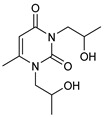 Figure 6
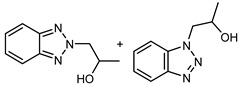 Figure 7
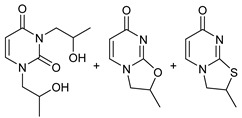 Figure 8
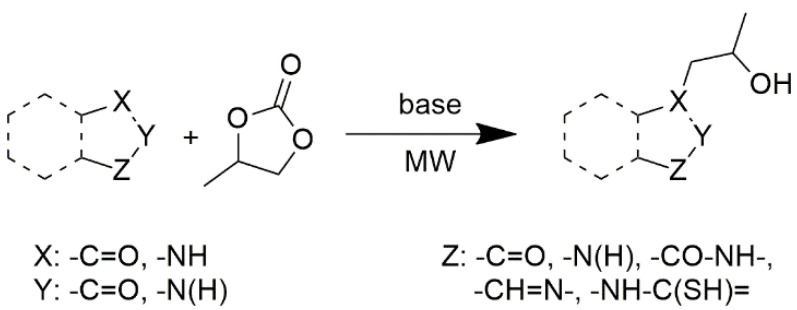 Figure 9
 Figure 10
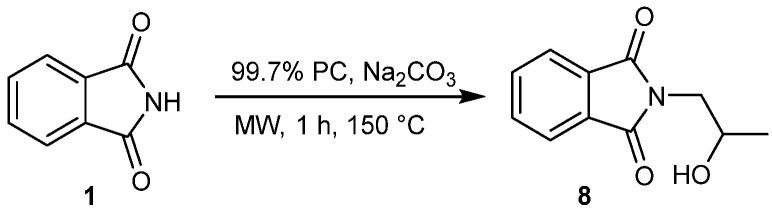 Figure 11
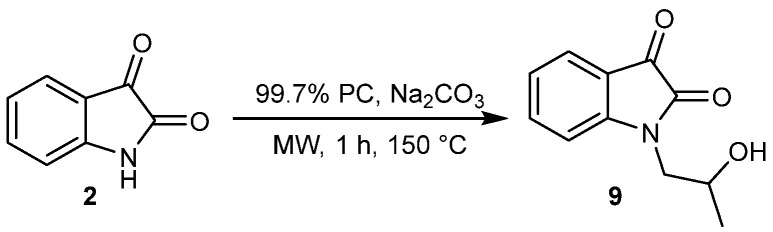 Figure 12
 Figure 13
 Figure 14
 Figure 15
 Figure 16
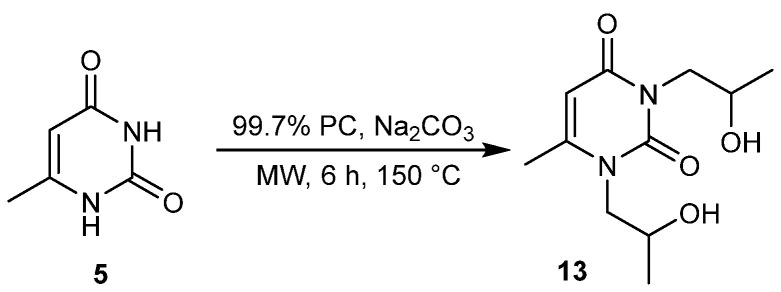 Figure 17
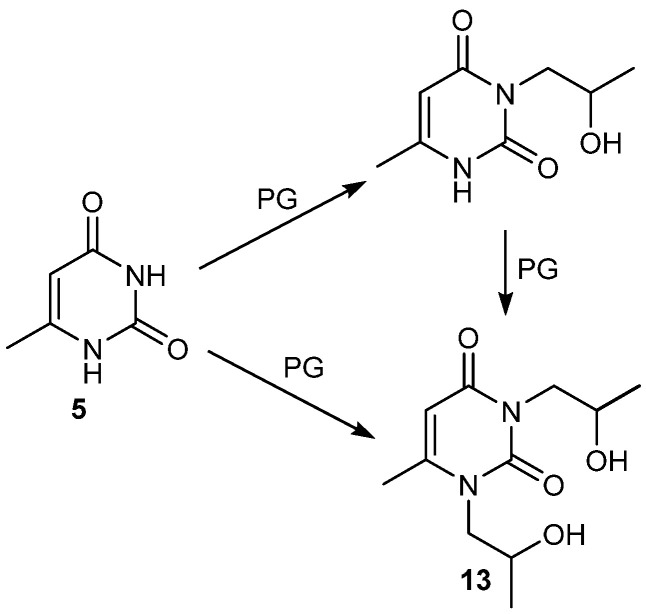 Figure 18
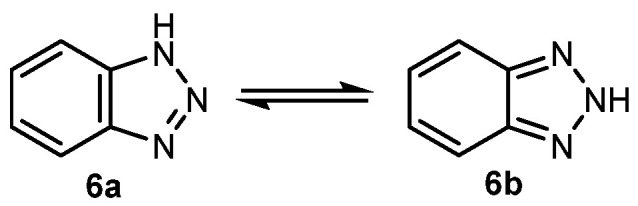 Figure 19
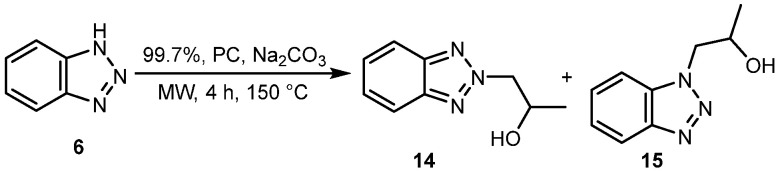 Figure 20
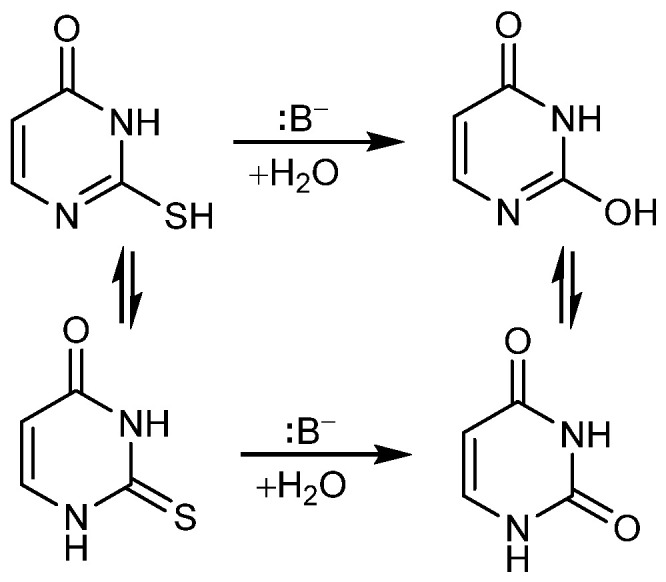 Figure 21
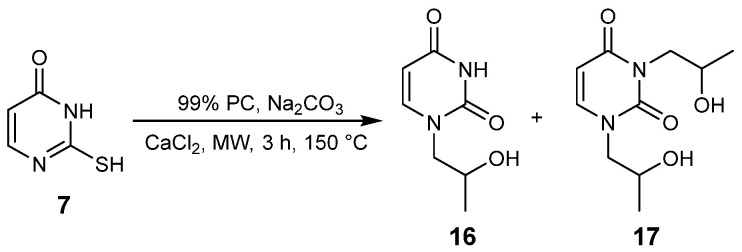 Figure 22
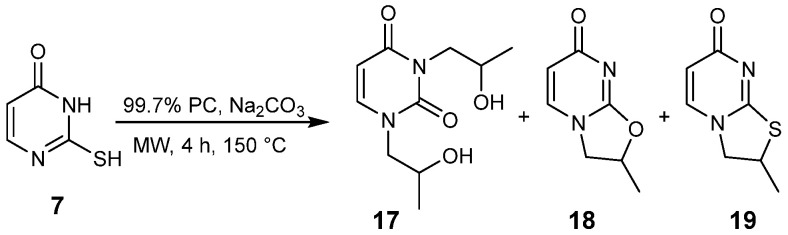 Figure 23
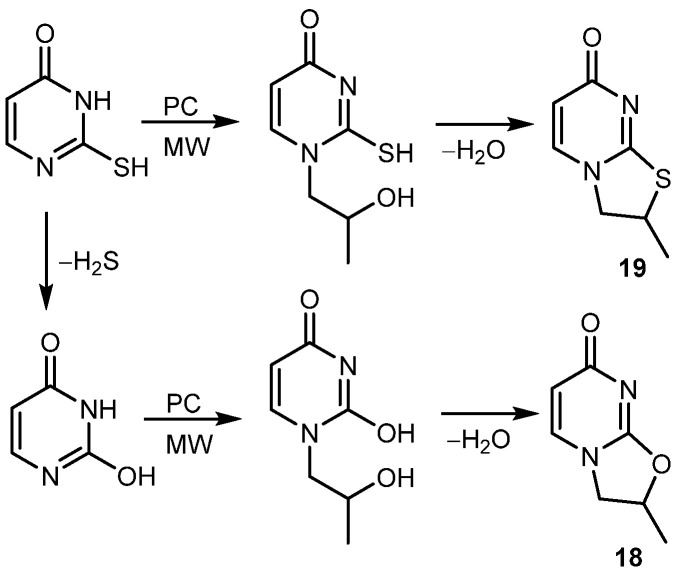 Figure 24
Peer Reviews
No public reviews on file for this paper yet. If you reviewed it on a platform where reviews are public (OpenReview, ICLR, NeurIPS, ICML), you can paste yours below so the community can read it here.
Videos
No videos yet. Explain this paper in a talk, walkthrough, or lecture? Add one.
Taxonomy
TopicsAsymmetric Hydrogenation and Catalysis · Chemical Synthesis and Analysis · Carbon dioxide utilization in catalysis