Identifying Novel Subtypes of Functional Gastrointestinal Disorder by Analyzing Nonlinear Structure in Integrative Biopsychosocial Questionnaire Data
Sa-Yoon Park, Hyojin Bae, Ha-Yeong Jeong, Ju Yup Lee, Young-Kyu Kwon, Chang-Eop Kim

TL;DR
This study identifies four new subtypes of functional gastrointestinal disorders using biopsychosocial data to help develop personalized treatment strategies.
Contribution
The paper introduces novel FGID subtypes derived from nonlinear analysis of integrative biopsychosocial questionnaire data.
Findings
SF-36 and KM questionnaires provided psychosocial insights not captured by K-BDQ.
Nonlinear clustering identified four FGID subtypes: mild, severe, mind-symptom, and body-symptom predominance.
The subtypes suggest potential for personalized treatment based on biopsychosocial profiles.
Abstract
Background/Objectives: Given the limited success in treating functional gastrointestinal disorders (FGIDs) through conventional methods, there is a pressing need for tailored treatments that account for the heterogeneity and biopsychosocial factors associated with FGIDs. Here, we considered the potential of novel subtypes of FGIDs based on biopsychosocial information. Methods: We collected data from 198 FGID patients utilizing an integrative approach that included the traditional Korean medicine diagnosis questionnaire for digestive symptoms (KM), as well as the 36-item Short Form Health Survey (SF-36), alongside the conventional Rome-criteria-based Korean Bowel Disease Questionnaire (K-BDQ). Multivariate analyses were conducted to assess whether KM or SF-36 provided additional information beyond the K-BDQ and its statistical relevance to symptom severity. Questions related to symptom…
Genes, proteins, chemicals, diseases, species, mutations and cell lines named across the full text — each resolved to its canonical identifier and authoritative record.
Click any figure to enlarge with its caption.
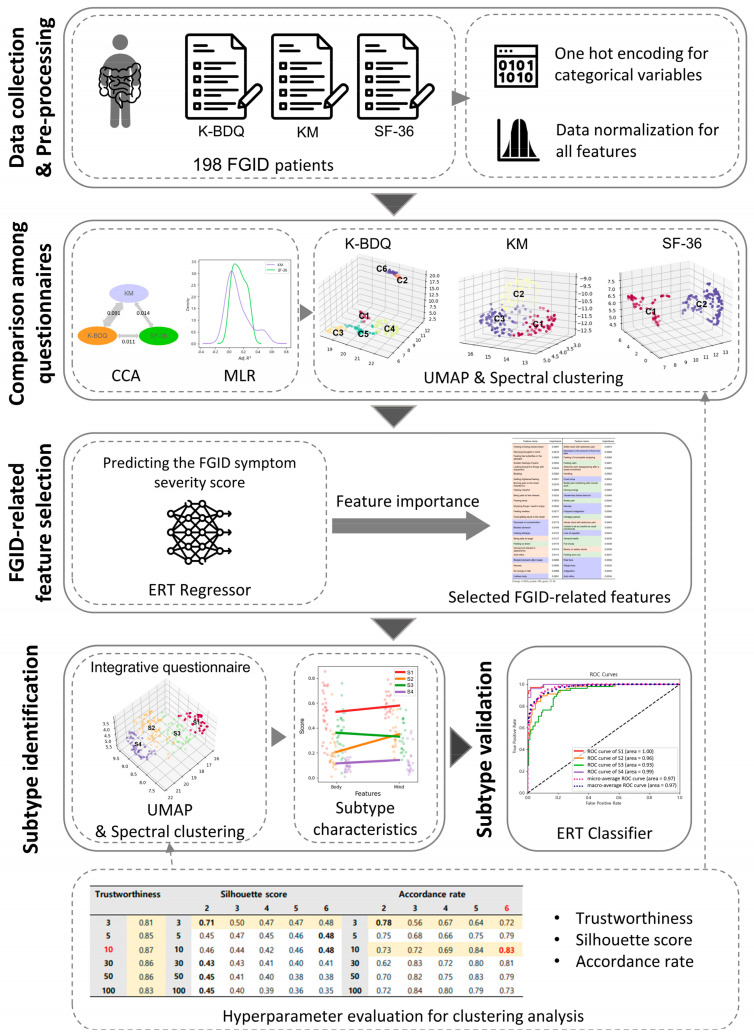 Figure 1
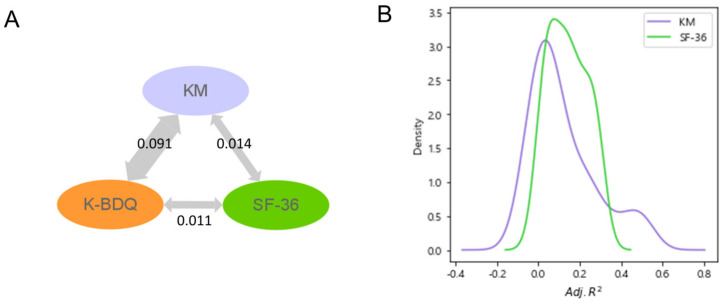 Figure 2
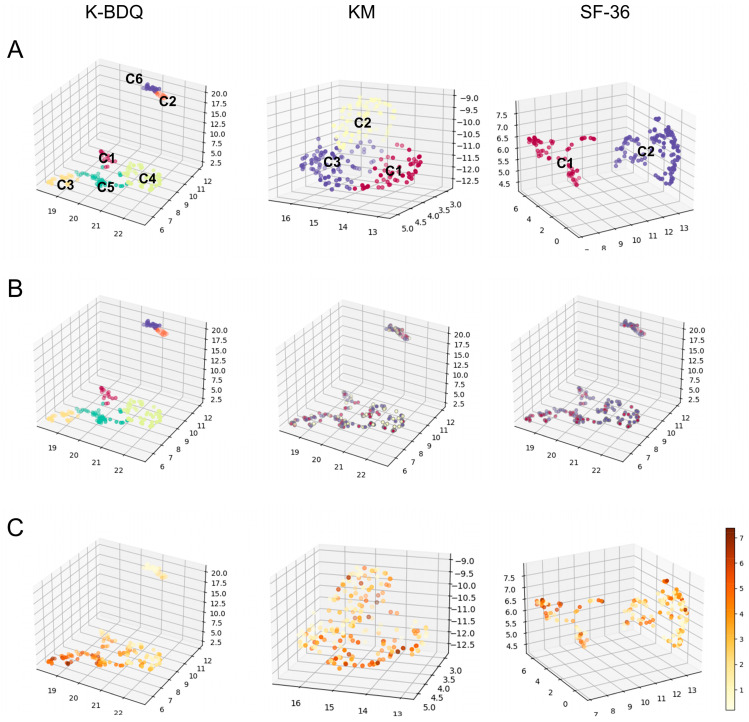 Figure 3
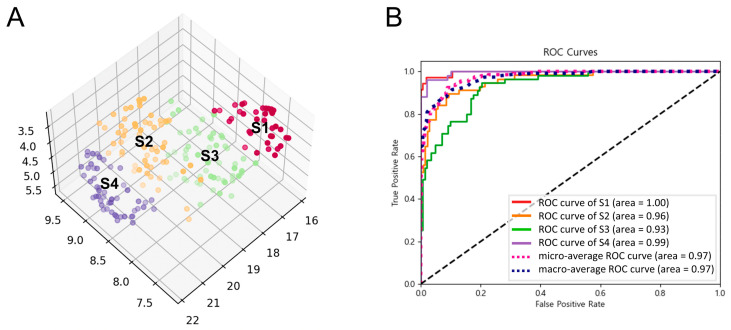 Figure 4
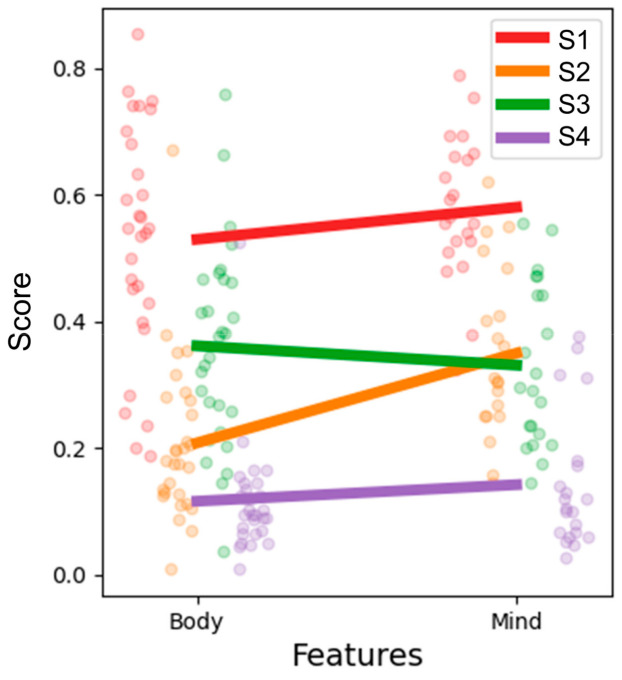 Figure 5
Peer Reviews
No public reviews on file for this paper yet. If you reviewed it on a platform where reviews are public (OpenReview, ICLR, NeurIPS, ICML), you can paste yours below so the community can read it here.
Videos
No videos yet. Explain this paper in a talk, walkthrough, or lecture? Add one.
Taxonomy
TopicsTraditional Chinese Medicine Studies · Gastrointestinal motility and disorders · Medical Research and Treatments