An Innovative Non-Invasive Method for Early Detection and Monitoring of Acute Compartment Syndrome
Razvan Tudor Tepordei, Carmen Lacramioara Zamfir, Alin Horatiu Nedelcu, Ovidiu Gabriel Avadanei, Tudor Cozma, Ovidiu Alexa, Manuela Ursaru, Lacramioara Perianu, Iuliana Magdalena Starcea, Ileana Ioniuc, Vasile Valeriu Lupu, Ancuta Lupu

TL;DR
A new non-invasive method using temperature gradients can detect and monitor acute compartment syndrome early, offering a safer alternative to traditional methods.
Contribution
The study introduces a novel non-invasive technique using limb temperature gradients to detect acute compartment syndrome.
Findings
Normal limb thermic gradients were −0.17 °C for upper limbs and 0.03 °C for lower limbs.
Impending compartment syndrome showed a decreased thermic gradient of −0.38 °C.
Fully developed compartment syndrome had a significantly higher thermic gradient of 4.11 °C.
Abstract
Background: Acute compartment syndrome is a major surgical emergency with complex pathophysiology and a highly unpredictable pattern of evolution. We hypothesized that the onset of acute compartment syndrome of the leg or forearm is associated with variations in the surface temperature of the distal segment (foot or hand) with a distinct pattern, which acts as an early warning sign. Materials and Methods: We developed a monitoring device that consists of two thermic sensors attached to a modular limb splint, which continuously measure the temperature difference between the proximal and distal regions of the limb (i.e., arm–hand, thigh–foot). Firstly, we investigated both the arm–hand and thigh–foot temperature gradients of hospitalized patients’ healthy limbs (43 patients, 56 upper limbs, 64 lower limbs) in order to establish a baseline. Secondly, we examined the correlation between the…
Genes, proteins, chemicals, diseases, species, mutations and cell lines named across the full text — each resolved to its canonical identifier and authoritative record.
Click any figure to enlarge with its caption.
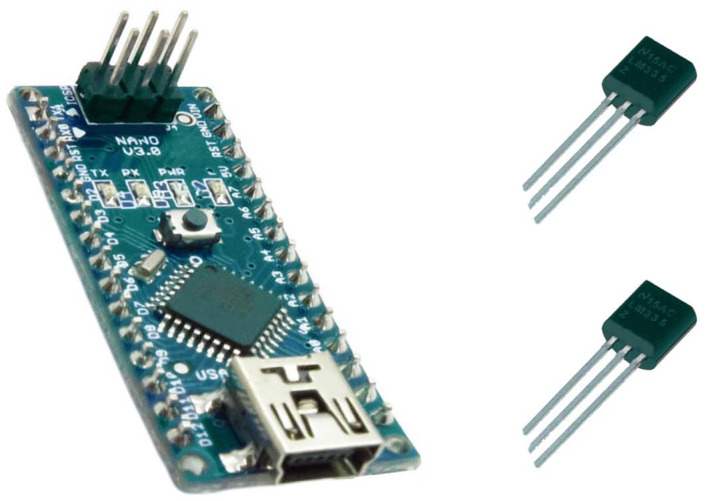 Figure 1
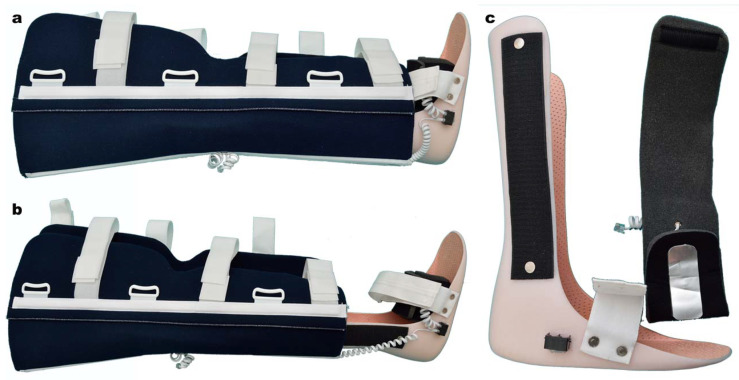 Figure 2
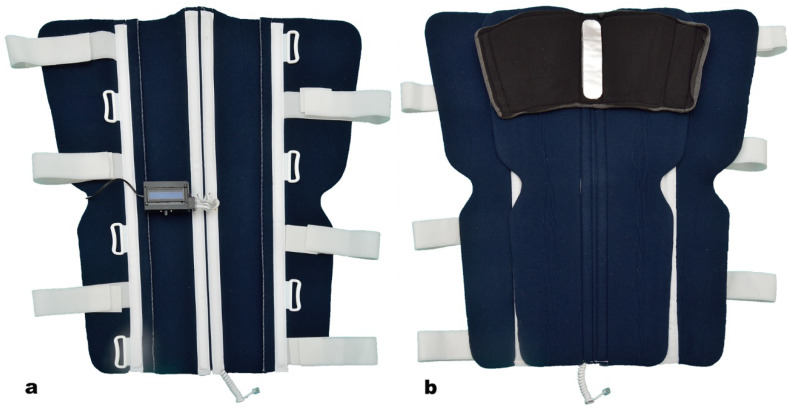 Figure 3
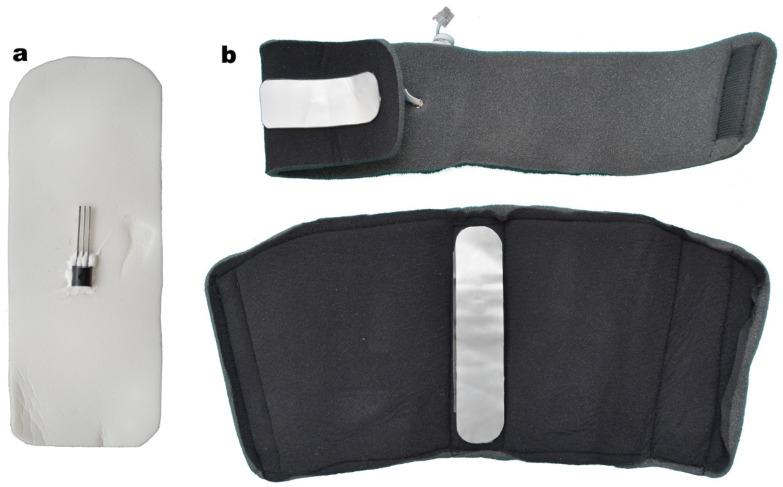 Figure 4
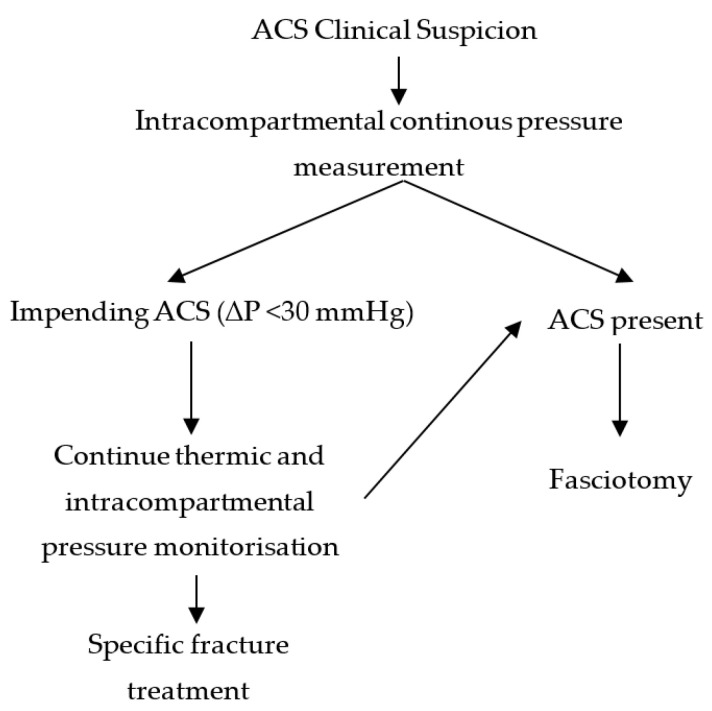 Figure 5
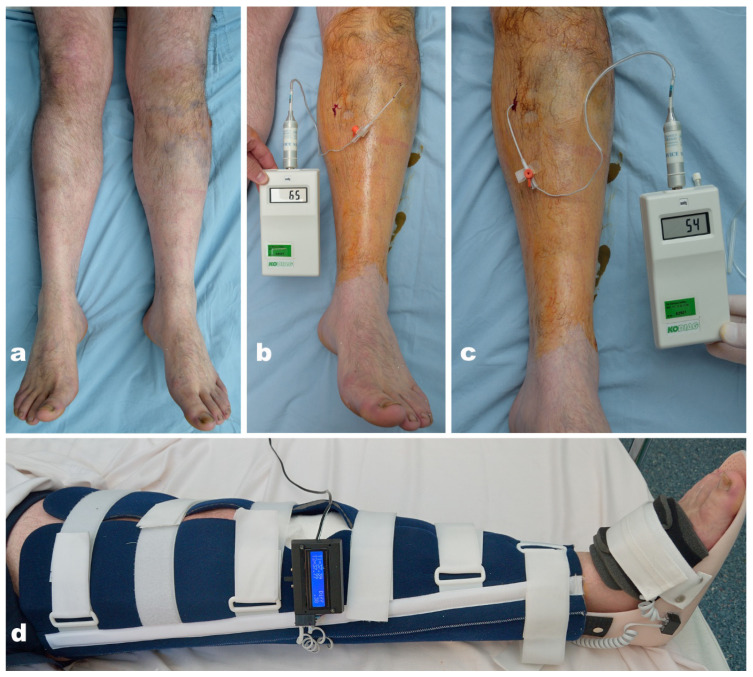 Figure 6
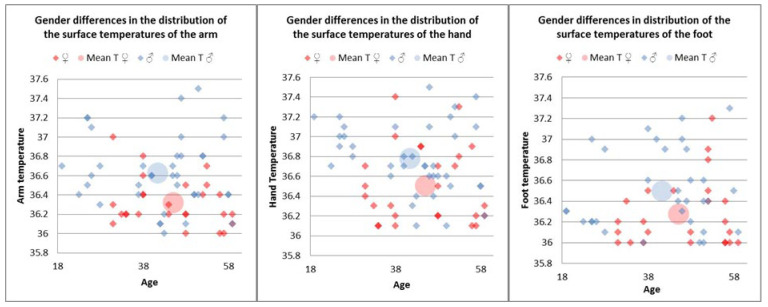 Figure 7
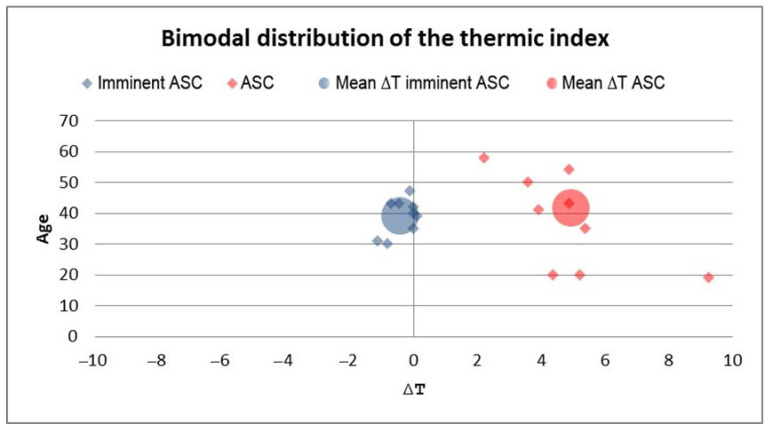 Figure 8
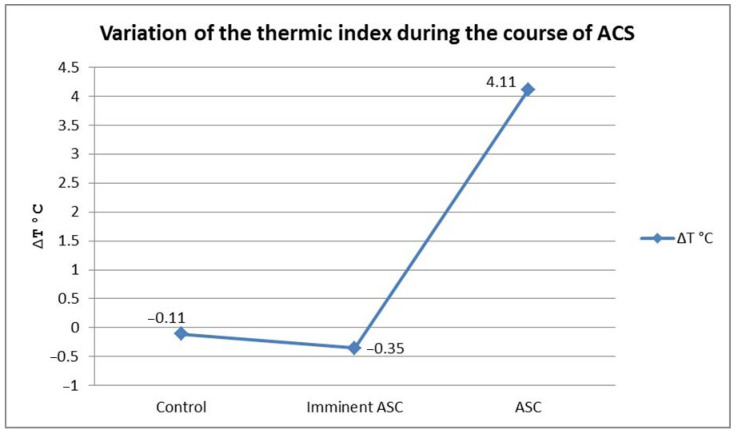 Figure 9
 Figure 10
Peer Reviews
No public reviews on file for this paper yet. If you reviewed it on a platform where reviews are public (OpenReview, ICLR, NeurIPS, ICML), you can paste yours below so the community can read it here.
Videos
No videos yet. Explain this paper in a talk, walkthrough, or lecture? Add one.
Taxonomy
TopicsMuscle and Compartmental Disorders · Exercise and Physiological Responses · Sports injuries and prevention