Comparative Analysis of Primary Ovarian Cancer Cells and Established Cell Lines as a New Tool for Studies on Ovarian Cancer Cell Complexity
Agnieszka Szyposzynska, Aleksandra Bielawska-Pohl, Maria Paprocka, Julia Bar, Marek Murawski, Aleksandra Klimczak

TL;DR
This study compares primary ovarian cancer cells with immortalized versions to understand cancer cell complexity and develop better research tools.
Contribution
The study introduces new immortalized ovarian cancer cell lines with distinct stem cell-like features for research and preclinical modeling.
Findings
Immortalized OvCa3 A hTERT cells retained a mesenchymal stem cell phenotype with CD73/CD90/CD105 positivity.
OvCa7 A hTERT cells showed CD133 expression in 90% of cells, indicating a cancer stem cell (CSC) phenotype.
Both cell lines formed spheroids and exhibited differences in gene expression and metabolic/migratory activity.
Abstract
Primary cancer cells reflect the genetic background and phenotype of a tumor. Immortalized cells with higher proliferation activity have an advantage over primary cells. The aim of the study was to immortalize the primary ovarian cancer (OvCa) cells using the plasmid-carrying human telomerase reverse transcriptase (hTERT) gene and compare their phenotype and biological activity with the primary cells. The primary OvCa3 A and OvCa7 A cells were isolated from the ascitic fluid of two high-grade serous ovarian cancer patients and were characterized using immunocytochemical methods, flow cytometry, real-time RT-PCR, Western blot, metabolic activity, and migratory potential. Both immortalized ovarian cancer cell lines mirrored the phenotype of primary cancer cells, albeit with modifications. The OvCa3 A hTERT cells kept the mesenchymal stem cell phenotype of CD73/CD90/CD105-positivity and…
Genes, proteins, chemicals, diseases, species, mutations and cell lines named across the full text — each resolved to its canonical identifier and authoritative record.
Click any figure to enlarge with its caption.
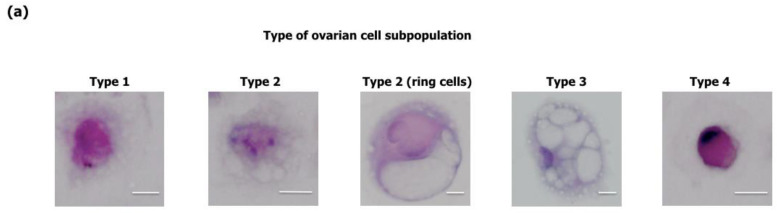 Figure 1
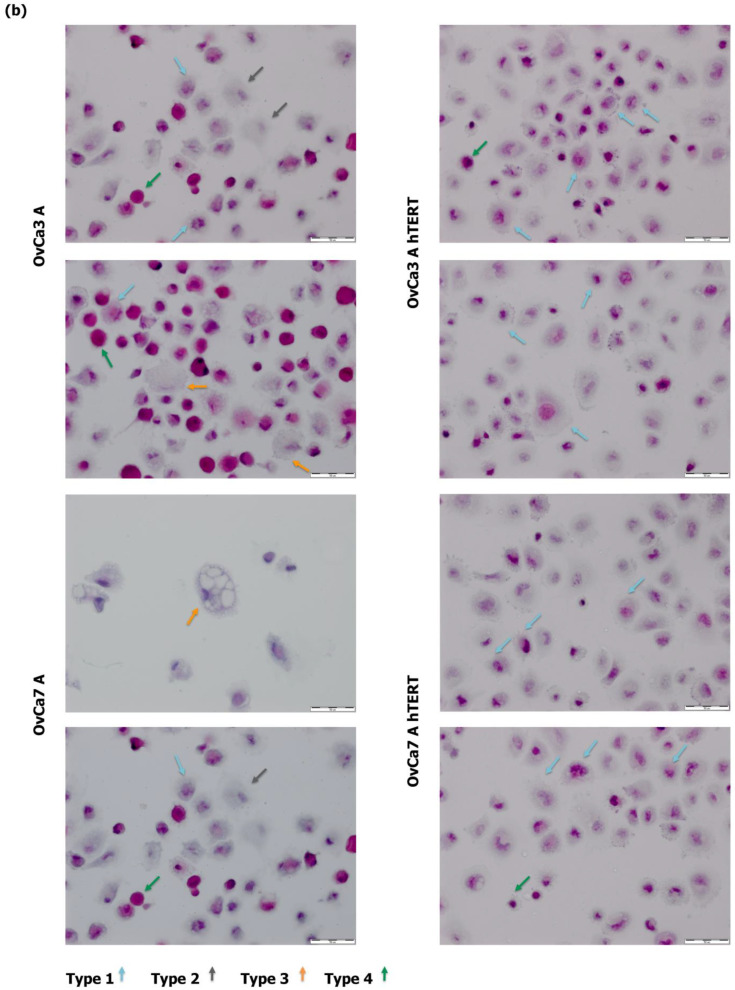 Figure 2
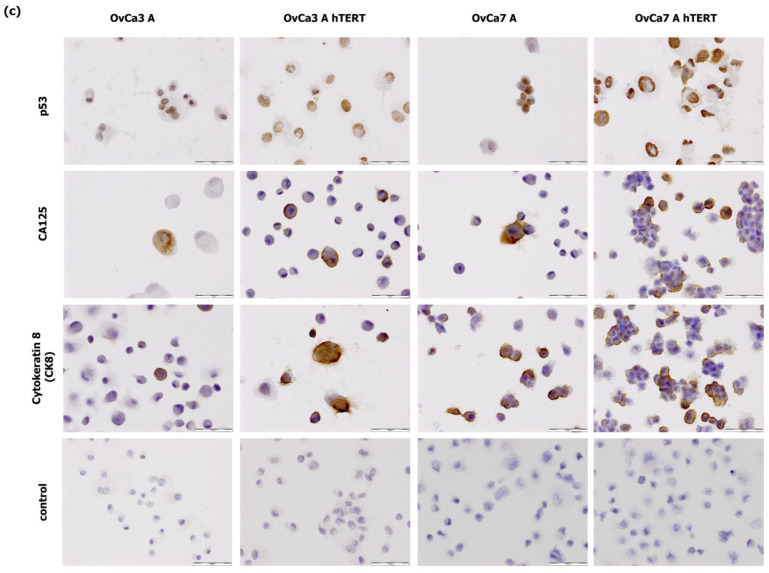 Figure 3
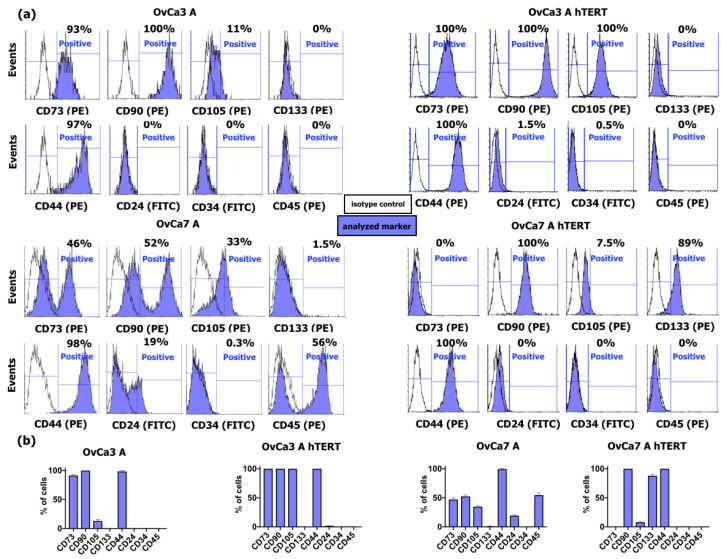 Figure 4
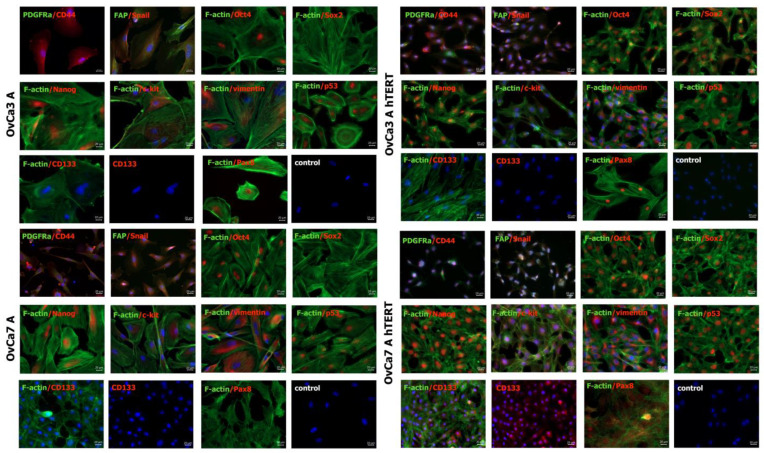 Figure 5
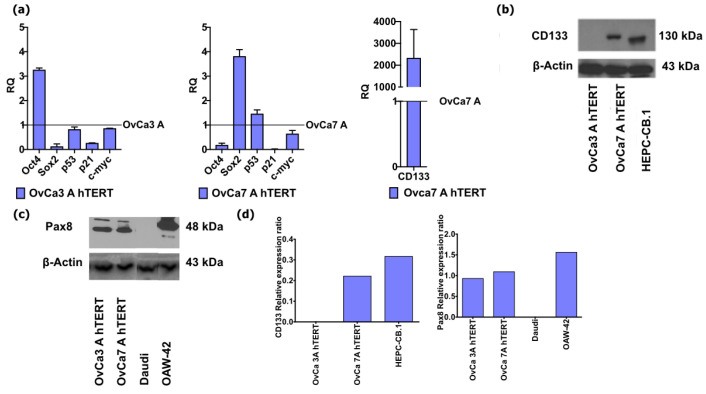 Figure 6
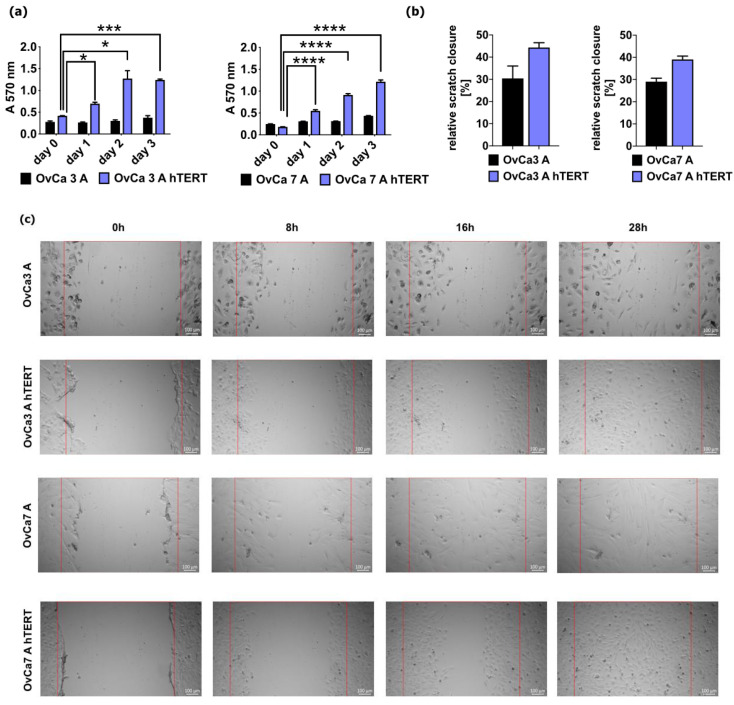 Figure 7
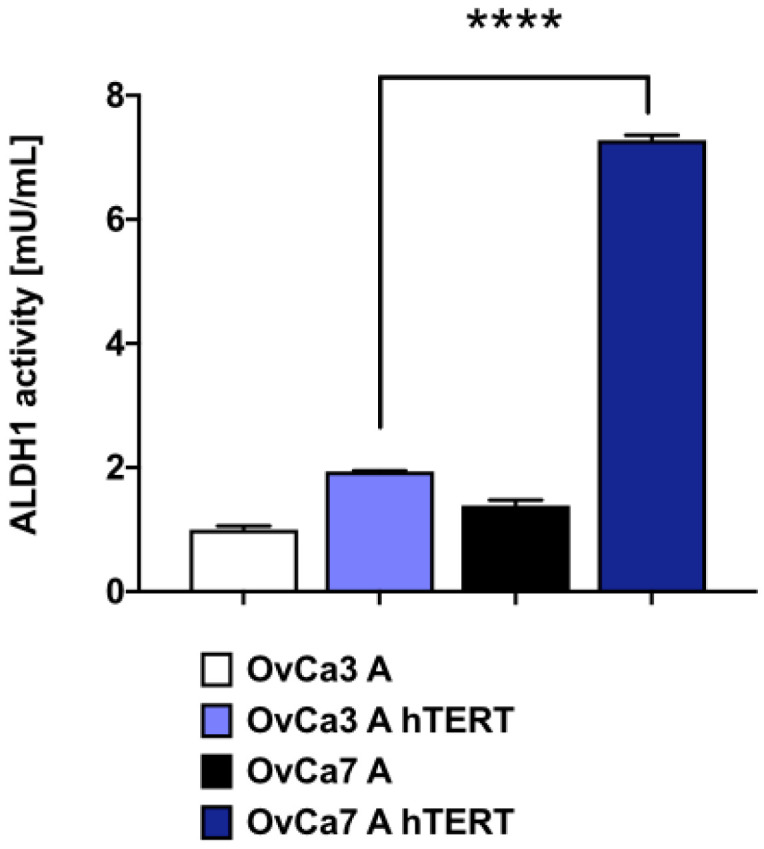 Figure 8
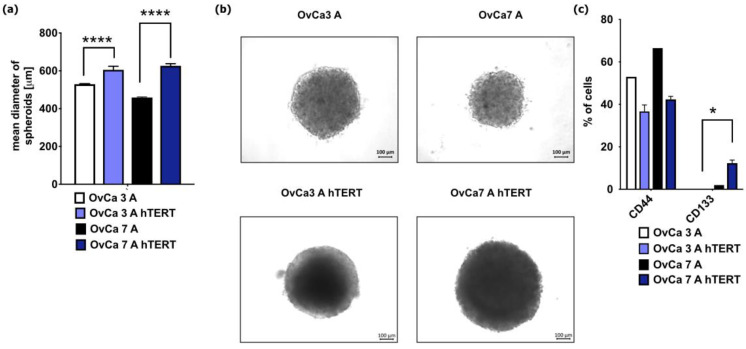 Figure 9
Peer Reviews
No public reviews on file for this paper yet. If you reviewed it on a platform where reviews are public (OpenReview, ICLR, NeurIPS, ICML), you can paste yours below so the community can read it here.
Videos
No videos yet. Explain this paper in a talk, walkthrough, or lecture? Add one.
Taxonomy
TopicsCancer Cells and Metastasis · MicroRNA in disease regulation · RNA Research and Splicing