Language Distance Moderates the Effect of a Mixed-Language Environment on New-Word Learning for 4-Year-Old Children
Zhengkai Niu, Zilong Li, Yunxiao Ma, Keke Yu, Ruiming Wang

TL;DR
This study shows that mixing languages while learning new words can hinder vocabulary acquisition in bilingual children, and the effect depends on how similar the two languages are.
Contribution
The study reveals that language distance moderates the inhibitory effect of language mixing on vocabulary learning in bilingual children.
Findings
Children in a code-switching environment recognized new words but showed longer gaze times compared to monolingual conditions.
Chinese–English bilingual children had higher gaze time proportions in code-switching than Chinese–Japanese bilingual children.
Greater language distance correlates with stronger inhibitory effects on vocabulary acquisition.
Abstract
As bilingual families increase, the phenomenon of language mixing among children in mixed-language environments has gradually attracted academic attention. This study aims to explore the impact of language mixing on vocabulary acquisition in bilingual children and whether language distance moderates this impact. We recruited two groups of bilingual children, Chinese–English bilinguals and Chinese–Japanese bilinguals, to learn two first-language new words in a monolingual environment and a mixed-language environment, respectively. The results showed that the participants could successfully recognize the novel words in the code-switching sentences. However, when we compared the performance of the two groups of bilingual children, we found that the gaze time proportion of the Chinese–English bilingual children under the code-switching condition was significantly higher than that of the…
Genes, proteins, chemicals, diseases, species, mutations and cell lines named across the full text — each resolved to its canonical identifier and authoritative record.
Click any figure to enlarge with its caption.
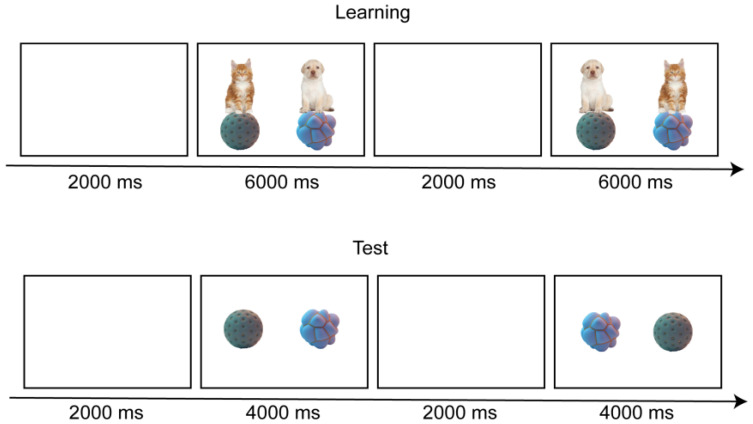 Figure 1
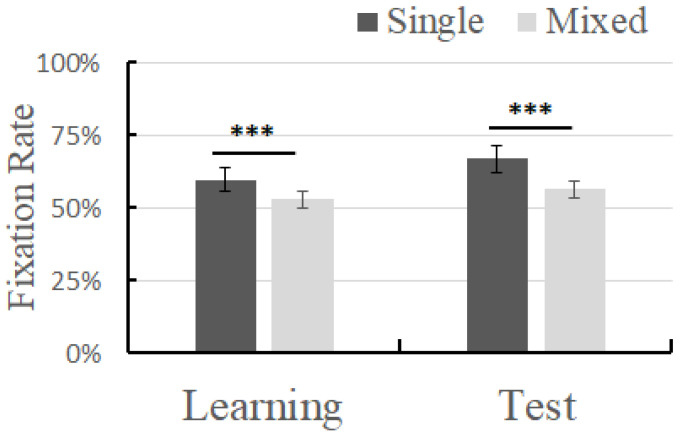 Figure 2
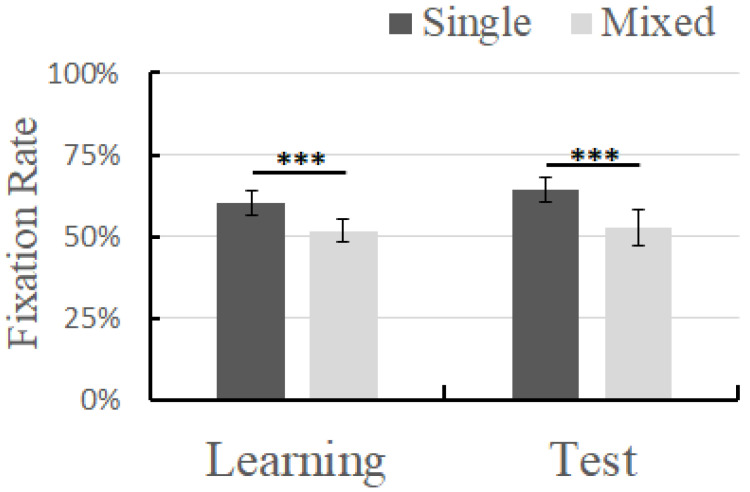 Figure 3
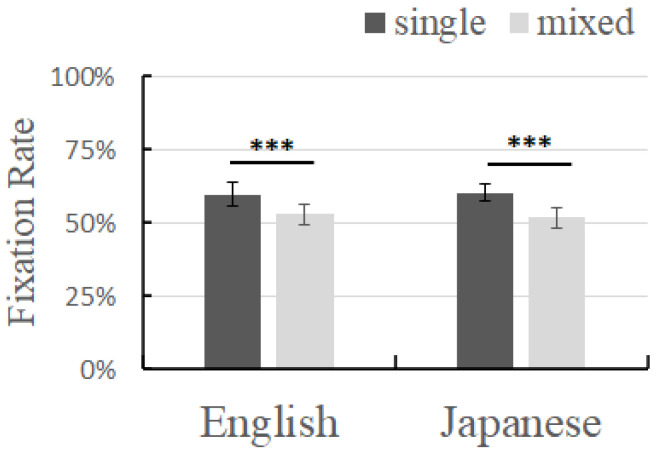 Figure 4
Peer Reviews
No public reviews on file for this paper yet. If you reviewed it on a platform where reviews are public (OpenReview, ICLR, NeurIPS, ICML), you can paste yours below so the community can read it here.
Videos
No videos yet. Explain this paper in a talk, walkthrough, or lecture? Add one.
Taxonomy
TopicsLanguage Development and Disorders · Reading and Literacy Development · Neurobiology of Language and Bilingualism