Overt Word Reading and Visual Object Naming in Adults with Dyslexia: Electroencephalography Study in Transparent Orthography
Maja Perkušić Čović, Igor Vujović, Joško Šoda, Marijan Palmović, Maja Rogić Vidaković

TL;DR
This study used EEG to compare reading and naming processes in adults with dyslexia and healthy controls in a language with simple spelling rules.
Contribution
It identifies distinct neural processing patterns in dyslexic adults during reading and naming in transparent orthography.
Findings
Dyslexic adults showed prolonged reading latency compared to controls.
ERP differences were found in the right hemisphere during pre-lexical word reading and post-lexical object naming.
Dyslexic adults may rely on grapho-phonological routes and struggle with phoneme retrieval.
Abstract
The study aimed to investigate overt reading and naming processes in adult people with dyslexia (PDs) in shallow (transparent) language orthography. The results of adult PDs are compared with adult healthy controls HCs. Comparisons are made in three phases: pre-lexical (150–260 ms), lexical (280–700 ms), and post-lexical stage of processing (750–1000 ms) time window. Twelve PDs and HCs performed overt reading and naming tasks under EEG recording. The word reading and naming task consisted of sparse neighborhoods with closed phonemic onset (words/objects sharing the same onset). For the analysis of the mean ERP amplitude for pre-lexical, lexical, and post-lexical time window, a mixed design ANOVA was performed with the right (F4, FC2, FC6, C4, T8, CP2, CP6, P4) and left (F3, FC5, FC1, T7, C3, CP5, CP1, P7, P3) electrode sites, within-subject factors and group (PD vs. HC) as…
Genes, proteins, chemicals, diseases, species, mutations and cell lines named across the full text — each resolved to its canonical identifier and authoritative record.
Click any figure to enlarge with its caption.
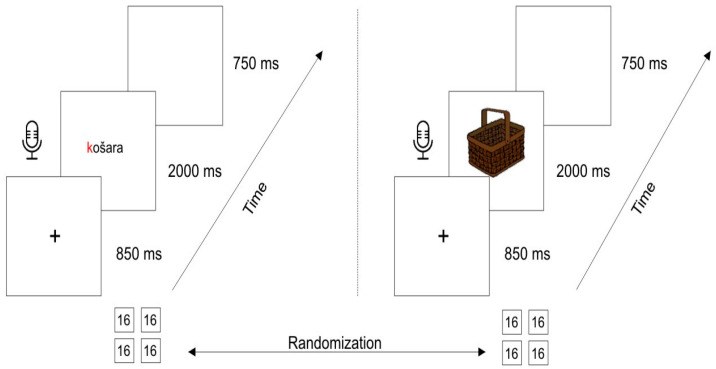 Figure 1
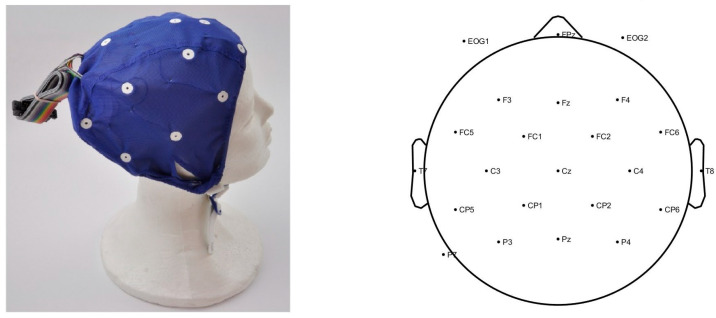 Figure 2
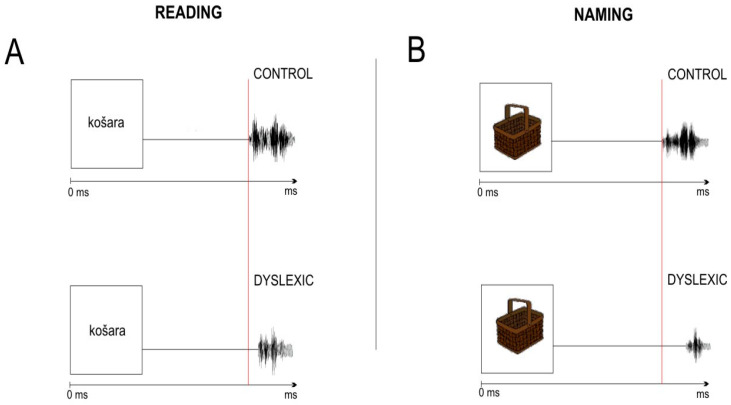 Figure 3
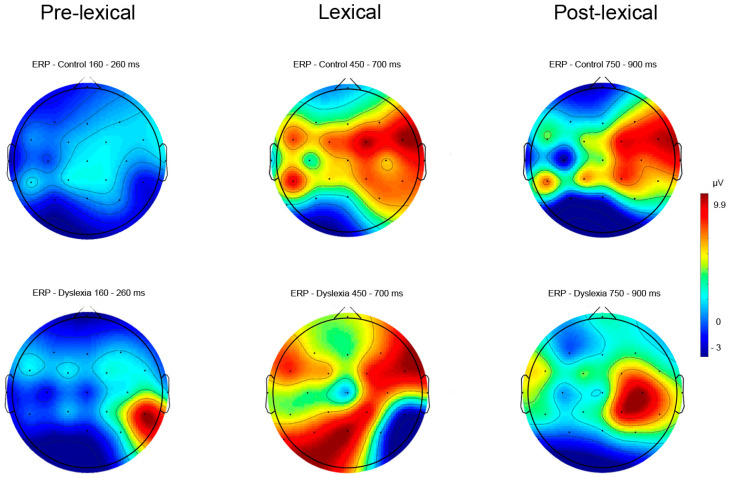 Figure 4
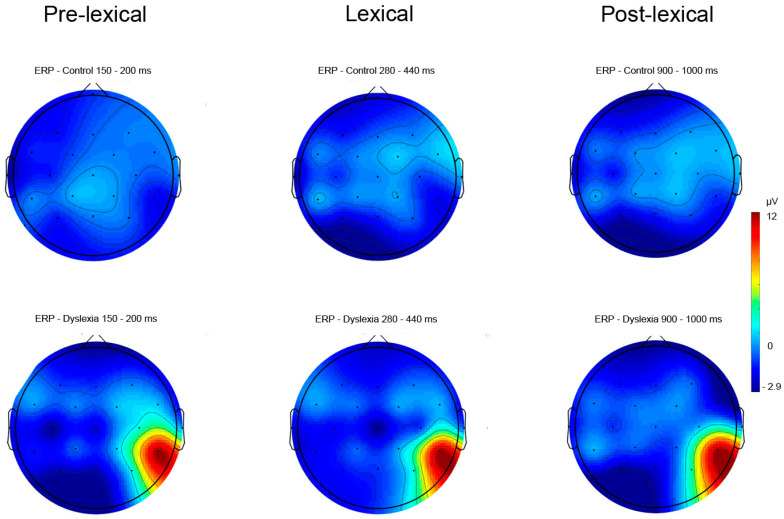 Figure 5
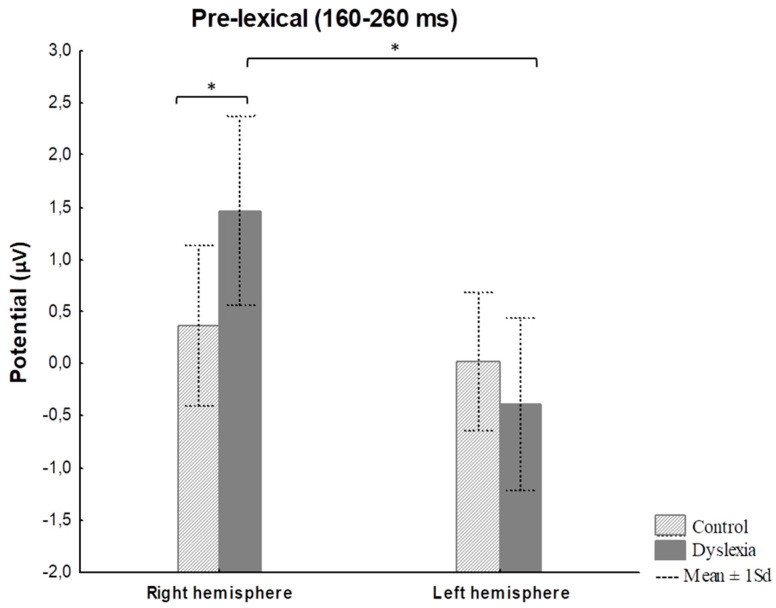 Figure 6
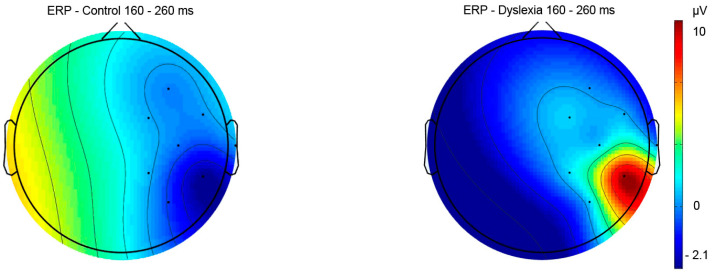 Figure 7
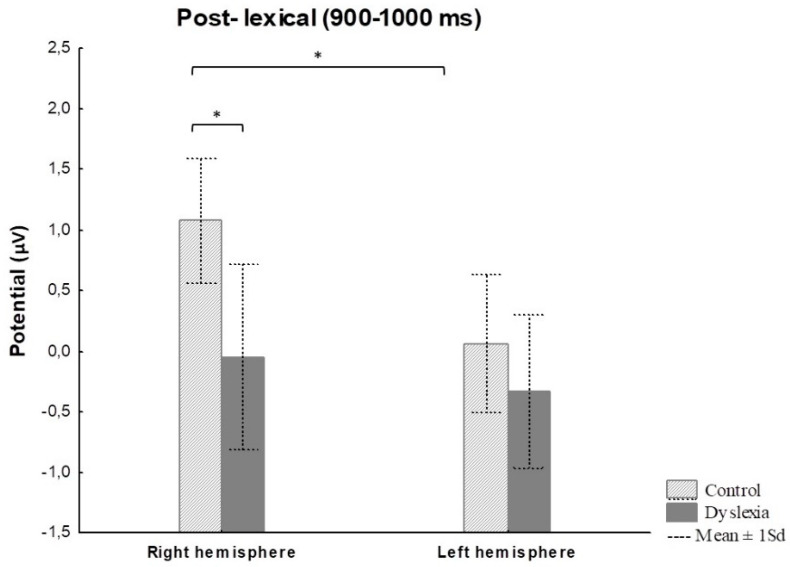 Figure 8
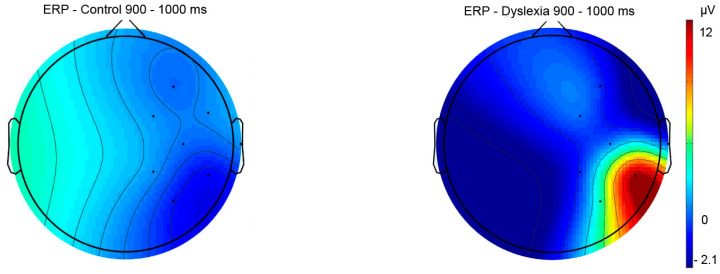 Figure 9
Peer Reviews
No public reviews on file for this paper yet. If you reviewed it on a platform where reviews are public (OpenReview, ICLR, NeurIPS, ICML), you can paste yours below so the community can read it here.
Videos
No videos yet. Explain this paper in a talk, walkthrough, or lecture? Add one.
Taxonomy
TopicsReading and Literacy Development · EEG and Brain-Computer Interfaces · Neurobiology of Language and Bilingualism