Computational Lower Limb Simulator Boundary Conditions to Reproduce Measured TKA Loading in a Cohort of Telemetric Implant Patients
Chase Maag, Clare K. Fitzpatrick, Paul J. Rullkoetter

TL;DR
This study creates patient-specific boundary conditions for a knee simulator to better replicate real patient data, improving TKA design and analysis.
Contribution
The study introduces patient-specific boundary conditions for a computational knee model, significantly improving joint loading accuracy.
Findings
Using patient-specific data reduced the root mean squared error in joint loading by 28.7%.
PCA of boundary conditions showed one component explained 77.8% of variation, and three components explained 97.8%.
Patient-specific models can help understand TKA mechanics variability and guide future design improvements.
Abstract
Recent advancements in computational modeling offer opportunities to refine total knee arthroplasty (TKA) design and treatment strategies. This study developed patient-specific simulator external boundary conditions (EBCs) using a PID-controlled lower limb finite element (FE) model. Calibration of the external actuation required to achieve measured patient-specific joint loading and motion was completed for nine patients with telemetric implants during gait, stair descent, and deep knee bend. The study also compared two EBC scenarios: activity-specific hip AP motion and pelvic rotation (that was averaged across all patients for an activity) and patient-specific hip AP motion and pelvic rotation. Including patient-specific data significantly improved reproduction of joint-level loading, reducing root mean squared error between the target and achieved loading by 28.7% and highlighting the…
Genes, proteins, chemicals, diseases, species, mutations and cell lines named across the full text — each resolved to its canonical identifier and authoritative record.
Click any figure to enlarge with its caption.
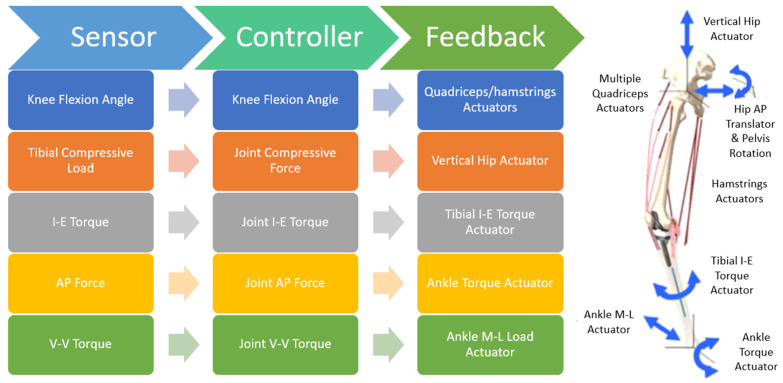 Figure 1
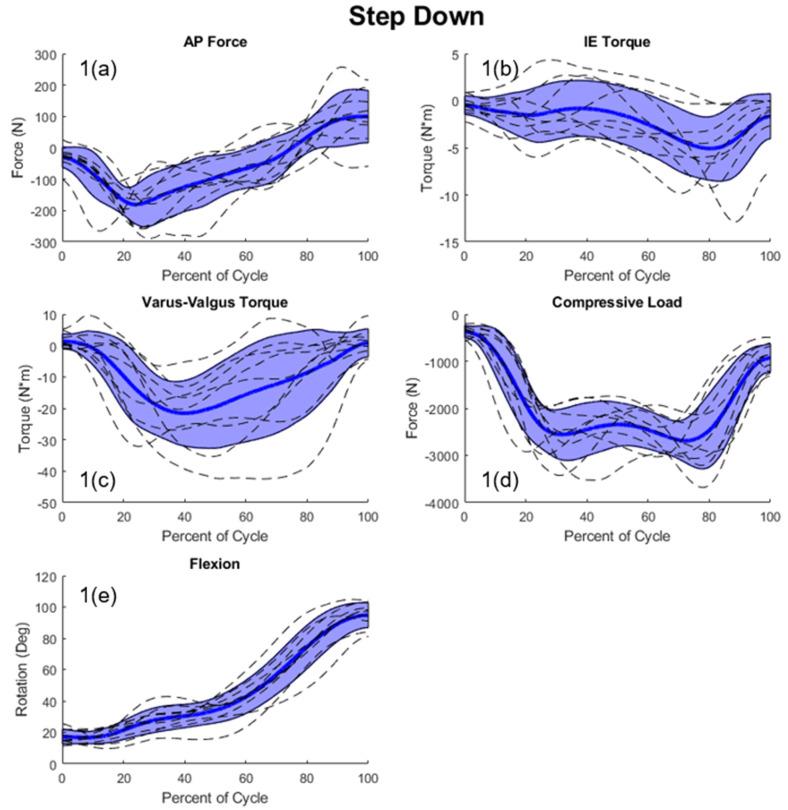 Figure 2
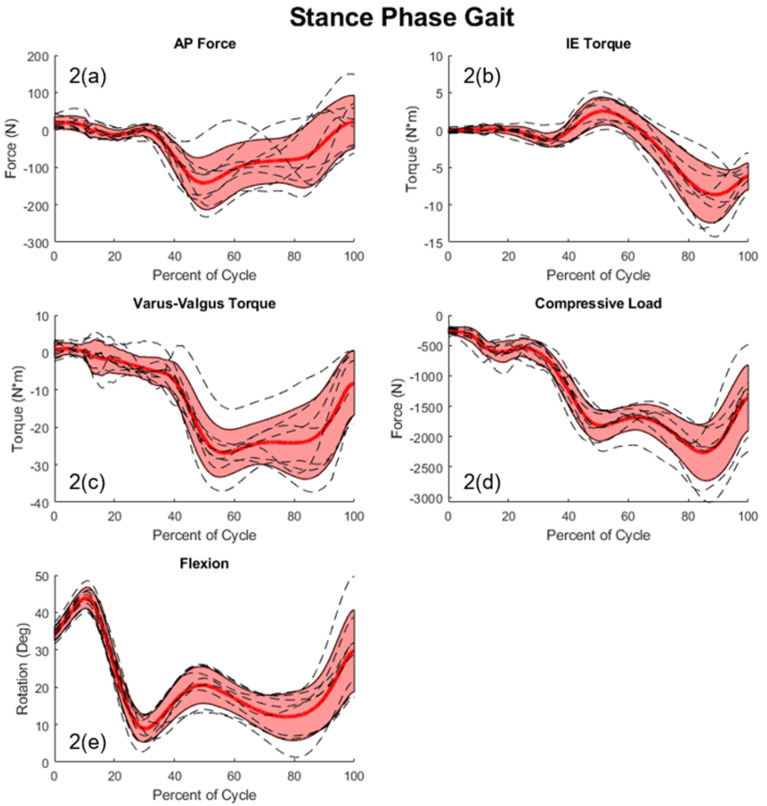 Figure 3
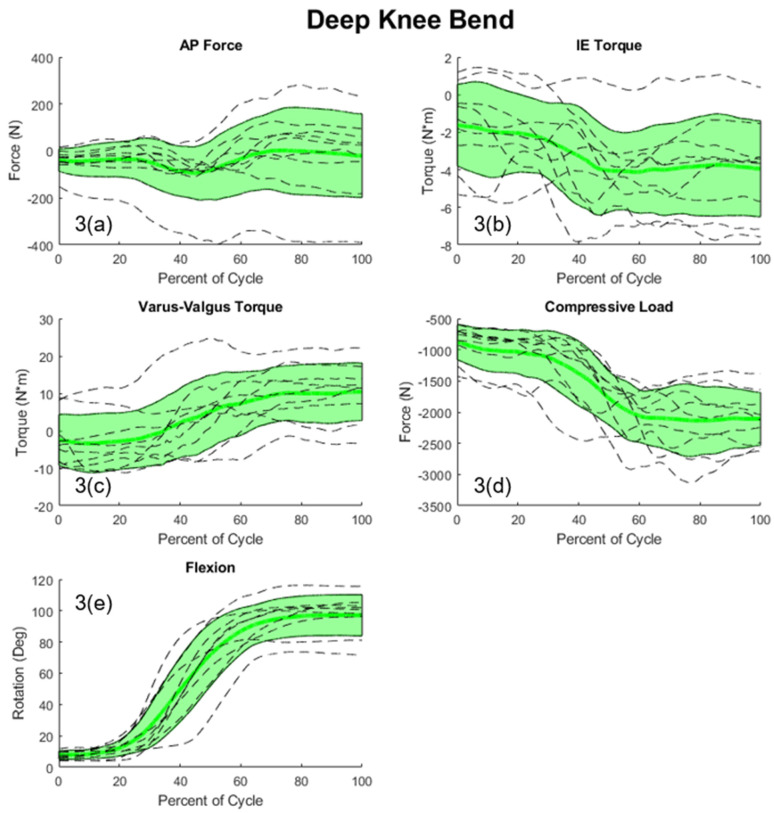 Figure 4
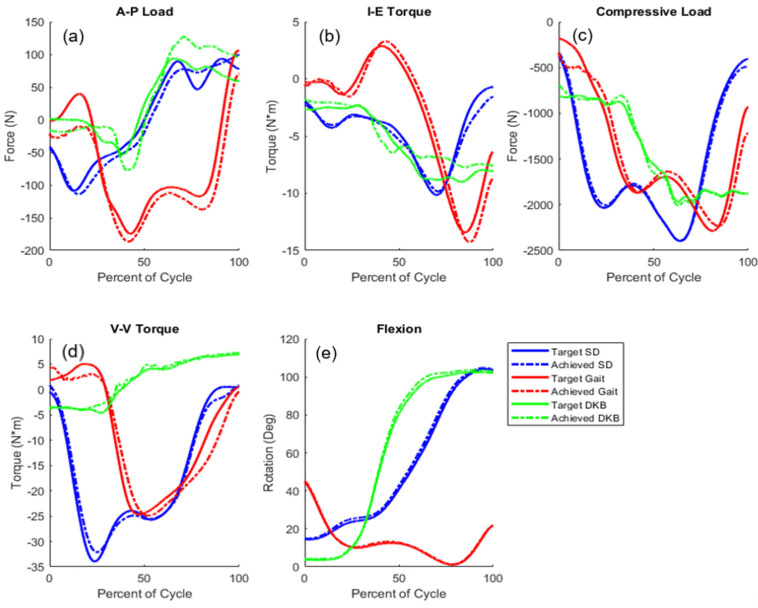 Figure 5
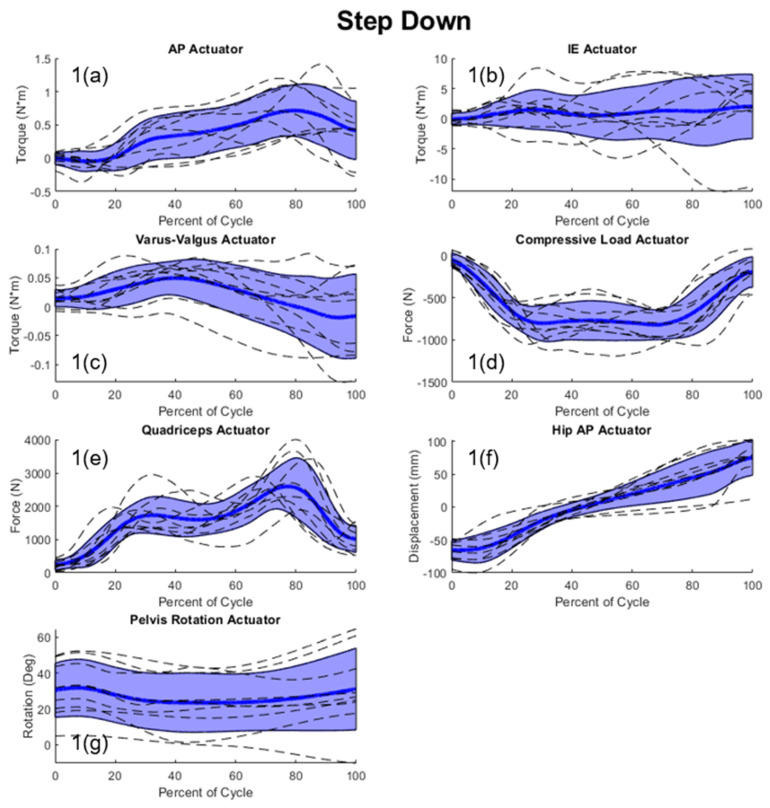 Figure 6
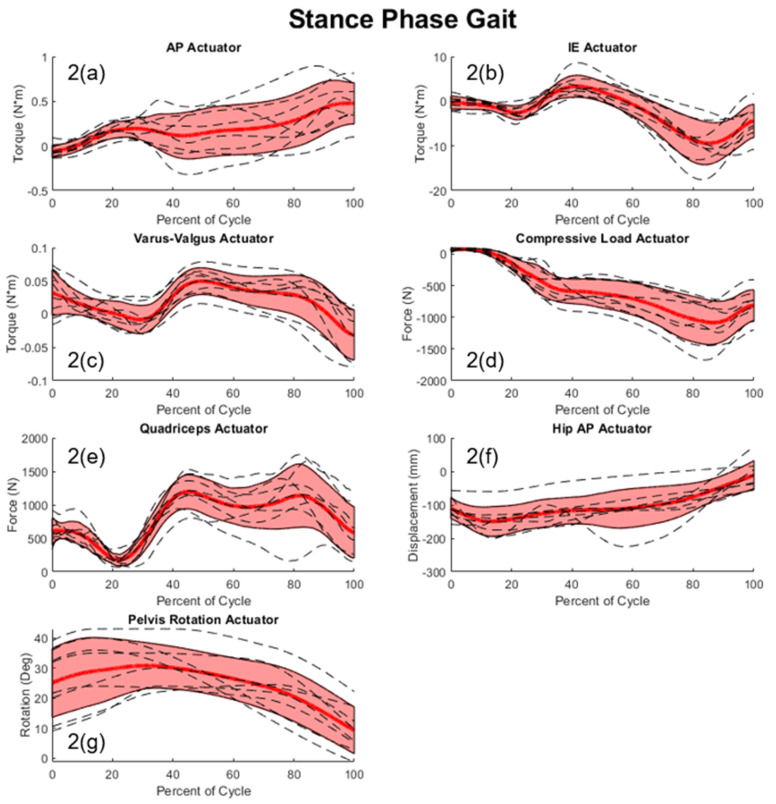 Figure 7
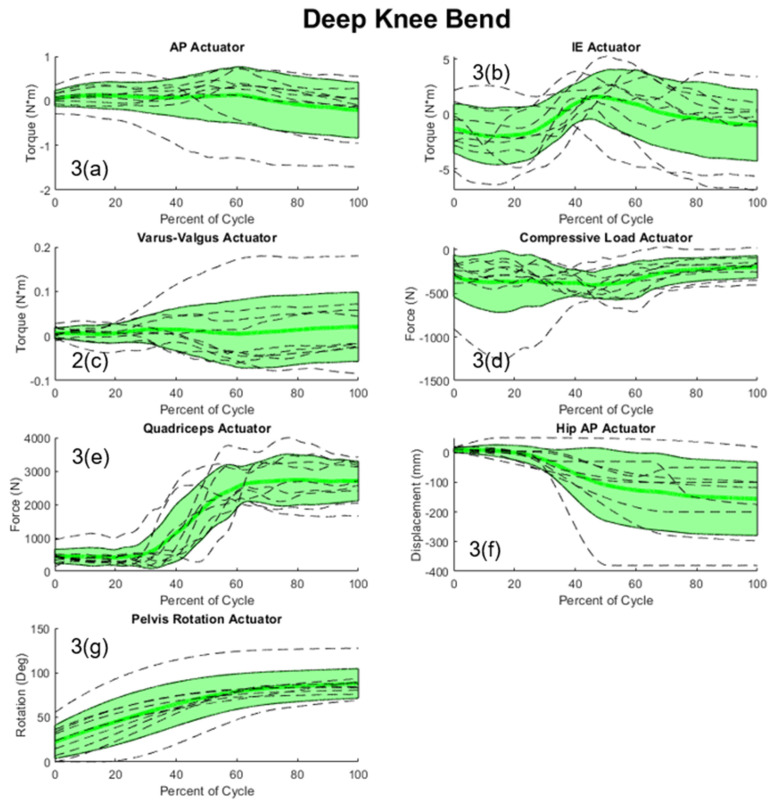 Figure 8
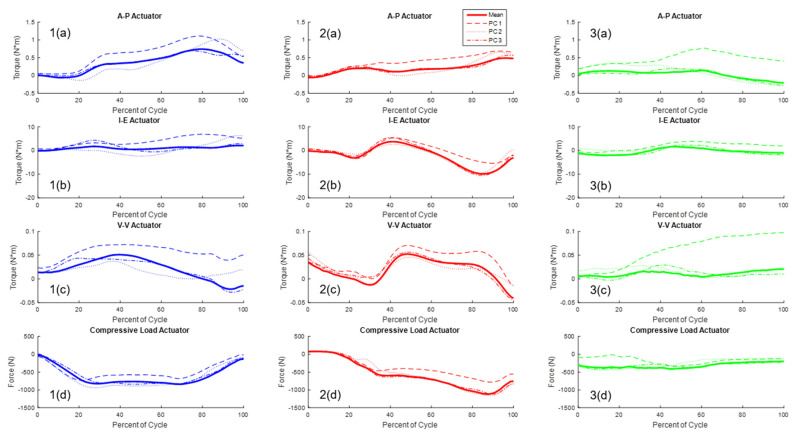 Figure 9
Peer Reviews
No public reviews on file for this paper yet. If you reviewed it on a platform where reviews are public (OpenReview, ICLR, NeurIPS, ICML), you can paste yours below so the community can read it here.
Videos
No videos yet. Explain this paper in a talk, walkthrough, or lecture? Add one.
Taxonomy
TopicsHistorical and socio-economic studies of Spain and related regions