Assessing the Effectiveness of Eslicarbazepine Acetate in Reducing Audiogenic Reflex Seizures in the GASH/Sal Model of Epilepsy
Jaime Gonçalves-Sánchez, Thomas Ramírez-Santos, Dolores E. López, Jesús M. Gonçalves-Estella, Consuelo Sancho

TL;DR
This study evaluates how well eslicarbazepine acetate reduces seizures in a hamster model of epilepsy, finding it effective and safe.
Contribution
The study provides new evidence on the anticonvulsant and safety profile of ESL in a specific audiogenic seizure model.
Findings
ESL reduced seizure severity in the GASH/Sal model without significant differences across doses or administration types.
No adverse effects were observed in behavioral, hematological, or biochemical parameters.
ESL levels in blood were measured after acute administration, confirming drug presence.
Abstract
Eslicarbazepine acetate (ESL) is a third-generation antiepileptic drug indicated as monotherapy for adults with newly diagnosed epilepsy and as adjunctive therapy for the treatment of partial seizures. Our aim was to assess the effectiveness and safety of both acute and repeated ESL administration against reflex audiogenic seizures, as shown by the Genetic Audiogenic Seizures Hamster from Salamanca (GASH/Sal). Animals were subject to the intraperitoneal administration of ESL, applying doses of 100, 150 and 200 mg/kg for the acute study, whereas a daily dose of 100 mg/kg was selected for the subchronic study, which lasted 14 days. In both studies, the anticonvulsant effect of the therapy was evaluated using neuroethological methods. To assess the safety of the treatment, behavioral tests were performed, hematological and biochemical liver profiles were obtained, and body weight was…
Genes, proteins, chemicals, diseases, species, mutations and cell lines named across the full text — each resolved to its canonical identifier and authoritative record.
Click any figure to enlarge with its caption.
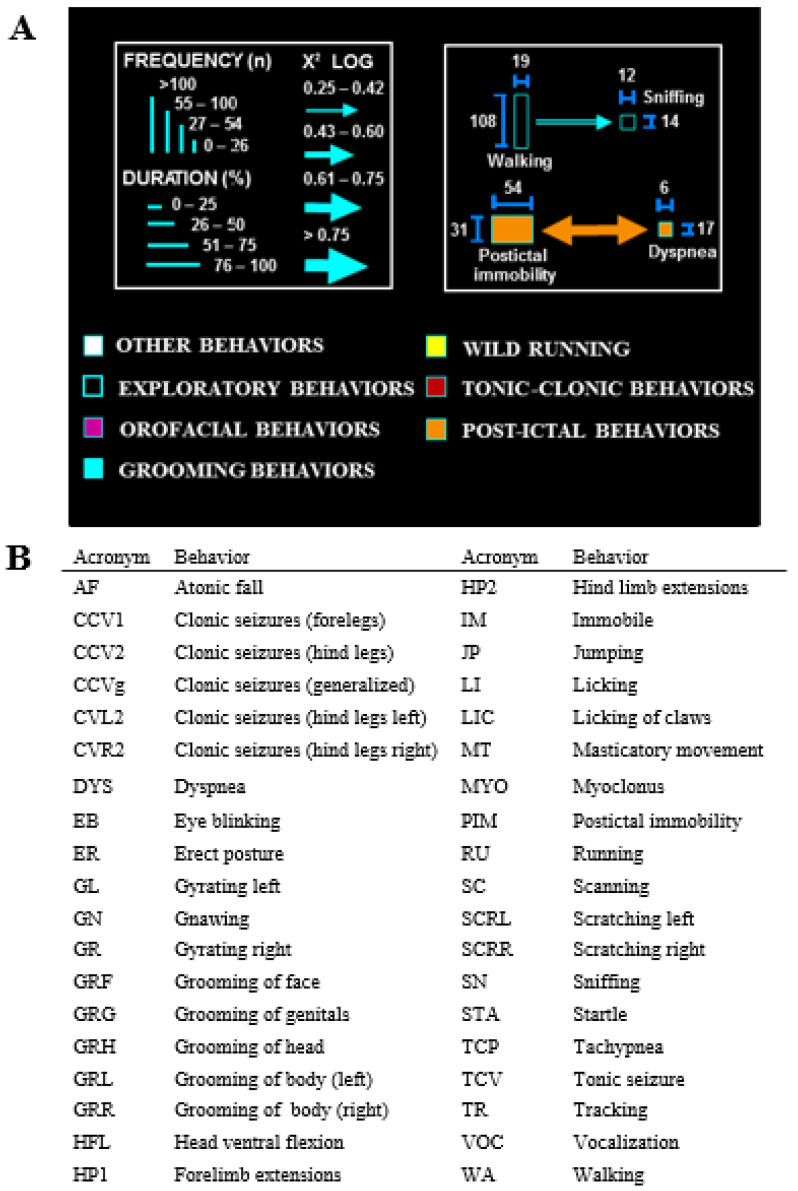 Figure 1
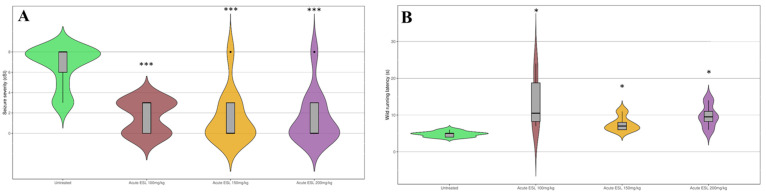 Figure 2
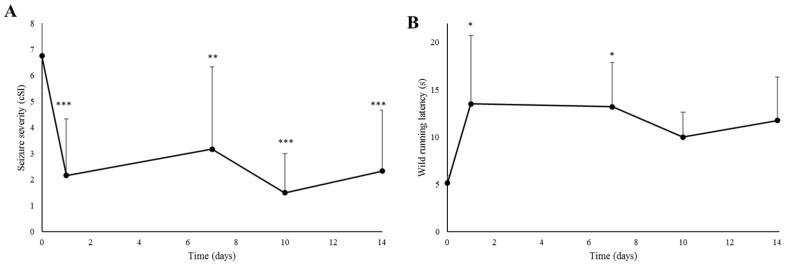 Figure 3
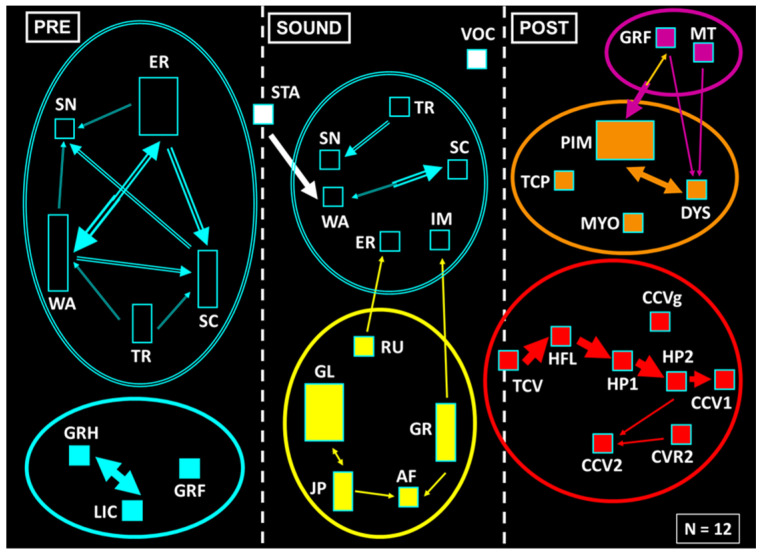 Figure 4
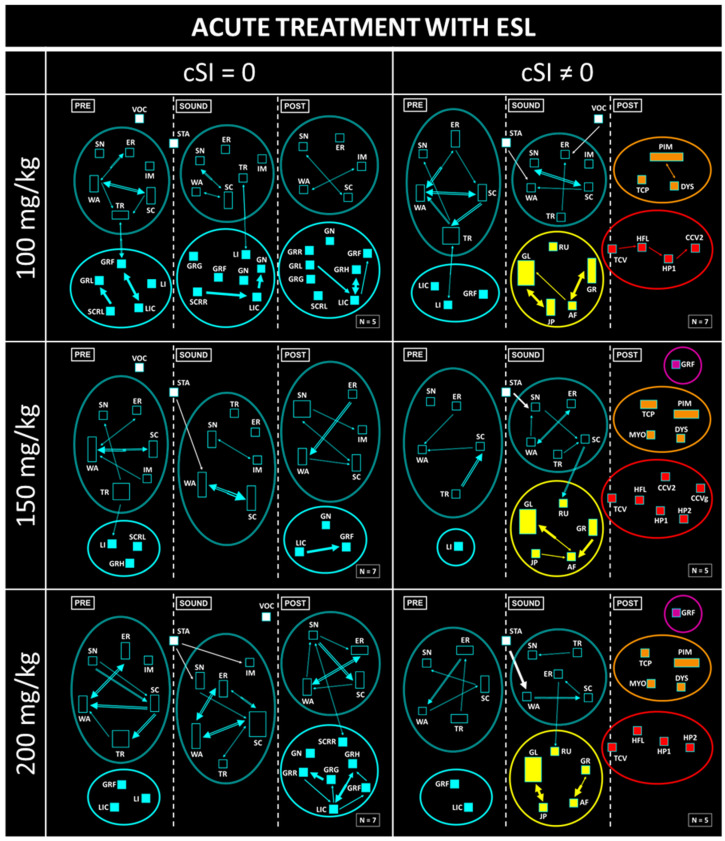 Figure 5
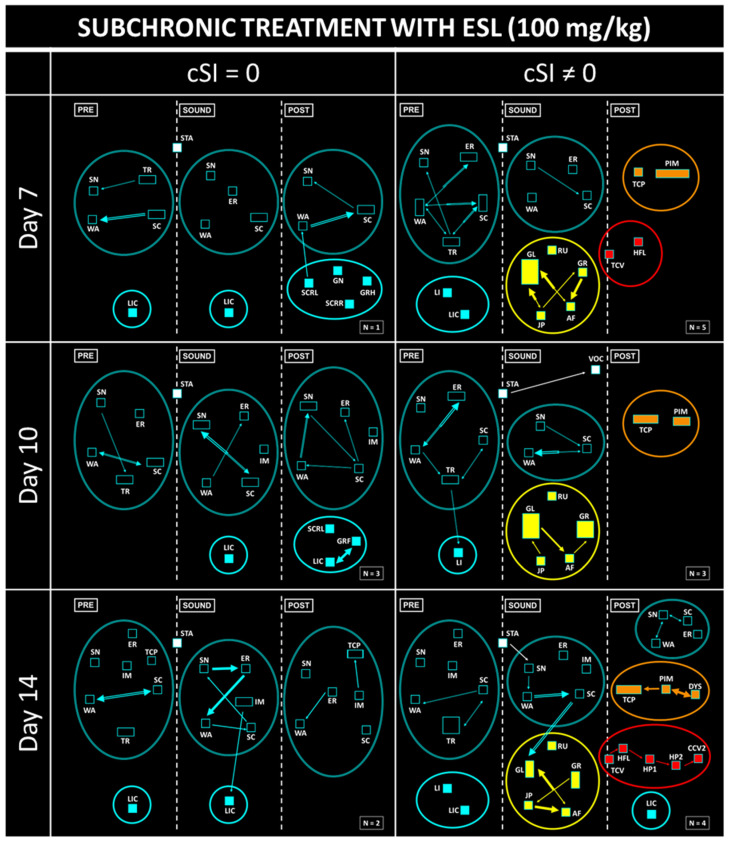 Figure 6
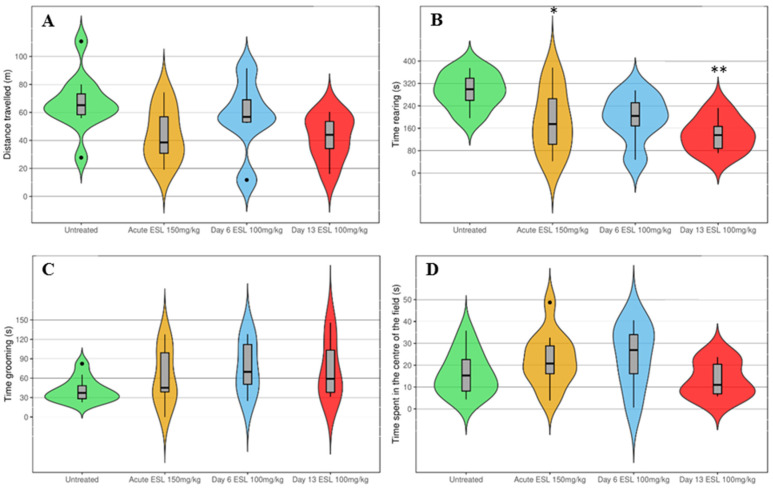 Figure 7
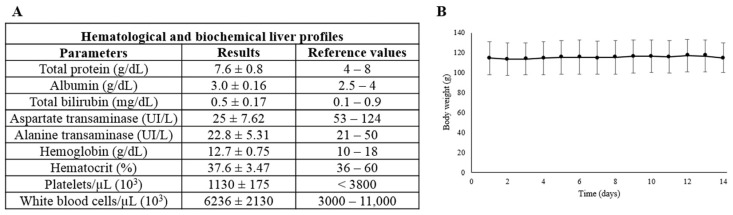 Figure 8
Peer Reviews
No public reviews on file for this paper yet. If you reviewed it on a platform where reviews are public (OpenReview, ICLR, NeurIPS, ICML), you can paste yours below so the community can read it here.
Videos
No videos yet. Explain this paper in a talk, walkthrough, or lecture? Add one.
Taxonomy
TopicsEpilepsy research and treatment · Neuroscience and Neuropharmacology Research · Drug Transport and Resistance Mechanisms