Special Prey, Special Glue: NMR Spectroscopy on Aggregate Glue Components of Moth-Specialist Spiders, Cyrtarachninae
Max W. VanDyck, John H. Long, Richard H. Baker, Cheryl Y. Hayashi, Candido Diaz

TL;DR
This study uses NMR spectroscopy to compare the glue components in spider webs of moth-specialist and generalist orb-weavers, revealing unique biochemical compositions in the moth-specialist species.
Contribution
The study identifies novel low molecular mass compounds in the glue of moth-specialist spiders, including a previously reported but unidentified compound.
Findings
Moth-specialist spiders have unique glue compositions despite similar LMMC weight percentages.
A previously unidentified compound is consistently present in the glue of all moth-specialist species.
The glue's biochemical diversity may inform the development of synthetic adhesives.
Abstract
Orb-weaver spiders produce upwards of seven different types of silk, each with unique material properties. We focus on the adhesive within orb-weaving spider webs, aggregate glue silk. These droplets are composed of three main components: water, glycoproteins, and a wide range of low molecular mass compounds (LMMCs). These LMMCs are known to play a crucial role in maintaining the material properties of the glycoproteins, aid in water absorption from the environment, and increase surface adhesion. Orb-weavers within the Cyrtarachninae subfamily are moth specialists and have evolved glue droplets with novel material properties. This study investigated the biochemical composition and diversity of the LMMCs present in the aggregate glue of eight moth-specialist species and compared them with five generalist orb-weavers using nuclear magnetic resonance (NMR) spectroscopy. We hypothesized…
Genes, proteins, chemicals, diseases, species, mutations and cell lines named across the full text — each resolved to its canonical identifier and authoritative record.
Click any figure to enlarge with its caption.
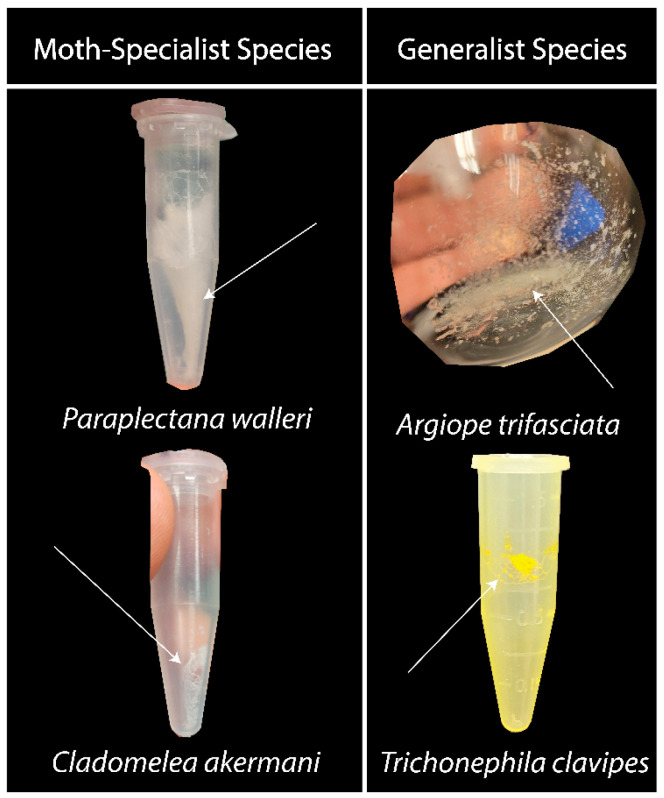 Figure 1
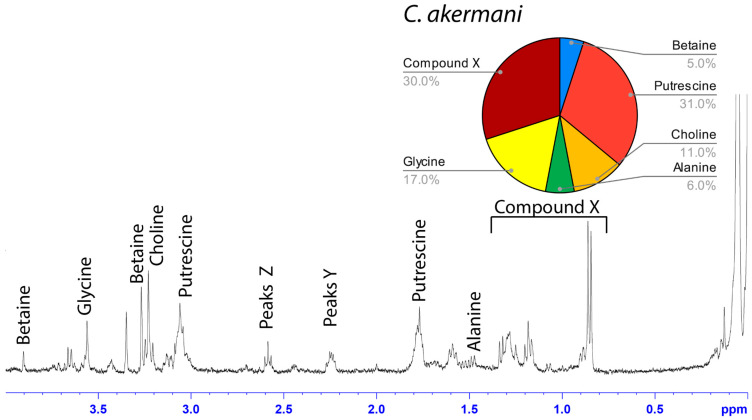 Figure 2
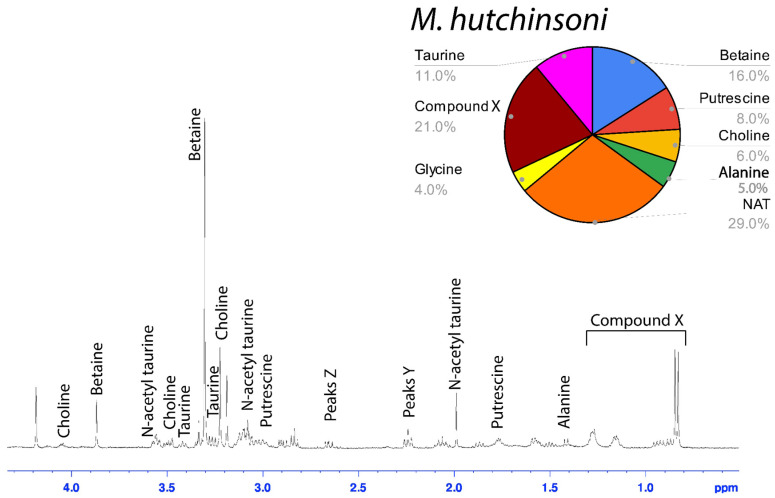 Figure 3
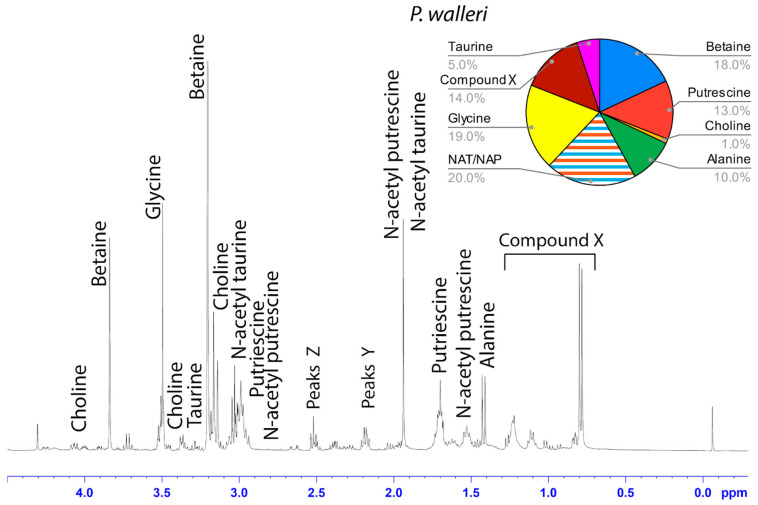 Figure 4
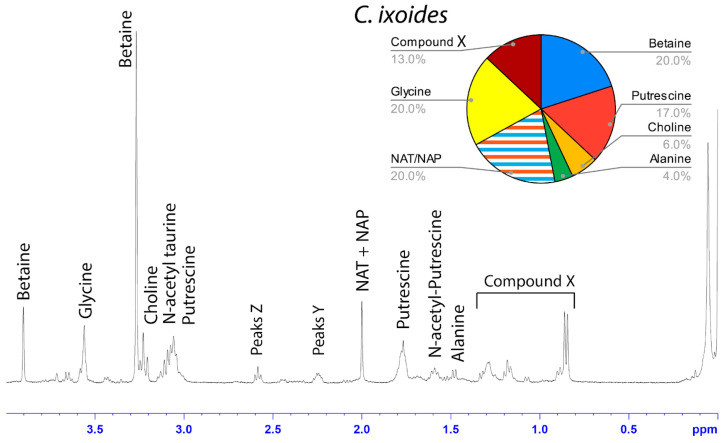 Figure 5
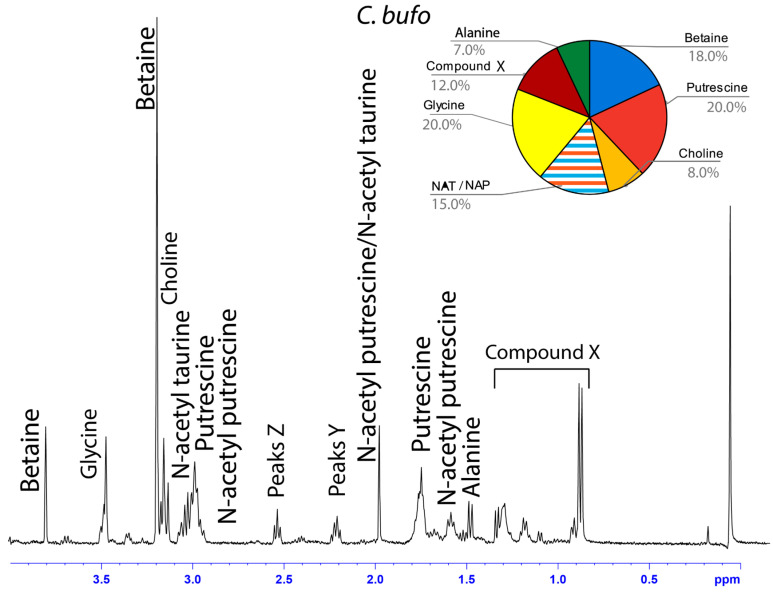 Figure 6
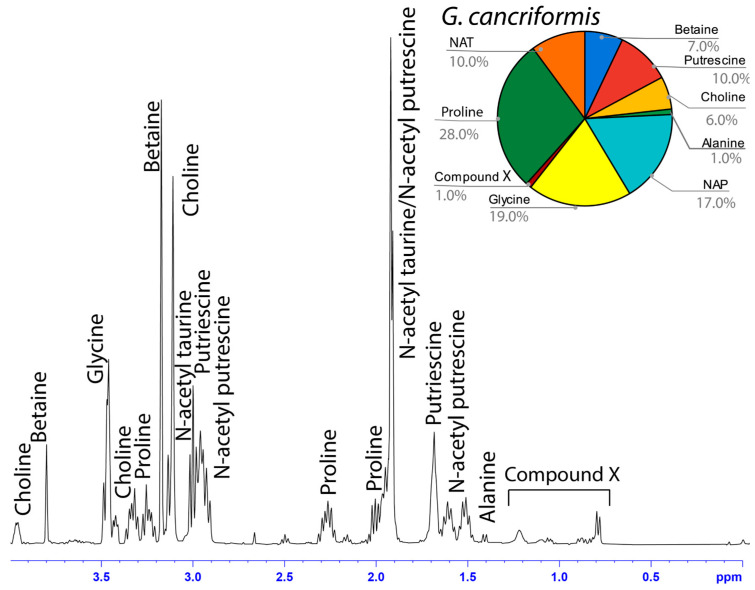 Figure 7
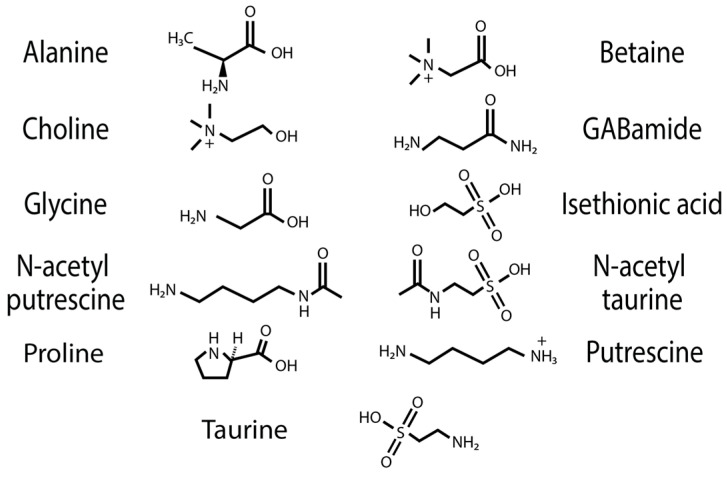 Figure 8
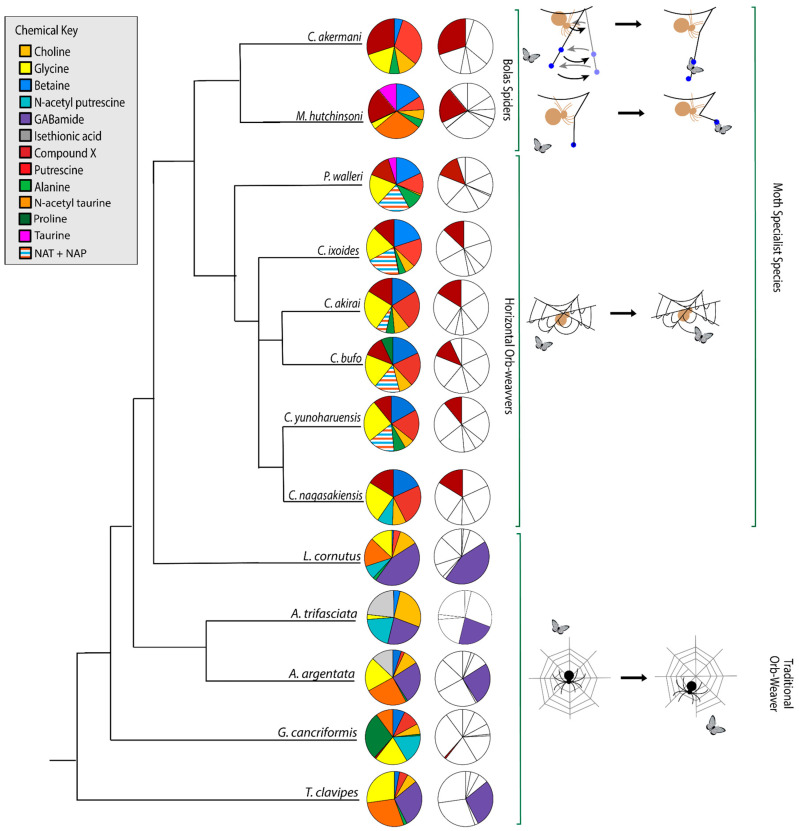 Figure 9
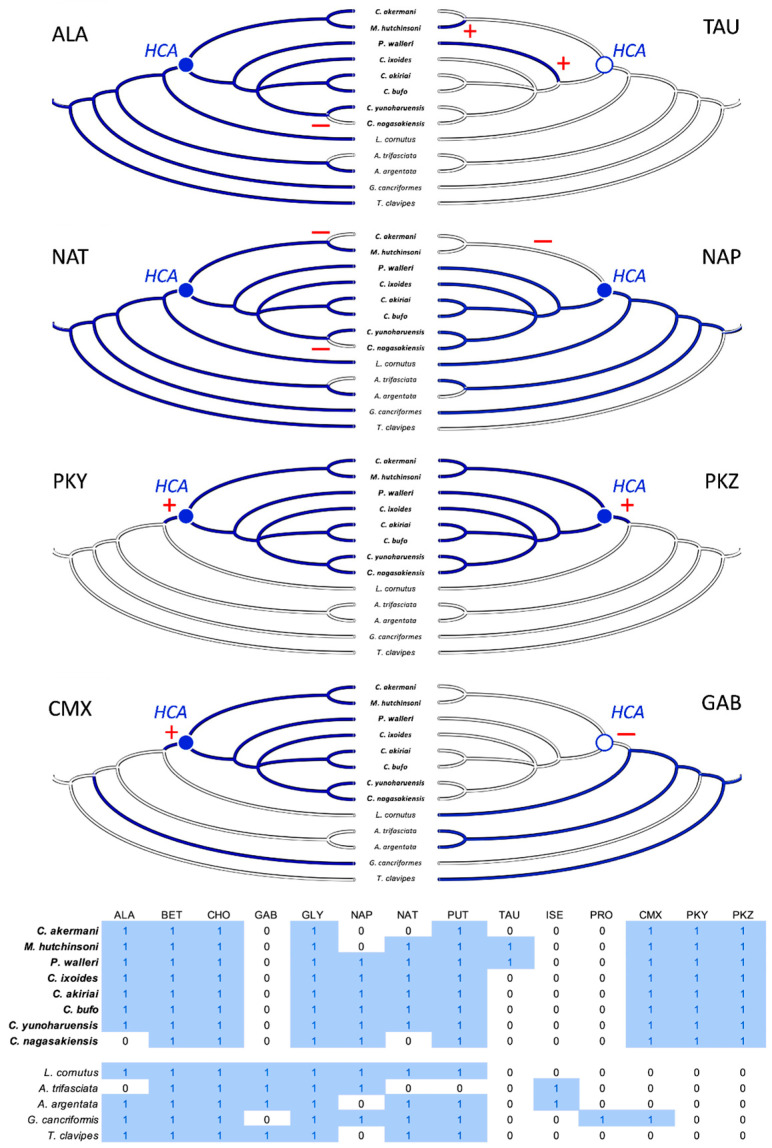 Figure 10
Peer Reviews
No public reviews on file for this paper yet. If you reviewed it on a platform where reviews are public (OpenReview, ICLR, NeurIPS, ICML), you can paste yours below so the community can read it here.
Videos
No videos yet. Explain this paper in a talk, walkthrough, or lecture? Add one.
Taxonomy
TopicsInsect and Arachnid Ecology and Behavior · Silk-based biomaterials and applications · Hemiptera Insect Studies